Source Rectangle Custom Logo Eyeglass Case for Gifts
Source 30 Rectangle Custom Logo Eyeglass Case options from verified manufacturers. Compare handmade luxury styles, cardboard gift boxes, and recyclable materials. Find suppliers offering OEM/ODM services, logo printing, and flexible MOQs for jewelry, cosmetics, and general retail packaging needs.
Key considerations
Products List

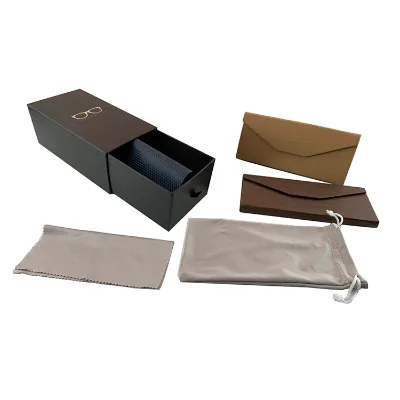


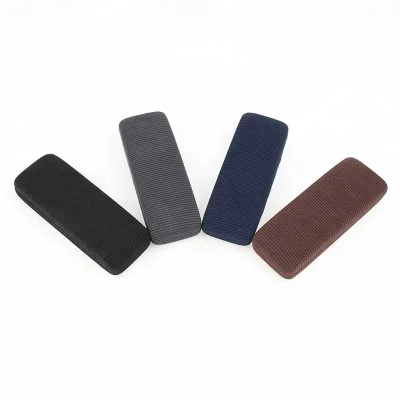
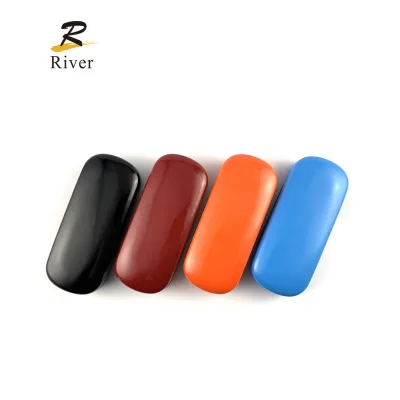
Custom logo outside metal glasses case eyeglasses case with bright color
$0.45 - $0.52
MOQ: 100 pieces
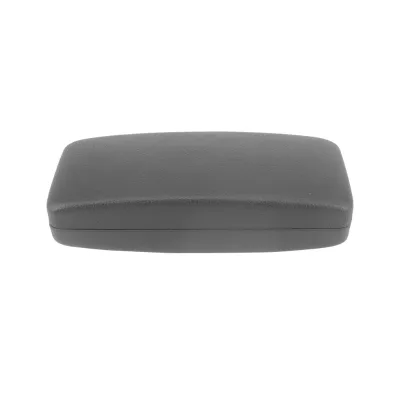
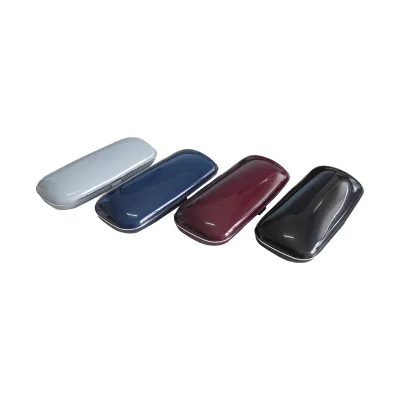


Wholesale Sunglasses Case Leather Glasses Holder Eyeglass Box for Promotion
$3.17 - $3.22
MOQ: 300 Pieces

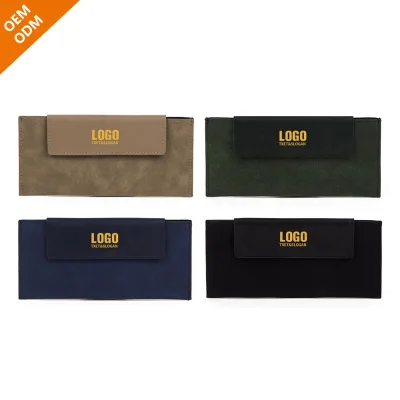
Custom Eyeware Sleeve Storage Bag Black Leather Sunglasses Case with Closure
$0.35 - $1.99
MOQ: 300 Pieces


Comprehensive Sourcing Guide
Rectangle Custom Logo Eyeglass Case Sourcing Guide
Procuring a Rectangle Custom Logo Eyeglass Case requires balancing aesthetic demands with functional durability, as the market offers distinct variations in material and construction. Buyers must first distinguish between standard cardboard options and premium handmade leather alternatives, as the latter often commands a higher price point and longer lead time. The observed product range includes items weighing between 0.5 kg and 110g, indicating significant variance in bulk density and shipping costs that directly impact the final landed cost.
When evaluating listings, it is critical to verify the specific customization capabilities, as some suppliers offer only basic logo printing while others support full ODM and OEM design services. The availability of gold foil paper and offset printing suggests a high-end finish is possible, but this must be confirmed against the specific model number and material composition. Buyers should ensure the supplier can accommodate mixed color orders or specific color codes, as the standard offering often includes a broad palette ranging from single colors to mixed assortments.
Product Scope and Observed Listing Signals
The core product category encompasses a wide array of applications, ranging from general eyewear storage to specialized packaging for cosmetics, jewelry, and electronic products. Listings frequently highlight the "Handmade Glasses Case" attribute alongside standard "Gift Box" descriptions, creating a potential confusion point for buyers seeking rigid protection versus soft storage. The observed data indicates a strong focus on the "Trendy Luxury" style, which often necessitates the use of high-end materials like gold foil paper or specific cardboard grades to achieve the desired visual impact.
Buyers must carefully scrutinize the listed dimensions, as the standard product size is noted as 160mm by 65mm by 60mm, yet other entries suggest custom standard dimensions. The folded nature of some cases implies a collapsible design, which is advantageous for logistics but may compromise structural rigidity compared to rigid box alternatives. It is essential to confirm whether the "Without Pattern" attribute applies to the base material or the final printed design, as this distinction affects the customization workflow and the visual outcome of the final product.
Technical Specifications to Verify
Dimensional accuracy is paramount when sourcing rectangle custom logo eyeglass cases, as the internal volume must accommodate various frame sizes without excessive slack or tightness. The standard specification of 160mm65mm60mm serves as a baseline, but buyers should request detailed internal measurements to ensure compatibility with specific eyewear models. Additionally, the weight variance between 0.5 kg and 110g per unit suggests that material density and layering techniques vary significantly, requiring precise verification to avoid unexpected shipping weight penalties.
Material composition is another critical technical factor, with options ranging from C1s and C2s cardboard to corrugated cartons and custom blends. The surface handling process, typically offset printing, must be compatible with the chosen paper type to ensure logo clarity and color fidelity. Buyers should verify the carton size of 423438cm to calculate optimal container loading, as this directly influences the efficiency of international freight and the overall cost per unit. Confirming the exact paper type, such as gold foil or standard cardboard, is necessary to align the product with the intended brand positioning.
Compliance and Safety Documentation
Regulatory compliance is a non-negotiable aspect of sourcing, particularly when the eyeglass cases are intended for markets with strict environmental and safety standards. The presence of certifications such as CE, SGS, FDA, ISO, Reach, and FSC indicates a supplier's commitment to meeting international benchmarks, but buyers must verify the validity of these certificates for the specific product batch. The "Recyclable Material" feature is a significant selling point, yet it requires confirmation that the specific paper and adhesive components used in the construction are indeed biodegradable or recyclable in the target market.
Safety documentation should also address the chemical composition of inks and coatings, especially for products used in food, cosmetic, or health care applications. While the supplier claims a QC team with ISO certification, buyers should request specific test reports for heavy metals and phthalates to ensure the product does not pose a risk to end-users. The "High-End" feature often implies the use of premium finishes, which must be scrutinized for compliance with volatile organic compound (VOC) regulations in regions like the European Union and North America.
Cost Drivers and Commercial Terms
Pricing for rectangle custom logo eyeglass cases is heavily influenced by the complexity of customization, with MOQs ranging from 300 to 1000 pieces depending on the supplier and design requirements. The observed price range of 0.02 to 6.88 USD reflects the vast difference between basic cardboard boxes and premium handmade leather cases, necessitating a clear definition of the target price point before engaging with suppliers. Buyers should anticipate that higher customization levels, such as gold foil stamping or complex offset printing, will push costs toward the upper end of this spectrum.
Commercial terms also play a significant role in the total cost of ownership, with payment structures often requiring 100% payment before shipping. Lead times of 10 to 30 days after receiving payment must be factored into the supply chain schedule, as delays can disrupt inventory planning and sales cycles. Shipping methods, including express, air, sea, and railway, offer different cost and speed trade-offs, and buyers should calculate the total landed cost by combining the unit price with freight charges and any applicable duties.
Supplier Qualification and Quality Control
Supplier qualification extends beyond basic certifications to include an assessment of their production capacity and quality control protocols. The presence of a dedicated QC team is a positive indicator, but buyers should verify the specific inspection stages, such as pre-production sample approval and final random inspection, to ensure consistency across large orders. The ability to provide free samples is a valuable tool for validating the physical quality of the product, including the durability of the fold and the precision of the logo printing.
Quality control should also encompass the packaging process, as the standard packing of 1 piece per OPP bag and 10 pieces per small box must be robust enough to prevent damage during transit. Buyers must confirm that the supplier can maintain the "Rectangle" shape and structural integrity throughout the supply chain, especially for products intended for high-end retail. The "Welcome to Visit" invitation suggests a transparent manufacturing environment, which can be leveraged to conduct on-site audits and verify the actual production capabilities against the claimed specifications.
Long-Term Procurement Checks
Establishing a long-term partnership requires a strategic approach to managing supplier performance and adapting to market changes over time. Buyers should implement a periodic review process to assess the supplier's ability to maintain consistent quality, adhere to lead times, and manage cost fluctuations in raw materials like cardboard and gold foil paper. Regular communication regarding design trends and material innovations will ensure that the eyeglass cases remain competitive and aligned with evolving consumer preferences for luxury and sustainability.
Scalability is another critical factor for long-term success, as the supplier must be capable of increasing production volumes without compromising quality or extending lead times beyond acceptable limits. Buyers should negotiate flexible terms that allow for adjustments in order quantities and color mixes, as market demand can shift rapidly. Finally, maintaining a clear record of all technical specifications, certifications, and quality control reports will facilitate smoother audits and ensure that the supply chain remains resilient against potential disruptions.
FAQs
Can I get a Rectangle Custom Logo Eyeglass Case with handmade luxury style?
Yes, handmade glasses cases with a trendy luxury style are available for customization. These items typically feature a folded design and weigh around 110 grams. Buyers can select from black or mixed color options. The product supports logo printing using standard artwork formats like AI or PDF files for professional branding.
What is the typical lead time for custom eyeglass cases?
The standard lead time is 10 to 30 days after receiving payment. This duration applies to most custom orders for rectangle cases. Buyers should plan their procurement schedule accordingly to ensure timely delivery. Express, air, sea, and railway shipping methods are available to meet various logistical requirements and deadlines.
What are the MOQ requirements for custom logo eyeglass cases?
Minimum order quantities vary by supplier, typically ranging from 300 to 1000 pieces. Some manufacturers may accept lower MOQs for specific models. Buyers should confirm the exact quantity with the supplier before placing an order. Payment is usually required in full before shipping to secure the production slot.
Which certifications are available for custom eyeglass case packaging?
Certifications such as CE, SGS, FDA, ISO, Reach, and FSC are available for certain packaging solutions. These standards ensure quality control and material safety. Buyers requiring specific compliance for their market should verify the exact documentation with the supplier. The QC team often holds ISO certificates to maintain production standards.
How are rectangle custom logo eyeglass cases packaged for shipping?
Cases are typically packed one piece per OPP bag, with ten pieces in a small box. The outer carton size is approximately 42 by 34 by 38 centimeters. This packaging protects the items during transit. Buyers can also request custom carton packing for bulk shipments to optimize storage and handling efficiency.
What materials are used for rectangle custom logo eyeglass cases?
Materials include cardboard, corrugated carton, and gold foil paper for high-end finishes. These options support recyclable features and premium aesthetics. Buyers can choose based on their brand positioning and sustainability goals. The material choice also influences the weight, which ranges from under 0.5 kg to 1 kg.