Source Eco Friendly Hard Sunglasses Case for Travel, Beach, and Daily Use
Find 30 Eco Friendly Hard Sunglasses Case options from China. Compare materials like EVA and PU, features such as waterproof and magnetic closures, and custom sizes for travel, beach, and daily protection needs; compare the available evidence and request quotations based on your requirements.
Key considerations
Products List
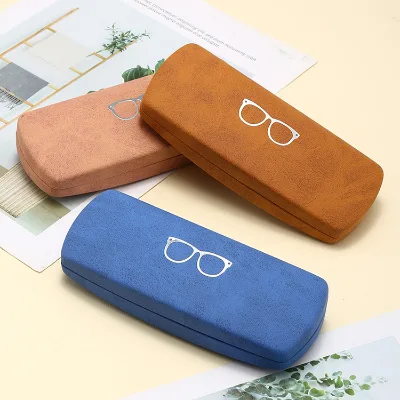
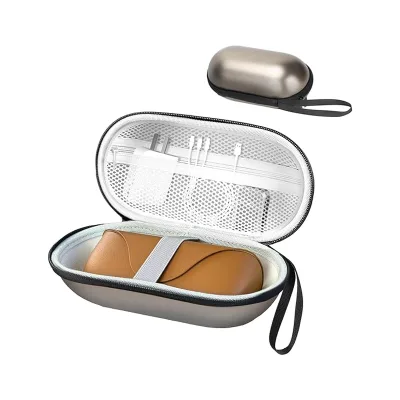
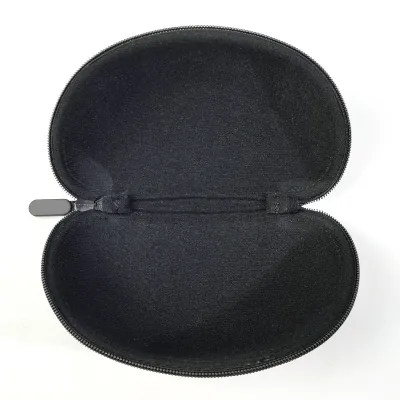
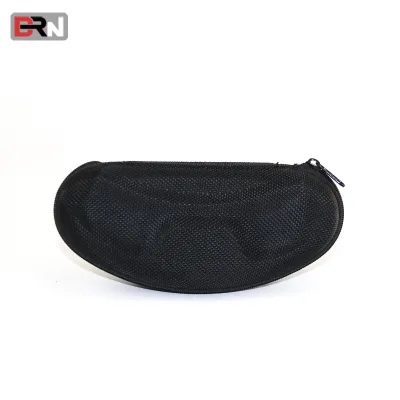
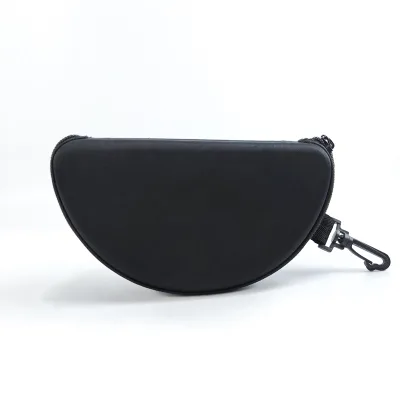
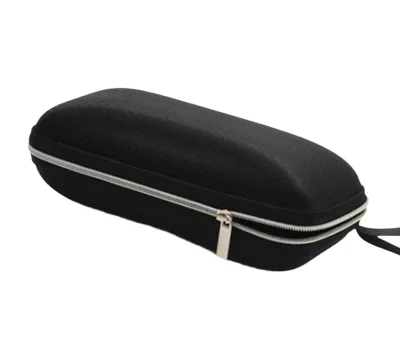
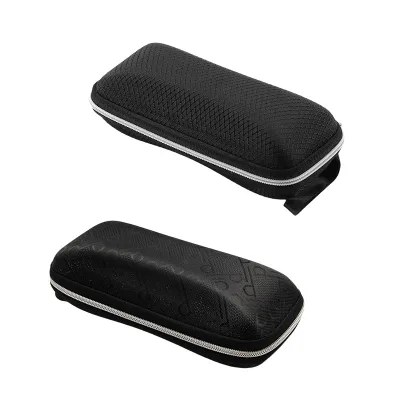
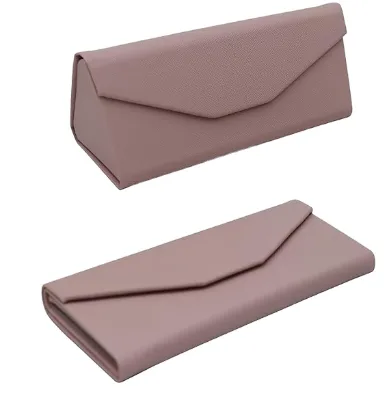
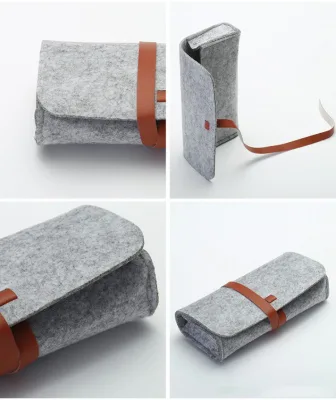
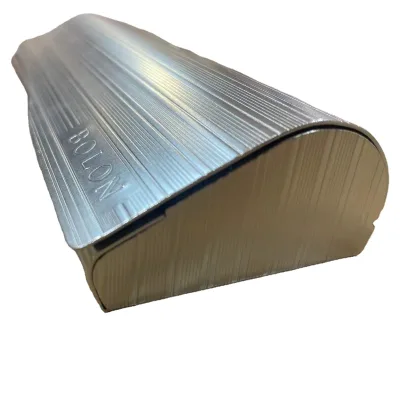
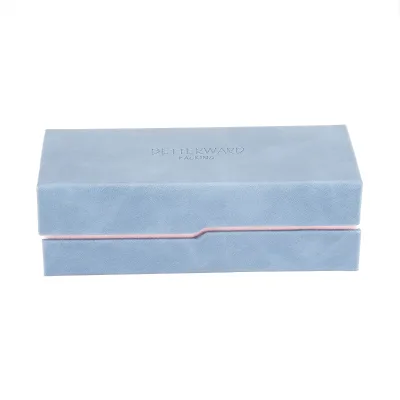
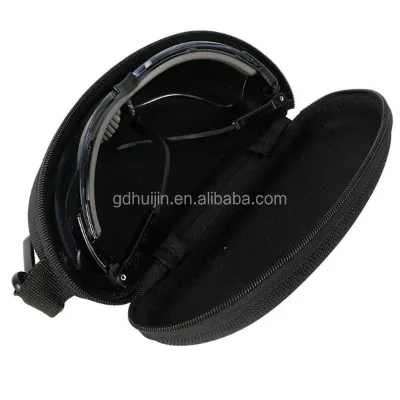
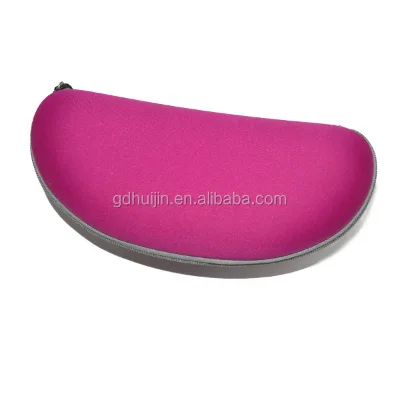
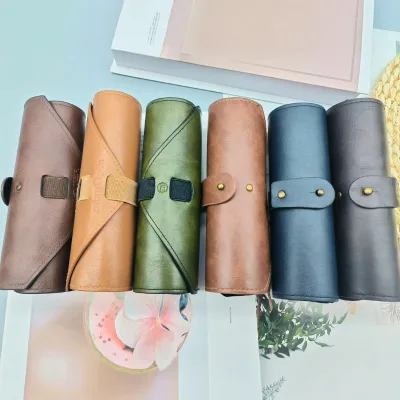
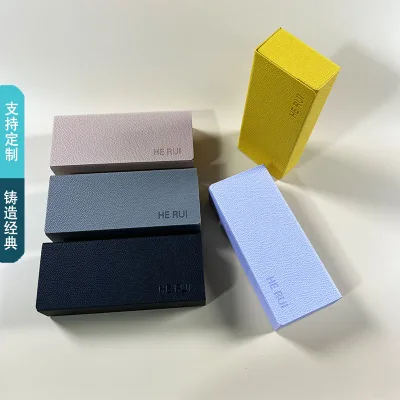
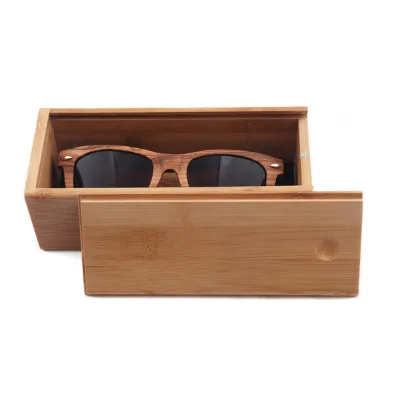
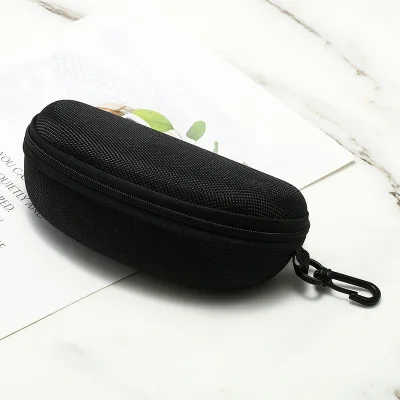
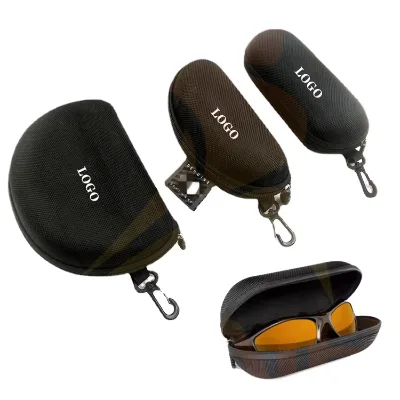
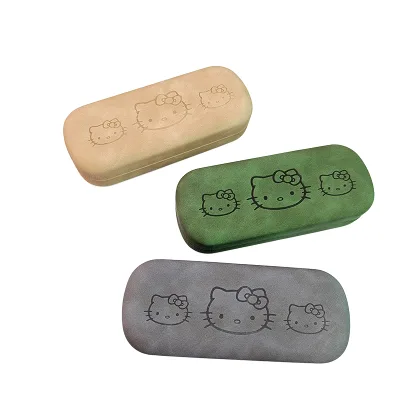
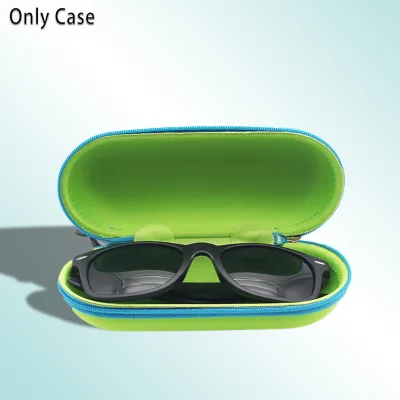


Comprehensive Sourcing Guide
Eco Friendly Hard Sunglasses Case Sourcing Guide
Procuring eco-friendly hard sunglasses cases requires distinguishing between genuine sustainable materials and standard protective packaging. The market offers distinct options ranging from leather and EVA composites to Oxford fabric blends, each presenting different environmental profiles. Buyers must verify that "eco-friendly" claims align with specific material compositions like EVA or PU+EVA+Velvet, rather than relying on generic marketing terms. Understanding the base material is the first step in ensuring the product meets both durability and sustainability expectations for your brand.
Sourcing decisions should also account for the functional requirements of the case, such as waterproofing and magnetic or zipper closures. While some listings highlight simple, luxury styles suitable for travel or daily use, others focus on specific applications like beach storage or outdoor protection. It is critical to match the case's structural hardness and compartment count with your intended use case. A hard case designed for travel may differ significantly in construction from one intended for retail packaging, influencing both material selection and supplier capability.
Product Scope and Observed Listing Signals
The current market landscape for hard sunglasses cases reveals a diverse range of specifications, including dimensions up to 2.9 inches and custom size acceptance. Listings frequently indicate a rectangular shape with a single compartment, though some variations exist for different storage needs. Buyers should observe that materials vary widely, with options including leather, EVA, and composite structures like Oxford+EVA+Velvet. These material differences directly impact the product's weight, flexibility, and overall environmental footprint, necessitating careful selection based on specific project requirements.
Listing signals also highlight significant variability in branding and customization capabilities. Many suppliers offer white-label options or accept customized logos and colors, allowing for brand differentiation. However, the presence of specific model numbers like YJH-0517 or Baorui-Tool-1066 suggests that products are often manufactured to specific client orders rather than being generic off-the-shelf items. This customization potential is a key signal for buyers seeking unique products, but it also implies that lead times and minimum order quantities will be higher than for standard inventory.
Technical Specifications to Verify
Verifying technical specifications is essential to ensure the case meets the required durability and protection standards. Key attributes to confirm include the item hardness, which is typically rated as hard, and the closure type, which may be magnetic or zipper-based. The dimensions, such as the 169.26 cm or 16.57.56 cm sizes observed in listings, must align with the physical dimensions of the sunglasses to prevent damage during transit. Additionally, the single package size and gross weight, often around 0.550 kg, are critical for calculating shipping costs and logistics planning.
Buyers must also scrutinize the material composition to validate the eco-friendly claims and functional performance. Materials like EVA and PU+EVA+Velvet offer distinct advantages in terms of water resistance and shock absorption, but their environmental impact varies. It is necessary to confirm whether the "eco-friendly" designation refers to the material sourcing, the manufacturing process, or the recyclability of the final product. Ensuring that the case is truly waterproof and suitable for the intended application, whether travel, outdoor, or daily use, requires a detailed review of these technical parameters.
Compliance and Safety Documentation
Compliance and safety documentation are paramount when sourcing products that claim to be eco-friendly or suitable for direct consumer use. Some suppliers provide certifications such as ISO9001, ROHS, and BSCI, which indicate adherence to quality management and environmental standards. These documents serve as proof that the manufacturing process meets international safety and ethical guidelines, reducing the risk of non-compliance in target markets. Buyers should request these certificates before finalizing orders to ensure the supplier maintains the necessary regulatory standards.
In addition to certifications, buyers must verify the specific safety data regarding the materials used in the case construction. While FSC certification is mentioned in background contexts, it should not be assumed without explicit confirmation from the supplier. It is crucial to confirm that the materials, such as EVA or leather, do not contain harmful substances that could violate regulations in the destination country. Ensuring that the product meets all relevant safety standards protects the brand from potential legal liabilities and reinforces consumer trust in the eco-friendly claims.
Cost Drivers and Commercial Terms
Cost drivers for eco-friendly hard sunglasses cases are heavily influenced by material selection, customization levels, and order volume. The observed minimum order quantities (MOQ) range from 500 to 1000 pieces, which can significantly impact the unit price. Customization features like unique logos, colors, and specific dimensions often incur additional costs and may extend the sample time to 7-10 working days. Buyers should anticipate that higher levels of customization and stricter material requirements will result in a higher overall cost per unit.
Commercial terms also play a critical role in the total cost of ownership, with payment structures typically requiring a 30% deposit and 70% balance payment. Delivery times can vary from 30 to 45 days, affecting inventory planning and cash flow. It is essential to negotiate clear terms regarding packing, such as OPP bag and paper carton combinations, to prevent damage during shipping. Understanding these commercial dynamics allows buyers to budget accurately and manage expectations regarding the timeline and financial commitment required for the procurement.
Supplier Qualification and Quality Control
Supplier qualification is a critical step in ensuring the reliability and consistency of eco-friendly hard sunglasses cases. Buyers should prioritize suppliers who demonstrate a clear track record of meeting quality standards and providing necessary documentation. The presence of certifications like ISO9001 and BSCI indicates a commitment to quality management and ethical labor practices. Verifying these qualifications helps mitigate the risk of receiving substandard products and ensures that the supplier can scale production to meet demand without compromising quality.
Quality control measures must be established to verify that the final product matches the agreed-upon specifications. This includes checking the hardness, closure mechanism, and material integrity of the cases. Buyers should request samples to test the waterproofing and durability before committing to a large order. Establishing a clear quality control protocol, including inspection criteria and acceptance thresholds, ensures that the supplier consistently delivers products that meet the brand's standards. Regular communication and clear feedback loops are essential for maintaining high-quality output throughout the production process.
Long-Term Procurement Checks
Long-term procurement checks are necessary to maintain the integrity of the supply chain and ensure ongoing compliance with eco-friendly standards. Buyers should conduct periodic audits of the supplier's manufacturing processes to verify that material sourcing and production methods remain consistent with initial agreements. This includes monitoring changes in material composition or certification status that could affect the product's environmental profile. Regular reviews help identify potential risks early and allow for proactive adjustments to the supply chain strategy.
Sustainability is a dynamic field, and buyers must stay informed about evolving regulations and consumer expectations regarding eco-friendly products. It is important to regularly reassess the supplier's ability to meet new environmental standards and to explore opportunities for further sustainability improvements. Building a long-term relationship with a qualified supplier fosters trust and collaboration, enabling both parties to innovate and adapt to market changes. Continuous evaluation ensures that the procurement strategy remains robust and aligned with the brand's long-term sustainability goals.
FAQs
What materials are used for eco friendly hard sunglasses cases?
Manufacturers typically use EVA, PU, or Oxford fabrics combined with velvet linings to create durable protective cases. These materials offer water resistance and shock absorption while maintaining a lightweight profile. Some suppliers also incorporate eco-friendly standards to ensure sustainable production practices for global buyers seeking responsible sourcing options.
Can I customize the logo on these hard storage cases?
Yes, most suppliers accept customized logos to help brands establish market presence. You can often choose from various printing methods to ensure visibility and durability. This customization service allows businesses to align the product packaging with their specific branding guidelines while maintaining the structural integrity of the hard case design.
What is the typical lead time for bulk orders?
Standard production lead times generally range from 30 to 45 days after deposit confirmation. This timeframe accounts for material sourcing, manufacturing, and quality control processes. Buyers should plan their inventory accordingly to avoid stockouts, especially during peak seasonal demand periods when factory capacity may be limited.
Are these cases suitable for travel and outdoor use?
Absolutely, these hard cases are designed specifically for travel, outdoor activities, and daily protection. Their waterproof features and sturdy construction safeguard eyewear from impacts and moisture. The portable design ensures easy carrying in bags, making them ideal for adventurers and professionals who need reliable gear protection on the go.
What certifications do these manufacturers typically hold?
Reputable manufacturers often hold ISO9001, ROHS, and BSCI certifications to ensure quality and ethical standards. These credentials verify that production processes meet international requirements for safety and social responsibility. Buyers can rely on these documented standards when selecting suppliers for large-scale procurement projects requiring compliance verification.
How does the MOQ affect pricing for these cases?
Minimum order quantities typically start around 500 pieces, which helps keep unit costs competitive. Higher volumes often result in better per-unit pricing due to economies of scale. Buyers should consider their storage capacity and sales forecasts when determining the optimal order size to balance cost efficiency with inventory management needs.