Source Hasco Hot Runner Injection Mold for Auto Parts, Furniture, and Appliances
Compare 30 listings for Hasco Hot Runner Injection Mold designed for auto parts, furniture, and household appliances. Buyers can evaluate cycle times, material options like PP and ABS, and mold base compatibility with HASCO standards to find suitable manufacturing solutions.
Key considerations
Products List
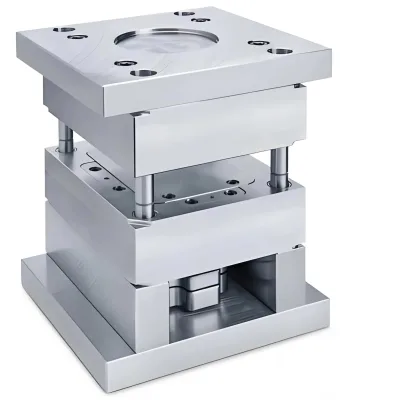


High-Quality Plastic Injection Molds for Custom Manufacturing Solutions
$1000.00 - $5000.00
MOQ: 1 Pieces

Custom Mold Manufacturing for High-Quality Injection Molding Applications
$1000.00 - $3000.00
MOQ: 1 Pieces

Custom Precision Plastic Injection Moulds for Auto Parts Manufacturing
$2500.00 - $9000.00
MOQ: 1 Pieces


Precision Cold Runner Single Cavity Injection Blow Mold Plastic Parts
$2000.00 - $6000.00
MOQ: 1 Pieces

$5000.00 - $15000.00
MOQ: 1 Pieces


Comprehensive Sourcing Guide
Strategic Sourcing Guide for HASCO Hot Runner Injection Molds
Understanding the Core Technical Architecture
When sourcing a Hasco Hot Runner Injection Mold, the buyer must first distinguish between the mold base standards and the specific runner system integration. The core keyword implies a high degree of standardization, as HASCO is a globally recognized standard for mold bases and components. Based on observed market data, the mold base compatibility often extends to other major standards such as DME and Futaba, ensuring that the structural foundation of the tooling is interchangeable and robust. The design software utilized for these molds frequently includes AutoCAD and UG (Unigraphics), which are critical for creating precise 3D models and ensuring that the complex geometry of the hot runner system aligns perfectly with the mold cavity.
The technical execution of these molds relies heavily on the shaping mode, which is predominantly injection molding. The process often utilizes a single-process mode, meaning the tooling is designed for a streamlined workflow without unnecessary intermediate steps. A critical technical observation is the cooling system configuration; advanced units often feature conformal cooling channels, which allow for more uniform temperature distribution and reduced cycle times. However, buyers must verify the specific nozzle control capabilities, as some observed units offer precise PID temperature control with a tolerance of ±0.3°C, while others may have different specifications. The runner system itself can vary between cold and hot runner configurations, though the specific interest in "hot runner" implies a focus on systems that eliminate runner waste and improve material efficiency. The mold cavities are typically multi-cavity, designed to produce multiple parts per cycle, which is essential for high-volume production of household products and automotive components.
Compliance, Certification, and Standard Verification
In the B2B procurement of industrial tooling, certification acts as a primary filter for supplier reliability. The supplied data indicates that products in this category often carry certifications such as TSCE, ISO, and TSISO. It is imperative for buyers to understand that while these certifications are listed, the specific scope and validity must be verified against the supplier's current documentation. The standards referenced in the product attributes include HASCO, DME, and DSM-IM, which serve as the baseline for dimensional accuracy and component interchangeability.
Buyers should not assume that every listed product automatically satisfies all certification requirements without proof. The presence of a "TSISO" label suggests a combination of technical standards, but the specific ISO standard (such as ISO 9001 for quality management) should be confirmed through direct inquiry rather than assumed from general background knowledge. The mold base standards are explicitly noted as compatible with HASCO, DME, and Futaba, which provides a clear framework for evaluating the mechanical fit of the mold within existing injection molding machines. When evaluating compliance, the buyer must ensure that the supplier can provide valid certificates that correspond to the specific model numbers, such as TONGSHENG or DSM-IM, rather than generic claims. The standardization of the mold base ensures that the tooling can be easily maintained and repaired using off-the-shelf components, a significant advantage for long-term operational continuity.
Cost Drivers and Pricing Dynamics
The pricing structure for HASCO hot runner injection molds is highly variable, reflecting the complexity of the tooling and the customization level required. Observed market data shows a price range spanning from $0.05 to $50,000 USD. This wide disparity indicates that the cost is not a fixed metric but is driven by several distinct factors. At the lower end of the spectrum, prices may reflect simple, single-cavity molds or specific components rather than complete tooling systems. Conversely, the upper end of the range likely corresponds to complex, multi-cavity molds with advanced features like conformal cooling, precise PID temperature control, and extensive customization.
The Minimum Order Quantity (MOQ) also plays a significant role in the total cost of ownership. The observed MOQ range is between 1 and 3,000 units. For buyers requiring a single unit or a small batch, the per-unit cost will be significantly higher due to the fixed engineering and setup costs. Conversely, larger orders benefit from economies of scale, though the total capital outlay remains substantial. Additional cost drivers include the material options selected, such as PP, ABS, PC, PA66, POM, or PET, each of which has different processing requirements and wear characteristics. The surface finish process, which can range from polishing to texturing, matte, or smooth finishes, also impacts the labor and time required for mold completion. Furthermore, the mold life, which is observed to range from 50 to 500 million shots or 5 to 10 years, is a critical value proposition that justifies a higher initial investment. Buyers must weigh the upfront cost against the expected lifespan and production volume to determine the true cost efficiency of the mold.
Typical Applications and Material Compatibility
The versatility of HASCO hot runner injection molds is evident in their broad application spectrum. The product attributes list applications across the automotive, household appliances, electronics, hardware, commodity, home use, and furniture sectors. This diversity suggests that these molds are capable of producing a wide array of parts, from small electronic housings to larger automotive components. The weight of the produced parts is typically observed to be between 5 and 50 grams, indicating a focus on precision components rather than large, heavy industrial parts.
Material compatibility is another crucial factor in determining the suitability of a mold for a specific application. The observed material options include a comprehensive list of engineering plastics: PP (Polypropylene), ABS (Acrylonitrile Butadiene Styrene), PC (Polycarbonate), PA66 (Nylon 66), POM (Polyoxymethylene), and PET (Polyethylene Terephthalate). The ability to process these diverse materials requires specific design considerations, such as the type of runner system and the temperature control capabilities of the mold. For instance, materials like PC and PA66 require higher processing temperatures and may necessitate more robust cooling systems to prevent warping. The plastic form is typically granule, and the color options can include black, red, yellow, white, or custom colors. The application of these molds in the automotive sector, for example, demands high precision and durability, while household appliances may prioritize aesthetic surface finishes and rapid cycle times.
Supplier Evaluation and Operational Capabilities
Evaluating a supplier for HASCO hot runner injection molds requires a deep dive into their manufacturing capabilities and operational history. The place of origin for many of these products is Guangdong, China, with some specific models originating from Zhangjiagang, Jiangsu. While location is a factor, the technical capabilities are more critical. Buyers should verify the supplier's ability to produce molds based on customer drawings or samples, as customization is a key attribute of the market. The mold making process should be transparent, with clear communication regarding the design software used, such as AutoCAD or UG.
The installation method is another point of evaluation; while some molds are designed for fixed installation, others may offer mobile capabilities, depending on the specific application and machine setup. The packing method, which can range from nude packages to standard export cartons or wooden cases, is also indicative of the supplier's attention to detail and logistics planning. A reputable supplier will provide detailed documentation on the mold's life expectancy, which is observed to be between 50 and 500 million shots, and the expected lifespan of 5 to 10 years. Buyers should also inquire about the tool function, which may include features like full automation, insulation, and corrosion resistance. These features are essential for maintaining product quality and minimizing downtime in high-volume production environments.
Quality Control and Long-Term Procurement Considerations
Quality control in the production of HASCO hot runner injection molds is paramount to ensuring the longevity and performance of the tooling. The surface finish process is a critical quality indicator, with options including polishing, texturing, matte, and smooth finishes. The ability to customize the surface finish allows buyers to meet specific aesthetic and functional requirements. The injection cycle time is another key performance metric, with observed ranges varying from 5 to 60 seconds. Shorter cycle times, such as those observed at ≤15 seconds, indicate high-efficiency molds suitable for mass production, while longer cycle times may be necessary for complex parts or specific material requirements.
Long-term procurement considerations extend beyond the initial purchase price. Buyers should evaluate the supplier's support for maintenance and repair, given the high value of the tooling. The mold base compatibility with standards like HASCO, DME, and Futaba ensures that replacement parts are readily available, reducing the risk of prolonged downtime. The customization options available, including specific mold cavities and runner systems, allow for future adaptability as product designs evolve. Additionally, the buyer should consider the total cost of ownership, including energy consumption for heating the hot runner system and the cost of material waste. By selecting a mold with a long life expectancy and high precision, buyers can achieve significant savings over the product lifecycle. The integration of advanced features like conformal cooling channels and precise temperature control further enhances the quality of the final product, ensuring consistency and reducing defects.
Comparative Analysis of Mold Specifications
To assist buyers in making informed decisions, the following table compares key specifications observed in the market for HASCO hot runner injection molds. This comparison highlights the variability in technical attributes and helps buyers identify the features most relevant to their specific needs.
| Specification | Standard Observation | High-Performance Variant |
|---|---|---|
| Mold Base Standard | HASCO / DME / Futaba Compatible | Custom HASCO / DME / LKM |
| Runner System | Hot Runner / Cold Runner | Fully Automatic Hot Runner |
| Cycle Time | 50~60 Seconds | ≤15 Seconds |
| Nozzle Control | Standard PID | ±0.3°C Precision PID |
| Mold Life | 5-6 Years | 5-10 Years (500M+ Shots) |
| Material Options | PP, ABS, PC, PA66, POM | PET, PC, PA66, Custom Alloys |
| Surface Finish | Polish, Texture, Matt | Custom Texture, Mirror Polish |
| Design Software | AutoCAD, UG | UG, SolidWorks, CATIA |
| Cavity Configuration | Multi Cavity | High-Number Multi Cavity |
| Origin Location | Guangdong, China | Zhangjiagang, Jiangsu, China |
This table underscores the importance of verifying specific attributes rather than relying on general market averages. Buyers should use these specifications as a checklist during supplier negotiations to ensure that the final product meets their exact production requirements. The variability in cycle time and mold life, for instance, can significantly impact the overall production efficiency and cost per unit. By carefully evaluating these factors, buyers can select a mold that offers the optimal balance of performance, durability, and cost-effectiveness for their specific application.
FAQs
What certifications do HASCO hot runner injection molds typically have?
These molds often carry TSCE, ISO, and TSISO certifications. Buyers must verify the specific scope and validity of these certificates against the supplier's current documentation before purchase.
Which mold base standards are compatible with these injection molds?
The mold bases are compatible with HASCO, DME, and Futaba standards. This compatibility ensures the structural foundation is robust and allows for easy maintenance using off-the-shelf components.
Can buyers customize the surface finish and material options for these molds?
Yes, customization is available for surface finishes like polishing, texture, or matte, and materials such as PP, ABS, PC, and PET. Buyers should provide drawings or samples for specific part requirements.
How long is the expected mold life for these injection tools?
The observed mold life ranges from 50 to 500 million shots or 5 to 10 years. This lifespan depends on the specific application and maintenance practices used during production cycles.
What is the typical cycle time for these injection molding processes?
Cycle times vary, with some units achieving less than 15 seconds while others operate between 50 and 60 seconds. The specific time depends on the part complexity and the cooling system configuration.
Where are these HASCO hot runner molds typically manufactured?
Products originate from locations like Guangdong and Zhangjiagang in China. Buyers should confirm the specific place of origin for each model to understand logistics and shipping implications.