Source Harvester Telescopic Rod for Agriculture, Gardening, and Harvesting
Find and compare 30 Harvester Telescopic Rod options from Chinese manufacturers. Explore carbon fiber and steel models with custom lengths and OEM branding for efficient fruit picking and agricultural tasks; compare the available evidence and request quotations based on your requirements.
Key considerations
Products List


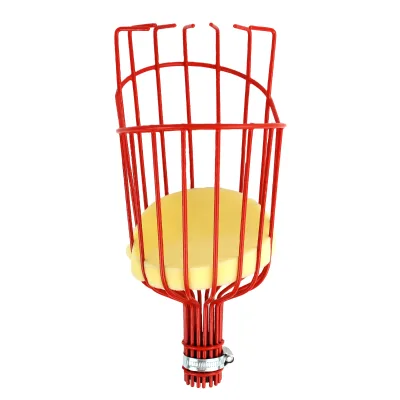
Plastic Fruit Picker Telescopic Rod Tool with Basket Orange Picker Pole
$10.00 - $13.00
MOQ: 100 Pieces




$21.00 - $25.00
MOQ: 10 Pieces


Comprehensive Sourcing Guide
Harvester Telescopic Rod Sourcing Guide
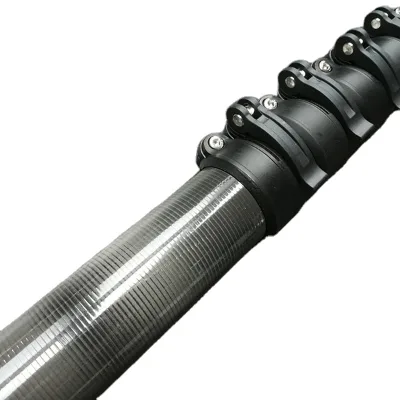
Procurement of telescopic rods for harvesting operations requires distinguishing between hydraulic lifting cylinders and manual carbon fiber poles, as the supplied market data reveals two distinct product categories serving different mechanical needs. Buyers must first identify whether the application demands a high-force hydraulic piston system for heavy header lifting or a lightweight, extendable carbon fiber pole for manual fruit and nut harvesting. The observed listings indicate that hydraulic units are often constructed from carbon steel with double-acting capabilities, while manual poles utilize carbon fiber tubes to reduce operator fatigue during extended use.
Understanding the specific operating environment is critical before selecting a supplier, as the data shows variations in power sources ranging from hydraulic systems to manual manpower. A hydraulic cylinder designed for agricultural machinery must withstand medium pressure and feature a piston structure, whereas a telescopic pole for areca nut or fruit harvesting prioritizes weight reduction and customizable lengths. Buyers should verify that the selected product matches the intended power source and working method, ensuring that the structural design aligns with the physical demands of the specific crop and terrain.
Product Scope and Observed Listing Signals
The market for harvesting telescopic components includes both complex hydraulic assemblies and simple manual extension poles, each with distinct packaging and customization profiles. Hydraulic header lifting cylinders are typically shipped in wooden packages to protect the piston and cylinder body during transit, while manual carbon fiber poles often arrive in OPP bags and cartons to prevent surface scratches. This difference in packaging reflects the fragility of the carbon fiber material compared to the robust nature of steel hydraulic components, influencing how buyers should plan for storage and handling upon delivery.
Customization is a prevalent feature across both product types, allowing buyers to specify dimensions, logos, and colors to match their operational branding or specific machinery requirements. Listings indicate that hydraulic cylinders can be tailored to specific pressure directions and acting ways, while carbon fiber poles offer adjustable lengths and customized logos for brand visibility in the field. Buyers should explicitly confirm the extent of customization available, such as whether the carbon content is strictly 100% or if specific thicknesses like 1.5 mm are standard, to ensure the final product meets precise engineering tolerances.
Technical Specifications to Verify
When evaluating hydraulic telescopic cylinders, buyers must verify the working method, acting way, and pressure ratings to ensure compatibility with existing machinery. The observed data highlights products with straight trip working methods and double-acting capabilities, which are essential for precise control in heavy-duty lifting applications. It is crucial to confirm that the cylinder operates as a single-acting or double-acting unit depending on the machine design, and to validate that the medium pressure rating aligns with the hydraulic system's output to prevent seal failure or structural deformation.
For manual telescopic poles, the primary technical focus should be on material composition, dimensions, and structural integrity under load. Buyers need to confirm that the pole is constructed from carbon fiber tubes with a verified carbon content percentage, as this directly impacts the weight-to-strength ratio required for efficient harvesting. Additionally, the standard lengths observed, such as 12ft or 3.7m, must be cross-referenced with the specific crop height, and buyers should verify if the product offers variable lengths like 12ft, 24ft, or 30ft to accommodate different harvesting scenarios.
Compliance and Safety Documentation
Safety and compliance in harvesting equipment rely heavily on the presence of recognized quality management certifications and adherence to industry standards. The available product data frequently cites ISO9001 certification, which indicates that the manufacturer maintains a documented quality management system, though buyers should request current certificates to verify active status rather than relying on general claims. For hydraulic components, verifying that the product meets standard pressure testing protocols is essential to prevent catastrophic failure during operation, while manual poles should be checked for structural stability under the weight of the operator and harvested goods.
Documentation regarding the origin and material composition is equally vital for regulatory compliance and supply chain transparency. Products listed with origins in China, specifically from regions like Zhejiang, Shandong, or Ningbo, should be accompanied by clear declarations of material content, such as the specific carbon fiber percentages or steel grades used. Buyers must ensure that the supplier provides accurate documentation regarding the product's standard, whether it is a generic standard or a custom requirement, to satisfy import regulations and internal safety audits regarding the materials used in the final assembly.
Cost Drivers and Commercial Terms
The cost of harvesting telescopic rods is significantly influenced by the material composition, manufacturing complexity, and the extent of customization required. Hydraulic cylinders made from carbon steel with double-acting mechanisms generally command higher prices due to the precision engineering and pressure testing involved, whereas carbon fiber poles may vary in cost based on the fiber quality and the specific length customization. Buyers should anticipate that products with custom logos, colors, or non-standard dimensions will incur additional charges, and the observed price range of 0.5 to 407.2 USD reflects the vast difference between simple manual tools and complex hydraulic assemblies.
Commercial terms such as Minimum Order Quantity (MOQ) and delivery lead times are critical factors in budgeting and inventory planning for this category. The market data shows a wide MOQ range from 1 piece for hydraulic cylinders to 100 pieces for manual garden tools, requiring buyers to align their order volume with supplier constraints to avoid excessive per-unit costs. Delivery times are often based on order quantity, meaning larger orders for customized carbon fiber poles or hydraulic systems may require extended lead times, necessitating early planning to ensure equipment availability during peak harvesting seasons.
Supplier Qualification and Quality Control
Supplier qualification for harvesting telescopic components should prioritize manufacturers with proven experience in producing both hydraulic and manual agricultural tools. Buyers should verify that the supplier has a track record of delivering products with the specific attributes observed, such as the correct working method for cylinders or the precise carbon fiber composition for poles. It is advisable to request samples that match the exact specifications, including thickness and dimensions, to validate the supplier's ability to meet the required technical standards before committing to a larger production run.
Quality control processes must be rigorous, particularly for hydraulic cylinders where pressure integrity is paramount and for carbon fiber poles where structural failure could lead to injury. Buyers should inquire about the supplier's internal testing procedures for pressure direction, acting way, and material strength, ensuring that the products are new and meet the condition standards specified. Additionally, verifying the supplier's ability to provide customized packaging, such as wooden crates for heavy cylinders or protective bags for delicate poles, is essential to ensure the products arrive in perfect condition for immediate deployment.
Long-Term Procurement Checks
Establishing a long-term procurement relationship for harvesting telescopic rods requires regular performance reviews and consistency checks on product specifications. Buyers should monitor the durability of hydraulic cylinders under repeated use and the wear resistance of carbon fiber poles in various weather conditions to ensure they continue to meet operational needs. It is important to maintain open communication with the supplier regarding any changes in material sourcing or manufacturing processes that could affect the product's performance or compliance status over time.
Future procurement strategies should also account for the scalability of the supply chain and the flexibility of the supplier to handle fluctuating order volumes. As agricultural demands shift, the ability to adjust order quantities and customize product features, such as length or branding, will be crucial for maintaining operational efficiency. Buyers should regularly review the supplier's delivery times and MOQ flexibility to ensure they can adapt to seasonal peaks without compromising on the quality or availability of the essential harvesting equipment.
FAQs
What materials are commonly used for Harvester Telescopic Rod products?
Harvester Telescopic Rod products are commonly made from carbon fiber, with some listings showing 100% carbon fiber content and tube-style construction. Carbon fiber keeps the pole lightweight while maintaining strength for extended harvesting work. Some related harvesting equipment, such as header lifting cylinders, uses carbon steel instead. Buyers should confirm the material specification with each supplier before ordering, since material choice affects weight, durability, and price.
Can Harvester Telescopic Rod products be customized with my logo and color?
Yes, customization is available from many listed suppliers. Product facts show customized logo and customized color options, with OEM branding also supported. You can typically request your own logo print, packaging style, and pole length according to your requirement. Customization may affect minimum order quantity and unit price, so confirm these details with the supplier before placing a trial order.
What is the typical minimum order quantity for Harvester Telescopic Rod purchases?
Minimum order quantities vary by product type. Carbon fiber harvesting poles are listed with an MOQ of 1 piece, which suits sampling and small trials, while some handheld garden harvesting tools list an MOQ of 100 pieces. Start with the lowest available quantity to test quality, then negotiate volume pricing for repeat orders. Always confirm the exact MOQ in writing with each supplier before confirming a purchase order.
How are Harvester Telescopic Rod products packed for shipping?
Packing depends on the product line. Carbon fiber telescopic poles are offered in wooden packages, which protect longer poles during international freight, while handheld harvesting tools may use an OPP bag plus carton. A single package size of 180 by 7 by 7 centimeters is listed for one telescopic pole model. Request packing details and photos from suppliers to ensure the packaging suits your shipping method.
Which certifications should I look for when sourcing Harvester Telescopic Rod products?
Look for ISO9001 certification, which appears among the listed product facts, indicating a quality management system. Certification matters for consistent manufacturing and easier acceptance in regulated markets. Ask suppliers to provide valid certificate copies and verify their scope covers the actual production facility. Note that ISO certification applies to specific listed suppliers and products, so confirm current certificate status directly with each candidate before ordering.
Where are Harvester Telescopic Rod products mainly manufactured?
Listed products originate mainly from China, with specific production locations including Zhejiang, Ningbo, and Shandong. Zhejiang and Ningbo suppliers focus on handheld harvesting tools, while Shandong appears among carbon fiber telescopic pole listings. One listing shows FOB Ningbo as the shipping term. Comparing suppliers across these regions helps you balance price, customization capability, and shipping convenience for your destination market.
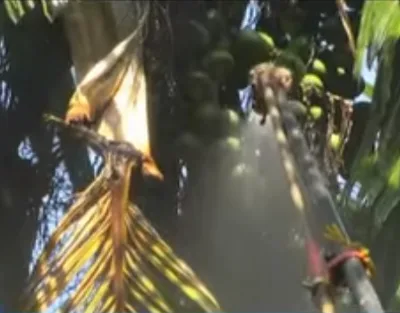
What lengths are available for telescopic harvesting poles?
Listed specifications include a 12 foot or 3.7 meter standard length for one handheld harvesting tool, and a 12 foot plus 24 foot plus 30 foot configuration for another extendable model. Telescopic designs let workers adjust reach for different crop heights, such as areca nut harvesting. Dimensions can also be produced as per request, so confirm achievable length ranges and locking mechanisms with your chosen supplier.