Source Harvester Nylon Sleeve for Tillage, Harvesting, and Machinery
Find 30 listings for the Harvester Nylon Sleeve tailored for tillage, harvesting, and general machinery applications. Buyers can compare specifications like material, model codes, and packaging options from verified suppliers in China.
Key considerations
Products List


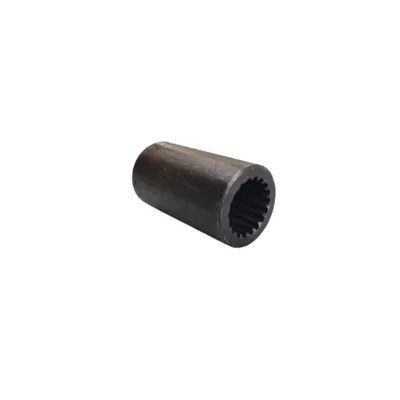
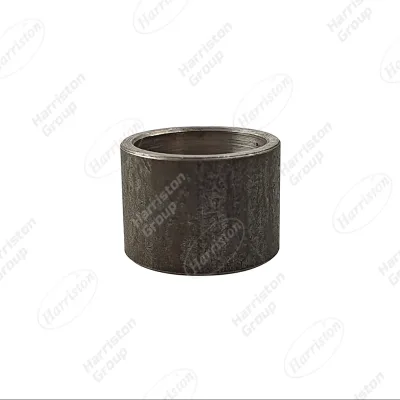
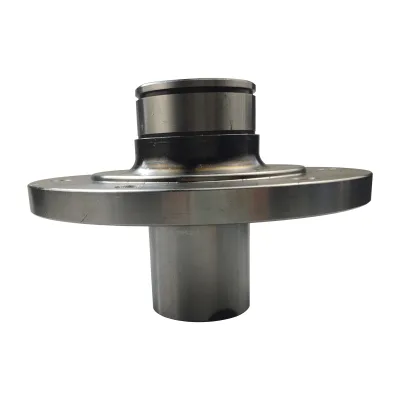




Comprehensive Sourcing Guide
Strategic Sourcing Guide for Harvester Nylon Sleeves
The global agricultural machinery sector relies heavily on the reliability of precision components, with the Harvester Nylon Sleeve emerging as a critical element in maintaining operational efficiency. For procurement professionals, sourcing these specific parts requires a nuanced understanding of material science, supply chain logistics, and strict adherence to technical specifications. The complexity of the agricultural supply chain means that buyers must navigate a landscape where generic terms often obscure specific engineering requirements. This guide provides a disciplined approach to identifying, evaluating, and procuring harvester nylon sleeves, ensuring that the final acquisition aligns with the rigorous demands of modern harvesting operations.
Technical Specifications and Material Composition
When evaluating harvester nylon sleeves, the primary focus must be on the material composition and dimensional accuracy. The supplied data indicates a diverse range of materials used in this category, including Iron, Carbon Steel, and Chrome Steel, alongside the specific nylon requirements implied by the core keyword. While the term "nylon sleeve" suggests a polymer-based component, the presence of metal standards in the dataset highlights the importance of verifying the exact material mix. For instance, some listings reference "Nylon6 S," indicating a specific grade of nylon often used for its durability and low friction properties in high-stress environments.
Buyers must scrutinize the product model numbers to ensure compatibility with specific harvester machinery. The dataset includes models such as W2.5E-01B-01-22, W2.5DA-03H-17B-10, and N85-03017, which serve as unique identifiers for different engineering configurations. These alphanumeric codes are not merely labels; they represent specific tolerances and load-bearing capacities. A sleeve designed for a W2.5 series harvester may not be interchangeable with one intended for a DV01205000065 application. Furthermore, the standard dimensions provided, such as 60(mm)*30(mm)*50(mm), offer a baseline for verification, though buyers should expect variations based on the specific machine model. The "Standard Parts: Yes" attribute suggests that many of these sleeves are off-the-shelf components, yet the "Customization: Available" flag indicates that bespoke solutions are also a viable market option for specialized machinery.
Compliance, Certification, and Quality Standards
In the B2B procurement of agricultural components, compliance is non-negotiable. The dataset explicitly lists ISO and CE certifications, which are critical indicators of a supplier's adherence to international quality and safety standards. ISO certification generally implies that the manufacturer follows a standardized quality management system, ensuring consistency in production. CE marking indicates conformity with health, safety, and environmental protection standards for products sold within the European Economic Area, a crucial consideration for exporters and importers.
However, buyers must remain vigilant. The presence of "optional" standards and "based on the actual situation" in the data suggests that not every product listing automatically includes these certifications. Procurement teams should verify that the specific batch of nylon sleeves being purchased carries the relevant documentation. The "Quality: Durable" attribute is a common marketing claim, but it must be substantiated by the certification status. Additionally, the "Standard Parts: Yes" designation implies that the components meet a baseline industry standard, but for high-performance harvesters, buyers should request specific test results or material traceability reports. The "Made in China" origin is a common attribute in this sector, but it does not inherently guarantee quality; the certification status is the true differentiator.
Cost Drivers and Pricing Dynamics
The pricing for harvester nylon sleeves is influenced by a complex interplay of factors, including material costs, customization levels, and order volume. The observed price range in the market spans from $0.15 to $30,000, a vast disparity that reflects the difference between a simple bushing and a complete, custom-engineered assembly. The lower end of this spectrum likely corresponds to standard, off-the-shelf components like the "Bushing" type listed, while the higher end may involve complex, custom-fabricated sleeves or bulk orders of specialized machinery parts.
The Minimum Order Quantity (MOQ) is another significant cost driver. The data shows an MOQ range from 1 to 10,000 units. For small-scale operations or emergency replacements, an MOQ of 1 offers flexibility, though the unit cost may be higher. Conversely, large agricultural fleets can leverage economies of scale by ordering in bulk, potentially reducing the per-unit cost. The "Payment Term: T/T or L/C" options provide financial flexibility, allowing buyers to manage cash flow effectively. Buyers should also consider the "Delivery Time: 15days" as a factor in total cost of ownership; faster delivery often commands a premium, while longer lead times may allow for more competitive pricing. The "Product Capacity: 500000" indicates that suppliers have the ability to handle large-scale orders, which can stabilize pricing for major procurement contracts.
Typical Applications and Usage Scenarios
Harvester nylon sleeves are integral to the operation of various agricultural machines, specifically those involved in tillage and harvesting. The dataset explicitly categorizes the usage under "Tillage" and "Harvester," confirming their role in heavy-duty field operations. These sleeves function as critical bearings or bushings that reduce friction between moving parts, ensuring smooth operation under high loads and abrasive conditions. The "Application: Harvester Machinery" tag further narrows the scope to specific equipment used in crop collection.
The versatility of these components is evident in the variety of product models and types listed. From "Adapter Sleeve" to "Bushing," each type serves a distinct mechanical function. The "Locking Nut: Km9" specification suggests a specific locking mechanism designed to prevent loosening during the high-vibration environment of a harvester. The "Color: as The Picture" attribute implies that visual identification is often used to distinguish between different functional types, though color is rarely a performance indicator. Buyers should match the specific application requirements, such as the need for high durability or specific dimensional tolerances, to the correct model number. The "Customized: Customized" and "Non-Customized" options allow buyers to choose between standard replacements and parts tailored to unique machine modifications.
Supplier Evaluation and Geographic Considerations
Selecting the right supplier is as important as selecting the right product. The dataset indicates that the primary origin for these components is "Changzhou, Jiangsu" and generally "China." This region is a known hub for manufacturing industrial machinery parts, offering a dense network of suppliers with varying levels of expertise. When evaluating suppliers, buyers should look beyond the origin and focus on the "OEM: Yes" and "OEM: Acceptable" attributes. These indicate that the supplier is capable of producing original equipment manufacturer parts or accepting custom branding, which is essential for maintaining brand consistency in large fleets.
The "Customization: Available" and "Customized: Customized" flags suggest that many suppliers are willing to adapt their production lines to meet specific buyer requirements. This flexibility is a strong indicator of a supplier's technical capability. However, buyers must verify the supplier's capacity to deliver consistent quality across large orders, as indicated by the "Product Capacity: 500000" metric. The "Standard Export Package" and "Cartons/ Pallets/Wooden Box" packaging options are also critical; proper packaging ensures that the nylon sleeves arrive without damage, which is vital for maintaining their dimensional integrity.
Quality Control and Long-Term Procurement Strategies
Ensuring long-term reliability requires a robust quality control strategy. The "Quality: Durable" attribute is a starting point, but buyers must implement their own verification processes. This includes checking the "prod_packing" details to ensure the components are protected during transit. The "Neutral Packing in Carton Box" option is common for generic parts, while "in Plastic Case and Container for Plastic Nylon6 S" suggests specialized packaging for specific material grades.
For long-term procurement, buyers should establish a relationship with suppliers who offer "OEM" services and can provide consistent model numbers. The "Standard Parts: Yes" attribute is a good baseline, but for critical applications, buyers should insist on "Customization" capabilities to address wear and tear issues specific to their machinery. The "Delivery Time: 15days" is a key performance indicator for supply chain responsiveness. Buyers should negotiate terms that balance speed with cost, ensuring that emergency replacements can be sourced quickly without inflating the overall budget. Finally, the "Payment Term: T/T or L/C" options should be leveraged to secure favorable financial terms, protecting the buyer's interests while maintaining a healthy supplier relationship.
Comparative Analysis of Component Types
To aid in decision-making, the following table compares the key attributes of the different component types observed in the market. This comparison highlights the variations in material, application, and customization options that buyers must consider.
| Component Type | Material | Typical Application | Customization Status | Packaging |
|---|---|---|---|---|
| Adapter Sleeve | Chrome Steel | Harvester Machinery | Customized | Standard Export Package |
| Bushing | Iron / Carbon Steel | Tillage / Harvester | Non-Customized | Neutral Packing in Carton Box |
| Nylon Sleeve | Nylon6 S | Harvester Machinery | Available | Plastic Case and Container |
| Standard Part | Mixed | General Machinery | Optional | Cartons/ Pallets/Wooden Box |
This table illustrates that while the core function remains the same, the material and packaging vary significantly based on the specific application and customization needs. Buyers must align their procurement strategy with these specific attributes to ensure optimal performance and longevity of their harvesting equipment. By focusing on these detailed specifications and maintaining a disciplined approach to supplier evaluation, procurement teams can secure high-quality harvester nylon sleeves that meet the demanding standards of modern agriculture.
FAQs
What materials are used for harvester nylon sleeves?
Harvester nylon sleeves are commonly made from Iron, Carbon Steel, or Chrome Steel, alongside Nylon6 S grades. While the core keyword implies polymer, the dataset shows metal standards are frequent, so verify the exact material mix before purchasing to ensure compatibility with your specific machinery.
Can I get customized harvester nylon sleeves?
Yes, customization is available for many Harvester Nylon Sleeve listings, though some are marked as non-customized. Buyers can choose between standard off-the-shelf parts or bespoke solutions tailored to unique machine modifications, provided the supplier accepts the specific customization request.
Which certifications should I look for in suppliers?
Look for ISO and CE certifications as they indicate adherence to international quality and safety standards. While some listings mention optional standards, verifying that the specific batch carries these documents is crucial for ensuring consistent production quality and compliance for export markets.
How long is the delivery time for these parts?
The typical delivery time for these components is 15 days from the supplier. This lead time allows for efficient supply chain planning, though faster delivery options may command a premium, while longer lead times could offer more competitive pricing for bulk orders.
What is the minimum order quantity for purchase?
The minimum order quantity ranges from 1 to 10,000 units depending on the supplier and product type. Small operations can order single units for emergency replacements, while large agricultural fleets can leverage economies of scale by ordering in bulk to reduce per-unit costs.
Where are these harvester nylon sleeves manufactured?
These components are primarily manufactured in Changzhou, Jiangsu, and generally across China. This region is a known hub for industrial machinery parts, offering a dense network of suppliers, but buyers must verify specific supplier capabilities beyond just the geographic origin.
What payment terms are accepted for bulk orders?
Suppliers typically accept T/T or L/C payment terms for these transactions. These options provide financial flexibility, allowing buyers to manage cash flow effectively while securing favorable terms for large-scale procurement contracts involving high-volume orders.