Source HDPE Black Gravel Paving Geocell for Roads, Railways, and Dams
Find 30 verified HDPE Black Gravel Paving Geocell options for highway, railway, and dam reinforcement. Compare cell depths from 50-250mm, thicknesses, and ASTM-certified suppliers to stabilize soil and prevent deformation in demanding infrastructure projects.
Key considerations
Products List

HDPE Geocell for Road Construction Slope Protection Gravel Grid Geocell
$0.31 - $0.61
MOQ: 1000 Square Meters

HDPE Geocell Plastic Geocell Honeycomb Paver Plastic Road Gravel Grid Geocell Gravel Stabilization
$0.30 - $1.58
MOQ: 2000 Square Meters


Honeycomb HDPE Geocell Paver Plastic Road Plastic Gravel Stabilizer Geocell
$0.33 - $2.98
MOQ: 1000 Square Meters

HDPE Slope Erosion Control Ground Grid Geocell for Gravel Driveways Geosynthetic Geocells
$0.68 - $1.36
MOQ: 500 Square Meters

Soil Stabilization HDPE Paving Geo Grid Plastic Honeycomb Gravel Paver Geocell with Factory Price
$0.39 - $3.08
MOQ: 2000 Square Meters

HDPE Geocell Geo Cell Road Grid Gravel Driveway Price Geocell Ground Grid Paver
$1.78 - $2.18
MOQ: 1000 Square Feet


High-Quality Geocells for Driveway and Gravel Stabilization Applications
$1.50 - $2.00
MOQ: 1000 Square Meters

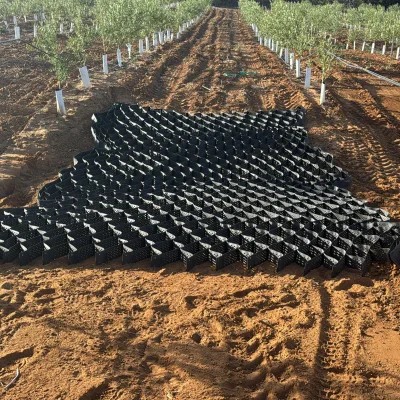
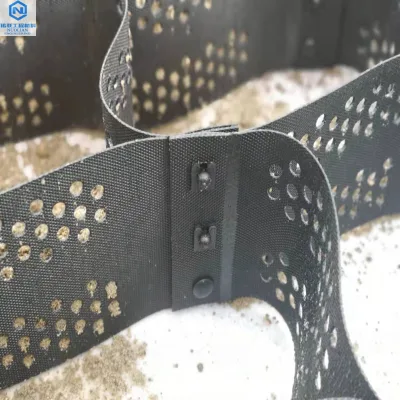

Black HDPE Plastic Manufacturer Price Gravel Grid Geocell Concrete Grass Pavers
$0.13 - $3.48
MOQ: 1000 Square Meters

HDPE Plastic Geocell Plastic Geocell Gravel Concrete Grass Pavers for Road Construction
$0.13 - $3.48
MOQ: 1000 Square Meters

ASTM Standard HDPE Geocell Road Grid Gravel Geocell Ground Grid Paver
$0.13 - $3.48
MOQ: 1000 Square Meters

Geocell Ground Grid Paver for Road Driveway Gravel Stabilizer Permeable Grass Paver
$0.13 - $3.48
MOQ: 1000 Square Meters


HDPE Plastic Planting Grid Geocell Grass Paver Grid Permeable Pavers
$0.13 - $3.48
MOQ: 1000 Square Meters


Geocell Ground Gravel Grid Grass Paver Plastic Paving Grid Driveway
$0.30 - $3.00
MOQ: 1000 Square Meters

Road Paver Driveway Geocell for Slope Erosion Control Ground Grid
$0.30 - $3.00
MOQ: 1000 Square Meters

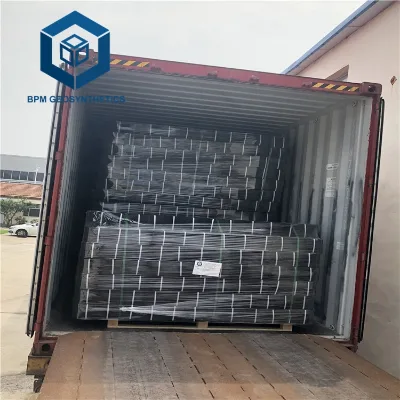
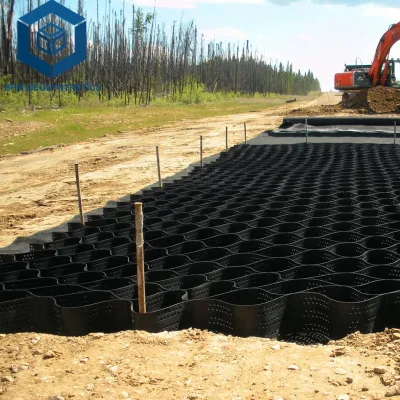

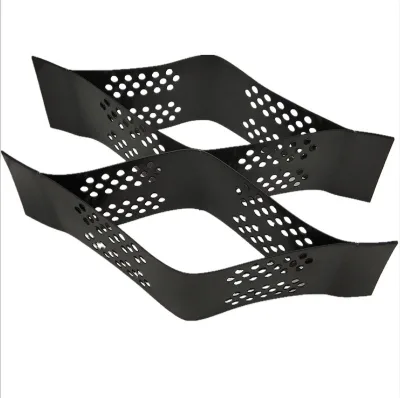


High Quality HDPE Industrial Plastic Geocell Excellent Drainage Grass Grid Paver
$0.41 - $3.88
MOQ: 2000 Square Meters


Comprehensive Sourcing Guide
HDPE Black Gravel Paving Geocell Sourcing Guide
Product Scope and Observed Listing Signals
The core product category for this procurement involves three-dimensional cellular confinement systems manufactured from High-Density Polyethylene (HDPE), specifically designed for soil stabilization and load distribution in civil engineering projects. Market observations indicate a strong prevalence of black-colored units, which are often selected for their UV resistance and aesthetic integration into paved or landscaped environments. These geocells are engineered to contain and confine granular materials such as soil, rock, and concrete, creating a rigid structural layer that enhances the bearing capacity of weak subgrades. The primary functional attributes observed include non-skid surfaces, anti-deforming capabilities, and effective load distribution, which are critical for maintaining the integrity of highways, railways, and retaining walls under heavy traffic or environmental stress.
Listing signals reveal a diverse range of customization options available from suppliers, allowing buyers to tailor the product to specific project requirements. Key variables include cell height, which typically ranges from 50mm to 250mm, and thickness, with common specifications falling between 1.1mm and 1.7mm. The surface texture is another critical differentiator, with options ranging from smooth to textured finishes; textured surfaces are particularly noted for improving the frictional grip between the geocell and the infill material, thereby reducing the risk of slippage. Additionally, the presence or absence of holes in the cell walls can be customized, influencing both the drainage characteristics and the mechanical interlock with the surrounding soil.
Technical Specifications to Verify
When evaluating technical specifications, buyers must prioritize the verification of tensile strength and seam peel strength, as these metrics directly correlate with the structural integrity of the geocell under load. Observed data suggests tensile strengths around 20.0MPa, but this value must be confirmed against the specific thickness and cell configuration required for the project. The welding distance, which determines the spacing between the vertical walls of the cells, is another crucial parameter; observed ranges vary from 300mm to 1000mm, with specific configurations like 330mm-660mm being common. A consistent and robust welding process is essential to ensure that the seams can withstand the peel forces exerted during installation and service life, with observed peel strength values indicating the need for rigorous quality checks on these joints.
Dimensional accuracy and material consistency are equally important factors that require strict verification during the sourcing process. The standard thickness for these products is often cited within the 1.1mm to 1.6mm range, with some specifications extending up to 1.7mm, and buyers should ensure that the ordered thickness matches the design requirements for load-bearing capacity. Cell depth options such as 50mm, 100mm, 150mm, 200mm, and 250mm allow for flexibility in designing the confinement layer, but the actual depth must be measured to ensure it meets the specified tolerance. Furthermore, the chemical stability and oxidation resistance of the HDPE material must be confirmed, as these properties ensure long-term durability in harsh environmental conditions, including exposure to chemicals and extreme temperatures.
Compliance and Safety Documentation
Compliance with international standards is a fundamental requirement for ensuring the reliability and safety of geocell products in critical infrastructure projects. Buyers should verify that the supplier adheres to recognized standards such as ASTM, which provides guidelines for testing and performance criteria for geosynthetics. The presence of certifications like SGS indicates that the product has undergone third-party testing for quality and performance, providing an additional layer of assurance for the buyer. However, it is essential to request the specific test reports associated with these certifications to confirm that the tested samples match the batch being procured, ensuring that the claimed compliance is not merely a general statement but a verified attribute of the delivered goods.
Safety and environmental considerations also play a significant role in the documentation requirements for geocell procurement. The material composition, specifically the use of HDPE, should be documented to ensure it meets environmental regulations regarding recyclability and non-toxicity. Buyers should inquire about the manufacturing process to confirm that no harmful additives are used that could leach into the soil or groundwater over time. Additionally, the product's resistance to corrosion and its chemical stability should be supported by technical data sheets that detail the material's performance in various chemical environments, ensuring that the geocell will not degrade prematurely when exposed to acidic or alkaline soils.
Cost Drivers and Commercial Terms
The cost of HDPE geocells is influenced by several key factors, including the material thickness, cell height, and the complexity of the welding process. Thicker materials and greater cell heights generally result in higher costs due to the increased amount of raw material and the additional energy required for welding. Customization options, such as specific surface textures or hole configurations, can also impact the price, as they may require specialized tooling or production adjustments. Buyers should be aware that while the observed price range in the market is relatively low, the quality and durability of the product should not be compromised for cost savings, as inferior products can lead to higher maintenance and repair costs in the long run.
Commercial terms, including minimum order quantities (MOQ) and lead times, are critical components of the procurement strategy. Observed MOQs can vary significantly, with some suppliers requiring as little as 1 unit while others may demand up to 5000 square meters, depending on the production capacity and customization level. Lead times are typically reported as within 7 days after order confirmation, but this can be extended for large orders or custom specifications. Buyers should negotiate clear terms regarding payment schedules, shipping responsibilities, and liability for defects to mitigate financial risks. Additionally, the packaging method, whether using plastic packing belts, pallets, or containers, should be agreed upon to ensure safe transportation and prevent damage during transit.
Supplier Qualification and Quality Control
Supplier qualification is a vital step in the sourcing process, requiring a thorough assessment of the manufacturer's capabilities and track record. Buyers should verify the supplier's production capacity, quality control systems, and experience in manufacturing geocells for similar applications. The brand name, such as Zhongloo, may indicate a level of market presence and reputation, but it is essential to conduct independent due diligence to confirm the supplier's reliability. Requesting references from previous clients and reviewing case studies can provide valuable insights into the supplier's performance and the real-world application of their products. Additionally, the supplier's ability to provide project solution capabilities, including graphic design and 3D model design, can be a significant advantage for complex projects.
Quality control measures should be implemented throughout the production and delivery process to ensure that the geocells meet the specified requirements. Buyers should establish clear acceptance criteria based on the technical specifications discussed earlier, including tensile strength, seam peel strength, and dimensional accuracy. Regular inspections during production and pre-shipment inspections are recommended to identify and rectify any defects before the goods are dispatched. The supplier should provide detailed quality reports and test results for each batch, allowing the buyer to verify compliance with the agreed-upon standards. Establishing a robust quality control protocol helps to minimize the risk of receiving substandard products and ensures that the geocells will perform as expected in the field.
Long-Term Procurement Checks
Long-term procurement checks involve monitoring the performance of the geocells after installation to ensure they are meeting the expected service life and performance criteria. Buyers should establish a feedback loop with the project engineers and contractors to gather data on the installation process, any issues encountered, and the long-term behavior of the geocell system. This information can be used to refine future procurement specifications and to identify any potential improvements in the product design or manufacturing process. Regular audits of the supplier's quality control systems and compliance with standards should also be conducted to ensure ongoing consistency in product quality.
Sustainability and environmental impact are increasingly important considerations in long-term procurement strategies. Buyers should evaluate the supplier's efforts to reduce waste, energy consumption, and carbon emissions during the manufacturing process. The recyclability of the HDPE material should be confirmed, and the supplier should be encouraged to provide information on the end-of-life options for the geocells. By prioritizing sustainable practices, buyers can contribute to the overall environmental goals of their projects and enhance their corporate social responsibility profile. Additionally, staying informed about advancements in geosynthetic technology and materials can help buyers to identify opportunities for innovation and cost savings in future procurements.
FAQs
What materials are used for HDPE Black Gravel Paving Geocell?
The product is manufactured from HDPE material to ensure durability. It features chemical stability and oxidation resistance for long-term performance in various environments.
Can I customize the height of the geocell grid?
Yes, customization is available for the product height. Options include 50, 75, 100, 150, 200, and up to 250mm to suit specific engineering requirements.
Which certifications does the geocell product hold?
The product holds SGS certification to verify quality standards. It also complies with ASTM standards for structural integrity and safety in construction applications.
How long is the lead time for an order?
The lead time is within 7 days after order confirmation. This ensures rapid delivery for projects requiring quick mobilization of materials.
What is the minimum order quantity for this product?
The standard minimum order quantity is 300 square meters. However, some listings may show ranges from 1 to 5000 units depending on the supplier.
How is the geocell packed for shipping?
Packing options include plastic packing belts or pallets for standard shipments. Custom packaging and container shipping are also available for large orders.
What are the typical applications for this geocell?
It is designed for highway, railway, dam, and retaining wall applications. The grid provides reinforcement and soil stabilization for road bases and steep slopes.