Source HDPE Anti-Slip Honeycomb Driveway Paver for Parking, Roads, and Parks
Find 30 HDPE anti-slip honeycomb driveway paver options from Chinese manufacturers. Buyers can compare specifications, certifications, and prices for parking lots, roads, and parks.
Key considerations
Products List
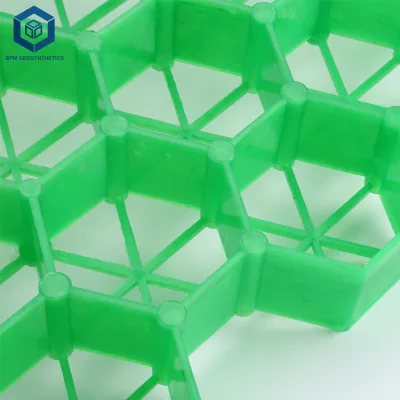
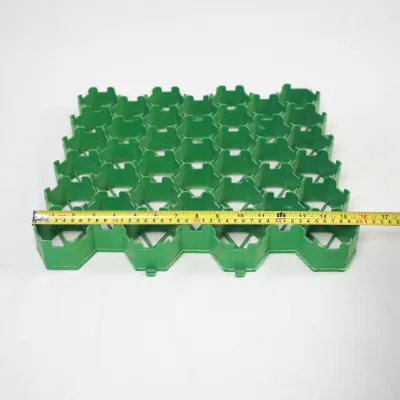
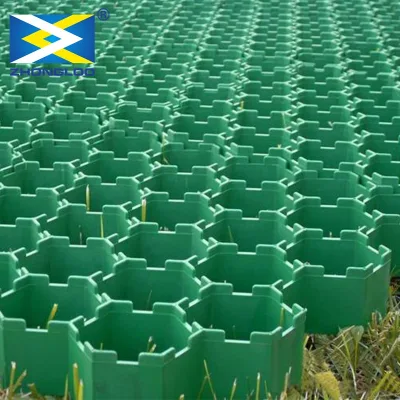
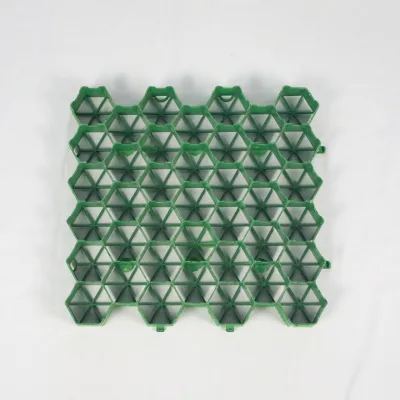
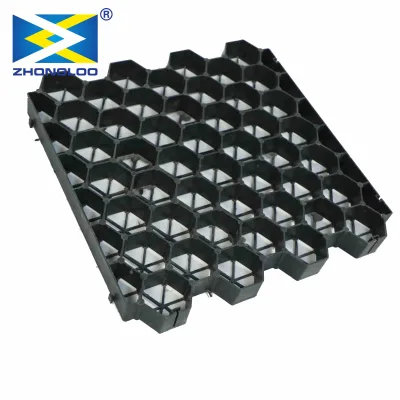
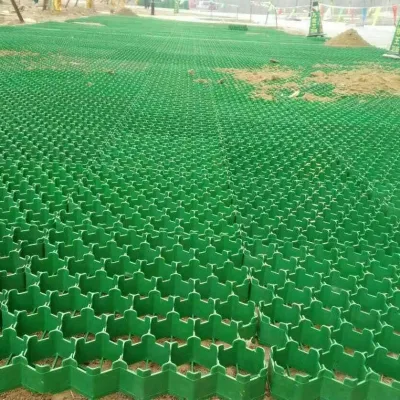
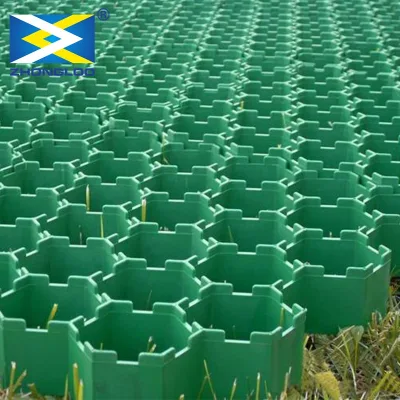

HDPE Honeycomb Plastic Grass Grid Paver Driveway Grass Protection
$1.20 - $3.10
MOQ: 2000 Square Meters

HDPE Honeycomb Plastic Grass Grid Paver Driveway Mat Grass Planting Paving Grid
$1.20 - $3.10
MOQ: 2000 Square Meters

HDPE Grass Paver Plastic Lawn Grid Honeycomb Gravel Stabilizer Driveway Paving Grid
$1.76 - $4.96
MOQ: 500 Square Meters

Factory Wholesale HDPE Honeycomb Plastic Grass Grid Driveway for Planting Paving
$1.20 - $3.10
MOQ: 2000 Square Meters


High Quality Grass Grid HDPE Plastic Grass Paver for Car Parking
$1.20 - $3.10
MOQ: 2000 Square Meters


Pathways Ground Honeycomb Driveway Lawn Paving Reinforcement Lawn Grass Grid Pavers
$0.32 - $2.23
MOQ: 200 Square Meters


Plastic Driveway Mat Grass Lawn Honeycomb Gravel Stabilizer Driveway Paving Grid
$0.66 - $3.86
MOQ: 1000 Square Meters

Plastic Honeycomb Gravel Grass Grid Paver for Driveway, Paddock Ground Construction
$0.30 - $2.30
MOQ: 1 Square Meters

Pathways Ground Honeycomb Driveway Lawn Paving Reinforcement Lawn Grass Grid Pavers
$2.30 - $6.30
MOQ: 1 Square Meters

Plastic Honeycomb Gravel Stabilizer Grid Ground Reinforcement Permeable Grass Paver
$0.30 - $2.30
MOQ: 1 Square Meters


Hard Paver 5cm Grid Cellular Plastic Driveway HDPE Honeycomb Geocell for Road Gravel Stabilizer
$0.30 - $3.00
MOQ: 1000 Square Meters
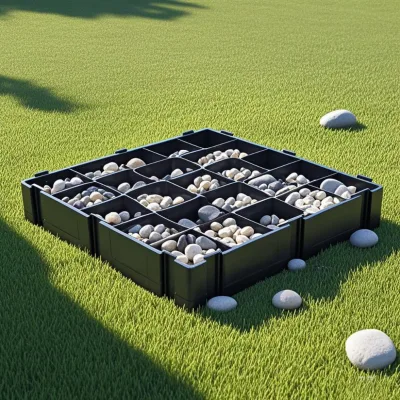

$1.80 - $6.00
MOQ: 1000 Square Meters

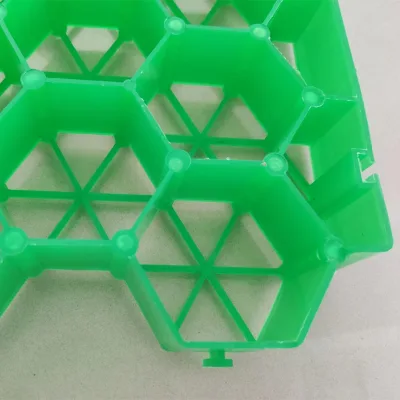

High Quality Pathways Ground Reinforcement Honeycomb Grass Grid Pavers Factory Price
$3.00 - $7.00
MOQ: 500 Square Meters

Comprehensive Sourcing Guide
Strategic Sourcing Guide for HDPE Anti-Slip Honeycomb Driveway Pavers
Procuring high-performance drainage and reinforcement systems for modern infrastructure requires a nuanced understanding of material science, regulatory compliance, and supply chain reliability. The core keyword "hdpe anti-slip honeycomb driveway paver" points to a specific class of geosynthetic products designed to stabilize soil, manage water runoff, and support vehicular loads while maintaining a natural aesthetic. Buyers entering this market must navigate a landscape defined by varying material compositions, dimensional specifications, and certification standards. This guide provides a structured approach to evaluating these products, ensuring that procurement decisions are grounded in verified facts rather than marketing assertions.
Technical Specifications and Material Composition
The foundation of any successful procurement for HDPE (High-Density Polyethylene) pavers lies in a rigorous review of technical specifications. The product category is characterized by a distinct honeycomb surface design, which serves a dual purpose: providing structural interlocking for reinforcement and creating channels for water drainage. The material composition is critical; while the primary focus is on HDPE, the supplied data indicates that some variants utilize a blend of PP (Polypropylene) and PE (Polyethylene). Buyers must verify the specific resin blend for each order, as the mechanical properties, such as tensile strength and UV resistance, differ between pure HDPE and mixed polymer formulations.
Dimensional consistency is another paramount technical factor. The available data highlights a wide range of thicknesses, specifically noting values such as 38mm, 48mm, and 68mm. These measurements directly correlate to the load-bearing capacity of the paver. A 38mm unit may suffice for pedestrian pathways or light residential driveways, whereas 68mm units are typically required for heavy commercial traffic or parking lots. Furthermore, width specifications vary significantly, with options ranging from 500mm to custom lengths including 24 inches, 30 inches, 4 feet, and up to 8 feet. The "Custom Products" designation suggests that suppliers can tailor dimensions to specific project requirements, but buyers must confirm the minimum order quantity (MOQ) implications of such customization, as observed ranges in the market span from 1 to 5000 units.
| Specification Category | Observed Variations | Procurement Verification Point |
|---|---|---|
| Material Type | HDPE, PP, PE, Plastic | Confirm resin grade and blend ratio. |
| Thickness | 38mm, 48mm, 68mm (approx. 1.5-2.7 in) | Match thickness to expected vehicle load. |
| Width | 500mm, 24 in, 30 in, 2 ft, 3 ft, 4 ft, 5 ft, 8 ft | Verify compatibility with existing sub-base preparation. |
| Surface Design | Honeycomb | Ensure cell depth aligns with grass or gravel fill requirements. |
| Color Options | Black, Green, Grey, Apricot, Blue/black, etc. | Select color for UV stability and aesthetic integration. |
Compliance and Certification Verification
In the construction engineering sector, compliance with international and national standards is non-negotiable. The supplied context references several key certifications and standards that buyers should prioritize during the supplier vetting process. The "GB" standard is explicitly mentioned, indicating compliance with Chinese national standards, which is relevant for products originating from regions like Shandong and Anhui, China. Additionally, international certifications such as CE (Conformité Européenne), ISO 9001, and ISO 14001 are cited. These certifications validate the manufacturer's quality management systems and environmental management practices, respectively.
Buyers must treat these certifications as evidence of a supplier's operational maturity rather than guarantees of specific product performance. The presence of certificates like GAI LAP, BV, and TUV further suggests a commitment to third-party verification. However, the specific test results associated with these certifications are not provided in the general product data. Therefore, procurement teams should request the specific test reports that correspond to the claimed certifications. For instance, if a supplier claims CE certification, the buyer should ask for the Declaration of Performance (DoP) detailing the specific mechanical and chemical properties tested. Similarly, the "GB" standard reference requires verification of the specific GB code (e.g., GB/T standards for geosynthetics) to ensure the product meets the exact regulatory requirements of the project location.
Cost Drivers and Economic Factors
The pricing structure for HDPE honeycomb pavers is influenced by a complex interplay of material costs, manufacturing complexity, and logistical factors. The observed price range in the market spans from $0.22 to $32 per unit, a variance that reflects differences in material density, thickness, and order volume. The lower end of this spectrum likely corresponds to thinner, standard-width units purchased in bulk, while the higher end may reflect custom dimensions, specialized color coatings, or thicker profiles designed for heavy-load applications.
Volume is a primary cost driver. The Minimum Order Quantity (MOQ) observed ranges from 1 unit to 5000 units. For small-scale residential projects, the ability to source single items or small batches is crucial, though the unit cost will be significantly higher. Conversely, large infrastructure projects can leverage economies of scale, potentially reducing the per-unit cost. Buyers should also consider the "Single gross weight" of the product, which varies from 0.500 kg to 2.000 kg depending on the size and thickness. This weight directly impacts shipping costs, which can be a substantial portion of the total landed cost for international procurement. Additionally, the "Sample" lead time of 3 days indicates that suppliers can provide quick prototyping, but this should not be confused with the lead time for full production runs, which must be negotiated separately.
Typical Applications and Functional Performance
The versatility of HDPE anti-slip honeycomb pavers makes them suitable for a diverse array of applications, primarily centered around the "Greening System" and "Parking Lot Grass Reinforcing." The primary function is reinforcement, ensuring that the underlying soil structure remains stable under the weight of vehicles while allowing vegetation to grow through the grid. This makes them ideal for eco-friendly parking solutions, emergency vehicle access roads, and residential driveways where aesthetics are as important as functionality.
The "Application" field in the product data explicitly lists "Road Base," "Parking Lot," and "Park," confirming their utility in both light and heavy-duty environments. The "Feature" of pressure and wear resistance is critical for these applications, as the pavers must withstand repeated loading and unloading cycles without deforming. The anti-slip nature of the honeycomb design, combined with the ability to fill the cells with gravel or grass, provides a stable surface that reduces the risk of hydroplaning and improves traction. For projects requiring "Graphic Design" or "3D Model Design" capabilities, the supplier's ability to offer a "Total Solution for Projects" becomes a significant value-add, allowing for precise planning of the grid layout and integration with existing landscape architecture.
Supplier Evaluation and Project Capabilities
Selecting the right supplier involves more than just comparing prices; it requires a deep dive into their project solution capabilities and after-sales support. The data indicates that suppliers offer a range of services, including "Online Technical Support," "Onsite Installation," "Onsite Training," and "Onsite Inspection." These services are vital for complex installations where proper sub-base preparation and grid alignment are critical to long-term performance. A supplier that offers "Free Spare Parts" and "Return and Replacement" policies demonstrates confidence in their product quality and a commitment to customer satisfaction.
The "Brand Name" and "Place of Origin" are also key evaluation criteria. The market features brands such as "BPM GEOSYNTHETICS" and "zhongloo," with origins in Shandong and Anhui, China. While the specific brand reputation is not detailed in the provided facts, the geographic concentration suggests a mature manufacturing hub with established supply chains. Buyers should verify the supplier's "Project Solution Capability," which ranges from basic "Graphic Design" to comprehensive "Cross Categories Consolidation." A supplier capable of providing "Total Solution for Projects" can often streamline the procurement process by handling design, material supply, and installation guidance in a single contract, reducing the risk of miscommunication and project delays.
Quality Control and Long-Term Procurement Considerations
Quality control in the manufacturing of HDPE pavers must be rigorous to ensure longevity and safety. The "Warranty" periods observed in the market vary from 1 year to more than 5 years. A warranty of more than 5 years is a strong indicator of a supplier's confidence in the durability of their product, particularly regarding UV resistance and structural integrity. However, buyers must understand the specific terms of the warranty, including what constitutes a defect versus normal wear and tear.
Long-term procurement considerations also include the "Design Style" of the product. Whether "Contemporary" or "Modern," the aesthetic of the paver must align with the project's architectural vision. The "Color" options, ranging from standard Black and Green to specialized shades like Apricot, Chrome, and Ink Blue, offer flexibility but also introduce complexity in color matching. Buyers should request physical samples to verify color consistency and UV stability before placing large orders. Furthermore, the "Viscose" attribute, noted as "Without Viscose," suggests a specific manufacturing process that may impact the material's flexibility and durability. Buyers should confirm that the absence of viscose does not compromise the structural integrity of the honeycomb cells.
Finally, the "Single package size" and "Single gross weight" are critical for logistics planning. Packages measuring 29.1x21x2 cm or 50x50x30 cm require specific handling and storage solutions. Buyers should ensure that their logistics partners are equipped to handle these dimensions and weights efficiently. By integrating these quality control measures and logistical considerations into the procurement strategy, buyers can secure a reliable supply of HDPE anti-slip honeycomb driveway pavers that meet the demanding requirements of modern construction engineering.
FAQs
What materials are used for HDPE anti-slip honeycomb driveway pavers?
These pavers are primarily manufactured from HDPE, PP, and PE plastics. Some products utilize a blend of these polymers to achieve specific mechanical properties like tensile strength and UV resistance suitable for construction engineering applications.
Which thickness options are available for load-bearing reinforcement?
Available thicknesses include 38mm, 48mm, and 68mm, which correspond to approximately 1.5 to 2.7 inches. Thicker units like 68mm are typically required for heavy commercial traffic, while 38mm may suffice for light residential driveways.
Can suppliers provide custom dimensions for specific project needs?
Yes, custom products are available with widths ranging from 500mm to 8 feet and other specific lengths. Buyers must confirm the minimum order quantity implications, as observed ranges span from 1 to 5000 units depending on the customization level.
What certifications do these geosynthetic products typically hold?
Products often carry certifications such as CE, ISO 9001, ISO 14001, BV, and TUV. These validate quality management systems, though buyers should request specific test reports to verify compliance with standards like GB or international requirements.
How long is the warranty period for these grass paver systems?
Warranty periods vary from 1 year to more than 5 years depending on the manufacturer and product grade. A warranty exceeding 5 years indicates strong confidence in the product's durability regarding UV resistance and structural integrity under load.
What after-sale services are included with the purchase?
Services often include online technical support, onsite installation, onsite training, and onsite inspection. Some suppliers also offer free spare parts and return and replacement policies to ensure project success and customer satisfaction.
Which colors are available for aesthetic integration in landscaping?
Colors include standard options like black, green, and grey, as well as specialized shades such as apricot, chrome, and ink blue. Buyers should request physical samples to verify color consistency and UV stability before placing large orders.