Find Heart Signet Ring for Wedding, Gift, and Decoration
Source 30 Heart Signet Ring for Wedding and daily wear options from verified suppliers. Compare stainless steel and tungsten carbide designs with customizable sizes and plating finishes to meet your bulk needs.
Key considerations
Products List
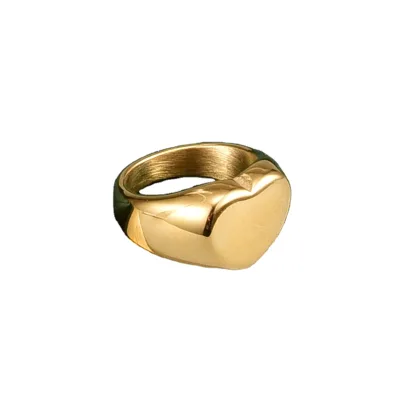
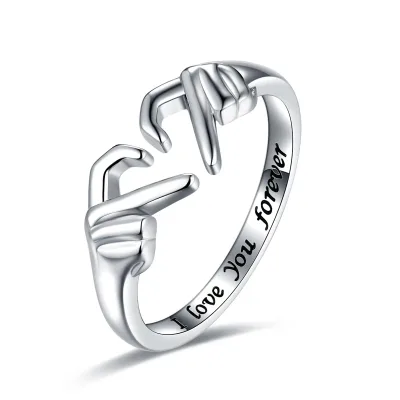


Romantic Love Heart 925 Sterling Silver Ring Amethyst Engagement Ring for Women
$14.70 - $17.69
MOQ: 30 piece


Comprehensive Sourcing Guide
Strategic Sourcing Guide for Heart Signet Rings in Wedding Procurement
Sourcing a Heart Signet Ring for Wedding applications requires a nuanced understanding of the intersection between aesthetic design, material durability, and manufacturing precision. The specific market segment for heart-shaped signet rings often targets couples seeking personalized symbols of commitment, blending traditional signet aesthetics with romantic motifs. For procurement professionals, the challenge lies in navigating a supply chain where product attributes vary significantly between suppliers, yet the core requirements for wedding-grade jewelry remain consistent. This guide synthesizes observed market data and technical specifications to provide a framework for evaluating potential suppliers without relying on unverified claims or specific vendor recommendations.
Technical Specifications and Design Parameters
The foundational element of any procurement strategy for heart signet rings is the precise definition of technical specifications. Based on observed market data, the design landscape for these items includes distinct variations in shape, setting, and fabrication. The primary design attribute observed is the "Heart" shape, often combined with the "Signet Ring" classification, which implies a flat or slightly domed face suitable for engraving or stamping. However, buyers must verify that the specific supplier's inventory aligns with this dual classification, as some listings may feature heart motifs on standard bands rather than true signet faces.
Material composition is a critical differentiator. The market data indicates a prevalence of Stainless Steel and Tungsten Carbide as primary materials. Stainless Steel products are frequently noted for their "Purity Over 90%" and specific features such as being scratch-resistant and nickel-free. Tungsten Carbide variants are similarly described with "90%+ Purity" and high scratch resistance. These material choices directly influence the ring's weight and durability. For instance, observed standards list weights around 15g and 17g for different models, suggesting that buyers should request weight specifications for the specific model number (e.g., K-R1126, R00327) to ensure consistency with their budget and aesthetic expectations.
Ring sizing presents another technical variable. While some products are listed with fixed sizes such as 6, 7, 8, or 9#, others are marketed as "Resizable." The customization service section notes an adjustment range of 5-13 US sizes, which is a significant operational capability for wedding procurement where guest or partner sizes may vary. Buyers must confirm whether the resizing is a post-purchase service or a pre-manufacturing customization option, as this affects lead times and inventory management. Additionally, the setting type is often identified as "Prong Setting" for stones, with the stone itself varying from "Change" (implying customizable or variable stones) to specific "CZ Stone" options.
Material Integrity and Surface Treatment Standards
When evaluating the longevity of a Heart Signet Ring for Wedding use, the surface treatment and fabrication processes are paramount. The observed data highlights "Electroplating" and "Polishing" as common fabrication processes. Electroplating is frequently used to achieve specific color finishes, with "Yellow Gold," "Gold," and "Silver" being the most common attributes. A critical quality indicator is the "Mirror Polishing" surface treatment, which is claimed to provide a "Long-Lasting Shine" and "Anti-Tarnish" properties. For wedding rings, which are worn daily, the anti-tarnish capability is essential to maintain the ring's appearance over years of use.
The material features section explicitly mentions "Nickel-Free" and "Hypoallergenic for Sensitive Skin" properties. This is a vital compliance and safety check for B2B buyers. While the data lists these as attributes, procurement teams must verify that these claims are backed by third-party testing or material certificates, especially since "Nickel-Free" is a regulatory requirement in many jurisdictions for jewelry intended for prolonged skin contact. The "Fade?: No" attribute suggests that the color retention is a key selling point, but buyers should treat this as a performance claim that requires validation through sample testing rather than accepting it as a universal guarantee.
Furthermore, the craftsmanship details, such as "Gem Mounting" and "Glue Stone," indicate the method of stone attachment. For a signet ring with a heart motif, the stability of the stone setting is crucial. The "Casting" process is also noted, which is standard for creating the initial ring form before polishing and plating. Buyers should inquire about the specific casting technique used, as investment casting versus lost-wax casting can impact the final detail and surface finish of the heart design.
Cost Drivers and Pricing Structure Analysis
Understanding the cost drivers for heart signet rings is essential for budgeting and negotiation. The observed price range in the market spans from $0.01 to $18.50 USD, a wide variance that reflects differences in material quality, finishing complexity, and order volume. The Minimum Order Quantity (MOQ) ranges from 1 to 100 units, offering flexibility for both small-scale gift procurement and larger wedding party orders.
Several factors influence the final unit cost. First, the material choice is a primary driver; Tungsten Carbide and high-purity Stainless Steel generally command different price points than base alloys. Second, the customization level significantly impacts cost. Services such as "Engraving" and "Size Adjustment" add value but also increase the per-unit price and production time. Third, the surface treatment, particularly "Mirror Polishing" and multi-layer electroplating for gold or silver finishes, adds processing costs. Finally, packaging plays a role; while some products come in simple "PP Bag" or "OPP Bag" packaging, wedding-grade procurement often requires upgraded packaging solutions, which may be offered as an additional service.
Buyers should note that the "17g" and "15g" standards mentioned in the data represent specific product weights, not universal standards. A heavier ring typically requires more raw material, directly affecting the cost. When negotiating, procurement professionals should request a cost breakdown that isolates material costs, labor for polishing and plating, and customization fees to ensure transparency.
Compliance, Certification, and Safety Verification
In the B2B jewelry sector, compliance is not merely a formality but a risk management necessity. While the provided data lists attributes like "Nickel-Free" and "Hypoallergenic," these are observations that require verification. Buyers must demand evidence of compliance with international safety standards, such as REACH (Registration, Evaluation, Authorization, and Restriction of Chemicals) in Europe or similar regulations in other markets, which strictly limit heavy metals and allergens in jewelry.
The "Standard" field in the data lists values like "17g" and "578cm," which appear to be product-specific dimensions or weights rather than regulatory standards. Procurement teams should not assume these values represent a certification body's standard. Instead, they should verify that the supplier adheres to recognized industry standards for jewelry safety and quality. For instance, the "Stainless Steel (Purity Over 90%)" claim should be supported by a mill test report or a certificate of analysis from the material supplier.
Additionally, the "Logo Service: Offered" and "Customization: Available" attributes suggest that the supplier can apply branding or specific designs. This customization process must also comply with intellectual property rights and safety regulations. If the customization involves laser engraving or stone setting, the supplier should demonstrate that their processes do not introduce hazardous materials or compromise the structural integrity of the ring.
Supplier Evaluation and Quality Control Protocols
Evaluating suppliers for heart signet rings requires a multi-faceted approach focusing on their production capabilities and quality control measures. The data indicates that products originate from "China," a major manufacturing hub for jewelry. However, the location alone does not guarantee quality. Buyers should assess the supplier's "Fabrication Processing" capabilities, specifically their proficiency in "Electroplating," "Polishing," and "Gem Mounting." A supplier with in-house facilities for these processes is generally more reliable than one that outsources critical steps.
Quality control should be a continuous process. Buyers must verify the supplier's inspection protocols for "Mirror Polishing" to ensure there are no scratches or uneven finishes. For the "Prong Setting," a visual and tactile inspection of the stone security is necessary to prevent loss during wear. The "Fade?: No" claim requires accelerated aging tests to validate the durability of the plating.
A comparison of potential suppliers can be structured around the following criteria:
| Evaluation Criterion | Key Verification Points | Risk Indicator |
|---|---|---|
| Material Purity | Certificate of Analysis for Stainless Steel/Tungsten | Claims of >90% purity without documentation |
| Surface Finish | Sample inspection for Mirror Polishing and Tarnish | Visible scratches or dull spots |
| Customization | Proof of Engraving/Size Adjustment accuracy | Inconsistent sizing or shallow engraving |
| Packaging | Verification of PP/OPP bag quality or upgrade options | Damaged goods upon arrival |
| Compliance | REACH/Lead-Free testing reports | Absence of safety certifications |
Typical Applications and Wear Scenarios
The intended usage of the heart signet ring dictates the required durability and aesthetic. The data lists "Wedding," "Decoration," "Gift," and "Gift-Giving" as primary usage scenarios. For wedding applications, the ring must withstand daily wear, including exposure to water, chemicals, and physical impact. The "Wear Scenario" attributes of "Daily Wear," "Casual," and "Business" suggest that these rings are designed for versatility.
The "Heart" design and "Signet" style make these rings particularly suitable for couples' matching sets or as a unique alternative to traditional bands. The "Unisex" and "Male" gender attributes indicate that the design can be adapted for various demographics, though the "Female" attribute is also present, suggesting a range of styles. Buyers should consider the specific context of the wedding; for a formal ceremony, the "Mirror Polishing" and "Gold" finish may be preferred, while for a casual celebration, the "Stainless Steel" and "Silver" options might be more practical.
Long-Term Procurement Considerations
Sourcing for weddings often involves long-term relationships and potential reordering for future events or gifts. The "Customization Service" of "Size Adjustment (5-13 Us Sizes)" is a significant long-term asset, allowing buyers to accommodate future needs without holding excessive inventory. The "Logo Service" also offers opportunities for branding the rings for corporate wedding favors or anniversary gifts.
Buyers should also consider the "prod_packing" specifications. While "PP Bag" and "OPP Bag" are standard, wedding procurement often requires premium packaging to enhance the unboxing experience. Suppliers offering customizable packaging solutions can add value to the procurement strategy. Finally, the "Lead Time" and "MOQ" flexibility are crucial for managing inventory. A supplier with an MOQ of 1 allows for sample testing, while an MOQ of 100 supports bulk orders. Understanding these parameters helps in planning the procurement timeline to ensure rings are ready for the wedding date.
In conclusion, sourcing heart signet rings for wedding applications requires a rigorous approach to verifying technical specifications, material integrity, and supplier capabilities. By focusing on the observed attributes such as "Stainless Steel," "Tungsten Carbide," "Mirror Polishing," and "Nickel-Free" properties, buyers can build a robust supply chain that delivers high-quality, durable, and aesthetically pleasing rings. The key is to treat product attributes as observations to be validated rather than absolute guarantees, ensuring that the final procurement meets the high standards expected for wedding jewelry.
FAQs
Can heart signet rings be resized for wedding guests?
Yes, many suppliers offer size adjustment services ranging from 5 to 13 US sizes. This customization allows you to accommodate varying finger sizes for wedding parties without needing multiple inventory batches.
What materials are used for durable wedding signet rings?
Stainless steel and tungsten carbide are the primary materials observed in the market. These options often feature over 90% purity and are noted for being scratch-resistant and suitable for daily wear.
Which ring sizes are typically available for purchase?
Fixed sizes such as 6, 7, 8, and 9 are commonly listed alongside resizable options. Buyers should verify specific model numbers to confirm if a ring comes in a standard size or requires custom adjustment.
How are the stones set in heart signet rings?
Stones are typically secured using a prong setting or glued directly into the design. Some listings specify the use of CZ stones, while others allow for variable stone choices depending on the supplier.
What surface treatments ensure long-lasting shine?
Mirror polishing and electroplating are standard processes used to achieve a long-lasting shine and anti-tarnish finish. These treatments help maintain the ring's appearance during daily wear and wedding ceremonies.
Can suppliers provide engraving services for these rings?
Yes, customization services often include engraving and size adjustments to meet specific wedding needs. Buyers should confirm the available customization range and any associated lead times before placing bulk orders.
Are these rings suitable for sensitive skin?
Many products are explicitly described as nickel-free and hypoallergenic for sensitive skin. This feature is critical for wedding rings intended for prolonged daily wear by all guests.