Source Heart Shape Wooden Jewelry Box for Gift, Storage, Collection
Compare 30 Heart Shape Wooden Jewelry Box options from verified suppliers. Buyers can evaluate customization, surface handling, and packaging details for jewelry, cosmetics, and electronics applications.
Key considerations
Products List


Wooden Jewelry Box Organiser, Keepsake Box, Treasure Chest, Jewellery Holder
$3.45 - $4.85
MOQ: 500 Pieces


Wooden Watch Jewelry Box with Lock Glass Box Jewelry Double Storage Box
$17.00 - $20.27
MOQ: 50 Pieces






Comprehensive Sourcing Guide
Strategic Sourcing Guide for Heart Shape Wooden Jewelry Boxes
Understanding Product Attributes and Design Variations
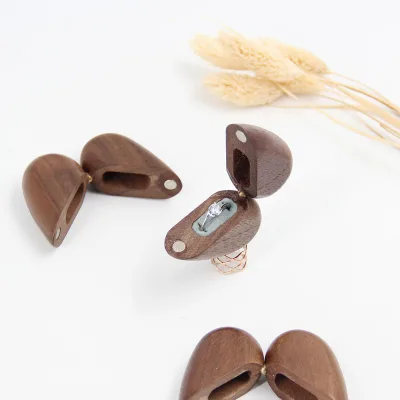
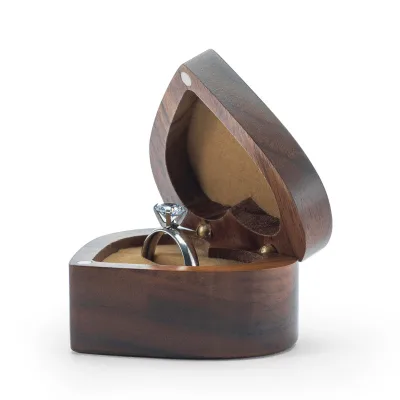
When sourcing a Heart Shape Wooden Jewelry Box, buyers must first navigate the diverse landscape of available product attributes. The core material for these items is consistently identified as solid wood, offering a natural aesthetic that appeals to luxury and gift markets. While the specific heart shape is the primary design intent, the product data indicates that manufacturers often produce boxes in standard geometric forms such as rectangles and squares, which may be adapted or marketed with heart-shaped motifs or internal configurations. The style of these boxes varies significantly, ranging from simple and functional designs to luxury-oriented pieces that emphasize high-end finishes.
Surface handling techniques play a critical role in the final appearance and durability of the box. Available processes include aqueous coating, varnishing, and embossing. These treatments not only enhance the visual appeal but also provide a layer of protection for the wood. For branding purposes, suppliers typically offer multiple logo application methods, including silk screen printing, hot stamping, laser engraving, and UV printing. This flexibility allows buyers to customize the product for specific brand identities or promotional campaigns. The packaging for these items is equally varied, with options ranging from standard export cartons to specialized inner boxes, bubble bags, or mail boxes, depending on the order volume and shipping requirements.
Technical Specifications and Customization Capabilities
The technical specifications for wooden jewelry boxes are highly customizable, reflecting the flexible nature of the manufacturing sector. Buyers should expect to find products with specific model numbers, such as ZY-V002, ZY-20231081, and various MY-JB series identifiers, which denote different production runs or design iterations. While some listings provide specific dimensions like 11.511.55cm or 10106cm, these are often examples of standard sizes rather than fixed constraints. The "prod_standard" field frequently indicates that dimensions and specifications are tailored to the customer's request.
A crucial technical aspect is the opening mechanism. The data highlights the "Clamshell" open way as a specific feature for certain models, which is particularly relevant for jewelry boxes as it allows for easy access and secure closure. The hardness of the wood is another specification to consider; while some listings note a "Soft" hardness, this likely refers to the finish or a specific type of wood used for the exterior, whereas the structural integrity relies on the solid wood core. Customization is a central pillar of this product category, with OEM and ODM services widely accepted. This means buyers can request changes to the shape, size, internal layout, and external finish to meet specific market demands. The availability of customized packaging further supports the creation of a unique unboxing experience for end consumers.
Compliance, Fire Safety, and Material Standards
Compliance and safety standards are paramount when sourcing wooden products, especially those intended for the jewelry, cosmetics, and food sectors. The product data references a robust set of fire retardant standards, including ISO, ANSI, EBS, BS, and CAL (California) standards. These certifications are essential for ensuring that the wooden boxes meet safety regulations in various global markets, particularly in North America and Europe. The shape of the box, whether rectangle, square, or heart, must adhere to these fire safety protocols during the manufacturing process.
Beyond fire safety, buyers must verify material safety certifications. The supply chain data mentions test reports for FDA, Ca65 (California Proposition 65), and Reach compliance. These are critical for products that may come into contact with skin, cosmetics, or food items, ensuring that the wood, glues, and surface coatings do not contain harmful substances. While FSC certification is mentioned in background notes, buyers should explicitly request proof of sustainable forestry practices if this is a priority for their brand. The "prod_standard" field often lists "customized," which implies that the manufacturer can tailor the compliance documentation to meet the specific regulatory requirements of the buyer's target market. It is imperative to verify that the specific batch of heart-shaped boxes being ordered carries the necessary test reports and certifications before finalizing the purchase.
Cost Drivers and Minimum Order Quantity Analysis
The cost structure for wooden jewelry boxes is influenced by several key factors, including material selection, customization complexity, and order volume. The observed price range in the market spans from $0.68 to $110 USD, a wide variance that reflects the difference between basic, mass-produced units and high-end, fully customized luxury boxes. The minimum order quantity (MOQ) is a significant cost driver, with observed ranges between 20 and 1000 pieces. Some suppliers may require an MOQ of 1000 pieces for standard models, while others might offer lower thresholds for customized orders, though this often comes with a sample fee, such as the $50 USD fee noted in the data.
Lead times also impact the overall cost and supply chain planning. Mass production lead times typically range from 25 to 55 days, depending on the complexity of the customization and the current production schedule. Buyers should factor in these timelines when planning inventory for seasonal peaks, such as Valentine's Day or Christmas, where heart-shaped boxes are in high demand. The choice of surface handling, such as embossing or UV printing, can add to the unit cost compared to standard varnishing. Additionally, the packaging requirements, whether standard export cartons or custom-branded mail boxes, will influence the final landed cost. Understanding these variables allows buyers to negotiate more effectively and budget accurately for their procurement needs.
Typical Applications and Market Segmentation
Heart shape wooden jewelry boxes serve a diverse range of applications beyond simple storage. The product data lists usage categories including jewelry, cosmetics, health care products, drinks, electronics, food, toys, and general gift-giving. This versatility makes them suitable for a wide array of industries. In the jewelry sector, these boxes are often used as premium packaging for rings, necklaces, and earrings, where the heart shape adds an emotional value to the product. For cosmetics and health care products, the wooden box provides a sustainable and elegant container for creams, lotions, or essential oils.
The "Luxury" style designation suggests that these boxes are frequently targeted at high-end markets where presentation is as important as the product itself. Conversely, the "Simple" and "Cartoon" styles indicate that there is also a market for more playful or everyday use cases, such as toy packaging or promotional giveaways. The ability to customize the logo and design allows brands to align the packaging with their specific identity, whether it is a high-fashion jewelry brand or a health-conscious wellness company. The "Packing, Storage, Collection, Gift" usage categories further highlight the dual function of these boxes as both protective containers and decorative items that can be kept by the consumer.
Supplier Evaluation and Quality Control Protocols
Evaluating suppliers for wooden jewelry boxes requires a rigorous approach to ensure consistency and quality. Buyers should verify the supplier's location, with Caoxian, China, being a noted origin point for these products. This region is known for its woodworking industry, but buyers must still conduct due diligence regarding the supplier's specific capabilities. Key evaluation criteria include the supplier's ability to meet fire retardant standards, their track record with FDA and Reach certifications, and their capacity for OEM/ODM services.
Quality control should be integrated into the procurement process from the outset. Buyers must inspect samples for surface finish quality, ensuring that aqueous coating, varnishing, or embossing is applied evenly without defects. The structural integrity of the clamshell opening mechanism should be tested to ensure it opens and closes smoothly without damaging the wood. Additionally, the hardness and finish of the wood should be checked to ensure it meets the specified "Soft" or other hardness requirements. It is advisable to request a production sample before committing to a large order to verify that the final product matches the design specifications and quality expectations.
Long-Term Procurement and Sustainability Considerations
For long-term procurement, buyers should consider the sustainability and scalability of their supply chain. The use of solid wood is a positive attribute, but verifying the source of the wood is crucial for environmental compliance. While FSC certification is a background note, buyers should actively seek suppliers who can provide documentation on sustainable forestry practices. The ability to customize packaging and design allows for long-term brand consistency, which is essential for building customer loyalty.
Scalability is another important factor. As demand grows, the supplier must be able to maintain quality while increasing production volumes. The lead time of 25-55 days suggests that production is not instantaneous, so buyers should plan for adequate lead time to avoid stockouts. The flexibility of the MOQ and the acceptance of OEM/ODM services indicate that suppliers are generally willing to adapt to changing market needs. By maintaining a strong relationship with a reliable supplier, buyers can ensure a steady supply of high-quality heart shape wooden jewelry boxes that meet their evolving business requirements.
Comparative Overview of Product Features
To assist in decision-making, the following table summarizes the key features and variations observed in the market for wooden jewelry boxes. This comparison highlights the diversity in specifications, allowing buyers to identify the options that best fit their specific needs.
| Feature Category | Standard Options | Customization Options |
|---|---|---|
| Material | Solid Wood | Custom Wood Types |
| Shape | Rectangle, Square | Heart Shape, Custom |
| Surface Handling | Aqueous Coating, Varnishing | Embossing, UV Printing |
| Logo Application | Silk Screen, Hot Stamping | Laser Engraving, Custom |
| Fire Standards | ISO, ANSI, BS, CAL | Custom Compliance |
| Packaging | Standard Export Carton | Custom Box, Mail Box |
| MOQ | 20 - 1000 PCS | Negotiable |
| Lead Time | 25 - 55 Days | Variable |
This structured approach to sourcing ensures that buyers can make informed decisions based on verified data and industry standards, ultimately leading to successful procurement outcomes for heart shape wooden jewelry boxes.
FAQs
What customization options are available for wooden jewelry boxes?
Suppliers offer extensive customization including logo application via silk screen, hot stamping, laser engraving, and UV printing. Buyers can request specific shapes like rectangles or squares, along with tailored packaging and surface handling techniques such as varnishing or embossing to meet brand requirements.
Which fire retardant standards do these wooden boxes meet?
The products comply with multiple fire retardant standards including ISO, ANSI, EBS, BS, and CAL. These certifications ensure safety for use in various sectors like jewelry and cosmetics, though specific batch compliance should be verified against the requested test reports.
How long is the mass production lead time for orders?
Mass production typically takes between 25 to 55 days depending on the order complexity and customization level. Buyers should plan their inventory cycles around this timeframe to ensure timely delivery for seasonal events or specific market launches.
What is the minimum order quantity for these wooden boxes?
The minimum order quantity ranges from 20 to 1000 pieces depending on the specific model and customization needs. Some standard models may require 1000 pieces, while others might accept lower quantities, often accompanied by a sample fee for prototype verification.
Can buyers request custom packaging for their orders?
Yes, customized packaging is available and includes options like standard export cartons, bubble bags, inner boxes, or mail boxes. This flexibility allows brands to create a unique unboxing experience while ensuring the products are protected during international shipping.
Which surface handling processes are used on these boxes?
Available surface handling processes include aqueous coating, varnishing, and embossing to enhance durability and visual appeal. These treatments protect the solid wood material while allowing for different textures and finishes suitable for luxury or simple design styles.
What materials are used to construct these jewelry boxes?
The boxes are primarily constructed from solid wood, providing a natural aesthetic and structural integrity. Some listings specify wooden materials with soft hardness finishes, ensuring a premium feel while maintaining the durability required for repeated use in jewelry storage.