Source Heat Resistant Ceramic Mica Roll for HVAC, Pipes, and Wiring
Compare 30 listings for Heat Resistant Ceramic Mica Roll suitable for pipe insulation, HVAC systems, and electrical wiring. Buyers can evaluate specifications like temperature ratings, thickness, and material purity from verified Chinese manufacturers.
Key considerations
Products List


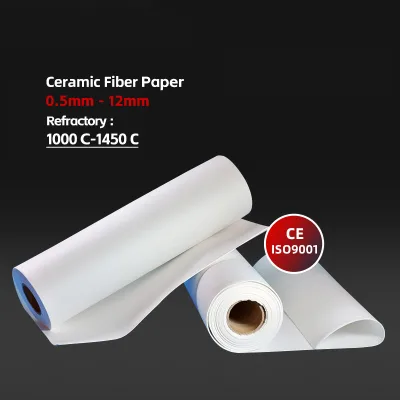


Comprehensive Sourcing Guide
Strategic Sourcing Guide for Heat Resistant Ceramic Mica Rolls
Navigating the global market for heat resistant ceramic mica rolls requires a disciplined approach that balances technical performance with supply chain reliability. Buyers in the industrial sector often seek materials capable of withstanding extreme thermal environments while maintaining electrical insulation properties. The core keyword, Heat Resistant Ceramic Mica Roll, points to a specific class of inorganic insulation products used across diverse industries including HVAC, automotive wiring, and heavy industrial applications. This guide synthesizes available market data and technical observations to provide a structured framework for procurement professionals. The objective is to equip buyers with the knowledge to evaluate product attributes, verify supplier claims, and manage the total cost of ownership without relying on unverified marketing assertions.
Technical Specifications and Material Composition
The foundation of any successful procurement strategy for ceramic-based insulation lies in a precise understanding of material composition and physical specifications. Based on observed market data, products in this category frequently utilize inorganic insulation chemistry, with alumina ceramic serving as a primary material component. The purity of this material is a critical determinant of performance, with high-grade offerings often citing a purity level of 99%. This high purity is essential for achieving the desired refractoriness, which defines the material's ability to withstand high temperatures without deforming or melting.
Temperature resistance is a defining characteristic of these rolls. Observed specifications indicate that products can withstand temperatures ranging from 1050°C to 1400°C, with some specialized variants rated for even higher thermal thresholds. The refractoriness of certain ceramic types is documented within the range of 1580°C to 1770°C, a metric that buyers must verify against their specific operational requirements. It is important to note that thermal ratings are not uniform across all listings; some products may carry a thermal rating of 200°C, while others are engineered for significantly higher extremes.
Physical dimensions also vary widely depending on the application. Thickness specifications observed in the market range from 0.2mm to 0.8mm for standard ceramic tubes and sheets, while silicone-based alternatives may offer thicknesses between 1mm and 20mm. The shape of the product is often customizable, allowing for plate, tube, or roll configurations. For instance, specific model numbers such as R-5461-PG and R-5461-COMBI G indicate distinct product lines, while others like ST043016 or RY-31 represent different structural or chemical compositions. Buyers must ensure that the selected thickness and shape align with the mechanical constraints of their installation environment.
Compliance, Certification, and Safety Standards
In the realm of industrial insulation, compliance is not merely a formality but a prerequisite for operational safety and regulatory adherence. When sourcing heat resistant ceramic mica rolls, buyers should prioritize suppliers who can provide third-party verification of their product quality. The presence of certifications such as SGS is a strong indicator of a supplier's commitment to quality control and material integrity. However, the absence of a specific certification in a listing does not automatically disqualify a product; rather, it necessitates a direct inquiry to the supplier regarding their testing protocols.
Standards for these materials are often customized to meet specific customer requests rather than adhering to a single universal norm. The "prod_standard" attribute frequently appears as "Customized" or "According to customer request," suggesting that the industry relies heavily on bespoke specifications. Buyers must therefore be prepared to define their own standards or request that the supplier adhere to recognized international standards for inorganic insulation. It is crucial to verify if the product meets the necessary safety requirements for the intended voltage application, as some ceramic insulation products are rated for maximum voltages between 20KV and 100KV.
While some background information mentions potential compliance with regulations like REACH, this should be treated as a background observation rather than a guaranteed attribute of every listed product. Procurement teams must explicitly request documentation confirming that the raw materials, including alumina cement or silicone rubber, comply with relevant environmental and safety regulations for the destination market. Relying on assumed compliance can lead to significant logistical and legal complications, particularly when importing materials from regions with varying regulatory frameworks.
Cost Drivers and Pricing Dynamics
Understanding the cost structure of heat resistant ceramic mica rolls is essential for budgeting and negotiating effective procurement contracts. The observed price range in the market is exceptionally broad, spanning from $0.03 to $14,000 USD. This vast disparity is not indicative of a single product type but rather reflects the diversity of applications, material purity, and customization levels. A low-cost item may be a standard, off-the-shelf component with minimal customization, while a high-cost item likely represents a specialized, high-purity ceramic solution with complex manufacturing requirements.
Several factors drive these cost variations. First, the material composition plays a significant role; high-purity alumina ceramic commands a premium over standard inorganic mixes. Second, the level of customization, including specific dimensions, shapes, and packaging requirements, directly impacts the final price. Third, the production volume and the associated Minimum Order Quantity (MOQ) influence unit costs. The observed MOQ range spans from 1 unit to 5,000 units, indicating that buyers can source small batches for prototyping or large volumes for mass production, with pricing likely adjusted accordingly.
Packaging also contributes to the overall cost. Products are typically shipped in sea-worthy wooden cases, plywood cases, or wooden pallets, depending on the specific model and origin. The choice of packaging must balance protection during transit with cost efficiency. Buyers should request detailed quotes that break down material costs, customization fees, and logistics expenses to ensure transparency. The attribute "Competitive Price" is frequently cited, but this is a qualitative claim that requires validation through comparative analysis of similar specifications from multiple suppliers.
Typical Applications and Performance Requirements
Heat resistant ceramic mica rolls are versatile materials deployed across a wide spectrum of industrial sectors. The primary applications identified in the market include pipe insulation, HVAC systems, electrical insulation, and automotive wiring. In the HVAC sector, these rolls provide critical thermal protection for ductwork and piping, ensuring energy efficiency and safety. For electrical applications, the material's insulating properties are paramount, particularly in environments where high voltages up to 100KV are present.
The automotive industry utilizes these materials for wiring insulation, where resistance to heat, corrosion, and wear is essential. The observed features of these products often include heat resistance, corrosion resistance, wear resistance, and impact resistance. Some variants, such as rubber-based sheets, are specifically designed for industrial flooring and printing applications, offering properties like cold resistance and antiskid performance. The versatility of the material allows it to serve as a heat-resistant material in general industrial use, where durability and safety are non-negotiable.
When selecting a product for a specific application, buyers must match the material's thermal rating to the operational temperature of the environment. For instance, a product with a thermal rating of 200°C may be suitable for general industrial use but insufficient for high-temperature furnace applications requiring 1400°C resistance. Additionally, the chemical nature of the insulation, whether inorganic or silicone-based, must be compatible with the surrounding media to prevent degradation over time.
Supplier Evaluation and Geographic Considerations
Evaluating suppliers for heat resistant ceramic mica rolls requires a thorough assessment of their capabilities, location, and production standards. The primary production hubs for these materials are located in China, with specific origins noted in Shandong and Shanghai. These regions are known for their robust manufacturing infrastructure and supply chain networks. However, the geographic location of the supplier can impact lead times, shipping costs, and the ease of communication.
Buyers should prioritize suppliers who offer customization services, as this indicates a higher level of technical capability and flexibility. The ability to customize the product standard, shape, and packing is a significant advantage for buyers with unique requirements. When evaluating potential partners, it is essential to verify their production capacity and quality control processes. The presence of specific model numbers and detailed specifications in their catalog suggests a mature product line, whereas vague descriptions may indicate a lack of technical depth.
Furthermore, the supplier's commitment to quality assurance should be evident in their documentation and communication. Buyers should request samples, test reports, and certification documents before placing a large order. The observed use of "Sea-Worthy Wooden Case" and "Plywood Case" for packaging suggests that these suppliers are experienced in international shipping, but buyers must still confirm the specific packaging requirements for their destination to avoid damage during transit.
Quality Control and Long-Term Procurement Strategy
Implementing a robust quality control (QC) strategy is vital for ensuring the long-term reliability of heat resistant ceramic mica rolls. Given the critical nature of these materials in safety-critical applications, buyers should establish clear acceptance criteria based on the observed specifications. Key QC checkpoints include verifying the material purity, measuring the thickness and dimensions against the ordered specifications, and testing the thermal and electrical properties.
For long-term procurement, buyers should consider the total cost of ownership rather than just the initial purchase price. This includes factors such as the lifespan of the material, maintenance requirements, and the potential cost of replacement. High-purity ceramic materials, while potentially more expensive upfront, often offer superior longevity and performance, reducing the frequency of replacements and downtime.
Developing a strategic relationship with a reliable supplier is also crucial. Buyers should aim to work with partners who can provide consistent quality, timely delivery, and responsive technical support. The ability to customize products and adapt to changing requirements is a valuable asset in a dynamic market. By maintaining open communication and setting clear expectations, buyers can mitigate risks and ensure a steady supply of high-quality insulation materials.
Comparative Analysis of Product Attributes
To facilitate decision-making, the following table summarizes key attributes observed in the market for heat resistant ceramic mica rolls and related insulation products. This comparison highlights the diversity of specifications and helps buyers identify the most suitable options for their specific needs.
| Attribute | Observation 1 | Observation 2 | Observation 3 |
|---|---|---|---|
| Material | Alumina Ceramic | Silicone Rubber | Alumina Cement |
| Purity | 99% | N/A | N/A |
| Max Temp | 1400°C | 200°C | 1770°C (Refractoriness) |
| Thickness | 0.2-0.8mm | 1-20mm | Customizable |
| Application | Electrical Insulation | Industrial Flooring | Pipe Insulation |
| Certification | SGS | N/A | N/A |
| Origin | Shandong, China | Shanghai, China | China |
| Packing | Wooden Case | Plywood Case | Wooden Box |
| Voltage | 20KV~100KV | N/A | N/A |
This table illustrates that no single product satisfies all criteria; instead, buyers must select based on their specific operational constraints. For example, a high-voltage electrical application would prioritize the Alumina Ceramic option with 99% purity and a 100KV rating, while an industrial flooring project might favor the Silicone Rubber option with its specific wear and cold resistance features.
Final Procurement Recommendations
Sourcing heat resistant ceramic mica rolls is a complex process that demands careful attention to technical details, supplier capabilities, and quality assurance. By adhering to the guidelines outlined in this guide, buyers can navigate the market effectively and secure materials that meet their rigorous performance standards. The key to success lies in verifying all claims, understanding the nuances of material specifications, and building strong relationships with suppliers who can deliver consistent quality. As the market continues to evolve, maintaining a proactive and informed approach will ensure that procurement strategies remain robust and adaptable to future challenges.
FAQs
What is the maximum temperature resistance for these rolls?
Products can withstand temperatures up to 1400°C, with some specialized variants rated for even higher thermal thresholds. Specific refractoriness ranges from 1580°C to 1770°C depending on the material composition and purity.
Which certifications verify the quality of these insulation materials?
SGS certification is a documented indicator of product quality and material integrity for these inorganic insulation products. Buyers should request third-party verification to ensure compliance with safety and regulatory standards.
Can the product thickness be customized for specific applications?
Yes, thickness specifications range from 0.2mm to 0.8mm for standard ceramic tubes and can be customized for other forms. The shape is also customizable to fit plate, tube, or roll configurations as requested.
What are the typical applications for heat resistant ceramic mica rolls?
These rolls are primarily used for pipe insulation, HVAC systems, electrical insulation, and automotive wiring. They provide critical thermal protection in industrial environments requiring high voltage resistance and durability.
How is the material purity defined for high-grade ceramic rolls?
High-grade offerings often cite a purity level of 99% for alumina ceramic, which is essential for achieving desired refractoriness. This high purity ensures the material withstands extreme thermal environments without deforming.
What packaging options are available for shipping these industrial materials?
Products are typically shipped in sea-worthy wooden cases, plywood cases, or wooden pallets depending on the specific model. Customized packing is also available to meet specific customer shipping requirements.