Source Heat Resistant Car Paint Thinner for Repair, Refinish, and Protection
Find and compare 30 listings for Heat Resistant Car Paint Thinner suitable for car repair, refinish, and protection applications. Evaluate options from Chinese manufacturers offering OEM/ODM services, various packaging sizes, and features like fast drying and low odor.
Key considerations
Products List

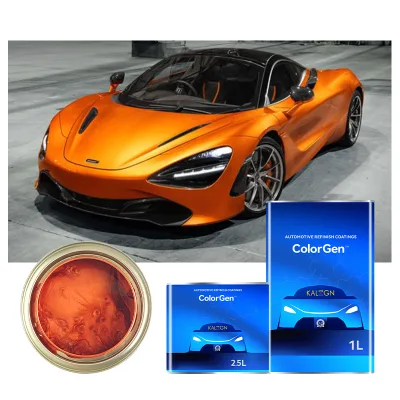


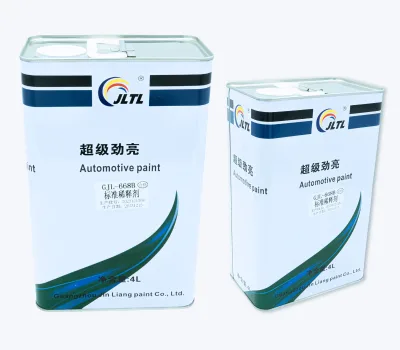
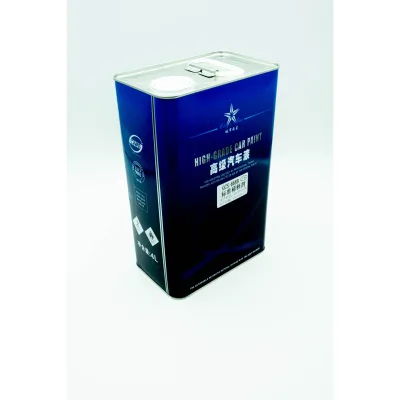


Comprehensive Sourcing Guide
Heat Resistant Car Paint Thinner Sourcing Guide
Sourcing Heat Resistant Car Paint Thinner requires a nuanced understanding of both the chemical composition of the solvent and its specific interaction with automotive clear coats. In the B2B automotive refinish market, thinner is not merely a diluent but a critical component that dictates the flow, leveling, and final gloss of the paint film. Buyers must distinguish between general-purpose reducers and specialized formulations designed to withstand high-temperature curing processes or environmental stressors. The term "heat resistant" in this context often refers to the solvent's ability to evaporate at controlled rates during baking or its stability when mixed with heat-curing resins, ensuring the paint film does not blister, orange-peel, or lose adhesion under thermal load.
Procurement decisions for these materials are heavily influenced by the substrate and the application method. Whether the thinner is intended for iron-based automotive bodies, plastic components, or boat hulls, the chemical compatibility varies significantly. Buyers should verify that the product is labeled as a "Finish Coat" thinner, as base coats and primers have different solvent strength requirements. Furthermore, the distinction between a standard reducer and a specialized heat-resistant variant often lies in the inclusion of specific film-forming matters or additives that enhance weather resistance and antiseptic properties, which are crucial for long-term vehicle protection and durability in harsh climates.
Product Scope and Observed Listing Signals
The current market landscape for automotive thinners reveals a diverse range of product attributes that buyers must navigate. Observed listings indicate a price range of $0.56 to $11.11 USD, with a minimum order quantity (MOQ) spanning from 1 to 3,000 units, suggesting flexibility for both small repair shops and large industrial distributors. Key product names observed include "Clear Coat" and "Thinner," with brands such as "Color Gen" and "MLB MB" appearing in the supply chain. These products are typically supplied in liquid form, packaged in export-standard cartons with configurations like 1Lx12 or 4Lx6, and originate primarily from manufacturing hubs in Guangdong, China.
Technical observations highlight specific chemical identifiers and physical properties that define these products. Many listings cite CAS No. 79-10-7 and MF C3H4O2, which are critical for regulatory compliance and safety data sheet (SDS) preparation. The products are described as having features such as "Long Lasting," "Fast Dry," and "Weather Resistance," with some explicitly labeled as "Heat-Resisting Paint" or possessing "Antiseptic Paint" properties. Buyers should note that while some products are marketed for "Car Paint Thinner" use, others are broader "Industrial Paint" thinners, requiring careful verification of their suitability for automotive refinish applications to avoid performance issues.
Technical Specifications to Verify
When evaluating Heat Resistant Car Paint Thinner, the primary technical verification point is the solvent strength and evaporation rate, which must align with the specific resin system of the clear coat. Buyers should confirm that the thinner is compatible with acrylic-based main raw materials, as indicated by observed product attributes. The mixing ratio is often specified as "As Per Formula," meaning buyers must obtain precise technical data sheets from suppliers to ensure the correct proportion of reducer to paint. Incorrect mixing can lead to poor film formation, reduced gloss, or failure of the heat-resistant properties, making this a critical step in the procurement process.
Another vital specification is the application method and the resulting paint film properties. The observed data indicates that these thinners are designed for spray application using spray guns, which requires the product to have the correct viscosity and solubility. Buyers should verify if the product offers "Strong Solubility" and "Low Odor," as these factors impact both the efficiency of the application and the working environment for technicians. Additionally, the "Formation Mechanism" is noted as "Conversion Type," which implies that the thinner plays a role in the chemical curing process of the paint, rather than just physical drying. This distinction is crucial for ensuring the final coating meets the required durability and heat resistance standards.
Compliance and Safety Documentation
Regulatory compliance is a non-negotiable aspect of sourcing automotive chemicals, particularly those with specific chemical identifiers like CAS No. 79-10-7. Buyers must ensure that suppliers provide up-to-date Safety Data Sheets (SDS) that accurately reflect the product's composition, including the EINECS No. 201-177-9 where applicable. These documents are essential for customs clearance, workplace safety planning, and environmental compliance. The presence of certifications such as ISOCCC and ISO components related to "Solvent" or "Film Forming Matter" suggests a level of quality management, but buyers should verify the scope of these certifications to ensure they cover the specific manufacturing processes and safety standards required for their region.
Environmental and occupational health considerations are also paramount. Many observed products are marketed as "Environmental-Friendl[y]," but buyers must critically assess what this claim entails. This may refer to low volatile organic compound (VOC) content or the absence of certain hazardous substances. The "Low Odor" characteristic is a positive indicator for workplace comfort, but it does not replace the need for proper ventilation and personal protective equipment (PPE). Buyers should also check the shelf life, which is observed to be 2 years, to ensure that the purchased stock will remain effective and stable until use, avoiding waste due to premature degradation.
Cost Drivers and Commercial Terms
The cost of Heat Resistant Car Paint Thinner is influenced by several factors, including the purity of the solvents, the complexity of the formulation, and the packaging specifications. The observed price range of $0.56 to $11.11 USD reflects variations in volume, brand, and specific performance attributes. Buyers should consider the total cost of ownership, which includes shipping, handling, and potential tariffs, rather than just the unit price. The MOQ of 100 liters for some products suggests that bulk purchasing may offer better economies of scale, but it also requires adequate storage space and inventory management capabilities.
Commercial terms such as OEM and ODM services are available from many suppliers, allowing buyers to customize products with their own branding or specific formulation adjustments. This is particularly useful for large distributors or automotive service chains looking to maintain brand consistency. However, customization often comes with higher MOQs and longer lead times. Buyers should also pay attention to the packaging details, such as the single package size of 21x12x8 cm and the gross weight of 1.000 kg, as these affect logistics costs and storage efficiency. Clear agreement on payment terms, delivery schedules, and liability for product defects is essential to mitigate supply chain risks.
Supplier Qualification and Quality Control
Selecting a reliable supplier for Heat Resistant Car Paint Thinner requires a thorough vetting process that goes beyond price comparison. Buyers should verify the supplier's production capabilities, including their ability to maintain consistent quality across batches. The observation of "Competitive Prices" as an advantage should be balanced against the supplier's track record for quality control. It is advisable to request samples for testing before committing to large orders, ensuring that the thinner performs as expected in real-world application scenarios. Suppliers offering ODM/OEM services should also demonstrate robust quality management systems to ensure that custom formulations meet the required specifications.
Quality control should extend to the packaging and labeling of the products. The observed use of "Export Standard Carton" and specific package configurations like 1L12 or 5L4 indicates a level of professionalism in logistics. Buyers should inspect the integrity of the packaging to prevent leaks or contamination during transit. Additionally, verifying the supplier's ability to provide consistent supply, especially for high-demand products, is crucial for maintaining uninterrupted operations. Suppliers with a strong presence in Guangdong, China, may have established logistics networks, but buyers should still confirm lead times and reliability through references or past performance data.
Long-Term Procurement Checks
Long-term procurement success depends on continuous monitoring of product performance and supplier reliability. Buyers should establish a feedback loop with their technicians to assess the real-world performance of the thinner, including its drying time, gloss retention, and heat resistance. Regular audits of supplier quality can help identify potential issues early, such as changes in formulation or packaging quality. Maintaining a diversified supplier base can also mitigate risks associated with supply chain disruptions, ensuring that the business can continue to operate even if one supplier faces challenges.
Furthermore, buyers should stay informed about evolving regulatory requirements and industry standards for automotive chemicals. As environmental regulations become stricter, suppliers may need to update their formulations to comply with new VOC limits or safety standards. Proactively engaging with suppliers about these changes can help buyers stay ahead of compliance issues and ensure that their products remain marketable. Finally, reviewing commercial terms and pricing periodically can help buyers optimize their costs and maintain a competitive edge in the automotive refinish market.
FAQs
What is the main raw material for this Heat Resistant Car Paint Thinner?
The main raw material is acrylic, which provides strong solubility and low odor. This formulation ensures environmental friendliness while effectively mixing with paint for car repair and protection applications.
How is the product applied during car painting processes?
The product is applied using a spray gun as the designated application tool. It functions as a reducer to mix with paint, ensuring fast drying and long-lasting results for panel and overall repair work.
Which certifications does the manufacturer hold for this coating?
The product holds ISO certification, indicating compliance with international standards. This ensures quality control for the solvent-based acrylic coating used in car paint thinner and protective applications.
Can buyers request customization for this car paint thinner?
Yes, customization is available to meet specific client requirements. The supplier offers ODM and OEM services, allowing for tailored formulas while maintaining the core features of weather resistance and heat resistance.
What is the minimum order quantity for this liquid coating?
The minimum order quantity is 100 liters for this specific product listing. Buyers should note that observed MOQs across the market range from 1 to 3000 units depending on the specific supplier.
How long is the shelf life of this heat resistant paint thinner?
The shelf life is 2 years when stored properly. This duration ensures the product maintains its liquid state and strong solubility properties before use in boat, car, or plastic coating applications.