Source Good Ventilation Chicken Cage for Farms, Breeding, and Poultry
Find and compare 27 listings for Good Ventilation Chicken Cage systems designed for layer and breeding operations. These automated setups feature hot-dipped galvanized steel, automatic feeding, and egg collection to support efficient poultry farming in various farm environments.
Key considerations
Products List


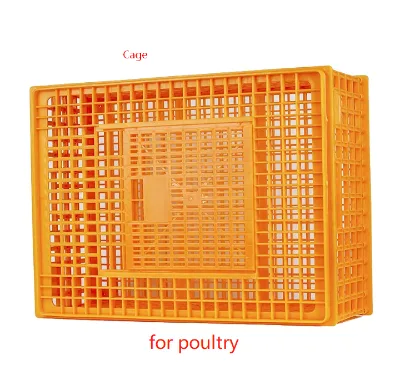
Ventilated Broiler Chicken Cage for Breeding Farm
$145.83 - $147.83
MOQ: 100 Sets
Shandong Huabang Agricultural and Animal Husbandry Machinery Co., Ltd.

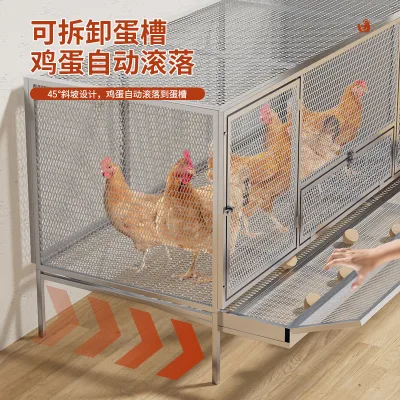
Environment Control Poultry Air Ventilation System Chicken Layer Cage
$250.00 - $275.00
MOQ: 50 Pieces


Comprehensive Sourcing Guide
Good Ventilation Chicken Cage Sourcing Guide
Selecting the right poultry housing system is a critical decision that directly impacts flock health, operational efficiency, and overall farm profitability. Among the various configurations available, the Good Ventilation Chicken Cage stands out as a preferred choice for modern poultry operations, particularly those focused on layer chickens. Effective ventilation is not merely an environmental comfort feature; it is a fundamental biological requirement that regulates temperature, removes harmful gases like ammonia, and controls humidity levels within the housing unit. For buyers sourcing these systems, understanding the interplay between cage design, airflow dynamics, and automated support systems is essential to ensuring long-term viability and animal welfare.
The market for automated poultry housing is robust, with suppliers offering a range of tiered configurations designed to maximize space utilization while maintaining adequate air exchange. Buyers often encounter listings for both A-type and H-type battery cages, each offering distinct advantages in terms of structural stability and ventilation efficiency. The presence of automatic feeding and egg collection systems further complicates the procurement process, as these mechanical components must be seamlessly integrated with the physical cage structure to ensure smooth operation. This guide provides a structured approach to evaluating these systems, focusing on technical verification, compliance, and commercial due diligence to help procurement teams make informed decisions.
Product Scope and Observed Listing Signals
Current market listings indicate a diverse range of automated chicken cage systems, primarily categorized by tier configuration and structural type. Observed data suggests that products are available in 3-tier and 4-tier configurations, with capacities ranging from 120 to 160 heads per set, depending on the specific model and layout. The core keyword "Good Ventilation Chicken Cage" often correlates with H-type or A-type battery cages, which are designed to facilitate natural or forced air circulation. Buyers should note that while many listings emphasize automation, the physical structure of the cage, including wire mesh density and frame spacing, plays a pivotal role in determining the actual ventilation performance of the unit.
In addition to structural variations, listings frequently highlight specific surface treatments and material compositions that influence durability and hygiene. Hot-dipped galvanized steel is a common material specification, offering superior corrosion resistance compared to standard painted or electro-galvanized alternatives. This treatment is particularly important in poultry environments where high humidity and ammonia levels can rapidly degrade untreated metal. Furthermore, the observed price range of 1-400 USD likely refers to individual components or smaller accessory sets rather than complete cage systems, as full automated setups typically involve significantly higher capital investment. Procurement teams must carefully distinguish between component pricing and total system costs to avoid budgetary misalignment.
Technical Specifications to Verify
When evaluating technical specifications, the first priority is verifying the cage type and tier configuration against your farm’s spatial and operational requirements. The observed market offers both 3-tier and 4-tier options, with capacities varying from 90 to 200 chickens per set depending on the manufacturer’s design. It is crucial to confirm whether the system is an A-type or H-type cage, as this determines the footprint and the method of manure removal. H-type cages, for instance, often allow for better vertical airflow and easier maintenance access, which can enhance ventilation efficiency. Buyers should request detailed layout drawings to ensure the chosen configuration aligns with their building dimensions and airflow patterns.
The integration of automated systems is another critical technical area requiring verification. Listings frequently mention automatic feeding systems, egg collection mechanisms, and nipple drinkers as core components. Buyers must ensure that these systems are compatible with the cage structure and that the power source, typically electric, is reliable and accessible. The surface treatment, specifically hot-dipped galvanization, should be confirmed to guarantee longevity in corrosive environments. Additionally, the weight of the cage structure, observed to be around 80kg to 100kg per unit, provides insight into the material thickness and structural integrity. Thicker steel and robust welding are essential for supporting the weight of the birds and withstanding the mechanical stress of automated operations.
Compliance and Safety Documentation
Compliance with international quality and safety standards is a non-negotiable aspect of sourcing poultry equipment. Many suppliers claim adherence to ISO 9001 certification, which indicates a standardized quality management system in their manufacturing processes. Buyers should request valid certification documents to verify that the supplier maintains consistent production standards. While CE marking is also frequently mentioned, particularly for machinery with moving parts like automatic feeders, it is essential to ensure that the certification covers the specific models being purchased. This documentation serves as a baseline assurance that the equipment meets fundamental safety and performance criteria.
Beyond certifications, buyers must verify the warranty and service terms provided by the supplier. A standard one-year warranty is commonly observed, but the scope of this warranty should be clearly defined. It is important to understand whether the warranty covers only manufacturing defects or also includes wear-and-tear components such as motors and gears. Additionally, the availability of installation instructions and technical support is crucial for ensuring proper setup and operation. Suppliers that provide free chicken cage layout designs can offer significant value by optimizing the placement of cages for maximum ventilation and efficiency. Buyers should confirm that these design services are included in the procurement package to avoid costly installation errors.
Cost Drivers and Commercial Terms
The total cost of ownership for a Good Ventilation Chicken Cage system is influenced by several key factors, including material quality, automation level, and customization options. The use of hot-dipped galvanized steel and robust frame structures increases the initial material cost but reduces long-term maintenance expenses. Similarly, the degree of automation, such as the inclusion of computerized control systems for feeding and environmental management, adds to the upfront investment but can significantly improve labor efficiency. Buyers should evaluate these cost drivers against their operational budget and expected return on investment to determine the most suitable configuration.
Commercial terms, including minimum order quantities (MOQ) and payment conditions, vary among suppliers. Observed MOQ ranges from 1 to 100 units, allowing for flexibility in procurement scale. However, buyers should be aware that smaller orders may incur higher per-unit costs due to fixed manufacturing and shipping expenses. Packaging is another consideration, with options ranging from standard export wooden cases to steel frame packing, which can affect shipping costs and product protection during transit. It is advisable to negotiate clear terms regarding delivery lead times and after-sales support to mitigate risks associated with supply chain disruptions.
Supplier Qualification and Quality Control
Supplier qualification is a critical step in ensuring the reliability and quality of the poultry cage system. Buyers should prioritize suppliers with a proven track record in manufacturing automated poultry equipment, particularly those located in established industrial hubs like Hebei and Shandong in China. These regions are known for their concentration of poultry machinery manufacturers, offering a competitive landscape that can drive innovation and cost efficiency. However, geographic location alone is not a sufficient indicator of quality; buyers must conduct thorough due diligence on the supplier’s production capabilities and quality control processes.
Quality control measures should be verified through site visits or third-party inspections if possible. Buyers should inquire about the supplier’s testing procedures for critical components such as motors, gears, and structural welds. The presence of a dedicated quality assurance team and standardized production lines is a strong indicator of consistent product quality. Additionally, suppliers that offer customization services, such as tailored cage layouts or specific material specifications, demonstrate a higher level of technical expertise and customer focus. Buyers should leverage these capabilities to ensure the final product meets their specific operational needs and environmental conditions.
Long-Term Procurement Checks
Long-term procurement success depends on the supplier’s ability to provide ongoing support and spare parts availability. Buyers should establish clear communication channels with the supplier for technical assistance and troubleshooting. The availability of replacement parts, such as nipple drinkers, feed pans, and motor components, is essential for minimizing downtime in case of equipment failure. Suppliers that offer comprehensive service packages, including installation guidance and regular maintenance checks, can significantly enhance the lifespan and performance of the cage system.
Finally, buyers should monitor the supplier’s reputation and customer feedback within the industry. Positive testimonials from other poultry farmers can provide valuable insights into the real-world performance and durability of the equipment. It is also advisable to stay updated on industry trends and technological advancements in poultry housing, as this knowledge can inform future procurement decisions. By maintaining a proactive approach to supplier management and continuous improvement, buyers can ensure that their poultry operations remain efficient, productive, and compliant with evolving industry standards.
FAQs
How is ventilation managed in these chicken cages?
These cages feature automatic feeding systems and are designed for layer chickens to ensure proper airflow. The structure supports breeding and heat preservation while maintaining a clean environment for the poultry.
What materials are used for the cage construction?
The cages are constructed from steel with a hot-dipped galvanized surface treatment for durability. This material choice ensures a long service life and resistance to corrosion in farm environments.
Which capacity options are available for the cages?
Capacity options include 3-tier models holding 120 heads or 4-tier models holding 128 to 160 heads. Some sets can accommodate between 90 to 200 chickens depending on the specific configuration.
Can the cages be customized for specific farm layouts?
Yes, customization is available including free chicken cage layout design services. Buyers can also request specific packing methods like wooden boxes or steel frames to suit their shipping needs.
What certifications do the manufacturers hold?
Manufacturers hold ISO9001 certification and some products carry CE certification for quality assurance. These standards ensure the equipment meets international requirements for safety and production management.
How is the feeding system operated in these cages?
The system is fully automatic with electric power sources and includes nipple accessories for water delivery. This complete automatic setup reduces labor and improves rearing efficiency for poultry farms.