Source Wear Resistant Motorcycle Chain Sprocket for Bikes
Find a Wear Resistant Motorcycle Chain Sprocket from 30 verified listings. Compare single-row steel options with blacken or zinc plating for motorcycles, agricultural machinery, and general industrial applications. These standard parts feature hardened tooth surfaces and various bore types to suit diverse mechanical needs.
Key considerations
Products List


Chain Sprocket Custom Sizes Steel Material Bicycle Sprockets and Sprocket Wheel
$1.73 - $25.93
MOQ: 30 Pieces


Hot Selling Factory Supply Standard or Customized Sprocket High Precision
$1.20 - $6.00
MOQ: 20 Pieces
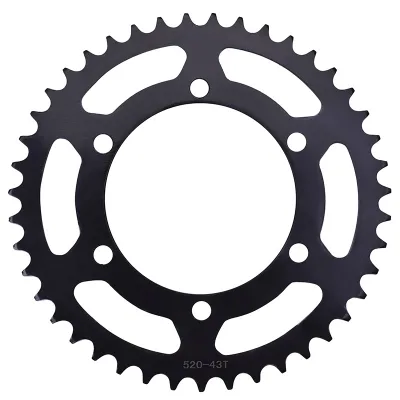


Customized Transmission Gear Wheel Motorcycle Gear Sprocket Chain Wheel
$150.00 - $3000.00
MOQ: 1 Pieces


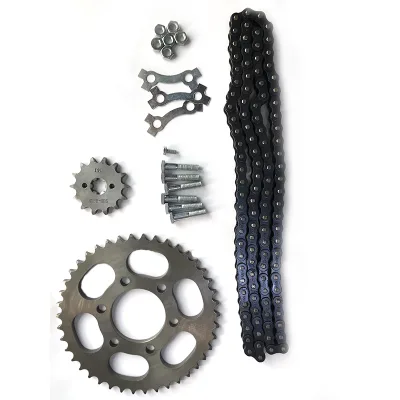
Comprehensive Sourcing Guide
Wear Resistant Motorcycle Chain Sprocket Sourcing Guide
Buyers must first distinguish between single-row and multi-row configurations, as the observed inventory includes both single-row sprockets and options labeled as single, double, or triple rows. The product data indicates a primary focus on single-row units with specific model numbers like 428 and 30B, which are critical for matching the chain pitch of 19.05 mm found in many motorcycle applications. Selecting the correct row count is the first step in ensuring mechanical compatibility and load distribution for the intended vehicle.
The material composition varies significantly across listings, ranging from standard steel to alloy steel, which directly impacts the wear resistance and durability of the component. While some entries specify a hardened tooth surface achieved through case hardening, others list general steel without explicit heat treatment details. Procurement teams should verify the specific alloy grade and heat treatment process for each order to ensure the sprocket can withstand the high-torque demands of motorcycle engines without premature failure.
Product Scope and Observed Listing Signals
The market offers a diverse range of sprocket types, including spur gears and curved gears, with tooth counts spanning from 8t to 125t and specific models like CD100, CG125, and RX100. These variations suggest a broad scope covering everything from small displacement motorcycles to larger agricultural machinery and marine applications. Buyers should carefully cross-reference the listed model numbers with their specific vehicle requirements, as the toothed portion shape and profile (a/B) must align precisely with the chain engagement geometry.
Packaging standards also vary, with options ranging from neutral packages and custom boxes to standard sea-worthy export cases. This variation in packing reflects different logistical needs, from small batch replacements to large industrial shipments. When sourcing, buyers must confirm that the packaging method protects the surface treatments, such as zinc plating or blackening, during transit to prevent corrosion or physical damage before the product reaches the assembly line.
Technical Specifications to Verify
Verification of the bore type is essential, as the supply chain lists both taper bore and pilot bore options to accommodate different shaft designs. The internal width and tooth width specifications, such as the 11.68 mm and 11.1 mm measurements observed, must be measured against the actual chain and shaft dimensions to ensure a proper fit. A mismatch in these critical dimensions can lead to improper seating, excessive vibration, and rapid wear of both the sprocket and the chain.
The manufacturing method, whether cut, forged, or cast, dictates the structural integrity and surface finish of the final product. Listings indicate processes like machining and forging alongside casting, each offering different trade-offs between precision and cost. Buyers should request detailed drawings or samples to confirm that the manufacturing method supports the required hardness and tooth radius, ensuring the component meets the rigorous performance standards of motorcycle drivetrains.
Compliance and Safety Documentation
While some suppliers cite ISO standards and international specifications, others offer products based on custom drawings or non-standard requirements. It is crucial to verify that the stated standard, such as 36B-3 or 12B-1-2-3, aligns with the specific regulatory environment of the destination market. Procurement teams should not assume compliance based on general claims but must request explicit documentation proving that the sprocket meets the relevant safety and quality benchmarks for the intended application.
Surface treatment processes like zinc plating and black oxide are listed as standard options, yet their effectiveness depends on the thickness and adhesion quality of the coating. Buyers should require test reports or certificates of analysis to confirm that the surface treatment provides adequate corrosion resistance for the operating environment. Without verified documentation, the risk of premature rusting and subsequent mechanical failure increases significantly, especially in marine or outdoor agricultural applications.
Cost Drivers and Commercial Terms
The observed price range of 0.5 to 3000 USD reflects the vast difference between small replacement parts and large industrial sprockets, influenced heavily by material costs and manufacturing complexity. Alloy steel and case-hardened components typically command higher prices than standard steel due to the additional processing steps required. Buyers must analyze the total cost of ownership, considering that a higher initial price for a more durable alloy sprocket may result in lower long-term replacement costs.
Minimum Order Quantities (MOQ) vary from 1 to 1000 units, allowing flexibility for both small repair shops and large-scale manufacturers. The customization availability noted in the data suggests that buyers can negotiate specific model numbers or packing requirements, which may affect the unit price and lead time. Understanding the MOQ thresholds is vital for budgeting, as ordering below the threshold might incur premium charges or require consolidation with other orders to achieve cost efficiency.
Supplier Qualification and Quality Control
Supplier origins are primarily noted as China, with specific mentions of Sichuan, indicating a concentrated manufacturing hub for these components. Buyers should assess the supplier's capacity to maintain consistent quality across different production batches, especially given the variation in manufacturing methods like casting versus forging. Establishing a clear quality control protocol is necessary to ensure that every sprocket meets the specified hardness and dimensional tolerances before shipment.
The manipulation method, described as forced manipulation with stepped changes, implies specific handling requirements during the manufacturing and assembly process. Quality control teams must verify that the supplier has robust procedures to manage these steps without introducing defects or inconsistencies. Regular audits and sample testing are recommended to confirm that the supplier's internal controls align with the buyer's expectations for product reliability and performance.
Long-Term Procurement Checks
Sourcing for wear-resistant components requires a strategy focused on long-term reliability rather than just initial cost savings. Buyers should establish a feedback loop with suppliers to monitor the performance of sprockets in the field, tracking metrics like tooth wear rates and failure frequencies. This data-driven approach allows for continuous improvement in product selection and helps identify any systemic issues with specific models or manufacturing batches.
Standardization of models and specifications across different orders can streamline the procurement process and reduce the risk of compatibility errors. By consolidating requirements around proven models like 428 or 30B, buyers can leverage volume discounts and simplify inventory management. Regular reviews of the supplier's ability to meet international standards and maintain consistent surface treatments will ensure that the supply chain remains resilient and capable of supporting long-term operational needs.
FAQs
What materials are used for wear resistant motorcycle chain sprockets?
These sprockets are typically manufactured from high-quality steel or alloy steel to ensure durability and resistance to wear. The materials are selected for their ability to withstand high stress and friction during operation. This construction supports long service life in demanding motorcycle applications.
Can these sprockets be customized for specific motorcycle models?
Yes, customization is available for various motorcycle models such as CG125, RX100, and DR750. Manufacturers can produce sprockets based on your specific drawings or international standards. This flexibility ensures a precise fit for different bike types and performance requirements.
What surface treatments are applied to improve sprocket longevity?
Common surface treatments include blackening and zinc plating to prevent corrosion and enhance wear resistance. Some variants also feature case hardening and black oxide finishes. These processes protect the metal surface, extending the functional life of the sprocket in harsh environments.
Which standards do these sprockets comply with?
These sprockets comply with international standards and can be produced according to specific customer drawings. Standards such as ISO are often referenced for quality assurance. This ensures consistency and reliability in manufacturing, meeting global industry expectations for motorcycle components.
What is the typical packaging for these sprockets?
Packaging options include carton packages, neutral packages, custom boxes, and standard sea-worthy export cases. These methods protect the sprockets during transit and storage. The choice of packaging depends on order size and specific shipping requirements to ensure safe delivery.
How many teeth are available for these sprockets?
Teeth counts typically range from 8t to 125t, with common options like 10-60t for standard applications. Specific models may have defined tooth counts to match chain pitch. This variety allows for precise gear ratio selection to optimize motorcycle performance and handling.