Source Heat Soak Tested Tempered Glass for building, furniture, and windows
Find 30 listings for Heat Soak Tested Tempered Glass suitable for building, furniture, and window applications. Buyers can compare specifications including thickness, dimensions, and packing options from suppliers in Suzhou, China.
Key considerations
Products List


Tempered Glass, Insulating Glass, Laminated Glass, Heat Soak, Self-Cleanging Glass
$6.00 - $18.00
MOQ: 1 Square Meters


6mm Heat Soak Test Bird Friendly Tempered Glass with Acid Etched Strips
$10.00 - $20.00
MOQ: 100 Square Meters
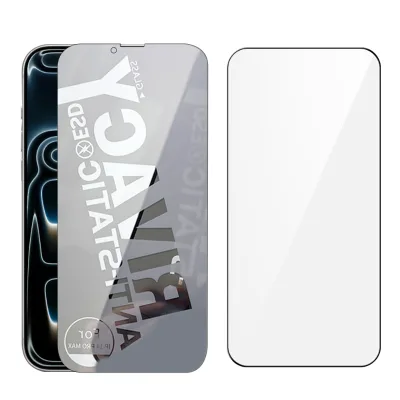


High Quality Tempered Clear Glass
$5.00 - $25.00
MOQ: 100 Square Meters
Jiangmen Jianghai District Yuan Qiang Safety Glass Co., Ltd.

Tempered Glass Good Laminated Glass - Heat Strengthened, Free Sample Included
$15.00 - $30.00
MOQ: 3 Square Meters
Jiangmen Jianghai District Yuan Qiang Safety Glass Co., Ltd.


Comprehensive Sourcing Guide
Strategic Sourcing Guide for Heat Soak Tested Tempered Glass
Procuring heat soak tested (HST) tempered glass requires a rigorous approach that balances technical performance with supply chain reliability. For buyers in the construction, furniture, and appliance sectors, the distinction between standard tempered glass and glass subjected to heat soak testing is critical for long-term safety and structural integrity. This guide synthesizes available market data and technical requirements to provide a framework for evaluating suppliers and specifications without relying on unverified claims or specific vendor recommendations.
Technical Specifications and Material Composition
The foundation of any HST glass procurement lies in understanding the material properties and manufacturing standards. Based on observed market data, tempered glass is primarily characterized by its physical tempering process, which induces compressive stresses on the surface to enhance strength. The product attributes indicate that the base material is often Float Glass, which undergoes a heating and rapid cooling process to achieve the "Tempered" or "Super-Tempered" steel degree.
Thickness is a primary variable in specification. Market observations reveal a wide range of available thicknesses, specifically noting values such as 5mm, 6mm, 12mm, and up to 19mm for flat tempered glass. The standard thickness range for general applications often spans from 3mm to 19mm. Buyers must verify that the specific thickness selected aligns with the structural load requirements of the intended application, whether for building facades, furniture, or electronic instruments.
The physical state of the glass is another critical specification. The product is described as having a "Flat" shape with "Flatness" conforming to high-class standards. The color options typically include Clear, Ultra Clear, Blue, Green, Grey, and Bronze. For applications requiring high transparency, such as glass furniture or table tops, the "Ultra Clear" variant is often preferred. The fragment state is a vital safety metric; the data indicates a fragment state of "I," which refers to the number and size of fragments upon breakage, ensuring that the glass shatters into small, relatively harmless pieces rather than large, dangerous shards.
Compliance Standards and Certification Verification
Navigating the complex landscape of international standards is essential for ensuring that the purchased glass meets safety and quality benchmarks. The supplied context highlights specific standards such as GB15763.2, which relates to the steel degree of tempered glass. Additionally, there are references to Australian/New Zealand standards, specifically AS/NZS 2208, which often governs safety glazing materials.
Buyers must exercise caution when interpreting standard references. While some listings mention specific warranty periods or after-sales service linked to standards like AS/NZS 2208, these are often product-specific attributes rather than universal guarantees. The core verification process should focus on confirming that the supplier can provide documentation proving the glass has undergone the heat soak test. This test is designed to eliminate the risk of spontaneous breakage caused by nickel sulfide inclusions, a defect that can cause tempered glass to shatter unexpectedly after installation.
The provided data lists various standard sizes, including 2134x3300mm, 1830x2440mm, and 2134x3660mm, with a maximum size capability reaching up to 3300x12800mm. However, the minimum size is noted as 200mm x 300mm. When evaluating compliance, buyers should not rely solely on the listed "Standard" field in product descriptions but must request specific test certificates that confirm the glass meets the relevant regional safety codes. For instance, while EN 14179 is mentioned in background knowledge, its specific applicability to the supplied product data requires direct verification from the manufacturer, as the provided text does not explicitly confirm EN 14179 compliance for all listed items.
Cost Drivers and Pricing Dynamics
The pricing of Heat Soak Tested Tempered Glass is influenced by several distinct factors, including thickness, dimensions, color, and the complexity of the tempering process. The observed market price range is extensive, spanning from $0.26 to $80,000. This variance reflects the difference between small, standard-sized panes and large, custom-engineered architectural panels.
Thickness is a primary cost driver. Thicker glass, such as the 19mm variants observed, requires more raw material and a more energy-intensive tempering process, leading to higher unit costs. Similarly, the "Ultra Clear" color option typically commands a premium over standard clear glass due to the additional processing required to reduce iron content and increase light transmission.
Customization also plays a significant role in pricing. The data indicates that customization is available, and standard sizes are often just a baseline. Custom cuts, edge grinding, drilling, and the specific requirement for heat soak testing add to the production cost. The production lead time, observed as 1 to 2 weeks, can also impact pricing; rush orders or complex custom specifications may incur additional charges. Buyers should anticipate that the lowest price points often correspond to standard sizes and thicknesses, while the upper end of the price spectrum reflects large-format, custom, or high-specification products.
Typical Applications and Usage Scenarios
The versatility of tempered glass allows it to serve a wide array of applications, from structural building elements to delicate consumer goods. The observed usage categories include Building, Furniture, Home Appliance, Electronics & Instruments, and Daily Products.
In the construction sector, tempered glass is frequently used for doors, windows, and building facades. The high strength and safety features make it ideal for areas with high human traffic or where safety glazing is mandated by code. For furniture applications, the data specifically highlights uses in glass furniture, tabletops, and coffee tables. In these scenarios, the "Flat" shape and "High Class" flatness are crucial for aesthetic appeal and structural stability.
The appliance and electronics sectors utilize tempered glass for instrument panels and protective covers. The "Melting Point" attribute, described as "High Temperature," suggests suitability for environments where thermal resistance is required. Furthermore, the "Dry Laminated Glass" production method mentioned in the data points to applications where additional safety layers are needed, such as in automotive or high-security building applications. The "Wooden Case in Free Fumigation" packing method ensures that the glass arrives in pristine condition, protecting it from moisture and physical damage during transit to these diverse industries.
Supplier Evaluation and Production Capabilities
Selecting a reliable supplier is as important as the product specifications themselves. The data indicates that the primary production origin is Suzhou, Jiangsu Province, China, a region known for its glass manufacturing capabilities. When evaluating potential suppliers, buyers should look for evidence of production capacity. One observed capability metric is 1000 square meters per day, which suggests a facility capable of handling medium to large-scale orders.
The production process details, such as "Physically Tempered" and "Dry Laminated Glass," provide insight into the supplier's technological maturity. Buyers should verify that the supplier has the specific equipment required for heat soak testing, as this is a specialized process that not all tempering lines can perform. The availability of customization, as noted in the product attributes, indicates a flexible manufacturing setup.
Packaging is another critical evaluation point. The data lists various packaging methods, including "Wooden Case," "Wooden Crate in Free Fumigation," and "Carton, Plastic Film Shrinked." For international shipping, the "Free Fumigation" aspect is particularly important to comply with international phytosanitary regulations. Buyers should ensure that the packaging method matches the fragility of the glass and the distance of the shipment to minimize the risk of breakage upon arrival.
Quality Control and Long-Term Procurement Considerations
Ensuring consistent quality requires a robust quality control (QC) framework. The "Fragment State I" and "Flatness Conforming Article" attributes serve as baseline quality indicators. However, for heat soak tested glass, the QC process must extend beyond visual inspection to include rigorous testing protocols. Buyers should request batch-specific test reports that confirm the glass has passed the heat soak test, which typically involves heating the glass to a specific temperature and holding it for a set duration to induce breakage of defective pieces before shipment.
Long-term procurement considerations involve the stability of the supply chain and the consistency of the product. The observed lead time of 1 to 2 weeks suggests a relatively efficient production cycle, but buyers should account for potential delays due to customization or logistics. The "Warranty_After-sales Service_20" mentioned in the context of specific standards indicates that some suppliers offer extended service periods, which can be a valuable differentiator.
Furthermore, the "Standard Size" and "Max/Min Size" specifications highlight the importance of planning. Ordering glass within standard size ranges can reduce costs and lead times, while custom sizes may require longer production windows. Buyers should also consider the "Steel Degree" of the glass; while "Tempered Glass" and "Super-Tempered Glass" are both observed, the specific performance requirements of the project will dictate which grade is necessary.
Comparative Analysis of Product Attributes
To assist in decision-making, the following table summarizes key product attributes observed in the market data, highlighting the variability buyers may encounter.
| Attribute | Observed Values | Procurement Implication |
|---|---|---|
| Thickness | 3-19mm (Specific: 5, 6, 12, 19mm) | Thicker glass increases cost and weight; verify structural needs. |
| Shape | Flat, Flat Tempered | Essential for furniture and architectural glazing; ensures visual uniformity. |
| Color | Clear, Ultra Clear, Blue, Green, Grey, Bronze | "Ultra Clear" is premium; standard clear is cost-effective. |
| Packing | Wooden Case, Crate (Free Fumigation), Carton/Shrink | Free fumigation is critical for international export compliance. |
| Origin | Suzhou, Jiangsu, China | Centralized manufacturing hub; verify logistics and lead times. |
| Standard | GB15763.2, AS/NZS 2208, Customized | Verify specific regional compliance; do not assume universal certification. |
| Fragment State | I | Indicates safety compliance; ensures small, less dangerous shards. |
| Lead Time | 1~2 Weeks | Standard production window; custom orders may vary. |
In conclusion, sourcing Heat Soak Tested Tempered Glass requires a meticulous approach that prioritizes technical verification over marketing claims. By focusing on the specific attributes of thickness, standard compliance, and supplier capabilities, buyers can secure high-quality glass that meets the rigorous demands of modern construction and design. The extensive range of observed specifications offers flexibility, but the responsibility lies with the buyer to validate that the specific product selected aligns with the safety and performance requirements of the final application.
FAQs
What thickness options are available for flat tempered glass?
Available thickness ranges from 3mm to 19mm, with specific options like 5mm, 6mm, 12mm, and 19mm observed. Buyers must verify that the selected thickness aligns with the structural load requirements of the intended application.
Can I customize the size and shape of the tempered glass?
Customization is available for both size and shape, with maximum dimensions reaching up to 3300x12800mm. Minimum sizes start at 200mm by 300mm, allowing for tailored solutions for specific building or furniture projects.
How long is the production lead time for these glass products?
The standard production lead time is typically 1 to 2 weeks. This duration may vary depending on the complexity of customization, order volume, and specific packaging requirements for international shipping.
Which standards apply to the steel degree of this tempered glass?
The glass complies with standards such as GB15763.2 and AS/NZS 2208, which govern safety glazing and steel degree. Buyers should request specific test certificates to confirm compliance with regional safety codes.
What packaging methods are used for shipping the tempered glass?
Products are shipped in wooden cases, wooden crates with free fumigation, or cartons with plastic film shrinkage. The free fumigation feature is critical for international export compliance to prevent pest infestation during transit.
Where are the primary manufacturing locations for this glass?
The primary production origin is Suzhou, Jiangsu Province, China. This region is known for its glass manufacturing capabilities and offers a production capacity of up to 1000 square meters per day.