Source Heat Shrink Tubing for Wire Protection and Cable Insulation
Source Heat Shrink Tubing from 30 verified listings to compare specifications for wire protection, cable insulation, and electrical safety. Evaluate options based on material, shrink ratio, and voltage ratings to find the right solution for your industrial needs.
Key considerations
Products List




Comprehensive Sourcing Guide
Heat Shrink Tubing Sourcing Guide
Product Scope and Observed Listing Signals
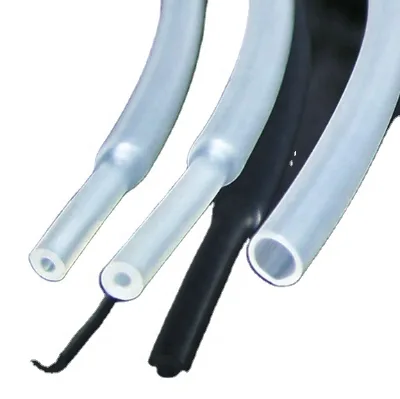
Heat Shrink Tubing serves as a critical component in electrical insulation and cable management, offering a protective barrier that shrinks upon heating to conform tightly around wires, connectors, and joints. The product landscape is diverse, ranging from basic polyethylene sleeves to specialized hybrid materials designed for continuous busbar protection. Buyers should recognize that listings often vary significantly in terminology, with some products labeled simply as "insulation sleeve" while others specify "heat shrinkable" attributes or specific model codes like DRS-10mm. Understanding these variations is essential for accurate search filtering and ensuring that the selected tubing meets the specific mechanical and environmental requirements of the assembly line.
Market observations indicate a wide range of sizing options, with inner diameters commonly listed from 8mm up to 200mm, allowing for flexibility in cable bundle management. The shrink ratio is a pivotal specification, with many standard products offering a 2:1 ratio, which provides a balance between ease of installation and secure fitment. However, specialized applications may require different ratios or thicker wall constructions. Procurement teams must carefully cross-reference the stated inner diameter with the post-shrink diameter to ensure the tubing can adequately cover the underlying components without excessive tension or loose fitment, which could compromise insulation integrity.
Technical Specifications to Verify
The material composition of Heat Shrink Tubing directly influences its thermal and chemical resistance properties. Polyethylene (PE) is a prevalent material, often cited for its organic insulation characteristics and cost-effectiveness in general-purpose applications. In contrast, some listings highlight inorganic insulation or hybrid insulation materials, which may offer enhanced durability or specific flame-retardant properties. Buyers must verify the exact chemistry of the tubing, as organic materials may degrade under certain chemical exposures, while inorganic options might provide superior stability in harsh industrial environments. Confirming the material type is the first step in ensuring long-term reliability of the insulated assembly.
Electrical and thermal ratings are non-negotiable parameters that must be validated against the operating conditions of the end product. Typical specifications include a maximum voltage rating of less than 10kV and thermal ratings that may extend up to 200°C or 250°C, depending on the specific grade of the tubing. Tensile strength is another critical mechanical property, with observed values around 10.4MPa indicating the material's ability to withstand physical stress during installation and service. Additionally, the IP rating, often referenced in conjunction with material type, provides insight into the tubing's ability to protect against ingress of water and dust, which is vital for outdoor or high-humidity applications.
Compliance and Safety Documentation
Regulatory compliance is a primary concern for global procurement, particularly when dealing with electronic and electrical assemblies. Certifications such as RoHS, CE, ISO, and CCC are frequently cited in product listings, indicating adherence to specific regional and international standards. Buyers should request valid certification documents to verify that the tubing does not contain restricted hazardous substances and meets the safety requirements of the target market. The presence of multiple certifications suggests a supplier's commitment to quality management, but it is crucial to ensure that the specific product batch or model matches the certified scope, as certifications can sometimes apply to a broader product family rather than individual SKUs.
Standards such as ISO 9001:2015 and UL 224 provide a framework for quality assurance and safety performance, respectively. While these standards are often mentioned in background information, buyers must confirm that the supplier maintains active certification status and that the tubing has been tested according to these benchmarks. For applications requiring strict safety compliance, verifying UL recognition or equivalent national standards is essential. Procurement teams should also inquire about the testing protocols used to validate thermal ratings and electrical insulation properties, ensuring that the claimed performance metrics are backed by rigorous laboratory analysis rather than theoretical calculations.
Cost Drivers and Commercial Terms
Pricing for Heat Shrink Tubing is influenced by several factors, including material type, wall thickness, and order volume. Observed price ranges can vary significantly, from low-cost basic polyethylene tubes to premium specialized sleeves, reflecting the diversity in quality and performance capabilities. Minimum Order Quantities (MOQ) are another key commercial term, with listings showing MOQs ranging from single rolls to bulk quantities of 1000 units or more. Understanding these thresholds is vital for inventory planning, as ordering below the MOQ may result in higher per-unit costs or limited availability, while over-ordering can lead to excess inventory and tied-up capital.
Payment terms and packaging details also play a role in the total cost of ownership. Common payment methods include Telegraphic Transfer (TT) and PayPal, offering flexibility for different transaction sizes. Packaging is typically standardized, with products often supplied in rolls of 25 meters, packed 16 rolls per carton, or in bulk cartons with specific dimensions such as 47x47x50 cm. Buyers should evaluate the packaging efficiency to minimize shipping costs and storage space requirements. Additionally, the availability of samples should be confirmed, as testing physical samples is a prudent step before committing to large-scale purchases, ensuring that the tubing meets the expected quality and fitment standards.
Supplier Qualification and Quality Control
Supplier location and origin can impact logistics, lead times, and communication efficiency. Many suppliers are based in industrial hubs such as Suzhou or other regions in China, Jiangsu, which are known for their manufacturing capabilities in electrical components. While geographic proximity may offer logistical advantages, buyers should also consider the supplier's overall reputation and production capacity. Verifying the supplier's ability to handle customization requests is crucial, as many listings indicate that customization is available, allowing for tailored solutions in color, size, or material composition.
Quality control processes should be a focal point during supplier evaluation. Buyers should inquire about the supplier's internal testing procedures, including checks for tensile strength, shrink ratio consistency, and electrical insulation integrity. The availability of a sample support program is a positive indicator, suggesting that the supplier is confident in their product quality and willing to facilitate pre-purchase testing. Additionally, buyers should assess the supplier's responsiveness to technical queries and their ability to provide detailed product data sheets, which are essential for engineering validation and compliance documentation.
Long-Term Procurement Checks
Sustainable sourcing and supply chain resilience are increasingly important considerations for long-term procurement strategies. Buyers should evaluate the supplier's ability to maintain consistent quality over time, particularly when dealing with high-volume orders. Regular audits or periodic quality checks can help ensure that the tubing continues to meet specified standards, such as RoHS compliance and thermal ratings. Establishing a clear communication channel for reporting any quality issues or deviations is essential for maintaining a reliable supply chain and addressing potential problems before they impact production.
Future-proofing procurement decisions involves staying informed about industry trends and regulatory changes. As environmental regulations evolve, suppliers may need to adapt their material compositions or manufacturing processes to remain compliant. Buyers should maintain a relationship with suppliers who demonstrate a commitment to innovation and continuous improvement, ensuring that the Heat Shrink Tubing remains suitable for emerging applications and stricter safety standards. Regularly reviewing supplier performance and market conditions can help identify opportunities for cost optimization or material upgrades, supporting the overall efficiency and reliability of the procurement function.
FAQs
What sizes of Heat Shrink Tubing are available for ordering?
Available sizes commonly cover inner diameters from ID8mm up to 50mm, with some models listed at ID10mm, 15mm, and 25mm. Wider ranges such as 16-200, 2-200mm, and 20-150mm also appear among listings. Confirm the recovered diameter and wall thickness with the supplier before ordering, since sizing affects shrink fit and insulation performance on your cables or busbars.
What is the shrink ratio of this Heat Shrink Tubing?
The listed tubing has a 2:1 shrink ratio, meaning it shrinks to half its supplied diameter when heated. This works well when you need one size to cover a range of cable diameters. Check that the recovered diameter is smaller than the component being covered so the tubing grips tightly after shrinking.
Can Heat Shrink Tubing be customized for specific applications?
Customization is available on listed products, including options for size and color. Transparent and blue variants are shown, along with continuous busbar protection sleeve applications. Provide your required inner diameter, length per piece such as 1m/piece, and application details when requesting a quote so the supplier can confirm feasibility and sample availability.
What materials and temperature ratings does the tubing offer?
Listed tubing is made of PE, with thermal ratings of 200 and 250 degrees cited across products. This material suits electrical insulation for wires, HDMI and DVI lines, earphone cables, and optical cable uses. Verify the continuous operating temperature for your specific model, since ratings vary by construction and wall thickness.
How is the tubing packaged and what are typical order quantities?
Packaging is commonly 25m per roll with 16 rolls per carton, shipped in cartons of about 47*47*50cm. Minimum order quantities vary by listing, ranging from 1 roll and 25m up to 500 meters. Confirm the packing format and MOQ for your chosen diameter, as smaller inner diameters may carry different roll lengths.
Which certifications do the listed Heat Shrink Tubing products carry?
RoHS compliance is listed across products, and some listings also show CE, ISO, and CCC certifications. Certifications matter for export markets and regulated electrical assemblies. Always request current certificate copies for the exact model and batch you plan to purchase, because certification scope can differ between sizes and material grades.
Can I get samples before placing a bulk Heat Shrink Tubing order?
Sample support is available, with listings indicating samples are supplied or supported. Requesting a sample lets you verify shrink ratio, fit on your cable diameter, and insulation quality before committing. Ask whether the sample is free and who covers shipping, then test it under your actual heating and operating conditions.
What payment terms and voltage limits apply to this tubing?
Payment terms shown include T/T and, on some listings, PayPal. The tubing is rated for maximum voltage below 10KV, making it suitable for low and medium voltage insulation tasks. For busbar or high-current applications, confirm the dielectric requirement of your system and select a wall thickness that provides adequate safety margin.