Source Water Bubble Pillar for Decoration, Landscaping, and Floor Use
Find and compare 30 Water Bubble Pillar options from China. These plastic toys feature cartoon styles, electric functions, and full-color logo printing, suitable for recreation, anniversaries, and weddings. Buyers can review specifications like carton packing and ENASTM certifications to select the right product.
Key considerations
Products List







Hot Sale Inflatable Elephant Tusk Ivory Pillar with LED for Event Props
$68.00 - $388.00
MOQ: 1 Pieces

Adults PVC Inflatable Water Bubble Walking Ball for Water Play Equipment
$78.00 - $115.00
MOQ: 1 Pieces


blue Color Aqua Ball Bubble Ball Inflatable Water walking Ball for Fun
$165.00 - $200.00
MOQ: 1 Pieces
Comprehensive Sourcing Guide
Water Bubble Pillar Sourcing Guide
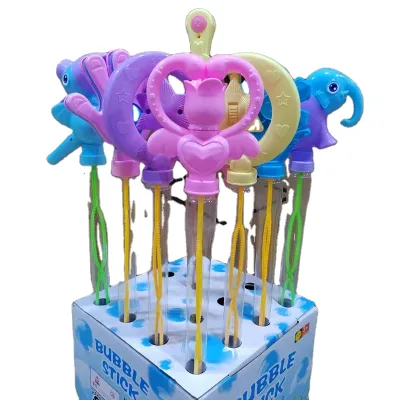
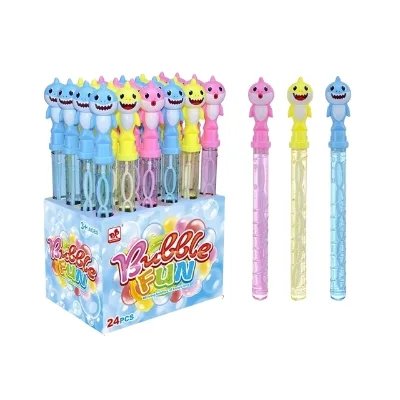
The Water Bubble Pillar market encompasses a diverse range of recreational and decorative products, primarily centered on plastic-based toys and functional water features. Procurement data indicates that these items are frequently categorized as "Funny Toys" or "Recreation" products, with specific models like the Camera Bubble Water Machine designed for events such as birthdays, weddings, and holidays. Buyers should note that while some listings describe these items as "Cartoon Toy" styles, the core functionality often involves electric mechanisms to generate bubbles or water effects, targeting an age group of over eight years.
Sourcing decisions must account for the variability in product form and application. While the primary focus is on consumer toys, the supply chain also includes related items like liquid bubble solutions and decorative slate products used for landscaping or wall decoration. The observed product range spans from small, portable units to larger commercial-grade installations, with origins concentrated in manufacturing hubs like Shantou and Guangdong, China. Understanding this spectrum is essential for aligning procurement with specific use cases, whether for personal amusement, commercial entertainment venues, or architectural decoration.
Product Scope and Observed Listing Signals
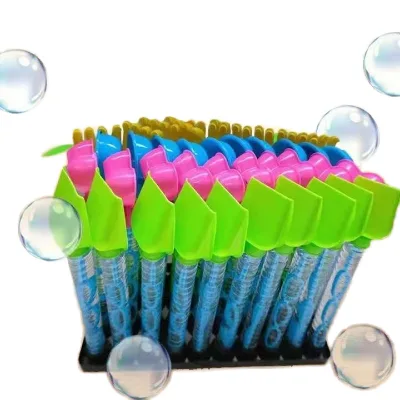
Buyers must carefully distinguish between finished toy units and consumable components when reviewing product listings. The market data reveals a clear split between complete electric devices, such as the Camera Bubble Water Machine, and auxiliary items like liquid bubble solutions with shelf lives exceeding twelve months. Some listings explicitly define the product form as "Liquid," while others describe solid plastic structures with specific dimensions, such as carton sizes of 78.53782.5cm or smaller units measuring 23.51817.5cm. This distinction is critical for logistics planning, as the packaging requirements and shipping costs for liquids differ significantly from those for rigid plastic toys.
The customization landscape for water bubble pillars is extensive, with many suppliers offering full-color logo printing and tailored product models. Observed specifications include unique model numbers like RFD340195 and RFD385808, alongside customizable features such as "Customized" branding and "OEM" capabilities. However, buyers should verify that the "Customized" attribute applies to the specific item of interest, as some listings may refer to general customization services rather than a specific product variant. The scale of these products varies from medium-sized toys to larger installations, requiring precise verification of the "Scale" and "Style" attributes to ensure they meet the intended application requirements.
Technical Specifications to Verify
Dimensional accuracy and material composition are the first technical parameters to validate during the sourcing process. The supplied data highlights a range of physical specifications, including thickness measurements of 1~2cm for certain components and specific carton packing standards. Buyers should request detailed technical drawings that confirm the exact dimensions of the Water Bubble Pillar, as observed listings show significant variance in standard sizes, from 0.08/cbm to 0.178/cbm volume metrics. Verifying the material, which is consistently noted as "Plastic," is essential to ensure durability and safety, particularly for products intended for children or high-traffic public areas.
Functional specifications, particularly regarding power and storage, require rigorous confirmation to prevent operational failures. Many electric models are designed for specific applications like anniversaries or Halloween, implying a need for reliable power sources and safe storage conditions. The data indicates a requirement for storage in "Cool Places" for certain items, while others may have "Normal" storage methods. Buyers must verify the electrical safety of the "Electric" function, ensuring that the product includes appropriate safety features for its intended age group of over eight years. Additionally, the "Storage Way" and "Shelf Life" of any included liquid components must be checked to ensure they remain viable throughout the supply chain and storage period.
Compliance and Safety Documentation
Regulatory compliance is a non-negotiable aspect of sourcing water bubble pillars, especially given their classification as toys and potential consumer goods. The market data references several certifications, including ENASTM and a composite entry of ENCustomized:Customized, which suggests adherence to specific regional safety standards. Buyers should explicitly request valid certification documents for ENASTM or equivalent standards like CE, which is a common background requirement for toys exported to international markets. It is vital to confirm that the certification covers the specific model number and that the testing was conducted on the final product, not just the raw materials.
Food safety and material safety certifications are also relevant, particularly for products involving liquids or those that may come into contact with skin. Some listings in the supply chain reference HACCP, FDA, ISO, and BRC certifications, which are typically associated with food-grade or high-safety manufacturing environments. While these may not apply to every plastic toy, they indicate a supplier's capability to maintain high hygiene and safety standards. Procurement teams should verify if these certifications extend to the plastic components or the liquid solutions included in the product package, ensuring that all materials are non-toxic and safe for the intended age demographic.
Cost Drivers and Commercial Terms
Pricing in the Water Bubble Pillar market is highly variable, driven by the complexity of the product, customization level, and order volume. The observed price range spans from $0.05 to $579, reflecting the difference between simple consumable liquids and complex electric machines. Buyers must analyze the cost structure based on the specific model, noting that electric and "Funny Toys" with full-color logo printing typically command higher prices than basic plastic units. Understanding the relationship between the "Scale" of the product and its price point is essential for budgeting, as larger or more feature-rich items will naturally fall into the higher end of the observed spectrum.
Minimum Order Quantities (MOQ) and packaging standards significantly influence the total cost of ownership. The data shows an MOQ range from 1 to 30,000 units, offering flexibility for both small retailers and large distributors. However, buyers should be aware that lower MOQs may come with a higher unit price, while larger orders might benefit from economies of scale. Packaging is another cost driver, with options ranging from simple "Carton" boxes to specialized "Carton Box" configurations. Verifying the "prod_packing" details is crucial, as inefficient packaging can increase shipping costs and the risk of damage during transit, particularly for fragile electronic components or liquid containers.
Supplier Qualification and Quality Control
Supplier location and origin are key indicators of supply chain reliability and logistical efficiency. The majority of the observed products originate from Shantou and Guangdong, China, which are established hubs for toy and plastic manufacturing. Buyers should prioritize suppliers with a proven track record in these regions, as they are likely to have mature supply chains and experienced production teams. However, geographic origin alone is not a guarantee of quality; it is essential to verify the supplier's specific capabilities regarding the "Customized" and "OEM" services they offer, ensuring they can meet unique design and branding requirements.
Quality control processes must be robust, particularly for products with electrical components and liquid contents. Buyers should implement a pre-shipment inspection protocol that checks for material consistency, electrical safety, and packaging integrity. The "Standard" attributes in the data, such as specific carton sizes or surface treatment requirements like "Split," provide a baseline for quality verification. It is advisable to request sample units that match the exact model number before placing a large order, allowing for a physical assessment of the "Style," "Function," and overall build quality. This step helps mitigate the risk of receiving products that do not meet the expected performance or safety standards.
Long-Term Procurement Checks
Sustaining a successful procurement relationship requires ongoing monitoring of product performance and market adaptability. Buyers should establish a feedback loop to track the durability and customer satisfaction of the water bubble pillars over time. Given the "Usage" categories of "Funny," "Particular Toys," and "Recreation," products must maintain their entertainment value and safety standards throughout their lifecycle. Regular reviews of the "Application" data, such as performance during holidays or events, can help identify any recurring issues or areas for product improvement, ensuring the supply remains competitive and relevant.
Future-proofing the supply chain involves staying informed about evolving standards and certification requirements. As regulations change, particularly in the toy and consumer goods sectors, suppliers must be able to adapt their production processes to maintain compliance. Buyers should regularly audit their suppliers' certification status, ensuring that documents like HACCP, FDA, or ISO remain valid and up to date. Additionally, monitoring the "Market" trends, which are currently described as "All Over The World," can help anticipate shifts in demand and adjust procurement strategies accordingly. This proactive approach ensures that the supply of water bubble pillars remains reliable and compliant with global standards.
FAQs
What materials are used for water bubble pillars?
These products are primarily constructed from plastic materials to ensure durability and safety for recreational use. The plastic composition allows for the creation of cartoon toy styles and funny toys that are suitable for various applications. This material choice supports the functional requirements of bubble water machines and related accessories.
Can I customize the logo on these products?
Yes, customization is available for these items, including full color logo printing options. Buyers can request specific designs to match their brand identity or event themes. This service supports OEM requirements and allows for tailored branding on plastic toys and bubble water machines for distinct market positioning.
What certifications do these plastic toys hold?
The products hold ENASTM certifications, ensuring compliance with relevant safety standards for toys. Some listings also reference HACCP, FDA, ISO, and BRC standards, particularly for liquid components like bubble water. These certifications verify that the items meet international quality and safety requirements for global distribution.
Where are these water bubble products manufactured?
These products originate from Shantou and Guangdong, China, which are known manufacturing hubs for toys and plastics. The origin ensures access to established supply chains for plastic materials and bubble water production. Buyers can expect consistent quality and availability from these specific regional sources for bulk orders.
What is the typical packaging for these items?
Items are typically packed in cartons or carton boxes, with specific dimensions provided for logistics planning. Some products use individual boxes, while others utilize standard carton packing for efficiency. The packaging is designed to protect the plastic toys and bubble water during transit, ensuring they arrive in good condition.
Are these products suitable for children over eight years old?
Yes, certain electric and medium-scale products are explicitly designed for users aged over eight years. These items often feature complex functions like electric bubble machines or specific cartoon styles. Buyers should verify the age recommendation on the product specification to ensure suitability for their target audience and safety compliance.