Source Heat Treated Motorcycle Sprocket Kit for Repair and Maintenance
Explore 30 listings for the Heat Treated Motorcycle Sprocket Kit designed for transmission systems. Buyers can compare alloy steel options with various surface treatments and models like CG125 and CB125 to find suitable replacement parts.
Key considerations
Products List


Durable Motorcycle Transmissions Kit Sprocket and Chain Kit for Motorcycles
$0.02 - $2.40
MOQ: 200 pieces


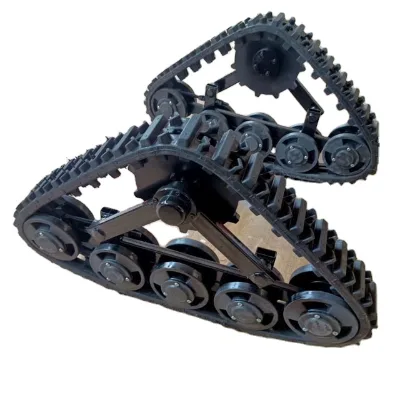


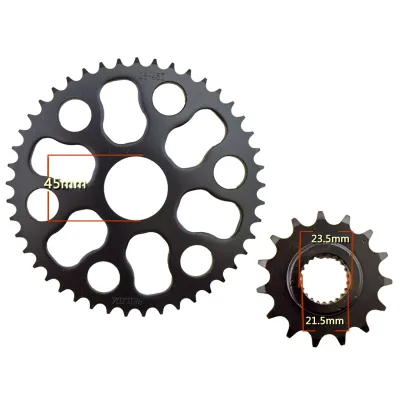


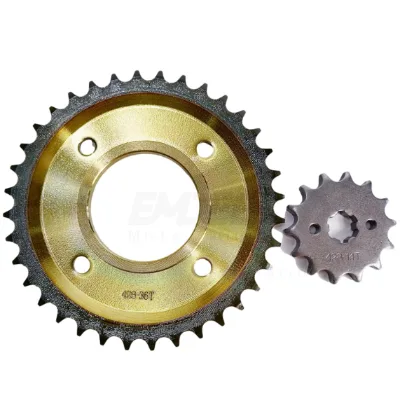


Precision Sprocket Chain Gear for Motorcycle with Heat Treatment Long Life
$88.00 - $8888.00
MOQ: 1 Pieces

Comprehensive Sourcing Guide
Strategic Sourcing Guide for Heat Treated Motorcycle Sprocket Kits
Understanding Technical Specifications and Material Composition
When sourcing a heat-treated motorcycle sprocket kit, the primary objective is to identify components that balance durability with precise mechanical engagement. The core of this procurement strategy relies on verifying the material composition and dimensional tolerances. Based on available market data, the foundational material for these kits is frequently identified as alloy steel. This material choice is critical because alloy steel offers superior tensile strength and resistance to wear compared to standard carbon steel, which is essential for the high-stress environment of a motorcycle transmission system. The heat treatment process applied to this alloy steel is what differentiates a standard replacement part from a high-performance component capable of withstanding the torsional forces generated during acceleration and deceleration.
Buyers must scrutinize the specific model compatibility, as sprocket kits are not universally interchangeable. The market presents a wide array of specific model designations, including CG125, CB125, CT125, XL125, RC150, DT150, CB160, and RM250. Furthermore, the chain pitch and sprocket tooth count are vital specifications that dictate the kit's functionality. Common chain standards observed in the supply chain include 420, 428, 428H, 520, 530, and 525. The sprocket tooth configurations vary significantly, with options such as 14T, 36T, and specific combinations like 428H 36T 14T. The physical dimensions of the sprockets are also standardized, with common width ranges observed between 40mm and 400mm and lengths extending from 800mm to 6000mm for related chain components. The standard pitch for many of these kits is 1/2"*11/128", a measurement that must be verified against the existing motorcycle transmission geometry to ensure proper fitment.
The physical attributes of the kit, such as the number of rows, are another technical differentiator. Most standard kits for single-row applications feature a single row configuration, which simplifies the maintenance and replacement process. The toothed portion shape is typically a spur gear, designed to mesh smoothly with the chain rollers. However, buyers should not assume that all listed products possess these exact attributes without verification, as variations exist based on the specific manufacturer and the intended motorcycle model. The condition of the product is generally listed as new, but the "heat treated" aspect requires specific inquiry regarding the metallurgical process used, as this is not always explicitly detailed in standard product descriptions.
Compliance, Certification, and Quality Assurance Standards
In the B2B procurement of motorcycle transmission components, compliance with international standards is a non-negotiable aspect of supplier evaluation. The presence of certifications such as CE and ISO9001 serves as a baseline indicator that the manufacturer adheres to specific quality management systems and safety regulations. It is important to note that while ISO9001 is frequently cited, the specific version of the standard (e.g., ISO9001:2000 or the current iteration) should be confirmed, as older versions may not reflect the most rigorous current quality controls. The certification data often appears alongside material specifications, such as "ISO9001: Material: Alloy Steel," indicating that the quality management system covers the specific material processing.
However, buyers must exercise caution regarding the interpretation of these certifications. The presence of a certification label does not automatically guarantee that every individual batch of sprockets has undergone independent third-party testing for heat treatment efficacy. The "Video outgoing-inspection" attribute is noted as "Not Available" for many suppliers, which implies that visual verification of the production line or final inspection process may not be accessible remotely. This necessitates a more rigorous on-site audit or the request for detailed third-party test reports if the order volume is significant.
The warranty status is another critical compliance factor. In the current market landscape, warranties for these specific kits are often listed as "Unavailable." This absence of a warranty claim does not necessarily indicate poor quality, but it does shift the risk management burden to the buyer. Procurement teams must therefore rely heavily on the supplier's internal quality control processes and the robustness of their ISO9001 implementation rather than post-sale guarantees. The "Property" of the supplier is often described as a "factory," suggesting a direct manufacturing relationship, which can be advantageous for quality control but requires verification of their specific production capabilities.
Cost Drivers and Pricing Dynamics in the Supply Chain
The pricing structure for heat-treated motorcycle sprocket kits is influenced by a complex interplay of material costs, processing complexity, and order volume. The observed price range in the market is extremely broad, spanning from $0.02 to $8,888. This variance is not indicative of a single product type but rather reflects the difference between individual components, complete kits, and bulk industrial orders. The lower end of the spectrum typically represents single sprockets or basic chain segments, while the higher end may encompass full transmission systems, custom OEM orders, or large-scale industrial shipments.
Minimum Order Quantity (MOQ) is a significant driver of unit cost. The market data indicates an MOQ range from 1 to 500 units, with a specific observed MOQ of 100 units for certain suppliers. This threshold directly impacts the cost per unit; orders meeting or exceeding the MOQ will generally benefit from economies of scale. For buyers requiring smaller quantities, the unit price will likely be higher due to the fixed costs of setup and production runs. The "Selling Units" are often listed as "Single item," which allows for sampling but may not be cost-effective for large-scale procurement without negotiating a higher volume.
Additional cost factors include the surface treatment and customization options. The observed surface treatments, such as copper coating, gold coating, and zinc plating, add layers of processing cost. Zinc plating is a common corrosion-resistant treatment, while gold or copper coatings may be specified for aesthetic reasons or specific electrical conductivity requirements, though the latter is less common for mechanical transmission parts. Customization is listed as "Available," which introduces variable costs based on the complexity of the modification. OEM (Original Equipment Manufacturer) acceptance is another factor; suppliers that accept OEM orders may charge a premium for tooling and design work, but this can be offset by long-term volume contracts.
The shipping method also plays a role in the total landed cost. Options include Express, Air, and Sea shipping. While sea shipping is the most cost-effective for large volumes, it extends the lead time. The "Delivery Time" is typically within 20-30 days, but this can fluctuate based on the shipping method and the supplier's location. The "Place of Origin" is listed as Beijing, China, and "Zhe" (likely Zhejiang), which are major manufacturing hubs. Proximity to ports and logistics infrastructure in these regions can influence shipping efficiency and costs.
Typical Applications and Compatibility Verification
The primary application for heat-treated motorcycle sprocket kits is the replacement and repair of motorcycle transmission systems. These kits are designed to restore the efficiency and reliability of the powertrain, ensuring smooth power delivery from the engine to the rear wheel. The "Purpose" is explicitly stated as "for Replace/Repair," highlighting their role in maintenance and restoration rather than initial manufacturing. The compatibility with specific motorcycle models is the most critical factor in application success. The list of compatible models is extensive, ranging from smaller displacement bikes like the CG125 and RC150 to larger performance machines like the RM250.
Buyers must verify the compatibility of the sprocket kit with the specific chain standard used by the motorcycle. The available chain standards include 420, 428, 428H, 520, and 530. Mismatching the chain pitch with the sprocket teeth will result in rapid wear, chain skipping, or catastrophic transmission failure. For instance, a 420 chain requires a 420 sprocket, and using a 428 sprocket with a 420 chain will cause immediate mechanical incompatibility. The "Compatible Brand" is often listed as "Other," indicating that these kits are designed to fit a wide range of manufacturers rather than being exclusive to a single brand.
The "Color Available" is noted as Gold, and "Color" is also listed as Black. While color is primarily aesthetic, it can sometimes indicate the type of coating or plating used. Gold coatings may be associated with specific high-end or decorative kits, while black is a standard finish for functional, non-corrosive parts. The "Product Keywords" such as "motorcycle chain and sprocket kits" confirm the intended use case, but buyers should ensure that the specific kit includes both the front and rear sprockets if a full replacement is required. The "Type" is listed as "Chain," but the kit typically includes the sprockets as well, forming a complete transmission assembly.
Supplier Evaluation and Production Capabilities
Evaluating a supplier for heat-treated motorcycle sprocket kits requires a deep dive into their production capabilities and operational transparency. The "Property" of the supplier is identified as a "factory," which suggests they have direct control over the manufacturing process. This is preferable to trading companies, as it allows for better quality control and more direct communication regarding technical specifications. The "Brand Name" HMJ is one example of a supplier operating in this space, but buyers should not limit their search to a single brand. Instead, they should look for suppliers that demonstrate a clear understanding of the technical requirements of alloy steel and heat treatment.
The "Video outgoing-inspection" attribute being "Not Available" is a significant red flag for buyers who rely on remote verification. This suggests that the supplier may not have the infrastructure for real-time video auditing or that they do not prioritize this feature. In such cases, buyers should request detailed photos of the production line, certificates of analysis for the alloy steel, and records of the heat treatment process. The "Sample" attribute is listed as "Yes," which is a positive indicator. Suppliers willing to provide samples allow buyers to physically inspect the quality, finish, and fitment before committing to a large order.
The "Delivery Time" of 20-30 days is a standard expectation, but the "Deadline" of 15 days suggests that some suppliers may offer expedited services for an additional cost. The "Way of Delivery" includes Express, Air, and Shipping, offering flexibility based on the urgency of the order. The "Place of Origin" being Beijing, China, and Zhe indicates a concentration of manufacturing in specific regions. Buyers should verify the logistics capabilities of the supplier to ensure they can handle the "prod_packing" of Carton or Carton Box effectively, preventing damage during transit. The "HS" code 8501109190 is relevant for customs clearance, and buyers should ensure the supplier provides accurate documentation to avoid delays.
Quality Control and Long-Term Procurement Considerations
Quality control for heat-treated motorcycle sprocket kits extends beyond the initial inspection of the finished product. The "Condition" is listed as "New," but the integrity of the heat treatment process is the true measure of quality. Buyers should inquire about the specific heat treatment parameters, such as the temperature and duration of the process, to ensure the alloy steel has achieved the desired hardness and toughness. The "Surface Treatment" options, including Zinc Plated, Copper Coated, and Gold Coated, are critical for corrosion resistance. Zinc plating is particularly important for motorcycles exposed to various weather conditions, as it prevents rust and extends the lifespan of the kit.
Long-term procurement considerations involve building a relationship with a supplier that can consistently deliver high-quality products. The "Warranty" being "Unavailable" means that the buyer must rely on the supplier's reputation and the quality of their ISO9001 certification. Regular audits and quality checks should be part of the procurement strategy. The "Available Width" and "Available length" specifications suggest that the supplier can accommodate custom orders, which is beneficial for specialized applications. However, buyers should verify that the customization process does not compromise the standard quality of the heat treatment.
The "Number of Row" being "Single Row" is a standard configuration, but buyers should confirm that this is suitable for their specific motorcycle model. High-performance motorcycles may require multi-row chains and sprockets for increased load capacity. The "Toothed Portion Shape" of Spur Gear is standard, but the precision of the gear teeth is crucial for smooth operation. Any deviation in the gear shape can lead to noise, vibration, and premature wear.
In conclusion, sourcing heat-treated motorcycle sprocket kits requires a meticulous approach that balances technical specifications, compliance, cost, and supplier reliability. By focusing on the material composition, verifying certifications, understanding cost drivers, and conducting thorough quality control checks, buyers can secure high-quality components that meet the demanding requirements of motorcycle transmission systems. The broad range of models and specifications available in the market offers flexibility, but it also necessitates careful verification to ensure compatibility and performance.
FAQs
What materials are used for heat treated motorcycle sprocket kits?
The kits are primarily constructed from alloy steel to ensure superior tensile strength and wear resistance. This material choice is critical for withstanding the high-stress environment of a motorcycle transmission system during operation.
Which certifications do these sprocket kits typically hold?
Many products carry CE and ISO9001 certifications indicating adherence to quality management systems. Buyers should verify the specific version of the standard as warranty claims are often unavailable for these items.
How long is the delivery time for these kits?
The standard delivery time is within 20 to 30 days from the order date. Shipping methods include Express, Air, or Sea depending on the urgency and volume of the purchase.
Can I customize the sprocket kits for specific models?
Customization is available for various motorcycle models including CG125 and RC150. OEM requests are acceptable, allowing buyers to specify dimensions like 420 or 428 chain standards for precise fitment.
What is the minimum order quantity for these kits?
The minimum order quantity ranges from 1 to 500 units depending on the supplier. Some specific listings require a minimum of 100 units to qualify for standard pricing and production runs.
What surface treatments are applied to the sprocket kits?
Common surface treatments include zinc plating, copper coating, and gold coating for corrosion resistance. These finishes are applied to the alloy steel components to enhance durability and aesthetic appeal.
Are samples available for testing the sprocket kits?
Yes, samples are available for buyers to inspect quality and fitment before placing large orders. This allows verification of the single-row chain configuration and spur gear tooth shape.