Source Heavy Boxing Dummy for Fighter Training, Gym Fitness, and Outdoor Use
Explore 30 verified listings for the Heavy Boxing Dummy, featuring adjustable heights and customizable logos. Buyers can compare specifications like filling materials, service life, and MOQs to find the right equipment for power training and comprehensive fitness routines.
Key considerations
Products List


Free Standing Boxing Man Punching Bag Adjustable Suction Cup Boxing Dummy
$123.00 - $168.75
MOQ: 5 Pieces


Wrestling Dummy Target, Sports MMA Martial Arts Boxing Dummy for Training
$69.00 - $130.00
MOQ: 30 Pieces


Factory Price Heavy PU Hanging Punching Training Kicking Sand Boxing Dummy
$69.00 - $280.00
MOQ: 5 Pieces


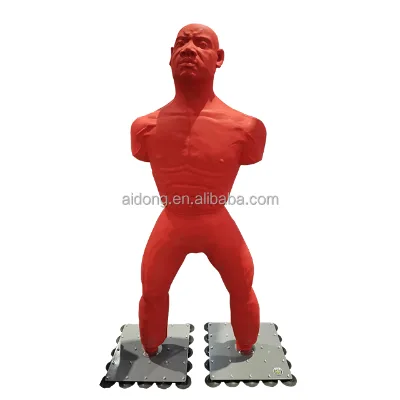
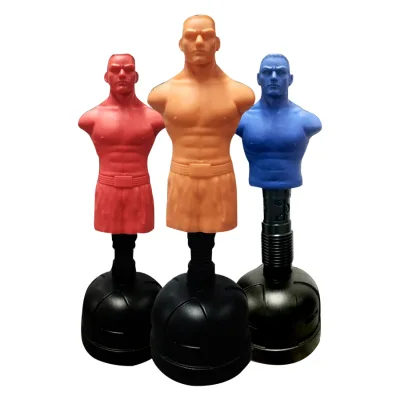
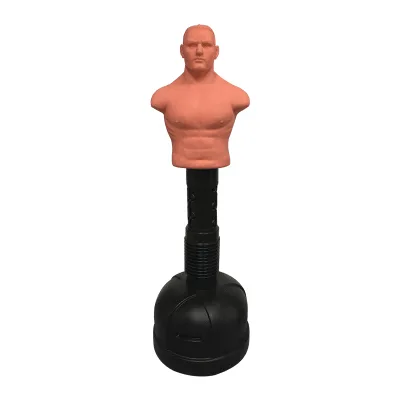
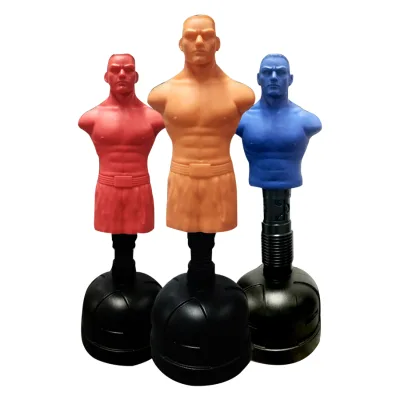
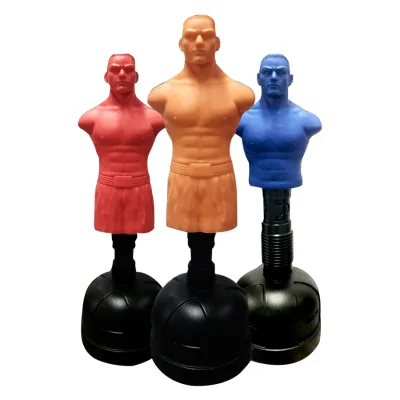
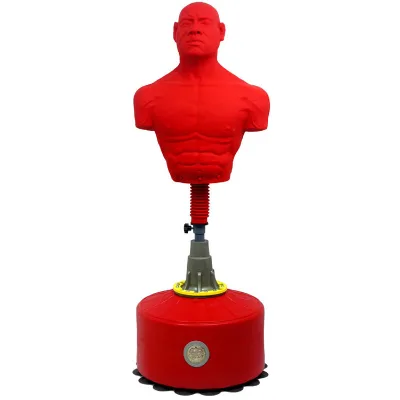
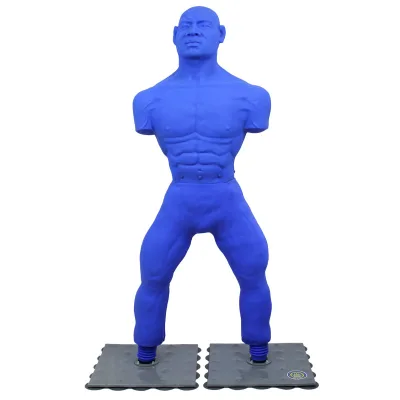
Comprehensive Sourcing Guide
Strategic Sourcing Guide for Heavy Boxing Dummies
Understanding Product Variants and Technical Specifications
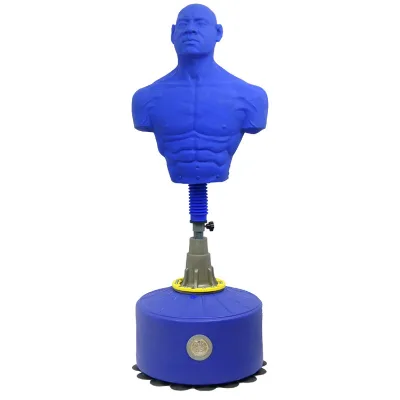
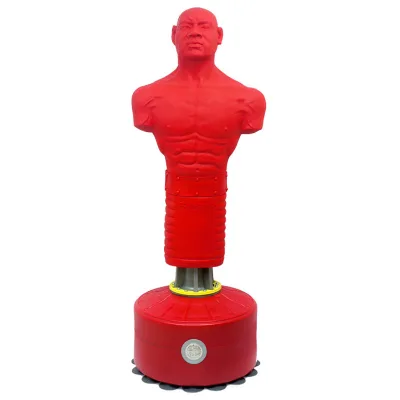
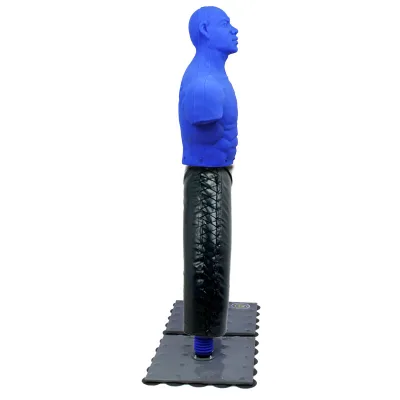
When sourcing heavy boxing dummies, buyers must first distinguish between the specific configurations available in the current market. The product landscape includes distinct models such as the "New Human Dummy," the "Middle Human Dummy," and the "Adjustable Heavy Dummy." These variations are not merely cosmetic but represent different functional profiles tailored to specific training intensities and physical dimensions. The core technical specifications vary significantly across these models, particularly regarding height and weight, which are critical for matching the equipment to the athlete's requirements.
For instance, the "New Human Dummy" is specified with a standard height of 170cm and a weight of 35KG. This configuration suggests a robust unit designed for high-impact striking exercises. In contrast, the "Middle Human Dummy" presents a height of 165cm, while the "Adjustable Heavy Dummy" offers a dynamic range from 162cm to 178cm. This adjustability is a key technical feature for facilities that serve athletes of varying statures or require equipment that can be reconfigured for different training drills. The "Heavy Human Dummy" and "Adjustable Dummy" models further emphasize versatility, with some units offering customized sizes to meet specific client demands.
Material composition is another fundamental technical differentiator. The observed product data indicates that these dummies are constructed using a combination of rubber and elastic fiber cloth. The rubber component likely provides the structural integrity and durability required for repeated impact, while the elastic fiber cloth filling ensures the correct rebound characteristics and shock absorption. The "Filling: Elastic Fiber Cloth" specification highlights the internal construction, which directly influences the dummy's response to punches and kicks. Buyers should verify that the specific model they select aligns with the desired balance between hardness and give, as this affects the realism of the training simulation.
Compliance, Certification, and Safety Standards
In the realm of professional sports equipment, compliance and safety are paramount, yet specific certification statuses for these products are not explicitly detailed in the provided market data. Buyers must approach this aspect with a rigorous verification mindset. The products are described as meeting a "prod_standard" of specific dimensions (e.g., 170cm, 35KG) and are manufactured in Hebei, China, with shipments originating from the Tianjin port. While these details confirm the logistical origin, they do not inherently constitute safety certifications.
Procurement teams should not assume that the listed dimensions or materials automatically satisfy international safety standards such as ISO or ASTM. Instead, the sourcing strategy must include a direct inquiry into whether the manufacturer holds relevant quality management certifications. The "prod_standard" listed as "Carton" for some models refers to packaging standards rather than product safety compliance. Therefore, the buyer's due diligence must extend to requesting specific test reports for impact resistance, material toxicity, and structural stability.
Furthermore, the "Customized" nature of the logo and size implies that modifications could alter the original safety profile. When ordering customized units, it is essential to ensure that the customization process does not compromise the structural integrity of the rubber or the filling density. The "Protection Part: Chest" specification suggests a focus on specific training zones, but this does not equate to a safety rating for the entire unit. Buyers should verify that the rubber material used is non-toxic and that the elastic fiber filling is fire-resistant, as these are common requirements for indoor gym equipment. Without explicit certification data in the supply chain, the burden of proof lies with the supplier to demonstrate that the product meets the safety regulations of the destination market.
Cost Drivers and Pricing Dynamics
The pricing structure for heavy boxing dummies is influenced by a complex interplay of customization, material costs, and order volume. The observed price range in the market spans from 36 to 380 USD, a significant variance that reflects the differences in model complexity and specification. The lower end of this spectrum likely corresponds to standard, non-adjustable models with fixed dimensions, while the higher end is associated with adjustable units, customized sizes, or those with specialized features like branded logos.
A primary cost driver is the level of customization. The product data explicitly states that "Customization: Available" and "Logo: Your Logo Can Be Customized." Customizing the size, color, or adding a specific logo incurs additional tooling and production costs. For example, the "Adjustable Dummy" with a height range of 162-178cm is likely priced higher than the fixed 165cm "Middle Human Dummy" due to the mechanical complexity of the adjustment mechanism. Similarly, the "New Human Dummy" with a specific 35KG weight and 170cm height represents a standardized product, which may benefit from economies of scale compared to bespoke orders.
Minimum Order Quantity (MOQ) also plays a critical role in the final unit cost. The observed MOQ range is between 1 and 30 units, with specific models requiring a minimum of 5 pieces or 5 sets. Ordering at the lower end of the MOQ spectrum, such as 1 unit, typically results in a higher per-unit price due to the fixed costs of production setup and logistics. Conversely, bulk orders that meet or exceed the 5-piece or 5-set thresholds can significantly reduce the average cost. The "Filling: Elastic Fiber Cloth" and "Material: Rubber" are also cost variables; fluctuations in raw material prices for rubber and synthetic fibers will directly impact the manufacturing cost and, subsequently, the retail price. Buyers should negotiate based on their volume requirements to leverage the lower price points within the 36-380 USD range.
Typical Applications and Training Objectives
Heavy boxing dummies serve diverse functions across various athletic disciplines, extending beyond simple boxing practice. The product attributes indicate usage for "Training," "Racing," "Fitness," and specific "Training Targets" such as "Strength Training" and "Physical Training." The "Type" is categorized as "Boxing," but the "Sports Type" also includes "Athletics" and "Gymnastics," suggesting a broader utility for general physical conditioning.
The "Function: Boxing exercise" and "Features: Fighter Training" highlight the primary application: simulating an opponent for striking drills. The "Adjustable Heavy Dummy" is particularly versatile for this purpose, allowing trainers to adjust the height to match different opponents or to practice specific techniques like head kicks or body shots. The "Protection Part: Chest" on the "Middle Human Dummy" suggests a specialized application for targeting the torso, which is crucial for developing core strength and precision in body shots.
Furthermore, the "Usage: Racing, Training, Fitness" implies that these dummies are suitable for mixed martial arts (MMA) and general fitness centers. The "Application: Indoor,Outdoor" specification indicates that the materials are durable enough to withstand environmental factors, making them suitable for outdoor training camps or open-air gyms. The "Season: Universal" attribute reinforces that these units are not seasonal equipment but are designed for year-round use. The "Age Group: Adults" and "Adult" classifications confirm that these are heavy-duty units intended for mature athletes, distinguishing them from lighter, child-sized training aids. The "Training Project: Power" designation suggests that these dummies are specifically engineered to help athletes develop explosive power and endurance through repetitive, high-impact strikes.
Supplier Evaluation and Verification Protocols
Evaluating suppliers for heavy boxing dummies requires a focus on manufacturing capability, logistical reliability, and the ability to handle customization requests. The product origin is listed as "Hebei, China," with the "Port of Shipment: Tianjin." This geographical information is useful for logistics planning but does not guarantee the quality of the manufacturing facility. Buyers should verify the supplier's production capacity to ensure they can meet the required lead times, especially for customized orders.
When assessing a supplier, the "Customized" and "Customized Size" attributes are critical indicators of flexibility. A capable supplier should demonstrate a proven track record of handling custom orders without compromising quality. The "Logo: Custmized Logo" feature requires the supplier to have the necessary printing or molding capabilities to apply branding accurately. Buyers should request samples of previous custom work to verify the quality of the logo application and the consistency of the product dimensions.
The "MOQ: 5PCS" and "MOQ: 5 Sets" requirements indicate that the supplier is geared towards B2B transactions rather than individual retail sales. This suggests a professional supply chain structure. However, buyers must verify the supplier's ability to handle small batch orders if the MOQ is a barrier. The "prod_packing" details, which include "Carton" and "in a Plastic, Then in a Carton," provide insight into the packaging standards. Robust packaging is essential to prevent damage during transit, especially for heavy items weighing up to 35KG. Buyers should inspect the packaging specifications to ensure they meet the rigors of international shipping, particularly for the Tianjin port route.
Quality Control and Long-Term Procurement Considerations
Ensuring the long-term value of heavy boxing dummies involves rigorous quality control measures and a focus on durability. The "Service Life: 1-4 Year" specification provides a baseline expectation for the product's lifespan. However, this range is contingent upon usage intensity and maintenance. Buyers should establish a maintenance protocol that includes regular inspections of the rubber surface for cracks and checks on the internal filling for compression or settling.
The "Material: Rubber" and "Filling: Elastic Fiber Cloth" are the primary components subject to wear and tear. Over time, the rubber may degrade due to UV exposure or repeated impact, and the elastic fiber may lose its resilience. To mitigate these risks, buyers should inquire about the specific grade of rubber used and whether it is treated for UV resistance, especially for units intended for "Outdoor" application. The "Style: Unisex" and "Age Group: Adults" suggest that the equipment is built for heavy, continuous use, which necessitates a proactive approach to quality assurance.
For long-term procurement, buyers should consider the availability of replacement parts or the possibility of refurbishment. The "Adjustable" nature of some models implies that mechanical parts may be subject to wear. A supplier that offers a warranty or a clear policy for handling defects is preferable. Additionally, the "Customized" aspect means that if a unit is damaged, it may be difficult to replace with an identical model if the customization was unique. Therefore, maintaining a relationship with a supplier who can reproduce custom specifications is vital for fleet management.
Buyers should also monitor the "prod_standard" for any updates. While the current standard is listed as specific dimensions, future updates may include new safety or performance metrics. Staying informed about these changes ensures that the procurement strategy remains aligned with industry best practices. Finally, the "Product Name" variations, such as "Heavy Human Dummy" versus "New Human Dummy," suggest that the product line is evolving. Buyers should stay engaged with the supplier to understand the roadmap for future models, ensuring that their procurement strategy remains competitive and aligned with the latest training technologies.
FAQs
How long is the service life of a Heavy Boxing Dummy?
The service life ranges from 1 to 4 years depending on usage intensity. This duration assumes regular maintenance and adherence to the specified weight and height standards for optimal durability.
What materials are used to construct these dummies?
These units are constructed from rubber with elastic fiber cloth filling. This combination ensures structural integrity for repeated impact while providing the necessary shock absorption for realistic training.
Can the logo be customized on the Heavy Boxing Dummy?
Yes, your logo can be customized on the product surface. Buyers must specify their design requirements during the order process to ensure the customization aligns with the manufacturer's capabilities.
Which models offer adjustable height for different athletes?
The Adjustable Heavy Dummy offers a height range from 162cm to 178cm. This feature allows facilities to reconfigure the equipment for athletes of varying statures or specific training drills.
What is the minimum order quantity for these products?
The minimum order quantity is typically 5 pieces or 5 sets depending on the specific model. Bulk orders meeting this threshold can help reduce the average unit cost significantly.
Where are these heavy boxing dummies manufactured and shipped from?
The products originate from Hebei, China, and are shipped via the Tianjin port. This logistical route is standard for international orders involving these specific training equipment models.
How much does a Heavy Boxing Dummy cost in USD?
The observed price range in the market spans from 36 to 380 USD. The final cost depends on the model complexity, customization level, and the specific order volume placed by the buyer.