Source Heavy Duty Boat Barrel Bolt for Marine, Chemical, and Building
Find 30 listings for Heavy Duty Boat Barrel Bolt suitable for marine hardware, chemical industry, and building applications. Compare specifications, materials, and prices from verified manufacturers in China.
Key considerations
Products List

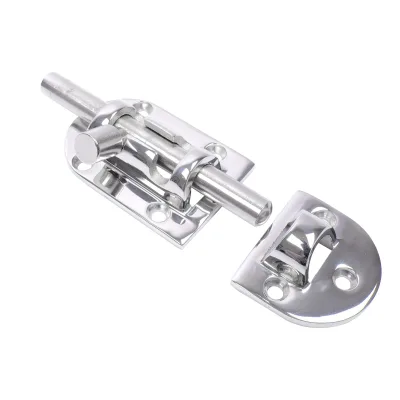
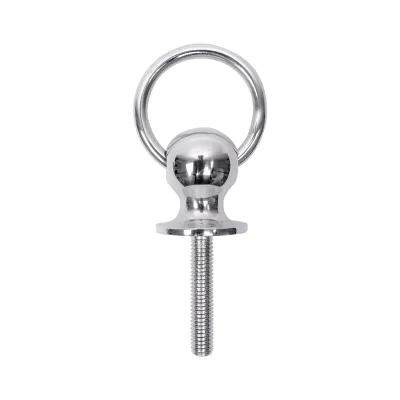
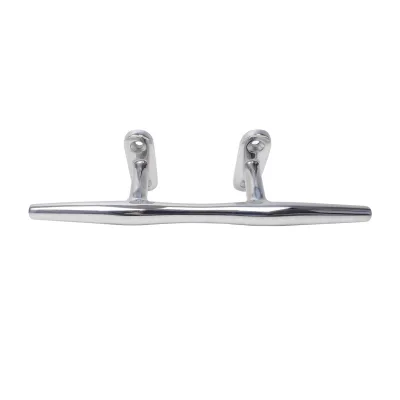
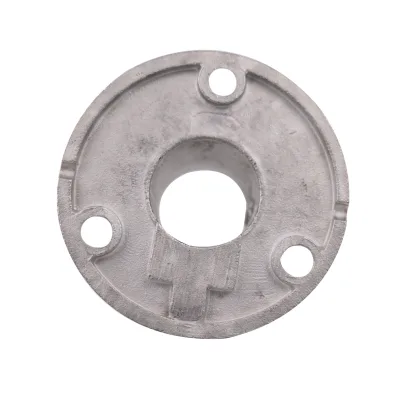
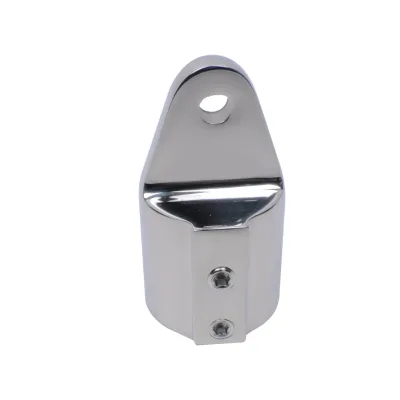
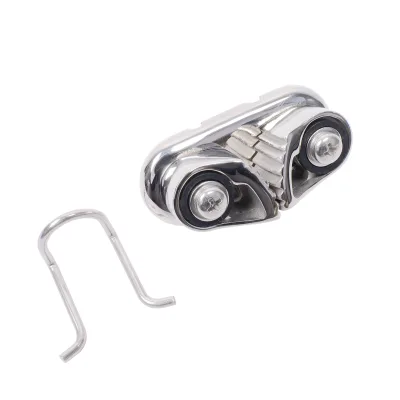


Precise Processing Polish 316 Stainless Steel Barrel Bolt Boat Hatch Lock
$3.32 - $3.46
MOQ: 100 Pieces


316 Stainless Steel Marine Boat Door Lock Latch with Slide Barrel Bolt Clasp
$2.40 - $2.54
MOQ: 100 Pieces


Comprehensive Sourcing Guide
Strategic Sourcing Guide for Heavy Duty Boat Barrel Bolts
Understanding Product Specifications and Technical Requirements
When sourcing heavy-duty boat barrel bolts, buyers must first establish a precise understanding of the technical specifications that define the component's functionality and durability in marine environments. The core keyword implies a fastener designed for high-stress applications, typically found in marine hardware where resistance to corrosion and mechanical load is paramount. Based on available market data, these components often adhere to international standardization codes such as DIN, GB, ANSI, and JIS, which provide the dimensional and mechanical baselines for manufacturing. The specific product model often referenced in this category includes variations like carriage bolts or specialized barrel bolts, with standard sizing ranges extending from M4 up to M128, though heavy-duty marine applications frequently utilize the larger end of this spectrum, such as M6 to M12 or larger, depending on the structural requirements of the vessel.
Material selection is the single most critical factor in determining the longevity of a barrel bolt in a marine setting. The supplied context highlights Stainless Steel as a primary material option, which is essential for resisting saltwater corrosion. However, other listings indicate the availability of Steel products, which may require specific protective finishes to be viable for marine use. The finish process is equally vital; Color-Zinc Plated options are common for general corrosion resistance, but for heavy-duty boat applications, buyers should verify if the plating thickness meets marine-grade standards or if alternative treatments like mirror polishing are available to enhance surface integrity. The manufacturing process, whether Cold Forging or Hot Forging, significantly impacts the grain structure and tensile strength of the bolt. Cold forging generally offers higher strength and better surface finish, while hot forging may be preferred for larger diameters where material flow is necessary.
The physical geometry of the bolt also requires scrutiny. The head style is typically round, designed to sit flush or semi-flush within a counterbored hole, preventing snagging on rigging or lines. The connection type is generally a common bolt configuration, but for barrel bolts specifically, the internal threading and the barrel housing must align perfectly to ensure smooth operation under load. The length specifications are often customizable, with standard offerings including specific lengths like 58mm or OEM-defined dimensions. Buyers must verify that the single package size and gross weight align with their logistics planning, as marine hardware can be dense and heavy, with single unit weights sometimes reaching 5.0 kg depending on the size and packaging density.
Compliance, Certification, and Regulatory Standards
Navigating the compliance landscape for marine hardware requires a rigorous verification of certifications and adherence to international standards. The presence of ISO9001 and ISO9001:2015 certifications in the market data indicates that reputable suppliers maintain documented quality management systems. However, for heavy-duty boat applications, ISO certification alone is often insufficient; buyers must verify if the supplier has specific marine industry certifications or if their testing protocols align with classification society requirements such as DNV, ABS, or Lloyd's Register. The standards listed, including DIN, GB, ANSI, and JIS, provide a framework for dimensional consistency, but the buyer must confirm which specific standard applies to the heavy-duty variant they are purchasing. For instance, a DIN standard might cover general fasteners, while a specific marine standard might dictate stricter corrosion resistance tests.
Quality control is a non-negotiable aspect of compliance. The observed market data mentions "100% QC Test" as a standard practice for some suppliers, which is a positive indicator for consistency. Buyers should request detailed test reports that verify tensile strength, hardness, and salt spray resistance, particularly for stainless steel components. The condition of the product must be "New," and any reference to "enhanced durability" should be backed by specific performance data rather than marketing claims. Documentation regarding the origin of the material is also crucial; knowing whether the steel originates from specific regions like Shandong or Ningbo, China, can help in tracing the supply chain and verifying the quality of the raw materials.
Furthermore, the customization capabilities of the supplier play a role in compliance. Many heavy-duty applications require non-standard dimensions or specific material grades that deviate from the standard M4-M128 range. Suppliers that accept drawings and offer custom manufacturing are better positioned to meet unique regulatory or design requirements. Buyers should ensure that any custom modifications are accompanied by updated compliance documentation. The "Sample Available" attribute is a valuable tool for verifying compliance before committing to a large order, allowing the buyer to physically inspect the finish, thread quality, and material composition against their internal standards.
Cost Drivers and Pricing Dynamics
The pricing structure for heavy-duty boat barrel bolts is influenced by a complex interplay of material costs, manufacturing complexity, and order volume. The observed price range in the market spans from $0.01 to $102.84, a wide variance that reflects differences in material grade, size, and customization level. Stainless steel, being more expensive than standard steel, naturally commands a higher price point, especially when combined with advanced finishing processes like mirror polishing. The cost is also driven by the manufacturing process; hot forging and cold forging have different energy and tooling costs, which are passed on to the buyer.
Order volume is a significant determinant of unit cost. The Minimum Order Quantity (MOQ) varies widely, with some suppliers offering as low as 1 piece, while others require 1000 pieces or even 10,000 pieces. For buyers seeking to minimize inventory risk, suppliers with a low MOQ of 1 piece are advantageous, though the unit price will likely be higher. Conversely, buyers placing large orders can leverage economies of scale to reduce the per-unit cost, potentially accessing the lower end of the price spectrum. The packaging method also impacts cost; options like "Carton+Pallet" or "25kg/Carton+Pallet" add to the overall logistics expense but ensure safer transport, which is critical for heavy marine hardware.
Lead times and delivery methods further influence the total cost of ownership. Standard delivery times range from 10 to 15 days, but customized orders may extend to 25 days or longer. The choice of delivery method—by sea, by air, or by express service—adds a variable cost layer. Sea freight is the most cost-effective for large, heavy orders, while air freight is necessary for urgent, smaller shipments. Buyers must balance the urgency of their procurement needs against the budget constraints, considering that expedited shipping can significantly increase the total landed cost. Additionally, the "Experience" of the supplier, often cited as 20 years, can correlate with more stable pricing and better value, as established manufacturers often have optimized supply chains and efficient production processes.
Typical Applications and Industry Use Cases
Heavy-duty boat barrel bolts are primarily utilized in marine hardware applications where reliability under harsh conditions is essential. The supplied context explicitly lists "Marine Hardware" and "Environmental" sectors as key application areas. In the marine industry, these bolts are frequently used for securing hatches, doors, and gates on vessels, where they must withstand constant exposure to saltwater, humidity, and mechanical stress. The "Door Latch" and "Door Hinge" references in the data suggest that these components are integral to the security and functionality of access points on boats. The "General Industry" application indicates versatility, allowing these bolts to be used in other heavy-duty contexts such as construction, chemical processing, and general machinery where corrosion resistance and high tensile strength are required.
The specific design of the barrel bolt, with its round head and robust construction, makes it suitable for applications where a smooth surface is necessary to prevent injury or snagging. In marine environments, this is particularly important for deck fittings and rigging. The "Usage" category of "Marine Hardware" underscores the specialized nature of these components, distinguishing them from standard industrial fasteners. Buyers should consider the specific environmental conditions of their application; for example, a vessel operating in tropical waters may require higher-grade stainless steel compared to one in temperate zones. The "Purpose" of the product is often "for replace/repair," indicating a strong aftermarket demand for these components, which requires a steady supply of reliable, high-quality parts.
Furthermore, the "Application" list includes "Chemical Industry" and "Building," suggesting that the corrosion-resistant properties of these bolts make them suitable for environments with chemical exposure or structural requirements. The ability to customize the product allows for adaptation to unique architectural or industrial needs. For instance, in building construction, heavy-duty barrel bolts might be used in specialized security doors or heavy machinery guards. The versatility of the product, combined with its robust manufacturing processes, ensures that it can meet the diverse demands of various industries, provided the correct material and finish are selected.
Supplier Evaluation and Selection Criteria
Selecting the right supplier for heavy-duty boat barrel bolts requires a comprehensive evaluation of their capabilities, history, and operational standards. The "Experience" of 20 years is a strong indicator of a supplier's stability and expertise, suggesting a deep understanding of the market and the technical challenges associated with marine hardware. Buyers should prioritize suppliers who demonstrate a commitment to quality through their "Quality Control" processes, specifically those offering "100% QC Test" on every unit. This level of scrutiny reduces the risk of receiving defective products that could fail in critical marine applications.
The ability to provide samples is another crucial criterion. Suppliers offering "Sample Available" allow buyers to physically inspect the product before placing a large order. This step is essential for verifying the material quality, finish, and dimensional accuracy. Additionally, the "Drawings: Accept" attribute indicates a supplier's flexibility and willingness to collaborate on custom designs, which is often necessary for specialized marine projects. Buyers should also evaluate the supplier's location and logistics capabilities. Suppliers located in regions like Shandong or Ningbo, China, are well-established manufacturing hubs, but buyers must ensure that their "Delivery Method" options (Sea, Air, Express) align with the buyer's logistical needs and timeline.
Certification status is a key differentiator. While ISO9001 is a common baseline, buyers should look for suppliers who can provide specific evidence of their adherence to marine standards. The "Certificate" attribute should be verified against the specific requirements of the buyer's industry. Furthermore, the "Customization" and "Customized" options available from suppliers indicate a capacity to tailor products to specific needs, which is vital for heavy-duty applications where off-the-shelf solutions may not suffice. Buyers should also consider the "Single package size" and "Single gross weight" to ensure the supplier can handle the logistics of shipping heavy marine hardware efficiently.
Quality Control and Long-Term Procurement Considerations
Ensuring the long-term reliability of heavy-duty boat barrel bolts requires a proactive approach to quality control and procurement planning. The "100% QC Test" mentioned in the market data is a baseline expectation, but buyers should go further by requesting detailed inspection reports that cover material composition, tensile strength, and corrosion resistance. For marine applications, salt spray testing is particularly important to verify the effectiveness of the "Color-Zinc Plated" or "Stainless Steel" finishes. Buyers should also verify the "Condition" of the product, ensuring it is "New" and free from any manufacturing defects that could compromise performance.
Long-term procurement considerations involve building a sustainable relationship with suppliers who can consistently meet quality standards and delivery timelines. The "Delivery Time" of 10-15 days is standard, but buyers should plan for potential delays, especially for customized orders that may take 25 days or longer. Establishing a clear communication channel with the supplier regarding "Drawings" and "Customization" requirements can help streamline the process and reduce lead times. Additionally, buyers should consider the "Packing" options, such as "Carton+Pallet" or "25kg/Carton+Pallet," to ensure that the products arrive in optimal condition, minimizing the risk of damage during transit.
The "Experience" of the supplier, often cited as 20 years, suggests a level of reliability that can be leveraged for long-term partnerships. Buyers should look for suppliers who offer "Sample Avaliable" for ongoing quality checks and who are willing to adapt to changing market demands. The "MOQ" flexibility, ranging from 1 to 10,000 pieces, allows buyers to scale their orders based on demand without incurring excessive inventory costs. By focusing on suppliers with robust quality control processes, relevant certifications, and a proven track record in marine hardware, buyers can ensure a steady supply of high-quality heavy-duty boat barrel bolts that meet the rigorous demands of the industry.
Comparative Analysis of Product Attributes
To facilitate informed decision-making, the following table summarizes key attributes observed in the market for heavy-duty boat barrel bolts. This comparison highlights the variability in specifications, certifications, and logistical options available to buyers.
| Attribute Category | Specific Attribute | Observed Values / Options | Relevance to Heavy Duty Marine Use |
|---|---|---|---|
| Material | Grade / Type | Stainless Steel, Steel | Stainless Steel is preferred for corrosion resistance in marine environments. |
| Standard | Compliance | DIN, GB, ANSI, JIS | Ensures dimensional consistency and mechanical reliability across international markets. |
| Finish | Process | Color-Zinc Plated, Mirror Polishing | Critical for preventing rust; mirror polish offers superior surface integrity. |
| Manufacturing | Process | Cold Forging, Hot Forging | Cold forging typically provides higher strength; hot forging suits larger diameters. |
| Certification | Quality | ISO9001, ISO9001:2015 | Indicates adherence to quality management systems; essential for compliance. |
| MOQ | Minimum Order | 1 pcs to 10,000 pcs | Flexibility allows for small repair orders or large fleet procurement. |
| Delivery | Time | 10-15 Days, 25 Days | Affects project timelines; customized orders often require longer lead times. |
| Origin | Location | China (Shandong, Ningbo) | Major manufacturing hubs with established supply chains for hardware. |
| Customization | Capability | Custom, Drawings Accepted | Allows for tailored solutions for specific vessel or industrial requirements. |
This table serves as a reference point for buyers to compare potential suppliers and ensure that the selected product meets the specific technical and operational requirements of their heavy-duty boat barrel bolt procurement needs. By carefully evaluating these attributes, buyers can make data-driven decisions that prioritize quality, compliance, and long-term value.
FAQs
What materials are available for heavy duty boat barrel bolts?
Stainless steel and steel are available materials for these bolts. Stainless steel offers superior corrosion resistance for marine environments, while steel options often require protective finishes like color-zinc plating for durability.
Which standards do these bolts typically meet?
These bolts commonly meet DIN, GB, ANSI, and JIS standards. The product specifications cover a wide range from M4 to M128, ensuring dimensional consistency and mechanical reliability for various industrial and marine applications.
Can suppliers provide samples before bulk orders?
Yes, samples are available for verification before committing to large orders. This allows buyers to inspect the mirror polishing finish, thread quality, and material composition to ensure the product meets specific marine hardware requirements.
What is the typical delivery time for these fasteners?
Standard delivery times range from 10 to 15 days for regular orders. Customized orders or those requiring specific manufacturing processes may extend the lead time to approximately 25 days depending on the supplier's capacity.
How does the minimum order quantity vary?
Minimum order quantities vary significantly, ranging from 1 piece to 10,000 pieces depending on the supplier. Lower MOQs allow for smaller initial purchases, while higher volumes often secure better pricing and economies of scale.
What certifications do reputable manufacturers hold?
Reputable manufacturers typically hold ISO9001 or ISO9001:2015 certifications. These quality management systems ensure that products undergo rigorous testing, including 100% QC checks, to maintain consistency and safety for heavy-duty applications.
Which customization options are available for these bolts?
Suppliers accept drawings and offer custom manufacturing for specific dimensions and finishes. Buyers can request OEM specifications, varying lengths like 58mm, or unique packaging solutions to fit their specific logistical and engineering needs.