Source Heavy Duty Commercial Storage Rack for Warehouse, Industrial, and Tool Storage
Explore 30 listings of Heavy Duty Commercial Storage Rack options featuring steel construction, adjustable heights, and customizable designs. Buyers can compare mobility types, load capacities, and surface treatments from suppliers in China to find solutions for warehouse racking, industrial tools, and supermarket needs.
Key considerations
Products List


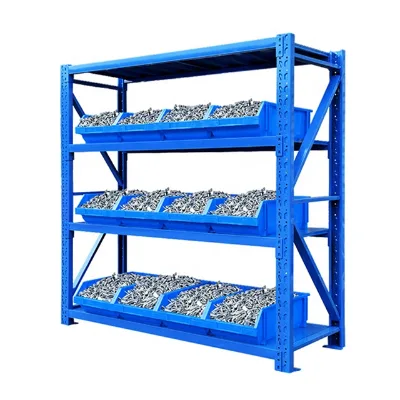
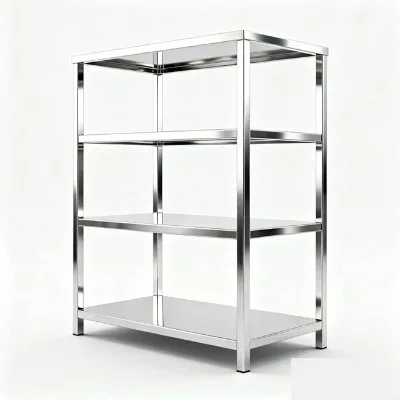
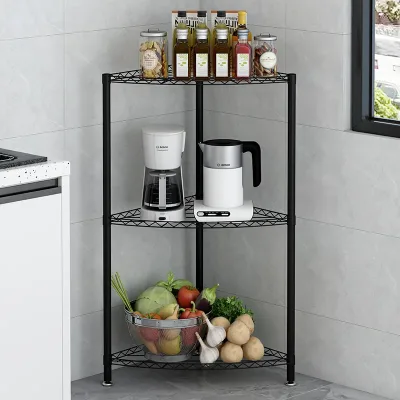


Comprehensive Sourcing Guide
Strategic Sourcing Guide for Heavy Duty Commercial Storage Rack
The global demand for efficient warehouse infrastructure has elevated the heavy-duty commercial storage rack from a simple utility to a critical component of supply chain logistics. For procurement professionals, sourcing these systems requires a disciplined approach that balances technical specifications, regulatory compliance, and total cost of ownership. The market offers a diverse array of configurations, ranging from conventional fixed units to advanced adjustable systems designed for high-bay applications. This guide provides a structured framework for evaluating suppliers and selecting the appropriate storage solutions based on verified product attributes and industry standards.
Technical Specifications and Structural Design
When evaluating heavy-duty commercial storage racks, the primary focus must be on structural integrity and load-bearing capacity. The core product attributes observed in the market indicate a wide spectrum of designs, primarily categorized by their mobility and structural composition. Buyers must distinguish between fixed, combined, and adjustable mobility types. Fixed systems offer maximum stability for static inventory, while combined and adjustable variants provide the flexibility required for dynamic warehouse environments where SKU counts and storage densities fluctuate.
The physical dimensions of these racks are equally critical. Available height ranges span from 0 to 5 meters for standard applications up to 5 to 15 meters for high-bay industrial facilities. This variation dictates the vertical space utilization and the type of handling equipment required, such as forklifts or automated guided vehicles. The weight of the assembled structures typically falls between 150kg and 500kg per unit, a factor that influences shipping logistics and on-site assembly labor.
Material composition is a non-negotiable aspect of heavy-duty racking. The industry standard for these systems is steel, chosen for its tensile strength and durability. Specific thickness specifications are often provided for individual components; for instance, upright frames may range from 1.8mm to 2.5mm in thickness, while beams typically vary between 1.5mm and 1.8mm. These measurements are not merely descriptive but are essential for verifying that the rack can support the intended load capacity, which is observed to range from 500kg to 4000kg per layer.
The structural design also varies between shelf-type configurations and beam-type composite structures. Beam-type composite structures are particularly prevalent in selective pallet racking systems, offering a balance between strength and cost-efficiency. The pitch or interval for height adjustment is a vital specification for flexible storage; observed data indicates standard adjustment intervals of 75mm, allowing for precise vertical positioning of beams to accommodate pallets of varying heights.
Compliance, Certification, and Regulatory Standards
In the B2B procurement of industrial storage systems, compliance with international quality and safety standards is paramount. Suppliers operating in this sector often adhere to rigorous certification frameworks to demonstrate their commitment to quality management and environmental responsibility. A comprehensive evaluation of a supplier's credentials should include verification of ISO 9001 certification, which validates the supplier's quality management system. Additionally, ISO 14001 certification indicates adherence to environmental management standards, ensuring that production processes minimize ecological impact.
For products intended for the European market or those requiring specific safety assurances, the CE mark is a critical indicator of conformity with health, safety, and environmental protection standards. Furthermore, ISO 10012 certification relates to the measurement management systems, ensuring that the dimensional accuracy of the racks meets precise engineering tolerances. While some suppliers may list "ISO" as a general certification, buyers should request specific documentation to confirm which standards are actively held and current.
It is important to note that product standards can vary based on the specific model and intended use. Some systems are designed to meet "SELECTIVE" racking standards, while others are "customized" to fit unique facility requirements. The origin of the product, often cited as Tianjin, Nanjing, or generally China, does not inherently dictate quality but serves as a reference point for supply chain logistics. Buyers must verify that the specific model, such as the NH series or HBT3100915, complies with the relevant local and international building codes for the destination country.
Cost Drivers and Pricing Dynamics
The pricing of heavy-duty commercial storage racks is influenced by a complex interplay of factors, including material costs, manufacturing complexity, and logistics. The observed price range in the market is extensive, spanning from $0.50 to $930.00. This wide disparity reflects the difference between individual components, such as single beams or uprights, and complete, fully assembled racking systems or specialized export packages.
Material thickness is a primary cost driver. Racks with uprights at 2.5mm and beams at 1.8mm will command a higher price point than those with thinner gauges, directly correlating to the load capacity and longevity of the system. The surface treatment process, specifically electrostatic spraying, adds value by providing corrosion resistance and aesthetic appeal, which can be found in red or blue color options. This finishing process is a standard for industrial equipment but contributes to the overall unit cost.
Logistics and packaging also significantly impact the final landed cost. The choice between "Common Packing" and "Special Package for Export" or "Wooden Pallet" packaging affects shipping efficiency and protection during transit. Products packed in bundles on pallets wrapped with films offer a balance of security and cost, whereas specialized export packaging may incur higher fees but reduce the risk of damage. The Minimum Order Quantity (MOQ) is another financial consideration, with observed ranges from 1 to 1000 units. Higher volume orders typically allow for better negotiation on unit pricing, while smaller orders may require a premium for setup and handling.
Typical Applications and Usage Scenarios
Heavy-duty commercial storage racks are versatile solutions designed to meet the needs of various industrial sectors. The primary usage category is the warehouse rack, serving as the backbone for inventory management in distribution centers. However, the application extends beyond general warehousing to include industrial tool storage, tool racks, and specialized storage for specific commodities.
The versatility of these systems is evident in their adaptability to different environments. They are commonly utilized in industrial settings for heavy machinery parts, in supermarkets for bulk goods, and in beverage distribution centers where high density is required. Some configurations are even suitable for clothing storage, demonstrating the range of load profiles these racks can support. The "Serviceability" attribute is noted as "Common Use," indicating that these systems are designed for high-frequency access and retrieval operations.
The choice of structure—whether shelf-based or rack-based—depends on the nature of the goods. Shelf structures are ideal for smaller, boxed items, while beam-type composite structures are preferred for palletized loads. The height of the system, ranging up to 15 meters, allows for vertical expansion in facilities with high ceilings, maximizing cubic storage volume. This adaptability makes heavy-duty racks a fundamental asset for businesses looking to optimize their storage footprint and improve operational efficiency.
Supplier Evaluation and Sourcing Strategy
Selecting the right supplier requires a rigorous evaluation process that goes beyond price comparison. Buyers should prioritize suppliers who offer OEM (Original Equipment Manufacturer) support, as this indicates the ability to customize products to specific brand or facility requirements. The availability of customization is a key differentiator in the market, allowing for tailored solutions that fit unique spatial constraints or load requirements.
Geographic origin plays a role in the sourcing strategy. Suppliers located in industrial hubs like Tianjin and Nanjing in China often have established supply chains and manufacturing capabilities. However, buyers must verify the specific capabilities of the supplier rather than relying solely on location. The "Development" attribute, ranging from "Conventional" to "New Type," suggests that some suppliers are innovating with advanced designs, while others stick to proven, traditional models.
When evaluating suppliers, buyers should request detailed product data sheets that confirm the specific model numbers, such as BTPL-0624905 or PR 90. These identifiers help in cross-referencing technical specifications and ensuring that the quoted product matches the required engineering standards. Additionally, the "Transport" method, typically by sea, should be factored into the lead time and logistics planning. A reliable supplier will provide clear information on packaging, such as wooden pallets or film-wrapped bundles, to ensure the goods arrive in pristine condition.
Quality Control and Long-Term Procurement Considerations
Ensuring the long-term reliability of heavy-duty storage racks requires a proactive approach to quality control. Buyers should implement a verification process that includes checking the surface treatment for uniformity and adhesion, as electrostatic spraying is critical for preventing rust and corrosion in industrial environments. The structural integrity of the beam-type composite structure must be validated against the specified load capacity of 500-4000kg per layer.
Long-term procurement considerations also involve the maintenance and scalability of the system. The height adjustment feature, with its 75mm pitch or intervals, allows for future reconfiguration without the need for new equipment. This flexibility is essential for businesses anticipating growth or changes in inventory patterns. The "Closed" attribute, which can be "Semi-closed" or "Open," influences safety and security; open structures are easier to inspect, while semi-closed designs may offer additional protection against dust or debris.
Finally, buyers should consider the total cost of ownership, which includes installation, maintenance, and potential expansion costs. Suppliers that offer "Special Package for Export" may facilitate easier installation and reduce the risk of damage during transit, thereby lowering long-term operational risks. By focusing on verified specifications, robust certifications, and flexible design features, procurement professionals can secure storage solutions that deliver value and safety over the lifespan of the facility.
FAQs
What certifications do Heavy Duty Commercial Storage Rack suppliers hold?
Suppliers typically hold ISO 9001, ISO 14001, ISO 10012, and CE certifications. These credentials validate quality management, environmental standards, and measurement accuracy for the steel structures.
How can I customize the Heavy Duty Commercial Storage Rack design?
Customization is available for most models to fit specific facility needs. Buyers can request tailored specifications, dimensions, or surface treatments like electrostatic spraying in red or blue colors.
What is the typical load capacity per layer for these racks?
The observed load capacity ranges from 500kg to 4000kg per layer. This capacity depends on the specific model and the thickness of the upright frames and beams used in construction.
Which height adjustment intervals are standard for adjustable racks?
Standard height adjustment intervals are typically 75mm or 75mm pitch. This allows precise vertical positioning of beams to accommodate pallets of varying heights in warehouse environments.
Can I find heavy duty commercial storage racks with specific thickness specs?
Yes, specific thickness specifications are available for uprights and beams. Uprights often range from 1.8mm to 2.5mm, while beams typically vary between 1.5mm and 1.8mm for structural integrity.
What packaging options are available for exporting heavy duty commercial storage racks?
Packaging options include common packing, special export packages, wooden pallets, or bundles wrapped with films. The choice affects shipping efficiency and protection during transit to the destination.
Where are the manufacturers of heavy duty commercial storage racks located?
Manufacturers are primarily located in Tianjin, Nanjing, and other regions in China. These industrial hubs provide established supply chains for steel-based storage systems and related components.