Source Heavy Duty Crankshaft Main Bearing for Engines
Find 30 Heavy Duty Crankshaft Main Bearing options for automotive and industrial machinery. Compare specifications, certifications, and packaging details to identify suitable components for diesel engines and metal processing applications; compare the available evidence and request quotations based on your requirements.
Key considerations
Products List




Comprehensive Sourcing Guide
Heavy Duty Crankshaft Main Bearing Sourcing Guide
Procuring heavy duty crankshaft main bearings requires a disciplined approach to technical verification and supplier qualification. These components are critical for maintaining engine integrity in high-stress environments, serving applications such as trucks, excavators, and industrial machinery. Buyers must prioritize precision engineering and material durability to prevent catastrophic engine failure. The sourcing process involves evaluating multiple data points, from dimensional accuracy to surface treatment quality, ensuring that every bearing meets the rigorous demands of continuous heavy-duty operation.
This guide provides a structured framework for evaluating suppliers and products based on observed market signals and technical requirements. It focuses on actionable steps for verifying specifications, understanding cost drivers, and establishing long-term quality controls. By adhering to these procurement principles, buyers can mitigate risks associated with non-standard components and ensure consistent performance across their fleet or production lines. The following sections detail the essential checks and considerations necessary for successful sourcing.
Product Scope and Observed Listing Signals
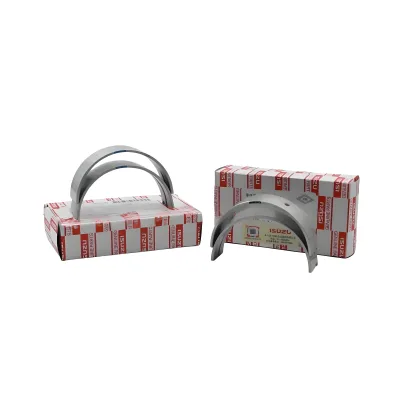
The market for heavy duty crankshaft main bearings includes a variety of models designed for specific engine types, such as diesel engines used in cars, trucks, boats, and tractors. Observed listings indicate a wide range of part numbers, including OE references like 2991780, 2991840, 2041p60, and 9176030, which help buyers identify compatible replacements. These bearings are often categorized by their application in metal processing machinery or automotive sectors, highlighting their versatility across different industrial domains. Buyers should cross-reference these part numbers with their existing inventory to ensure compatibility.
Listing signals also reveal variations in packaging and origin, with products originating from regions like Shandong and Henan in China. Packaging methods range from neutral carton boxes to wooden crates, depending on the order size and shipping requirements. Some listings specify standard dimensions such as 94x43.5x2mm, while others offer custom sizes. Understanding these signals helps buyers assess the supplier’s capacity to handle diverse orders and their attention to detail in product presentation, which often reflects their overall operational standards.
Technical Specifications to Verify
Dimensional accuracy is paramount when sourcing crankshaft main bearings, as even minor deviations can lead to premature wear or engine failure. Buyers must verify critical dimensions such as width, inner diameter, and outer diameter against the original equipment manufacturer’s specifications. Observed standards include specific measurements like 94x43.5x2mm, but buyers should always confirm these values for their specific engine model. Additionally, material composition, typically steel or iron, must be verified to ensure it meets the load-bearing requirements of the application.
Surface treatment and finish are also crucial technical aspects that influence bearing performance and longevity. Processes such as surface hardening and electroplating with copper, lead, or tin can enhance wear resistance and friction properties. Buyers should request detailed information on the surface treatment methods used by the supplier to ensure they align with the operational demands of the engine. Furthermore, verifying the output type, such as AC three-phase compatibility for associated machinery, ensures that the bearing integrates seamlessly into the broader mechanical system.
Compliance and Safety Documentation
Certification plays a vital role in ensuring that crankshaft main bearings meet international quality and safety standards. Buyers should prioritize suppliers who provide certifications such as ISO, RoHS, and CE, which indicate adherence to recognized manufacturing practices and environmental regulations. Some listings also mention TSCE or other specific standards, which may be relevant depending on the target market. Verifying these certifications helps buyers mitigate legal and operational risks associated with non-compliant products.
Documentation should also include detailed material safety data sheets and test reports that confirm the bearing’s performance under various conditions. Buyers must ensure that the supplier provides transparent information about the manufacturing process, including casting techniques and quality control measures. This documentation is essential for auditing purposes and for maintaining consistency in the supply chain. Without proper compliance documentation, buyers risk encountering issues related to product reliability and regulatory adherence in their operations.
Cost Drivers and Commercial Terms
Several factors influence the cost of heavy duty crankshaft main bearings, including material quality, manufacturing complexity, and order volume. Buyers should consider the trade-off between price and performance, as lower-cost options may compromise on material durability or surface treatment quality. Observed minimum order quantities (MOQs) vary, with some suppliers requiring as few as one unit while others demand 200 sets or more. Understanding these MOQs helps buyers plan their inventory and negotiate better terms based on their purchasing volume.
Shipping and packaging costs also contribute to the total procurement expense, with options ranging from carton packages to wooden boxes and ocean freight. Buyers should evaluate the total landed cost, including logistics and handling fees, rather than focusing solely on the unit price. Additionally, payment terms and lead times can impact cash flow and operational continuity. Establishing clear commercial terms with suppliers ensures that both parties have a mutual understanding of expectations, reducing the risk of delays or disputes during the procurement process.
Supplier Qualification and Quality Control
Evaluating supplier qualifications is essential for ensuring the reliability of heavy duty crankshaft main bearings. Buyers should assess the supplier’s manufacturing capabilities, including their use of advanced casting techniques and precision machining equipment. Suppliers with a history of producing non-standard components may offer greater flexibility in meeting specific customer requirements. Verifying the supplier’s quality control processes, such as in-process inspections and final testing, helps ensure that every bearing meets the specified standards before shipment.
Building a strong relationship with suppliers through regular communication and performance reviews is crucial for long-term success. Buyers should establish clear quality expectations and conduct periodic audits to verify compliance with agreed-upon standards. Additionally, maintaining a diverse supplier base can mitigate risks associated with supply chain disruptions. By prioritizing suppliers with robust quality control systems and a commitment to continuous improvement, buyers can ensure a steady supply of high-quality bearings for their operations.
Long-Term Procurement Checks
Continuous monitoring of bearing performance in the field is essential for identifying potential issues early and preventing costly downtime. Buyers should track key performance indicators such as failure rates, wear patterns, and maintenance intervals to assess the long-term reliability of the bearings. Feedback from field operations should be shared with suppliers to drive improvements in product design and manufacturing processes. This collaborative approach helps both parties refine their offerings and address emerging challenges in the heavy duty sector.
Regularly reviewing supplier performance and market trends ensures that procurement strategies remain aligned with business objectives. Buyers should stay informed about advancements in bearing technology and materials that could enhance performance and durability. Additionally, maintaining up-to-date documentation and compliance records is crucial for navigating regulatory changes and industry standards. By adopting a proactive approach to long-term procurement checks, buyers can sustain operational efficiency and achieve cost savings over the lifecycle of their heavy duty equipment.
FAQs
What certifications do heavy duty crankshaft main bearings have?
These bearings typically hold ISOGS, RoHS, and CE certifications. Some listings also include TSCE and ISO marks. Buyers should verify specific documents for each supplier to ensure compliance with regional safety and environmental standards before placing orders.
Which materials are used for heavy duty crankshaft main bearings?
Manufacturers primarily use steel and iron for these components. The material selection ensures durability under high stress. Some products feature surface treatments like copper, lead, or tin plating to enhance performance and resistance against wear in demanding engine environments.
Can I find customized heavy duty crankshaft main bearings?
Customization is available for many Heavy Duty Crankshaft Main Bearing models. Buyers can request specific dimensions or finishes like surface hardening. However, some standard items remain non-customized, so confirm the customization option with the supplier before finalizing the purchase agreement.
What is the typical MOQ for heavy duty crankshaft main bearings?
The minimum order quantity ranges from one unit up to two hundred sets depending on the supplier. Specific listings may require 200 sets for certain engine main bearing models. Buyers should check individual product pages to confirm the exact MOQ applicable to their order size.
How are heavy duty crankshaft main bearings packaged for shipping?
Packaging options include carton boxes, wooden boxes, and plywood cases. Some suppliers use neutral carton boxes for standard shipments. Ocean freight is also listed as a shipping method for these heavy components, ensuring safe delivery to international destinations from China.
Which standards apply to heavy duty crankshaft main bearings?
Products often comply with BS, ANSI, JIS, GB, GOST, and DIN standards. Specific dimensions like 94x43.5x2mm or 50-90mm are common. Buyers must match these standard specifications with their engine requirements to ensure proper fit and operational safety in various machinery applications.
Where are heavy duty crankshaft main bearings manufactured?
These bearings are manufactured in China, with specific origins in Shandong and Henan provinces. The production facilities utilize casting and surface hardening processes. Buyers sourcing from these regions can access a wide range of models including those for cars, trucks, and excavators.