Source Heavy Duty Ground Protection Mats for Construction, Events, and Mining
Explore 30 listings for Heavy Duty Ground Protection Mats designed for construction sites, outdoor events, and mining operations. Buyers can compare specifications such as material type, tensile strength, and custom sizes from verified Chinese manufacturers.
Key considerations
Products List


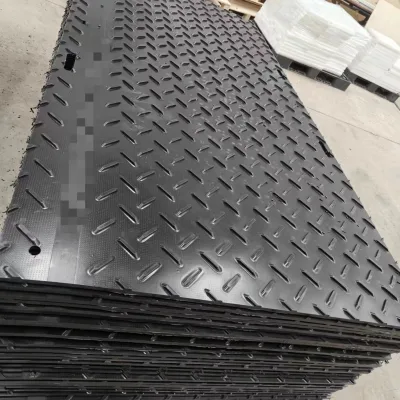
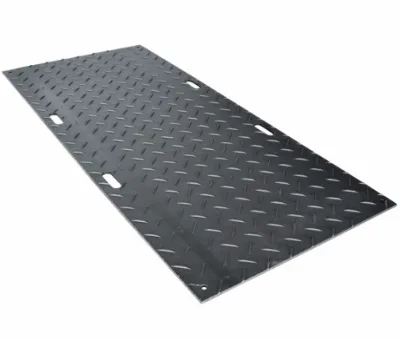
Over-Lapping Connected Ground Protection Mats Heavy Duty Construction Road Mats
$523.16 - $595.00
MOQ: 20 Pieces


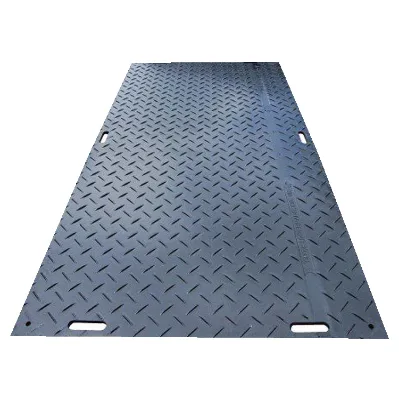
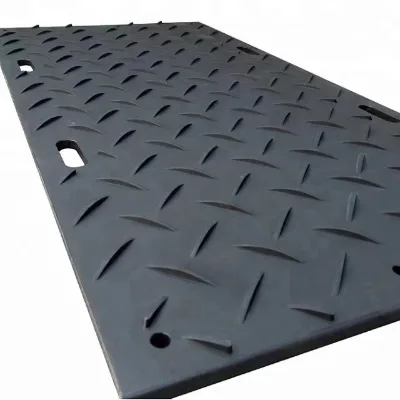
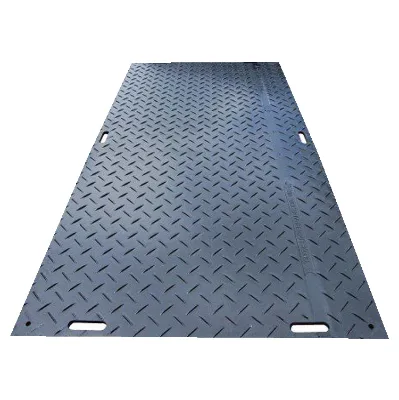
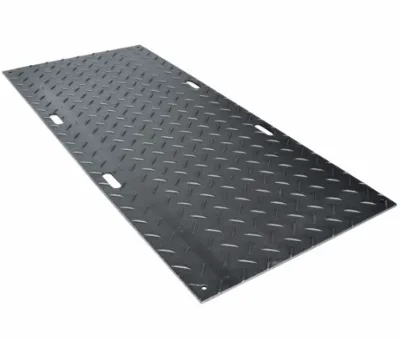


Comprehensive Sourcing Guide
Strategic Sourcing Guide for Heavy Duty Ground Protection Mats
Understanding Material Composition and Physical Properties
When sourcing Heavy Duty Ground Protection Mats, the primary differentiator lies in the polymer base material, which dictates the mat's load-bearing capacity, durability, and environmental resistance. The market presents distinct options, primarily between Polyethylene (PE) and Polypropylene (PP), each offering unique performance profiles. Based on observed product data, PE-based mats are characterized by a density ranging from 0.94 to 0.98 g/cm³, with specific variants utilizing 100% virgin material to ensure consistent structural integrity. These PE mats demonstrate exceptional resistance to moisture, with water absorption rates recorded at less than 0.01%, making them ideal for wet or muddy environments where water retention could compromise stability.
In contrast, PP-based alternatives often exhibit a slightly lower density, typically between 0.93 and 0.97 g/cm³, and may show higher water absorption rates, ranging from 0.1% to 0.3%. This variance in absorption is a critical factor for buyers assessing long-term performance in saturated conditions. The mechanical strength of these mats also varies significantly across the product spectrum. Some high-performance PE variants boast a tensile strength between 81 and 130 MPa, coupled with a contraction percentage of less than 0.4%, indicating high dimensional stability under stress. Conversely, other listings indicate tensile strengths in the 30 to 40 MPa range with contraction percentages between 2.0% and 5.0%. Buyers must verify which material grade aligns with their specific load requirements, as the lower tensile strength and higher contraction rates may be suitable for lighter duties but insufficient for heavy machinery support.
The manufacturing process also influences the final product's surface characteristics. Many heavy duty mats feature an anti-slip surface or anti-slip textured finish, often achieved through moulding or cutting processes. This surface treatment is essential for safety, providing traction for personnel and equipment operating on the mats. The standard mat size observed in the market is 2440mm x 1220mm x 12.7mm, though custom sizes such as 2000mm x 1000mm or 1000mm x 1000mm x 80mm are frequently available. The color of these mats is predominantly black, which can be a standard aesthetic choice or a result of the raw material composition.
Technical Specifications and Standardization
Defining the technical specifications is a prerequisite for successful procurement, as "heavy duty" is a relative term dependent on the specific application environment. The standard mat size of 2440mm x 1220mm serves as a baseline for many products, but suppliers often offer a range of dimensions including 910mm x 2440mm and 610mm x 2440mm to accommodate different coverage needs. Thickness is a critical variable; while some standard mats are 12.7mm thick, heavy-duty variants intended for extreme loads may reach thicknesses of 80mm. Buyers should explicitly verify the thickness and density specifications against their anticipated ground pressure.
Connector systems are another vital technical aspect. The market offers mats equipped with steel connectors, which facilitate the interlocking of multiple mats to create a continuous, stable surface. A notable advantage in the current product landscape is that many of these connector systems do not require specialized tools for assembly, streamlining the deployment process on-site. However, the presence or absence of connectors must be confirmed during the sourcing phase, as some mats may rely on friction or overlapping for stability.
The following table summarizes the observed technical variations in material and physical properties:
| Property | PE-Based Variant | PP-Based Variant |
|---|---|---|
| Material | Polyethylene (PE) | Polypropylene (PP) |
| Density | 0.94–0.98 g/cm³ | 0.93–0.97 g/cm³ |
| Water Absorption | < 0.01% | 0.1%–0.3% |
| Tensile Strength | 81–130 MPa | 30–40 MPa |
| Contraction % | < 0.4% | 2.0%–5.0% |
| Surface Finish | Anti-Slip / Textured | Anti-Slip / Finished |
| Typical Thickness | 12.7mm (Standard) | Variable (up to 80mm) |
Buyers must ensure that the selected mat's standard size and custom options align with their project layout. While standard sizes are readily available, the ability to accept custom sizes is a key feature for specialized applications. The raw material quality, specifically the use of 100% virgin material, is a strong indicator of product longevity and resistance to degradation, whereas recycled content may vary in performance consistency.
Compliance, Certification, and Quality Verification
In the absence of explicit certification data in the product listings, buyers must adopt a rigorous verification protocol to ensure compliance with industry standards. The sourcing guide emphasizes that "heavy duty" claims should be substantiated by third-party test results rather than marketing descriptions. Since specific certification status is not universally listed, procurement teams should request Material Safety Data Sheets (MSDS) and physical test reports for tensile strength, water absorption, and density. These documents provide the empirical evidence required to validate the claimed performance metrics.
Compliance with international standards for construction and ground protection is essential, particularly for projects involving heavy machinery or public safety. Buyers should verify if the supplier adheres to recognized standards for plastic sheeting and ground protection equipment. The origin of the product, often listed as China or specifically Shandong China, does not preclude high quality, but it necessitates a thorough review of the supplier's quality management systems. The presence of a "Finished" surface finishing process suggests a controlled manufacturing environment, but this should be confirmed through site audits or video inspections of the production line.
Furthermore, the standard mat size and custom size capabilities should be cross-referenced with project specifications to ensure that the mats meet the required coverage area without excessive waste. The use of virgin material is a significant quality indicator, as it reduces the risk of brittleness and premature failure. Buyers should explicitly request confirmation that the raw material is 100% virgin and inquire about the sourcing of this material to ensure supply chain transparency.
Cost Drivers and Pricing Dynamics
The pricing of Heavy Duty Ground Protection Mats is influenced by several dynamic factors, including material costs, manufacturing complexity, and order volume. The observed price range in the market spans from $1.50 to $595.00 per unit, a wide variance that reflects differences in size, thickness, material grade, and customization. The lower end of the price spectrum likely corresponds to smaller, thinner, or standard-sized mats with basic features, while the higher end reflects heavy-duty, thick, custom-sized mats with specialized surface treatments or connector systems.
Order volume plays a pivotal role in cost determination. The Minimum Order Quantity (MOQ) ranges from 1 piece to 1000 pieces, offering flexibility for small-scale projects while allowing for economies of scale on larger contracts. Suppliers often provide sample availability, which allows buyers to evaluate product quality before committing to a large order. The single piece weight, observed at 18kg for certain models, directly impacts shipping costs, which are typically handled via sea freight. Buyers should factor in the total landed cost, including freight, insurance, and potential customs duties, rather than focusing solely on the unit price.
Customization services, such as cutting to specific dimensions or adding free logos, can influence the final cost. While these services add value, they may also increase the unit price or extend the lead time. The packing method, whether in wooden cases, pallets, or wooden pallets, also affects logistics costs. Heavy-duty mats packed in wooden cases may incur higher shipping fees but offer superior protection during transit.
Typical Applications and Usage Scenarios
Heavy Duty Ground Protection Mats are designed for a wide array of applications, primarily in the building and construction sectors. Their usage is predominantly exterior, making them suitable for outdoor environments where ground conditions are unstable or prone to damage. Common applications include protecting sensitive landscapes, such as lawns, gardens, and agricultural fields, from the heavy weight of construction vehicles and equipment. The mats distribute the load over a larger surface area, preventing soil compaction and rutting.
In construction sites, these mats provide a stable working platform for cranes, excavators, and other heavy machinery, reducing the risk of equipment getting stuck in mud or soft ground. The anti-slip surface finish is particularly valuable in these scenarios, ensuring safety for workers and operators. The mats are also utilized in event management, where they protect flooring and ground surfaces from foot traffic and heavy loads during festivals, concerts, and exhibitions.
The versatility of these mats extends to temporary roadways and access paths in remote or undeveloped areas. The ability to customize the size and thickness allows for tailored solutions in various terrains. Whether used for short-term projects or long-term installations, the durability of the 100% virgin material ensures that the mats can withstand repeated use and harsh environmental conditions.
Supplier Evaluation and Quality Control
Evaluating suppliers requires a focus on their production capabilities, customization options, and quality assurance processes. The availability of customization, including free logo addition and custom cutting, indicates a flexible manufacturing process. Buyers should assess the supplier's ability to meet specific model numbers and standard requirements, such as the 2440mm x 1220mm standard size or custom dimensions. The presence of multiple model numbers suggests a diverse product line capable of meeting various project needs.
Quality control should be a central part of the supplier evaluation. Buyers should inquire about the supplier's testing procedures for tensile strength, density, and water absorption. The observation of specific performance metrics, such as tensile strength up to 130 MPa, should be verified through independent testing. The supplier's origin, whether general China or specific regions like Shandong, should be considered in the context of their logistical capabilities and reputation.
The packing method is another indicator of supplier professionalism. Mats packed in wooden cases or on wooden pallets suggest a commitment to protecting the product during transit. Buyers should also verify the sample availability, as this allows for a hands-on assessment of the product's quality before placing a large order. The ability to provide samples is a strong signal of supplier confidence in their product.
Long-Term Procurement Considerations
Sourcing Heavy Duty Ground Protection Mats is not merely a transactional activity but a strategic decision that impacts project efficiency and cost management over time. Buyers should consider the lifecycle of the mats, including their durability, ease of maintenance, and recyclability. The use of 100% virgin material suggests a longer lifespan and better resistance to environmental degradation, which can reduce the frequency of replacement and lower long-term costs.
Logistics and storage are also critical factors. The standard mat size and weight must be compatible with the buyer's storage facilities and transportation methods. The sea freight option is common for these products, but buyers should plan for potential delays and ensure that the mats are stored in a way that prevents damage. The availability of custom sizes can optimize storage space and reduce waste, contributing to a more sustainable procurement strategy.
Finally, buyers should maintain a relationship with suppliers that offers flexibility for future orders. The ability to customize mats and the availability of samples indicate a supplier that is responsive to changing project needs. By focusing on technical specifications, quality verification, and supplier reliability, buyers can ensure a steady supply of high-quality ground protection mats that meet the demands of their projects.
FAQs
What is the tensile strength of PE Heavy Duty Ground Protection Mats?
PE Heavy Duty Ground Protection Mats exhibit a tensile strength ranging from 81 to 130 MPa. This high strength ensures dimensional stability under stress, with a contraction percentage of less than 0.4%.
Can I get custom sizes for Heavy Duty Ground Protection Mats?
Yes, custom sizes are available for Heavy Duty Ground Protection Mats. Suppliers offer dimensions like 2440mm x 1220mm or specific OEM sizes such as 2000mm x 1000mm to meet project requirements.
How does water absorption differ between PE and PP mats?
PE mats have a water absorption rate of less than 0.01%, while PP mats range from 0.1% to 0.3%. This makes PE variants more suitable for wet environments where moisture resistance is critical.
What is the standard mat size for Heavy Duty Ground Protection Mats?
The standard mat size is 2440mm x 1220mm with a thickness of 12.7mm. Other standard options include 910mm x 2440mm and 610mm x 2440mm depending on the supplier configuration.
Which material is used for 100% virgin Heavy Duty Ground Protection Mats?
Both PE and PP materials are used for 100% virgin Heavy Duty Ground Protection Mats. PE variants typically have a density of 0.94-0.98 g/cm³, ensuring consistent structural integrity.
How are Heavy Duty Ground Protection Mats packed for shipment?
Mats are packed in wooden cases, on wooden pallets, or in standard pallets. This packaging ensures protection during transit, especially for heavy units weighing up to 18kg per piece.