Source 6-benzylaminopurine plant growth regulator for crops, fruits, and vegetables
Compare 30 listings for 6-benzylaminopurine plant growth regulator from verified Chinese manufacturers. Review specifications like purity, packaging, and grade to find the right solution for agricultural applications.
Key considerations
Products List
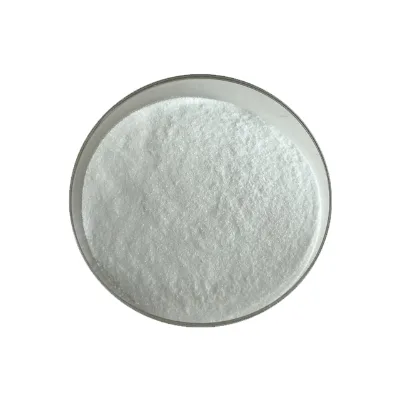
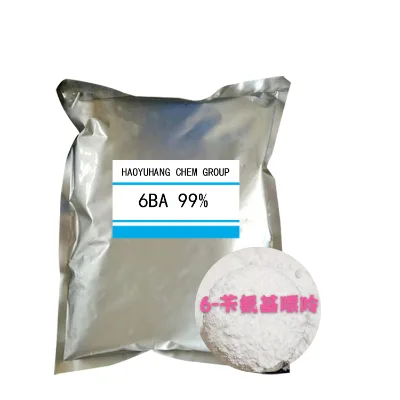
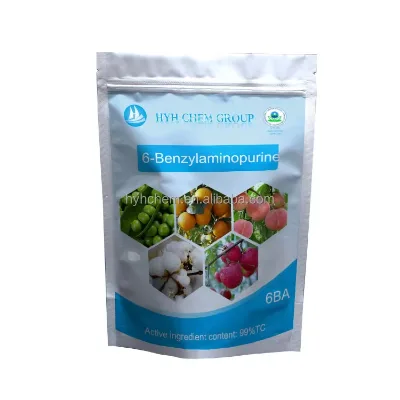
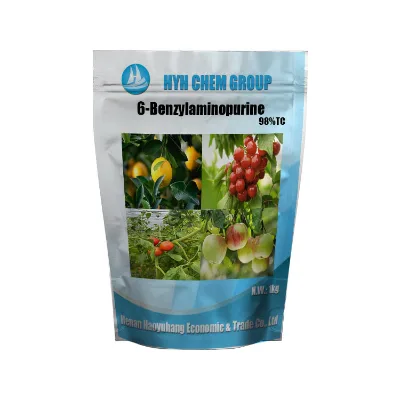
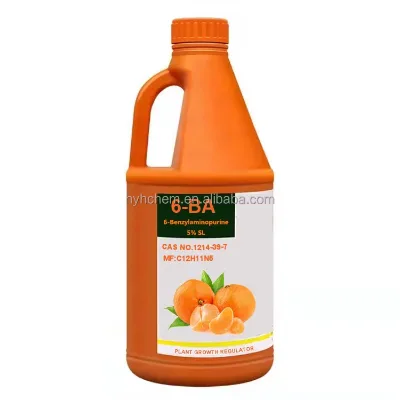
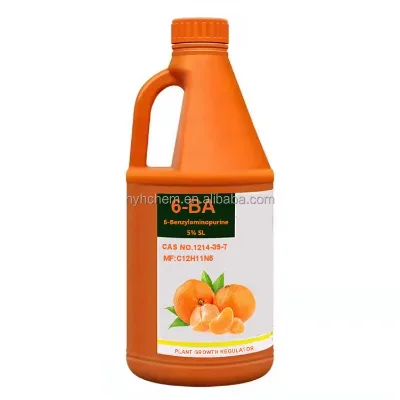


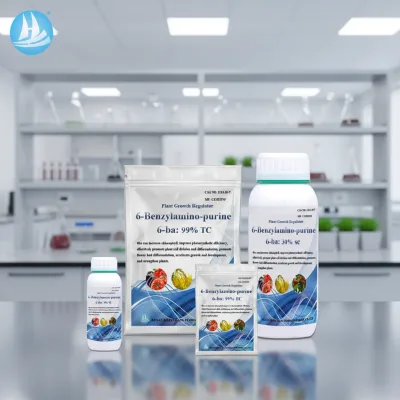
Plant Growth Regulator 6-BA 6-Benzylaminopurine(6BA) 99%TC 2%SL 5% 30% SC
$10.12 - $20.23
MOQ: 1 Minimum




Comprehensive Sourcing Guide
Strategic Sourcing Guide for 6-Benzylaminopurine Plant Growth Regulators
Understanding the Technical Profile of 6-Benzylaminopurine
The procurement of 6-Benzylaminopurine (6-BA) requires a precise understanding of its chemical identity and physical properties to ensure compatibility with agricultural and industrial applications. This compound, chemically identified by CAS No. 1214-39-7 and EINECS No. 214-927-5, functions primarily as a cytokinin, a class of plant hormones that regulate cell division and growth. In the market, it is frequently referenced by alternative names such as 6-BA or under model numbers like Insen-6-Benzylaminopurine. The molecular formula, C12H11N5, defines its structural composition, which directly influences its solubility and reactivity.
Physically, the product is observed in the market as a white crystal powder or white powder, appearing in a solid state. The melting point is a critical physical constant, typically observed in the range of 222-225 °C. Solubility data indicates a value of approximately 0.44 g/L, which is a vital parameter for formulators developing liquid sprays or slurry applications. Buyers must distinguish between different physical forms, as some listings describe the product as a liquid shape, while the standard raw material is a powder. The flash point is recorded at 103°F, necessitating specific handling protocols during storage and transport to mitigate fire risks.
The purity of the raw material is a primary differentiator in this sector. Market observations show a wide spectrum of purity grades, ranging from 98% to 99% in Technical Concentrate (TC) forms. Furthermore, the product is available in various formulated states, including 5% SL (Soluble Liquid), 2% SL, and 1% SP (Soluble Powder). The classification of the product often falls under "Plant Growth Regulator" or "Growth Promoter," with specific applications in promoting plant growth. Understanding these variations is essential, as a buyer seeking a raw material for further formulation will have different requirements than a buyer purchasing a ready-to-use agricultural solution.
Regulatory Compliance and Certification Verification
Navigating the regulatory landscape for 6-Benzylaminopurine involves verifying compliance with international and local standards, particularly given its use in agriculture. The product is categorized under various grades, including Agricultural grade, Industrial grade, and Medicine grade. This classification dictates the level of purity and the testing protocols required. For instance, the "Grade Standard" field in supplier data often lists Industrial and Medicine grades, suggesting that the same chemical entity may be processed to different purity thresholds depending on the intended end-use.
Buyers must verify the EINECS registration status, as the provided data lists numbers such as 214-927-5 and 19406. These identifiers are crucial for customs clearance and regulatory compliance within the European Union and other jurisdictions that rely on the European Inventory of Existing Commercial Chemical Substances. Additionally, the PD No. (Product Description or Registration Number) is a field that suppliers may provide upon registration, which is a mandatory check for agricultural chemicals in many countries to ensure the product is legally permitted for sale and use.
Certification checks should extend beyond the chemical identity to include quality grades such as Crude, Technical, and Refined. The "Quality" attribute often varies, and buyers must confirm which specific grade aligns with their application needs. While some suppliers claim adherence to specific standards, the absence of explicit certification names in the general data requires buyers to request documentation directly. Verification of the "Grade Standard" is non-negotiable, as using an Industrial grade product in a food crop application could lead to regulatory violations. Buyers should also confirm the "Classification" of the product, ensuring it is correctly identified as a Brassinosteroid or a cytokinin derivative, as misclassification can lead to incorrect application rates and regulatory issues.
Cost Drivers and Pricing Dynamics
The pricing of 6-Benzylaminopurine is influenced by a complex interplay of factors, including purity levels, formulation type, and packaging specifications. The observed market price range spans from 1 to 300 USD, a wide variance that reflects the difference between raw technical concentrate and formulated solutions. The "Selling Units" are typically listed as single items, but the actual transaction volume often depends on the Minimum Order Quantity (MOQ).
MOQs in this sector vary significantly, with observed ranges from 1 kg to 500 kg. This flexibility allows small-scale researchers or farmers to access the product, while larger agricultural operations may negotiate bulk rates. The "Package" specifications also impact cost; standard packaging includes 25kg drums, 1kg bags, or 200L drums for liquid formulations. Customized packages are available, which may incur additional handling or logistics costs. The "Single gross weight" of 1.500 kg for a small package and the dimensions of the single package size (ranging from 13x15x17 cm to 30x25x15 cm) are critical for calculating freight charges, which can be a significant portion of the total landed cost.
Furthermore, the "Grade" of the product is a primary cost driver. Agricultural grade products may be priced differently than those meeting Medicine or Industrial grade standards. The "Purity" level, whether 98% TC or 99% TC, directly correlates with the manufacturing cost and, consequently, the market price. Buyers should also consider the "Shelf life" of 2 years, as this affects inventory management costs and the potential for product degradation over time. The availability of "Small sample support" can also influence the initial procurement strategy, allowing buyers to test the product before committing to larger orders, though this may come with a premium per unit.
Typical Applications and Formulation Considerations
The primary application of 6-Benzylaminopurine is as a plant growth regulator, specifically designed to promote plant growth. Its utility extends across various agricultural sectors, where it is used to enhance cell division, delay senescence, and improve crop yield. The "Application" field explicitly states "Plant Growth," and the "Function" is defined as a "Plant growth regulator." The "Usage" is described as promoting plant growth, making it a versatile tool for farmers and horticulturists.
Formulation considerations are critical when sourcing this product. The product is available in multiple forms, including powder and liquid. The "Shape" attribute indicates that liquid forms exist, which may be ready-to-use solutions or concentrates. The "Solubility" of 0.44 g/L suggests that the raw powder requires specific solvents or emulsifiers to be effective in liquid spray applications. Buyers must ensure that the supplier provides the correct formulation for their specific equipment and application method. For instance, a 2% SL (Soluble Liquid) formulation is designed for direct dilution, whereas a 99% TC (Technical Concentrate) requires further processing by the buyer or a third-party formulator.
The "Kind" of the product is listed as a "Growth Promoter," which aligns with its biological function. However, the specific application rate and method depend on the crop type and the desired outcome. The "Model Number" often indicates the specific formulation, such as "6BA 99%TC" or "Insen-6-Benzylaminopurine," which helps buyers identify the exact product variant. Customization is available, allowing buyers to tailor the product to specific needs, such as adjusting the concentration or adding adjuvants. This flexibility is particularly valuable for large-scale agricultural operations that require bespoke solutions for their specific crops and environmental conditions.
Supplier Evaluation and Geographic Considerations
Evaluating suppliers for 6-Benzylaminopurine requires a careful assessment of their geographic location, production capabilities, and reliability. The "Place of Origin" is a key indicator, with observed locations including Hunan, China, and Henan, China. These regions are known for their chemical manufacturing capabilities, but buyers should verify the specific factory location to ensure compliance with local environmental and labor standards. The "Origin" is generally listed as China, which is a major hub for the production of agricultural chemicals.
Supplier evaluation should also focus on the "Brand Name" and "Model Number" consistency. Brands such as Insen and HYH are observed in the market, but buyers should not rely solely on brand recognition. Instead, they should verify the supplier's ability to provide consistent quality across batches. The "Customization" availability is a strong indicator of a supplier's flexibility and technical capability. Suppliers that offer customization are often better equipped to handle specific buyer requirements, such as unique packaging or formulation adjustments.
The "Sample" support is another critical factor in supplier evaluation. The availability of small samples allows buyers to conduct their own quality tests before placing large orders. This reduces the risk of receiving substandard products and ensures that the supplier can meet the buyer's quality expectations. Additionally, the "Small Orders" acceptance indicates a supplier's willingness to work with smaller clients, which can be beneficial for startups or researchers. Buyers should also check the "Lead time" and "MOQ" flexibility, as these factors can impact the supply chain's responsiveness to market fluctuations.
Quality Control and Long-Term Procurement Strategy
Maintaining high quality in 6-Benzylaminopurine procurement requires a robust quality control (QC) strategy. The "Loss On Drying" is a critical quality parameter, with observed values of less than 0.5%. This metric indicates the moisture content of the product, which can affect its stability and shelf life. Buyers should request QC reports that verify this parameter for every batch. The "Appearance" should consistently be a white crystal powder or white powder, and any deviation should be investigated immediately.
Long-term procurement considerations include the "Shelf life" of 2 years and the "Storage" requirements. The product must be kept in a cool and dry place to maintain its integrity. Buyers should ensure that their storage facilities meet these conditions to prevent degradation. The "State" of the product as a powder requires specific handling to avoid contamination or clumping. Regular testing of the "Purity" is essential, as fluctuations in purity can affect the efficacy of the product in agricultural applications.
A long-term strategy should also involve building a relationship with reliable suppliers who can provide consistent quality and support. The "Quality" attribute, ranging from Crude to Refined, should be monitored to ensure that the product meets the buyer's specifications over time. Buyers should also consider the "Standard" compliance, ensuring that the product meets the necessary Industrial or Medicine grade standards for their specific use case. By focusing on these quality control measures and maintaining a strategic approach to supplier relationships, buyers can secure a stable supply of high-quality 6-Benzylaminopurine for their agricultural needs.
Comparative Analysis of Product Variants
To facilitate informed decision-making, the following table compares key attributes of different 6-Benzylaminopurine variants observed in the market. This comparison highlights the differences in purity, packaging, and origin, which are critical for procurement planning.
| Attribute | Variant A (Insen) | Variant B (HYH) | Variant C (Generic) |
|---|---|---|---|
| Model Number | Insen-6-Benzylaminopurine | 6BA 99%TC | CAS:1214-39-7 |
| Purity | 98% | 99%TC/98%TC/2%SL/2%SP | 99%TC/5%SL/2%SL/1%SP |
| Grade | Agricultural grade | Industrial grade, Medicine grade | Crude, Technical, Refined |
| Place of Origin | Hunan, China | Henan, China | China |
| Package | 25kg/drum | 1kg/Bag or 25kg/drum | 200L Drum or Customized |
| Single Package Size | 13x15x17 cm | 30x25x15 cm | Customized |
| Single Gross Weight | 1.500 kg | N/A | N/A |
| EINECS No. | 214-927-5 | 19406 | N/A |
| Shelf Life | 2 years | N/A | N/A |
This table illustrates the diversity in product offerings. Variant A focuses on agricultural grade with a specific model number and origin. Variant B offers a broader range of purity levels and grades, including medicine grade. Variant C emphasizes customization and a wider range of formulations. Buyers must carefully select the variant that best aligns with their specific application requirements, regulatory constraints, and logistical capabilities. The "Grade Standard" and "Quality" attributes are particularly important in this comparison, as they determine the suitability of the product for different end-uses. By understanding these differences, buyers can make more informed decisions and optimize their procurement strategy for 6-Benzylaminopurine.
FAQs
What is the purity level of 6-benzylaminopurine plant growth regulator?
The purity level ranges from 98% to 99% in technical concentrate forms. Suppliers also offer formulated states such as 5% SL, 2% SL, and 1% SP for specific agricultural applications.
How should 6-benzylaminopurine plant growth regulator be stored?
Store the product in a cool and dry place to maintain stability. The shelf life is typically two years, and keeping it in a cool environment prevents degradation of the white crystal powder.
Which packaging options are available for 6-benzylaminopurine plant growth regulator?
Standard packaging includes 25kg drums, 1kg bags, or 200L drums for liquid formulations. Customized packages are also available to meet specific logistical or operational requirements of the buyer.
Can small orders be accepted for 6-benzylaminopurine plant growth regulator?
Yes, small sample support and small orders are accepted by many suppliers. Minimum order quantities typically range from 1kg to 500kg, allowing flexibility for researchers and small-scale farmers.
What is the melting point of 6-benzylaminopurine plant growth regulator?
The melting point is observed in the range of 222 to 225 degrees Celsius. This physical constant helps identify the product quality and distinguishes it from other chemical compounds in the market.
Where is 6-benzylaminopurine plant growth regulator typically manufactured?
The product is primarily manufactured in China, with specific origins in Hunan and Henan provinces. These regions are known for their chemical manufacturing capabilities and supply chain infrastructure.
What is the solubility of 6-benzylaminopurine plant growth regulator?
The solubility is approximately 0.44 grams per liter in water. This low solubility requires specific solvents or emulsifiers when formulating liquid sprays or slurry applications for agricultural use.