Source Heavy Duty Metal Saddle Stapler for Construction Joining Wood
Explore 30 listings for the Heavy Duty Metal Saddle Stapler designed for construction, joining, and wood packing applications. Buyers can compare specifications including staple length, crown size, and load capacity across multiple models from manufacturers and trading companies.
Key considerations
Products List


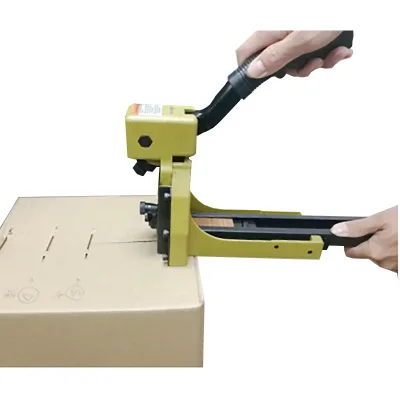


Metal Manual Tiger Pallet Omega16; Omega18; Omega20 Saddle Stapler Staple
$700.00 - $900.00
MOQ: 1 Tons


Office Metal Tiger Nail Corruagted Carton Pallet Stapleless Stapler Omega Staple
$10.00 - $15.00
MOQ: 100 Boxes


Manual Promotion Tiger Nail Corruagted Carton Pallet Spiral Binding Hardware
$10.00 - $15.00
MOQ: 100 Boxes


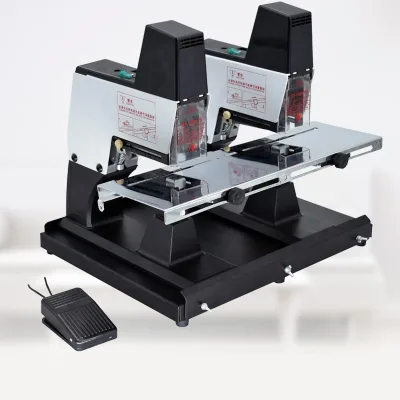
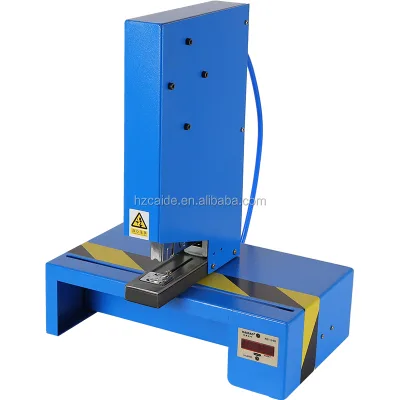
Desktop Pneumatic 2cm Binding Thickness Single-head Book Stapler Machine
$300.00 - $450.00
MOQ: 1 pieces


High Quality Heavy Duty 20gauge Electric Stapler Tacker Staple Gun 422j
$16.24 - $16.71
MOQ: 20 Pieces


Comprehensive Sourcing Guide
Strategic Sourcing Guide for Heavy Duty Metal Saddle Staplers
Understanding the Technical Landscape of Pneumatic Stapling Systems
When sourcing heavy-duty metal saddle staplers, buyers must first distinguish between the broad category of pneumatic tools and the specific mechanical configurations required for high-load applications. The market offers a variety of configurations, ranging from rotary types to pulse pneumatic wrenches, each designed for distinct operational environments. A critical observation in the current supply landscape is the prevalence of "Air Staplers" that utilize a rotary working style. This mechanism is often preferred in heavy-duty contexts because it provides consistent driving force and reduces the likelihood of jamming during continuous operation.
The physical dimensions of the tool are a primary determinant of usability and safety. Specifications observed in the current market indicate a significant variance in tool size. For instance, some heavy-duty models feature dimensions of 360mm x 76mm x 254mm, while others are more compact at 315mm x 78mm x 240mm. A third variation exists with dimensions of 240mm x 55mm x 220mm. These differences directly impact the weight of the unit, which ranges from approximately 1.30kg to 2.40kg. Buyers must align the tool's weight and dimensions with the physical demands of their specific workflow; a lighter unit may reduce operator fatigue, but a heavier, more robust chassis might be necessary for sustained industrial use.
The compatibility of the stapler with specific fasteners is equally critical. The core keyword "heavy duty" implies the use of thicker gauges and longer staples. Data indicates that heavy-duty models often utilize 16-gauge staples with a thickness of 1.6mm x 1.4mm. In contrast, lighter applications may utilize staples with a thickness of 1.25mm x 1.05mm. The staple crown, which determines the width of the fastener's top, varies significantly, with observed values including 12.5mm (1/2 inch), 5.70mm (0.224 inch), and 26.50mm. The length of the staple is another variable, with ranges extending from 12mm up to 50mm. Sourcing guides must emphasize that a mismatch between the tool's magazine capacity and the staple length can lead to operational failure. For example, a tool with a load capacity of 150 staples may be optimized for longer fasteners, whereas a unit with a 100-staple capacity might be designed for shorter, high-frequency applications.
Compliance Standards and Certification Verification
In the industrial procurement of pneumatic tools, verifying compliance with international standards is not merely a formality but a prerequisite for operational safety and legal liability. The supply chain for these tools often references specific certification frameworks, such as CE, ISO, and SGS. These standards serve as indicators that the manufacturer has adhered to specific design and safety protocols. However, buyers must exercise caution and verify the specific scope of these certifications for the exact model being purchased.
The presence of "CE ISO" or "CE SGS ISO" markings suggests that the product meets European safety directives and international quality management standards. However, the absence of a specific certification in a product listing does not automatically imply non-compliance, nor does the presence of a generic mention guarantee that every unit in a batch is certified. Buyers should request specific test reports or certificates of conformity that correspond to the model number, such as the N951, 44k, or Duo-Fast 1700, which are observed in the market.
Furthermore, the material composition of the stapler plays a role in compliance. The observed use of steel as the primary material, often treated with galvanization or zinc plating, is a standard practice to ensure corrosion resistance and durability. These surface treatments are critical for tools used in construction or outdoor environments where exposure to moisture is common. Buyers should verify that the "Galvanized" or "Zinc Plated" claims are backed by quality control data regarding coating thickness and adhesion, as these factors directly influence the tool's lifespan and resistance to rust.
Cost Drivers and Pricing Dynamics in the Stapler Market
The pricing of heavy-duty metal saddle staplers is influenced by a complex interplay of factors, including material costs, manufacturing complexity, and customization requirements. The observed price range in the market is substantial, spanning from $0.10 to $900. This wide variance indicates that the market includes both basic, generic models and highly specialized, custom-engineered units. Buyers should understand that the lowest price points often correspond to standard, off-the-shelf models with minimal customization, while the higher end of the spectrum reflects tools with advanced features, custom branding, or specialized engineering for unique applications.
The Minimum Order Quantity (MOQ) is another significant cost driver. The market shows an MOQ range from 1 to 10,000 units. For buyers requiring small batches for testing or pilot projects, an MOQ of 1 is advantageous, though the unit cost may be higher. Conversely, large-scale procurement with an MOQ of 10,000 can significantly reduce the per-unit cost, but it requires a substantial upfront capital investment and robust supply chain planning.
Customization is a major factor in pricing. The availability of OEM, ODM, and OBM support allows buyers to tailor the tool to their specific brand and functional needs. However, these customizations, such as specific packing requirements or unique dimensional adjustments, add to the production cost and may extend the lead time. Buyers must weigh the benefits of a customized tool against the increased cost and complexity. Additionally, the "Business Type" of the supplier, whether they are a manufacturer or a trading company, can influence the final price. Manufacturers may offer more competitive pricing due to the elimination of middlemen, but trading companies might provide greater flexibility in order sizes and logistics.
Typical Applications and Operational Contexts
Heavy-duty metal saddle staplers are versatile tools designed for a wide array of industrial applications. The primary usage categories observed include joining, construction, and furnishing. These tools are essential in scenarios where high-strength fastening is required, such as securing metal saddles in construction frameworks or assembling heavy-duty wooden pallets. The specific "Working Style" of the tool, such as the rotary type, makes it particularly suitable for continuous, high-volume operations where speed and consistency are paramount.
The versatility of these staplers extends to various sub-sectors. For instance, the "Usage" field often lists applications like "Washing Gun," "Hopper Gun," "Garden Gun," and "Wood Packing." While some of these terms may refer to related pneumatic tools, the core functionality of the saddle stapler is often adapted for wood pallet construction and general wood packing. The "Pneumatic Drill Range" of construction machinery further underscores the tool's role in heavy industrial settings.
Buyers should consider the specific environment in which the tool will operate. Tools used in construction sites require robustness against dust, debris, and rough handling. The "Degree of Automation" being "Semi-Automatic" suggests that while the tool reduces manual effort, it still requires operator intervention for the firing mechanism, typically via a "Hand Press" startup mode. This balance between automation and manual control allows for precise placement of staples, which is crucial in applications like furniture manufacturing where aesthetics and structural integrity are both important.
Supplier Evaluation and Business Model Analysis
Selecting the right supplier is a critical step in the procurement process. The market data indicates that suppliers can be categorized as either "Manufacturer and Trading Company" or purely trading entities. Understanding the supplier's business model is essential for managing expectations regarding quality, lead times, and customization capabilities. Manufacturers typically have direct control over the production process, which can lead to better quality control and more flexible customization options. They are often the source of the "Customized" attributes and the ability to support OEM, ODM, and OBM requests.
When evaluating suppliers, buyers should look for evidence of a robust "Business Type" that aligns with their needs. A supplier that identifies as a manufacturer and trading company may offer the best of both worlds: direct manufacturing capabilities for custom orders and trading expertise for logistics and distribution. However, buyers must verify the supplier's actual production capacity and quality assurance processes. The presence of certifications like CE and ISO is a positive indicator, but it should be supplemented with on-site audits or third-party verification to ensure that the supplier maintains consistent quality standards.
The "prod_packing" attribute, which often states "According to Your Requirements" or "as Customer Required," highlights the importance of packaging specifications. For international buyers, packaging must meet specific shipping standards to prevent damage during transit. Suppliers that offer flexible packaging solutions can reduce the risk of product loss and ensure that the tools arrive in perfect condition. Additionally, the "prod_origin" being China is a common observation, but buyers should be aware of the logistical implications of sourcing from this region, including potential shipping delays and customs regulations.
Quality Control and Long-Term Procurement Considerations
Ensuring the long-term reliability of heavy-duty metal saddle staplers requires a rigorous quality control (QC) strategy. The "Surface Treatment" and "Surface Finishing" processes, such as galvanization and zinc plating, are critical for preventing corrosion and extending the tool's lifespan. Buyers should verify that these treatments meet specific industry standards for thickness and adhesion. The "Material" composition, typically steel, must be of high grade to withstand the high pressures and repetitive impacts associated with heavy-duty stapling.
Long-term procurement considerations also include the availability of spare parts and after-sales support. The "prod_model" numbers, such as N951, 44k, and Duo-Fast 1700, serve as identifiers for specific product lines. Buyers should ensure that the supplier can provide a steady supply of compatible staples and replacement parts for these models. The "Staple Thickness" and "Staple Length" specifications must remain consistent over time to ensure that the tool continues to function correctly.
Finally, buyers should consider the "Load Capacity" of the stapler in the context of their production volume. A tool with a capacity of 150 staples may be more efficient for large-scale operations than one with a 100-staple capacity, reducing the frequency of reloading and downtime. However, the trade-off in weight and size must be carefully evaluated. By integrating these quality control measures and long-term considerations into the procurement strategy, buyers can ensure a reliable supply of heavy-duty metal saddle staplers that meet their operational demands.
Comparative Analysis of Key Product Specifications
To facilitate informed decision-making, the following table summarizes the key specifications observed in the current market for heavy-duty metal saddle staplers. This comparison highlights the variance in dimensions, weight, and staple compatibility, which are critical factors in selecting the right tool for specific applications.
| Specification | Model A (Heavy Duty) | Model B (Compact) | Model C (General Purpose) |
|---|---|---|---|
| Dimensions | 360mm x 76mm x 254mm | 315mm x 78mm x 240mm | 240mm x 55mm x 220mm |
| Weight | 2.40kgs | 2.0kgs (4.40lbs) | 1.30kgs (2.86lbs) |
| Staple Gauge | 16ga | 16ga | 1.58mm Width / 1.38mm Thick |
| Staple Crown | 12.5mm (1/2") | 5.70mm (0.224") | 26.50mm |
| Staple Length | 25~50mm (1"~2") | 12~40mm (1/2"~1-1/2") | 12mm-50mm |
| Load Capacity | 150 Staples | 100 Staples | N/A |
| Working Style | Rotary Type | Rotary Type | Rotary Type |
| Standard | CE ISO | ISO | CE SGS ISO |
| Surface Finish | Galvanized / Zinc Plated | Galvanized / Zinc Plated | Galvanized / Zinc Plated |
| Origin | China | China | China |
This table underscores the importance of matching the tool's specifications to the specific requirements of the application. While all models share common features like rotary working styles and steel construction, the differences in weight, dimensions, and staple capacity necessitate a careful evaluation of the buyer's operational needs. By leveraging this comparative data, buyers can make more precise selections that optimize efficiency and performance in their heavy-duty stapling operations.
FAQs
What is the staple length range for heavy duty metal saddle staplers?
The staple length ranges from 12mm to 50mm depending on the specific model. Some heavy duty units support lengths between 25mm and 50mm, while others accommodate 12mm to 40mm fasteners to suit different construction needs.
Which staple gauge is standard for heavy duty applications?
Heavy duty models typically utilize 16-gauge staples with a thickness of 1.6mm by 1.4mm. Lighter applications may use 1.25mm by 1.05mm staples, but the 16-gauge specification is common for robust joining tasks.
Can these staplers be customized for specific brand requirements?
Yes, customization is available with OEM, ODM, and OBM support options. Buyers can request specific packing requirements and dimensional adjustments, though this may influence the final unit cost and production lead time.
What certifications do these pneumatic staplers typically hold?
Many models carry CE, ISO, and SGS certifications to ensure safety and quality compliance. Buyers should verify specific test reports for models like N951 or Duo-Fast 1700 to confirm the exact scope of certification.
How does the working style affect heavy duty performance?
Rotary type working styles are preferred for heavy duty contexts to ensure consistent driving force. This mechanism reduces jamming risks during continuous operation compared to other pneumatic configurations found in the market.
What is the load capacity of the magazine for these tools?
Magazine load capacities vary between 100 and 150 staples depending on the tool design. A 150-staple capacity unit is often optimized for longer fasteners, while a 100-staple unit may suit shorter, high-frequency applications.
What materials are used for the stapler body construction?
The primary material is steel, often treated with galvanization or zinc plating for corrosion resistance. These surface treatments are critical for tools used in construction or outdoor environments where moisture exposure is common.