Source Heavy Duty Metal Tape Dispenser for Office and Workshop
Find 30 Heavy Duty Metal Tape Dispenser options from Chinese manufacturers. Compare models made of plastic and metal, featuring serrated blades and customizable sizes for office, handicraft, and automatic dispensing applications; compare the available evidence and request quotations based on your requirements.
Key considerations
Products List
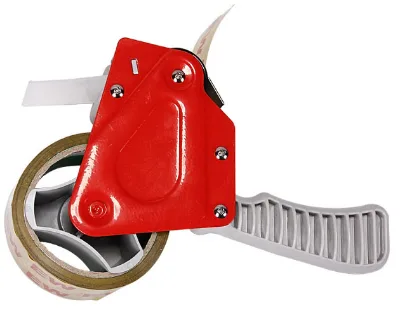
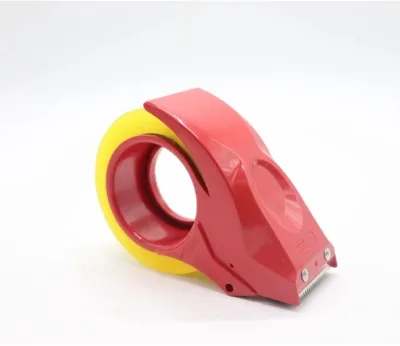


Office Tape Dispenser/Desktop Tape Dispenser/Plastic Tape Dispenser/Tape Holder
$0.20 - $0.50
MOQ: 3000 Pieces


Tape Dispenser Wholesale Automatic Tape Dispenser Automatic Gum Tape Dispenser
$1.50 - $6.00
MOQ: 2000 Pieces

Tape Dispenser for Packing and Office Use Heavy Duty Desktop Tape Cutter
$1.50 - $6.00
MOQ: 2000 Pieces


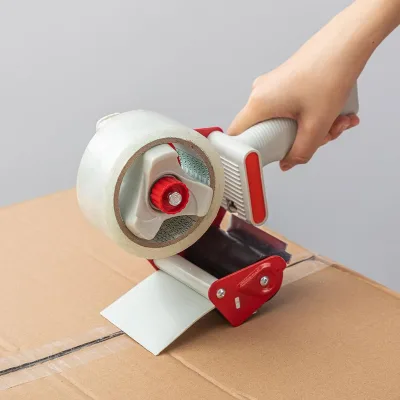


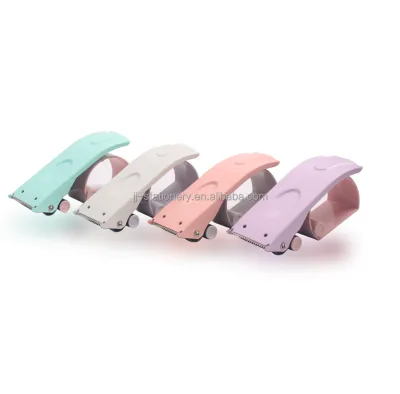



Comprehensive Sourcing Guide
Heavy Duty Metal Tape Dispenser Sourcing Guide
Buyers evaluating heavy duty metal tape dispensers must first distinguish between general office models and industrial-grade units capable of handling continuous high-volume workflows. The observed market data indicates a diverse range of materials, including combinations of plastic, metal, and specific cutting blades, which directly influences durability and load-bearing capacity. Procurement teams should prioritize listings that explicitly state metal construction for the core frame and serrated knife mechanisms, as these features are essential for maintaining consistent cutting performance under stress.
When reviewing product listings, it is critical to verify that the "Heavy Duty" designation aligns with specific structural attributes rather than marketing terminology. The available data shows variations in single package weights ranging from 0.306 kg to 0.500 kg, suggesting differences in material density and build quality. Buyers should cross-reference these weight specifications with the stated material composition to ensure the unit possesses the necessary mass to remain stable during rapid dispensing operations without tipping or requiring excessive force.
Product Scope and Observed Listing Signals
The current market offers dispensers designed for specific environments, ranging from general office work to specialized handicraft applications. Listings frequently highlight features such as "Tapes Fit" and compatibility with automatic tape dispensers, indicating a focus on seamless integration into existing packaging lines. Procurement specialists should look for models that explicitly mention suitability for regular small transparent tapes, as this confirms the unit's intended use case and prevents the acquisition of oversized or undersized equipment that could disrupt workflow efficiency.
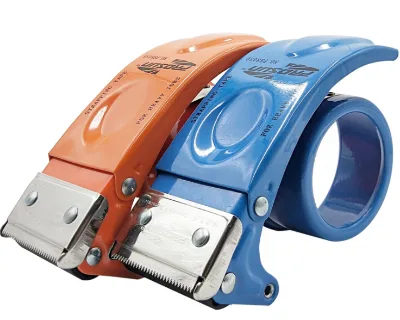
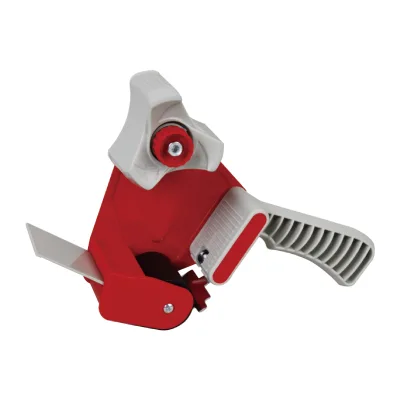
Visual and functional attributes observed in the data, such as mixed colors or specific red finishes, often serve as secondary identifiers for brand differentiation rather than primary performance metrics. However, the presence of customizable logos and color options suggests that many suppliers offer branding opportunities for corporate procurement. Buyers must carefully separate aesthetic customization from functional requirements, ensuring that the chosen model retains its core mechanical integrity, such as the metal serrated knife blade, regardless of the external color or branding applied.
Technical Specifications to Verify
Technical verification begins with confirming the physical dimensions and thickness capabilities of the dispenser to ensure compatibility with standard tape rolls. The observed specifications include thickness options of 2 inches and 3 inches, alongside tape widths of 2 inches, which are critical parameters for matching the dispenser to the inventory of tape rolls used in daily operations. Procurement teams must validate that the selected model can accommodate the specific roll diameter and width of their supply chain to avoid mechanical jams or inefficient dispensing cycles.
The internal mechanism and bearing capacity are equally vital for long-term reliability in a heavy-duty context. Data points indicate a bearing capacity of 0.5 kg, which serves as a baseline for the weight the dispenser can support without structural deformation. Buyers should request detailed engineering diagrams or load-test results to confirm that the metal and plastic composite construction can withstand the dynamic forces of repeated use. Additionally, verifying the single package size, which varies between 15x15x10 cm and 17x8x9 cm, is essential for accurate logistics planning and warehouse storage allocation.
Compliance and Safety Documentation
Safety compliance for industrial tools often involves adherence to international quality management standards, which can be a strong indicator of a supplier's commitment to consistent manufacturing processes. The observed data references certifications such as ISO9001 and CE, which buyers should treat as evidence of a structured quality control system rather than a guarantee of specific product safety outcomes. It is imperative to request current, valid certificates for the specific batch of goods being purchased to ensure that the manufacturing facility maintains these standards throughout the production run.
Beyond general certifications, the specific safety features of the dispenser, such as the metal serrated knife blade, require careful evaluation to prevent workplace injuries. While the data mentions a "Metal Serrated Knife," it does not explicitly detail safety guards or blade retraction mechanisms. Procurement teams must verify that the design includes adequate protection for the operator during the cutting process. Relying solely on the presence of a CE mark without confirming the specific safety engineering of the blade assembly could expose the organization to liability in the event of an accident.
Cost Drivers and Commercial Terms
The commercial landscape for these dispensers is characterized by a wide range of minimum order quantities, observed from 1 piece up to 10,000 pieces, which significantly impacts the unit cost structure. Buyers with lower volume needs may face higher per-unit prices but benefit from the flexibility of small MOQs, whereas large-scale procurement can leverage bulk pricing tiers. Understanding the relationship between order volume and price is essential for budgeting, as the observed price range of 0.1 to 6.65 USD suggests substantial variation based on material quality, customization, and order size.
Lead times and packaging configurations are additional cost drivers that influence the total landed cost of the procurement. The standard delivery time is noted as 15 days, but this can fluctuate based on the complexity of customization requests, such as adding a customized logo or specific color finishes. Furthermore, the packing density, which varies from 18 to 48 pieces per carton, directly affects shipping efficiency and freight costs. Buyers should calculate the total cost of ownership by factoring in these logistical variables alongside the base unit price to ensure an accurate financial comparison between suppliers.
Supplier Qualification and Quality Control
Supplier qualification requires a rigorous assessment of the manufacturing origin and the consistency of their production output. The data indicates origins in regions such as Zhejiang and Anhui, China, which are known hubs for manufacturing these types of tools. However, geographic origin alone does not guarantee quality; buyers must verify the supplier's track record for maintaining the specific material standards, such as the Metal+PP+ABS composite, across different production batches. Consistency in material composition is crucial for ensuring that every unit performs identically in the field.
Quality control protocols should extend beyond the final inspection to include checks on critical components like the bearing and the cutting blade. The observed single gross weights and package sizes provide a baseline for verifying that the correct amount of material is used in each unit. Procurement teams should implement a sampling plan that tests the mechanical function of the serrated knife and the stability of the dispenser under load. Establishing a clear acceptance criteria based on the observed specifications, such as the 0.5 kg bearing capacity, ensures that the delivered goods meet the operational requirements of the buyer.
Long-Term Procurement Checks
Sustaining a successful supply chain relationship involves regular audits of the supplier's ability to maintain product consistency over time. Buyers should monitor the supplier's adherence to the stated delivery time of 15 days and their responsiveness to customization requests, as delays or errors in these areas can disrupt downstream operations. Long-term checks should also include verifying that the supplier continues to hold valid certifications like ISO9001 and CE, ensuring that their quality management systems have not degraded as production volumes scale.
Finally, the lifecycle of the Heavy Duty Metal Tape Dispenser must be evaluated to determine the total cost of ownership and replacement cycles. The initial observation of features like "Simple and Minimalist Design" and "Competitive" attributes suggests a focus on efficiency, but long-term durability depends on the wear resistance of the metal and plastic components. Procurement teams should establish a feedback loop with end-users to track performance issues, such as blade dulling or structural fatigue, and use this data to negotiate better terms or switch suppliers if the product fails to meet long-term reliability expectations.
FAQs
What materials are typically used in a Heavy Duty Metal Tape Dispenser?
Most heavy duty metal tape dispensers combine a metal body or frame with plastic components such as PP or ABS for the core holder and housing. This mix of metal and plastic provides structural strength for cutting while keeping the unit manageable. Confirm the exact material breakdown with the supplier before ordering, since construction can vary between models.
Can the tape width or size of a Heavy Duty Metal Tape Dispenser be customized?
Yes, size is generally customizable, and listed models commonly support 2 inch and 3 inch tape widths. Before ordering, confirm which widths your rolls require and whether the dispenser core and cutting blade match them. Custom sizing may affect tooling, packaging, and minimum order quantities, so discuss specifications with the supplier during quotation.
How is a Heavy Duty Metal Tape Dispenser usually packaged for shipping?
Packaging varies by model. Some units ship in a colorful box as an individually packed single item, while others are packed in cartons such as 24, 36, or 48 pieces per carton. A typical single package measures around 15 by 15 by 10 centimeters with a gross weight near 0.5 kilograms, so verify the exact carton configuration before confirming your order.
What is the typical delivery time for a Heavy Duty Metal Tape Dispenser order?
A delivery time of about 15 days is listed for these products, but actual timing depends on order quantity, customization requirements, and the supplier's production schedule. Large orders or custom logo printing may extend the timeline. Always confirm the confirmed dispatch date and shipping method with the supplier before placing a purchase order.
Which certifications should I look for when sourcing heavy duty metal tape dispensers?
Relevant certifications include ISO9001 for quality management and CE marking, which some listed suppliers hold. Certifications indicate the factory follows documented production and quality processes, though not every model carries every certificate. Ask each supplier for copies of current certificates and confirm which specific products they cover, since scope often differs between product lines and production facilities.
Can I order a Heavy Duty Metal Tape Dispenser with a customized logo?
Yes, customized logo printing is welcomed by listed suppliers, and customization is generally available. This typically applies to the dispenser body or packaging, with options such as custom colors as well. Provide your artwork early so the supplier can confirm printing methods, any setup costs, and how customization affects the minimum order quantity and delivery schedule.
How does a metal serrated blade improve tape cutting performance?
A metal serrated knife gives a clean, consistent cut on tapes without fraying, and it withstands frequent office or handicraft use better than plastic cutting edges. Dispensers with metal blades can handle regular small transparent tapes and support rolls, with some models bearing around 0.5 kilograms. Keep blades dry and clear of adhesive residue to maintain cutting performance over time.
What is the minimum order quantity for a Heavy Duty Metal Tape Dispenser?
Minimum order quantities range widely, from as low as 1 piece for single-item listings up to 10,000 pieces for bulk wholesale orders. Small trial orders are possible with certain suppliers, while customized logo or color requirements usually require higher volumes. Confirm the MOQ for your specific model, customization level, and packaging choice directly with the supplier.