Source Heavy Duty Thickened Grow Bags for Strawberries, Tomatoes, and Vegetables
Find 30 options for Heavy Duty Thickened Grow Bags suitable for strawberries, tomatoes, and vegetables. Compare specifications like thickness, material, and customization features from verified suppliers to select the best fit for your agricultural needs.
Key considerations
Products List


Industrial Heavy Duty Plastic Grow Bags, Giant Plastic Grow Bags, Roll Grow Bag
$0.02 - $0.30
MOQ: 1000 Pieces


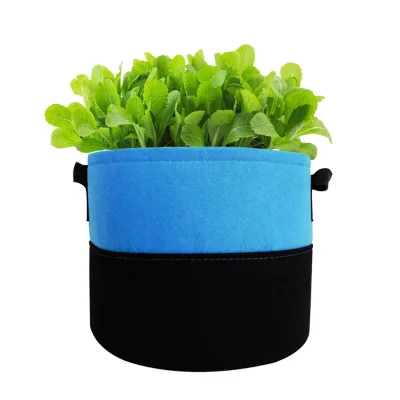


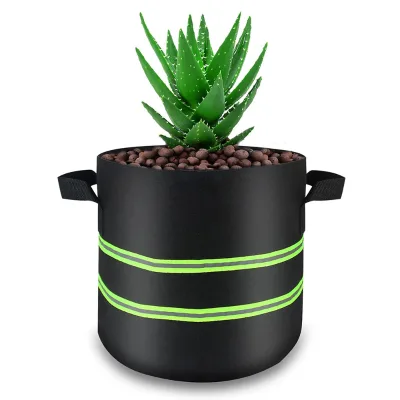

Gallons Heavy Duty Thickened Nonwoven Fabric Pots Grow Bags for Tree Planting
$0.01 - $0.05
MOQ: 10000 Pieces


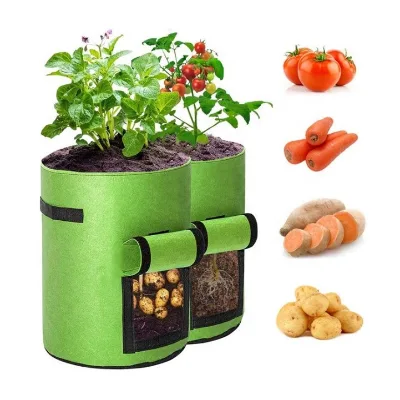


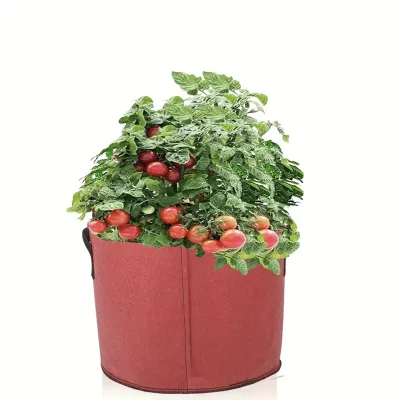
Comprehensive Sourcing Guide
Strategic Sourcing Guide for Heavy Duty Thickened Grow Bags
Understanding Product Definitions and Material Variations
When sourcing heavy-duty thickened grow bags, buyers must first navigate the distinction between different material compositions and product classifications found in the current market. The term "grow bag" encompasses a broad spectrum of items, ranging from thin, disposable polyethylene films to robust, fabric-based containers designed for long-term agricultural use. In the context of heavy-duty applications, the material composition is the primary differentiator. The available market data indicates a split between plastic-based solutions and fabric alternatives. One segment utilizes High Pressure Polyethylene (PE) or Polypropylene (PP) to create bags with specific thicknesses, such as 0.06mm or ranges extending from 50 to 200 microns. These plastic variants are often characterized as disposable, recyclable, and moisture-proof, suitable for specific agricultural cycles like mushroom spawn cultivation or short-term seedling nursery operations.
Conversely, the heavy-duty category frequently points toward non-woven fabric, felt, or fabric materials. These products are marketed with attributes such as durability, eco-friendliness, and reusability. Unlike the thin plastic bags which may be limited to single-use or short-duration applications, fabric grow bags are engineered to withstand the rigors of repeated use, offering better aeration and root pruning capabilities. The market also presents a hybrid view where "LDPE Grow Bags" and "Mushroom Grow Spawn Bags" are listed alongside "Plant Grow Bags" with varying thickness specifications. A critical observation for the buyer is that while some listings claim biodegradability for plastic bags, others emphasize the durable nature of fabric pots. The "Heavy Duty" descriptor typically aligns with the thicker plastic ranges (up to 200 microns) or the fabric/felt categories, rather than the ultra-thin 0.06mm variants intended for disposable packaging.
Technical Specifications and Dimensional Standards
Technical due diligence is paramount when evaluating the physical specifications of grow bags to ensure they meet the "thickened" requirement. Thickness is a critical metric that directly correlates to durability and load-bearing capacity. The observed market data reveals a significant variance in thickness specifications, ranging from 0.06mm to a broader range of 50 to 200 microns. For a buyer specifically seeking heavy-duty solutions, the 0.06mm specification is likely insufficient for long-term plant growth or heavy soil loads, whereas the 50-200 micron range represents a more robust construction suitable for thickened applications. Buyers must verify the exact micron count for any specific order, as this determines the bag's resistance to tearing and its ability to retain moisture without deforming under the weight of wet soil.
Size and capacity are equally vital technical parameters. The market offers standardized capacity ranges, such as 1/8 to 45 gallons, which allows for scalability from small seedlings to large fruit trees. However, the "Customized Size" attribute is prevalent, indicating that many suppliers offer bespoke dimensions to fit specific agricultural needs. The shape of the bag also varies, with options including round or square grow pots, as well as standard plastic bag shapes. For heavy-duty applications, the structural integrity of the shape is important; square pots often provide better space utilization in nurseries, while round pots may offer superior root distribution. Additionally, the single package size and gross weight (e.g., 0.25 kg) are essential for logistics planning. Buyers should confirm whether the "thickened" attribute applies to the base material only or includes reinforced seams, as this impacts the overall structural performance during filling and transport.
Compliance, Certification, and Environmental Attributes
Environmental compliance and material safety are increasingly critical factors in B2B procurement, particularly for products used in agriculture and food production. The product listings highlight several environmental attributes, including "Bio-Degradable," "Recyclable," and "ECO friendly." However, the interpretation of these terms varies by material. Plastic bags made from PE or PP are often labeled as recyclable, but their biodegradability is a subject of specific chemical formulation that requires verification. In contrast, fabric or non-woven grow bags are frequently marketed as eco-friendly due to their reusability and potential for recycling, though the specific fiber composition (e.g., polypropylene felt vs. natural fibers) dictates the actual environmental impact.
Buyers must not assume that a product labeled "biodegradable" meets specific international standards without requesting documentation. The presence of a "Customized Logo" and "Free Design" service suggests a high degree of flexibility, but it does not inherently validate compliance with food-grade or agricultural safety standards. For heavy-duty bags intended for food crops like strawberries, blueberries, tomatoes, or potatoes, the material must be free from harmful leachates. While the provided data mentions "Moisture Proof" and "Durable" features, it does not explicitly list certifications such as ISO, FDA, or specific agricultural safety approvals. Therefore, the procurement strategy must include a mandatory request for material safety data sheets (MSDS) and third-party test reports to verify that the "thickened" material does not introduce contaminants into the soil or crop. The origin of the product, primarily noted as China (specifically Hebei), requires buyers to be vigilant about regional manufacturing standards and to ensure that the supplier can provide traceability for the raw materials used.
Cost Drivers and Economic Considerations
The economics of sourcing heavy-duty thickened grow bags are influenced by several dynamic factors, including material costs, customization complexity, and order volume. The observed price range in the market spans from $0.01 to $15.99, a wide disparity that reflects the difference between thin, disposable plastic bags and robust, custom-sized fabric containers. The "Heavy Duty" classification naturally pushes the cost toward the higher end of this spectrum due to the increased material usage required for thicker gauges (e.g., 200 microns) or the higher cost of non-woven fabrics. Material costs for High Pressure Polyethylene and Polypropylene fluctuate with global oil prices, which can significantly impact the final unit price.
Minimum Order Quantity (MOQ) is another critical cost driver. The market data shows an MOQ range from 50 pieces to 500,000 pieces. For buyers seeking heavy-duty, customized solutions, the MOQ may be higher due to the setup costs associated with custom molds, fabric cutting, and printing. However, some suppliers offer low MOQs (e.g., 50 pcs) for standard sizes, which can be beneficial for testing or small-scale operations. The "Customized Size" and "Customized Logo" options add layers of cost, as they require dedicated production runs rather than off-the-shelf inventory. Buyers should also consider the "Supply Ability," which is noted as 40,000 pieces per week for some suppliers, indicating that volume discounts may be available for larger orders. Packaging details, such as bulk packing versus individual OPP plastic bags within cartons, also affect the total landed cost, as more intricate packaging increases labor and material expenses.
Typical Applications and Suitability Analysis
The versatility of heavy-duty thickened grow bags makes them suitable for a diverse range of agricultural and horticultural applications. The market data explicitly lists suitability for a wide array of crops, including strawberries, blueberries, oil palm, fruit trees, flowers, tomatoes, potatoes, and general vegetables. This broad applicability suggests that the heavy-duty variants are engineered to handle the specific needs of different plant types. For instance, larger capacity bags (up to 45 gallons) are ideal for fruit trees and oil palms, providing the necessary root volume and stability. Smaller variants are better suited for seedling nurseries, vegetable production, and flower cultivation.
The "Mushroom Grow Spawn Bags" application highlights a specific niche where the material must be sterile and capable of withstanding high humidity and temperature fluctuations. In this context, the "Moisture Proof" feature is essential to prevent contamination while allowing for gas exchange. For general agriculture, the "Reusable" and "Durable" attributes are key, allowing farmers to use the same bags across multiple growing seasons, which reduces long-term operational costs. The "Season: Fall" attribute suggests that these bags are particularly effective in cooler climates or specific planting cycles, though their heavy-duty construction implies year-round usability. Buyers should match the bag's thickness and material to the specific crop requirements; for example, root-pruning benefits in fabric bags may be preferable for tree nurseries, while the moisture retention of thickened plastic might be better for short-term vegetable cycles.
Supplier Evaluation and Quality Control Protocols
Selecting a reliable supplier for heavy-duty thickened grow bags requires a rigorous evaluation process that goes beyond the basic product listing. The origin of the products is predominantly China, with specific mentions of Hebei and various port dispatch locations including Tianjin, Qingdao, Shanghai, Guangzhou, and Ningbo. Buyers should verify the supplier's actual manufacturing capabilities, as some listings may represent trading companies rather than direct manufacturers. The "Free Sample" and "Free Design" services offered by suppliers are valuable tools for quality assessment, allowing buyers to physically inspect the thickness, material quality, and stitching integrity before committing to a large order.
Quality control protocols must be established to ensure consistency. Given the variance in thickness (0.06mm vs. 50-200 microns), buyers should implement incoming quality control (IQC) checks that include measuring the actual thickness of the received goods against the ordered specifications. Visual inspections for defects such as uneven printing, weak seams, or material inconsistencies are also necessary. The "Customized Logo" feature requires a proofing stage to ensure that the branding does not compromise the structural integrity of the bag. Furthermore, buyers should request a detailed breakdown of the "Packing Details," which can range from bulk packing to individual OPP bagging within cartons, to ensure that the packaging protects the heavy-duty bags during transit. The "Supply Ability" of 40,000 pieces per week indicates a capacity for large orders, but buyers must confirm that this capacity can be maintained during peak seasons without compromising quality.
Long-Term Procurement and Strategic Sourcing
Sourcing heavy-duty thickened grow bags is not merely a transactional purchase but a strategic decision that impacts long-term agricultural efficiency and sustainability. The "Reusable" and "Recyclable" attributes suggest that these products can contribute to a circular economy, reducing waste compared to single-use alternatives. However, the longevity of the bags depends on the quality of the material and the care taken during use. Buyers should consider the total cost of ownership, which includes the initial purchase price, the number of reuse cycles, and the eventual disposal or recycling costs. The "Customized" nature of the product allows for long-term partnerships with suppliers who can adapt to changing crop requirements or branding needs.
Strategic sourcing also involves building a relationship with suppliers who can provide consistent quality over time. The "Place of Origin" and "Port of Dispatch" information helps in planning logistics and managing lead times. Buyers should aim to secure contracts that include clear terms for quality assurance, delivery schedules, and after-sales support. The availability of "Free Design" services can be leveraged to optimize the bag design for specific applications, potentially improving crop yields and reducing material waste. As the market evolves, buyers should stay informed about new material technologies and environmental regulations that may affect the sourcing of grow bags. By focusing on suppliers who prioritize durability, sustainability, and customization, buyers can ensure a reliable supply chain that supports their agricultural operations for years to come.
FAQs
What materials are used for Heavy Duty Thickened Grow Bags?
Heavy Duty Thickened Grow Bags are typically made from High Pressure Polyethylene Plastic Bag or non-woven fabric. Some listings specify PP or PE materials with thickness ranging from 0.06mm up to 200 microns to ensure durability and moisture proofing for various agricultural applications.
Can I customize the size and logo on these grow bags?
Yes, customization is available for both size and logo. Buyers can request customized sizes and accept customized logos, with options for free design services. The product model allows for specific dimensions and branding to meet unique agricultural or nursery requirements.
Which thickness is suitable for heavy duty applications?
For heavy duty applications, a thickness between 50 and 200 microns is recommended over the thinner 0.06mm variants. This thicker gauge ensures the bags can withstand soil weight and repeated use, offering better structural integrity for growing fruit trees, vegetables, or mushrooms.
How much is the minimum order quantity for these bags?
The minimum order quantity varies significantly, ranging from 50 pieces to 500,000 pieces depending on the supplier and customization level. Standard sizes may start at 50 pcs, while fully customized orders often require higher volumes to cover setup and production costs effectively.
What are the available packaging options for bulk orders?
Packaging options include bulk packing, individual OPP plastic bags inside carton boxes, or customized colorful carton boxes. The single package size is often around 40x40x8 cm, and the gross weight per unit is approximately 0.25 kg for logistics planning.
Can these bags be used for growing strawberries and tomatoes?
Yes, these grow bags are suitable for strawberries, blueberries, tomatoes, potatoes, and various other vegetables and fruit trees. The heavy duty construction supports the root systems of these crops, providing a reusable and durable solution for seedling nurseries and agricultural cycles.