Source Hex Machine Bolt for Machinery, Chemical, and Building
Source Hex Machine Bolt options from 30 listings. Compare specifications including grades 8.8 and 10.9, materials like 40cr and carbon steel, and standards such as DIN and GB for machinery, chemical industry, and building applications; compare the available evidence and request quotations based on your requirements.
Updated
Key considerations
Products List


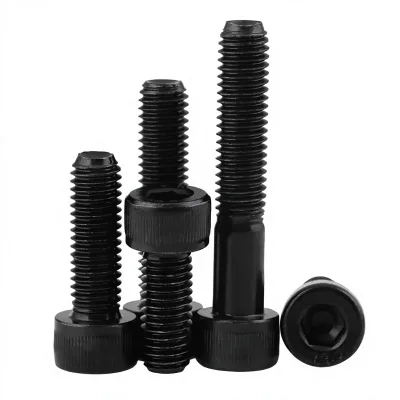

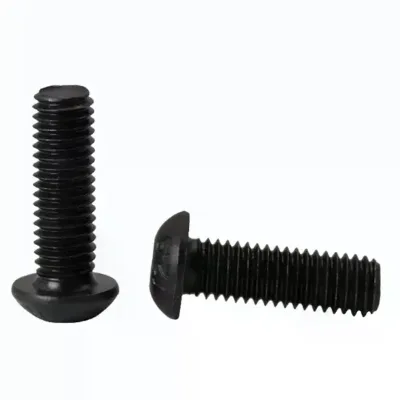


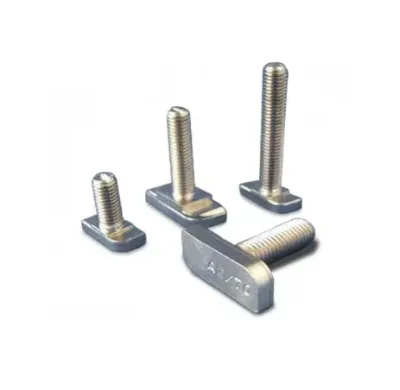
Customized Ratchet Fastener Stainless Steel Aluminum CNC Machine Turning Hex Bolt T Bolt
$0.001 - $0.01
MOQ: 5000 Pieces

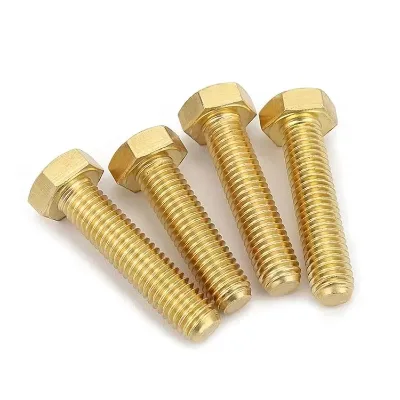
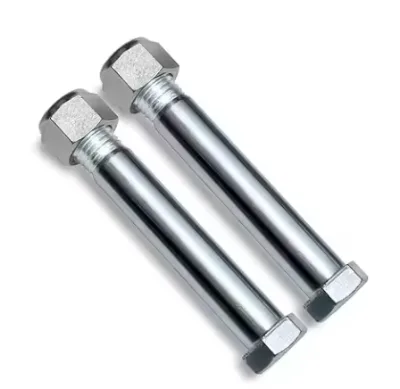
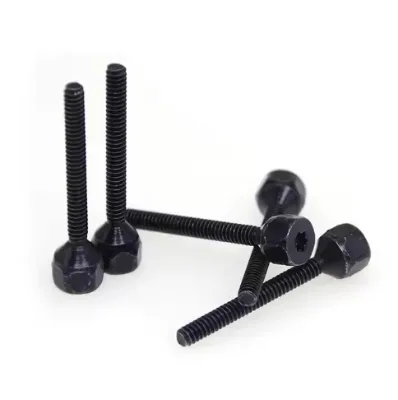
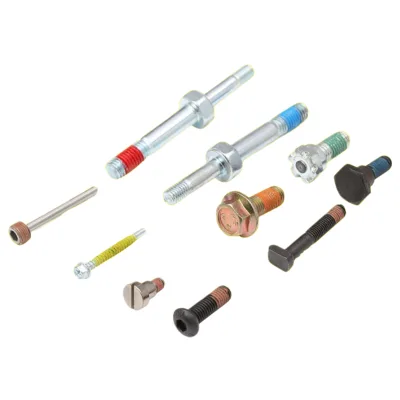
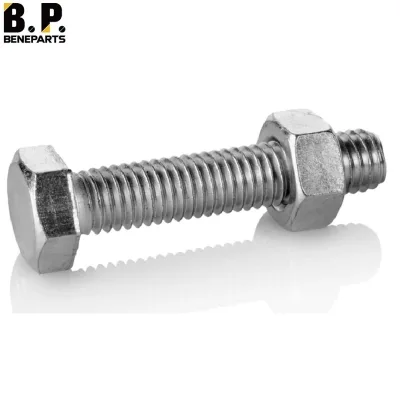


Comprehensive Sourcing Guide
Hex Machine Bolt Sourcing Guide
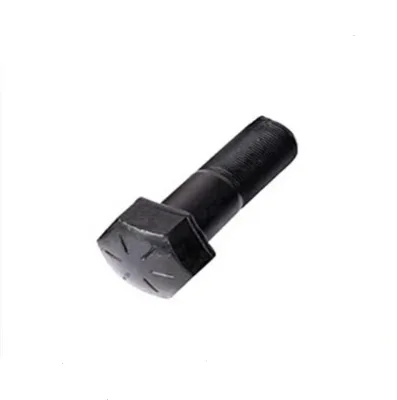
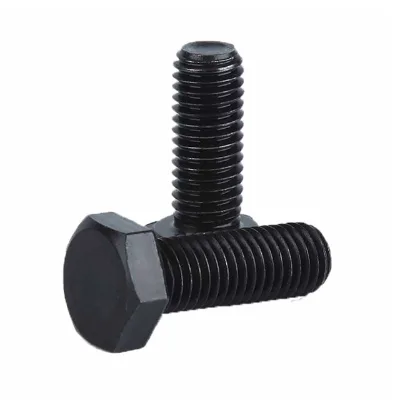
Procuring hex machine bolts requires a precise understanding of the specific dimensional and material attributes observed in current market listings. Buyers must distinguish between general fasteners and specialized components, noting that observed listings include specific part numbers like 12mmx65mmx1.75mm and 16mmx100mmx2.0mm, which dictate the exact fit for machinery and structural applications. The availability of customization options allows for tailored solutions, yet the core product remains defined by its hexagonal head style and standard thread types found in the supply chain.
Verification of the product condition is equally critical, as the market predominantly lists new items rather than refurbished or used stock. This ensures that the mechanical integrity of the bolt is uncompromised, which is essential for high-stress environments in the chemical industry, environmental sectors, and general building construction. Buyers should confirm that the "New" status applies to the specific batch ordered, as this directly impacts the reliability of the connection and the longevity of the assembled machinery.
Product Scope and Observed Listing Signals
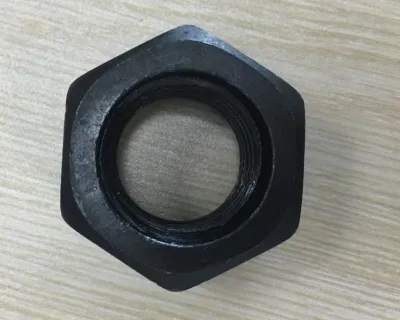
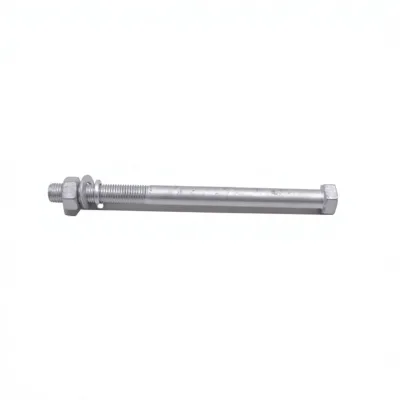
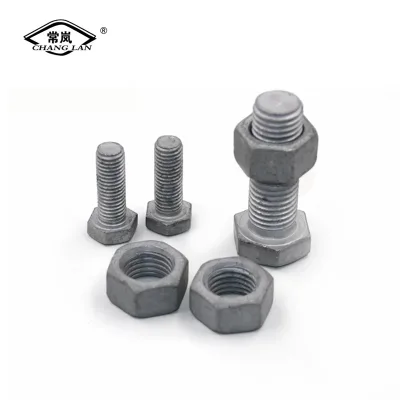
The observed product scope reveals a diverse range of fasteners, including hex bolts, nuts, and specialized assemblies like hexagon head washers with plain washers. Listings indicate specific models such as 01010-81865 and weld bolts, suggesting that suppliers offer both standard and application-specific variants. The presence of varying part numbers and descriptions highlights the need for buyers to match their engineering drawings precisely with the supplier's catalog to avoid compatibility issues in complex assemblies.
Market signals also show significant variation in packaging and origin, with products originating from Jiangsu and Wenzhou, Zhejiang Province, often packed in boxes or according to customer requirements. This geographic concentration suggests a robust supply chain in China, yet buyers must verify that the specific origin matches their logistical needs and quality expectations. The ability to customize packing and the availability of OEM/ODM services indicate that suppliers are prepared to handle diverse commercial demands, but the buyer must clearly define these requirements upfront.
Technical Specifications to Verify
Technical verification must begin with the material composition, as observed listings specify materials ranging from 40cr to carbon steel, each offering distinct mechanical properties. Hardness levels are equally critical, with observed ranges spanning from HRC 22-32 to HRC 32-42, directly influencing the bolt's resistance to deformation under load. Buyers should request mill test reports to confirm that the specific batch meets the required hardness and material grade, ensuring the fastener will perform as intended in its designated application.
Dimensional accuracy is another vital specification, with observed models including M1.6-M64 threads and specific lengths like 9mm or 25mm. The standard thread type and head styles, such as hexagonal or round, must align with the mating components in the assembly. Buyers must cross-reference the listed part numbers and model specifications, such as GB5782 or DIN 605-2010, against their design requirements to ensure that the thread pitch and head geometry provide the necessary clamping force and structural stability.
Compliance and Safety Documentation
Compliance documentation is essential for validating the safety and regulatory standing of the hex machine bolts, particularly for applications in machinery and building sectors. While some background context mentions standards like ISO 9001, the primary observed certification is CE, which buyers should verify as a mandatory requirement for their specific market entry. It is crucial to confirm that the CE marking applies to the specific product batch and that the supplier can provide the necessary declaration of conformity to satisfy local regulatory bodies.
Safety verification also extends to the material grades and standards listed, such as Grade 8.8 or 10.9, which indicate the tensile strength and yield properties of the fasteners. Buyers must ensure that the supplier's documentation explicitly links these grades to the physical product, as mislabeled grades can lead to catastrophic failure in structural applications. The presence of standards like DIN and GB in the listings suggests adherence to international norms, but the buyer must validate that these standards are actively applied to the manufacturing process rather than just listed as marketing claims.
Cost Drivers and Commercial Terms
Cost drivers for hex machine bolts are heavily influenced by material costs, specifically the grade of steel used, such as carbon steel or 40cr, which fluctuates with global market trends. The observed price range of 0-1000 USD suggests a wide variance based on quantity and specification complexity, meaning that unit costs will decrease significantly as order volumes increase. Buyers should analyze the total cost of ownership, including the impact of material selection on the final price, rather than focusing solely on the unit price listed in the initial inquiry.
Commercial terms regarding minimum order quantities (MOQ) and lead times are equally significant, with observed MOQs ranging from 2 to 50,000 units and delivery times typically around 30 days. These terms can vary based on the customization level required, such as specific packing or branding, which may extend the production schedule. Buyers must negotiate these terms early in the process to align with their production schedules, ensuring that the lead time accommodates any potential delays in material sourcing or manufacturing.
Supplier Qualification and Quality Control
Supplier qualification should focus on the ability to provide consistent quality, as evidenced by the "High Quality" attribute frequently observed in listings. Buyers must verify that the supplier has established quality control processes that cover the entire production cycle, from raw material inspection to final packaging. The availability of OEM/ODM services indicates a level of flexibility, but this must be backed by rigorous internal testing to ensure that every bolt meets the specified hardness and dimensional tolerances.
Quality control checks should also include verification of the product origin and the specific manufacturing location, such as Jiangsu or Wenzhou, to ensure consistency in production standards. Buyers should request samples for independent testing to validate the hardness, thread size, and material grade before committing to a large order. This proactive approach helps mitigate the risk of receiving substandard products and ensures that the supplier's quality claims are substantiated by physical evidence.
Long-Term Procurement Checks
Long-term procurement success depends on establishing a reliable supply chain that can consistently meet evolving technical and commercial requirements. Buyers should implement a system for periodic re-verification of supplier performance, including checks on lead times, quality consistency, and adherence to the agreed-upon standards like DIN or GB. This ongoing monitoring ensures that the supplier remains capable of delivering the required hex machine bolts without compromising on quality or delivery schedules.
It is also essential to maintain open communication channels regarding any changes in product specifications or market conditions that could affect the supply. Buyers should regularly review the observed product attributes, such as part numbers and material grades, to ensure they still align with the project's needs. By maintaining a dynamic relationship with the supplier, buyers can adapt to changes in the market and ensure a steady flow of high-quality fasteners for their machinery and construction projects.
FAQs
What materials are used for hex machine bolts?
Hex machine bolts are commonly manufactured from 40cr steel and carbon steel. These materials provide the necessary structural integrity for machinery and building applications. The selection depends on specific load requirements and environmental conditions. Buyers should verify the exact grade, such as 8.8 or 10.9, to ensure compliance with project specifications and safety standards.
Can hex machine bolts be customized for specific projects?
Yes, customization is available for hex machine bolts to meet unique project needs. Suppliers offer OEM and ODM services to adjust dimensions and packaging. Buyers can request specific part numbers like 12mmx65mmx1.75mm or 16mmx100mmx2.0mm. Packaging can be tailored to customer requirements, ensuring safe transport and easy storage for industrial use.
What certifications do hex machine bolts typically have?
Hex machine bolts often carry CE certification to ensure compliance with European safety standards. This certification indicates that the products meet essential health and safety requirements for machinery and construction. Buyers should verify specific documentation with suppliers to confirm that the bolts adhere to relevant international standards for their intended application.
What is the typical lead time for hex machine bolts?
The typical delivery time for hex machine bolts is approximately 30 days. This lead time allows for manufacturing, quality control, and logistics preparation. Buyers should confirm exact schedules with suppliers, as production capacity and order volume can influence the final timeline. Early planning helps ensure timely project completion and avoids delays in machinery assembly or construction phases.
Where are hex machine bolts primarily manufactured?
Hex machine bolts are primarily manufactured in China, with significant production in Jiangsu and Wenzhou, Zhejiang Province. These regions are known for their robust industrial infrastructure and supply chains. Buyers can source high-quality bolts from these locations, ensuring access to a wide range of specifications and competitive pricing for global distribution.
What hardness levels are available for hex machine bolts?
Hex machine bolts are available in various hardness levels, such as HRC 32-42 and HRC 22-32. The hardness depends on the material grade and heat treatment process. Higher hardness levels provide greater strength for heavy-duty applications, while lower levels may offer better ductility. Buyers should select the appropriate hardness based on the specific mechanical requirements of their assembly.