Source Hexagon Hole Gabion Box for Civil Engineering, Road Building, and Fence Mesh
Compare 30 Hexagon Hole Gabion Box options from verified suppliers. These galvanized iron wire products feature customizable sizes and are ideal for civil engineering, road building, and fence mesh applications with delivery times of 15-21 days; compare the available evidence and request quotations based on your requirements.
Updated
Key considerations
Products List


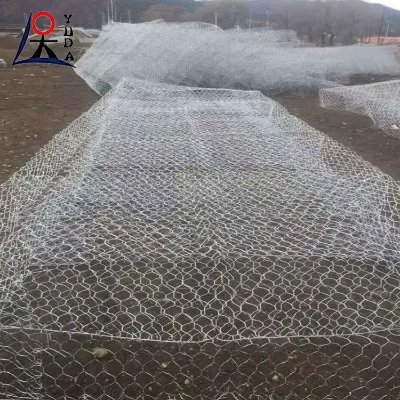
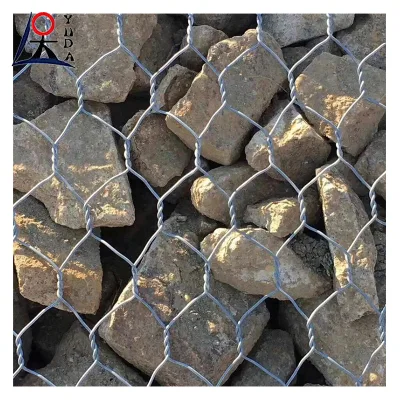
Hot Galvanized 6*8cm Hexagonal Mesh Gabion Box for Retaining Wall
$1.78 - $1.91
MOQ: 100 Square Meters







Comprehensive Sourcing Guide
Hexagon Hole Gabion Box Sourcing Guide
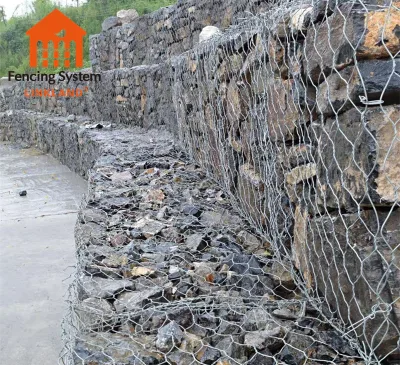
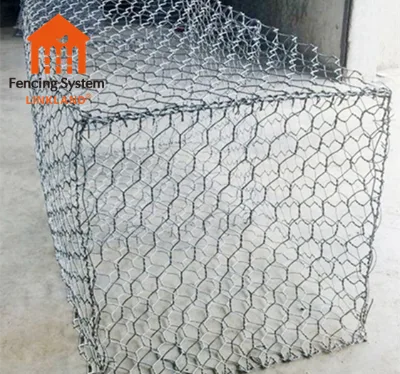
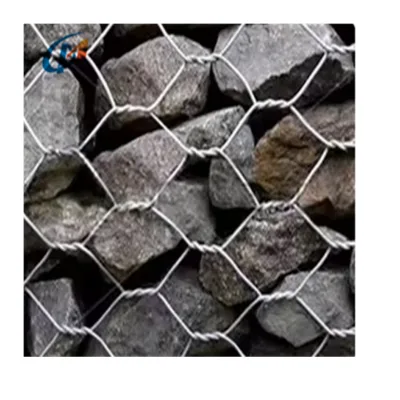
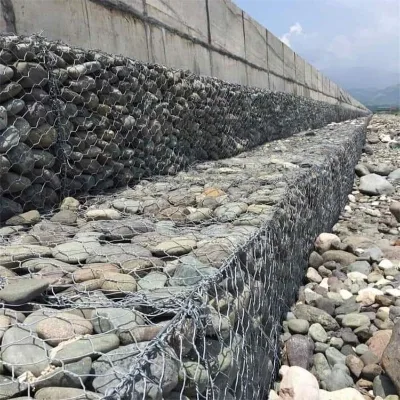
Procuring hexagon hole gabion boxes requires a clear understanding of the specific mesh configurations and material properties that define their structural integrity. These boxes are primarily utilized in civil engineering and road building projects, where they serve as robust containment units for rock fill. The hexagonal weave pattern is distinct from other mesh types, offering flexibility and interlocking capabilities that are essential for retaining walls and erosion control structures. Buyers must distinguish between standard hexagonal double-twist wire mesh and other woven variants to ensure the product meets the specific mechanical demands of the construction site.
The sourcing landscape includes a variety of models, such as ZH-gab-14, ZH-gab-15, and ZH-gab-16, which may differ in wire gauge, aperture size, and surface treatment. While some listings highlight features like galvanized iron wire and specific aperture dimensions of 80x100mm, others may describe square hole patterns or different weave techniques like twill weave. It is critical to verify that the supplier provides the exact hexagonal configuration required for your project, as mixing mesh types can compromise the structural cohesion of the final installation. Clear communication of these technical details prevents costly errors during the procurement phase.
Product Scope and Observed Listing Signals
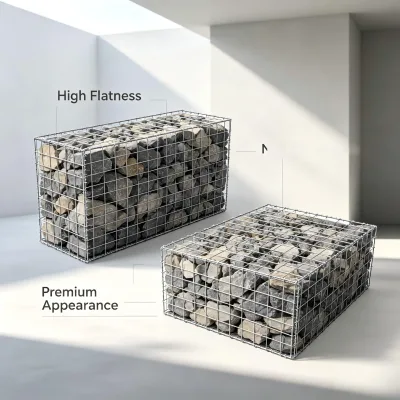
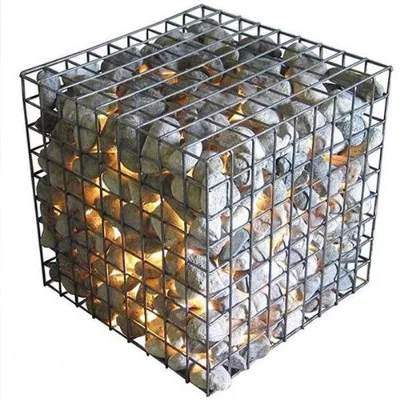
The observed market signals indicate a diverse range of gabion-related products, with prices ranging from $0.65 to $45.96 USD and minimum order quantities (MOQs) varying from 1 to 3000 units. Some listings specify a size of 2m x 1m x 1m, while others offer custom-made lengths and widths, such as 10-200m in length and 0.5m-3m in width. Buyers should note that while some products are labeled as gabion mesh, others may be classified as fence mesh or animal cage materials, which have different structural requirements. Understanding these distinctions is vital for selecting the correct product for civil engineering applications rather than decorative or light-duty fencing uses.
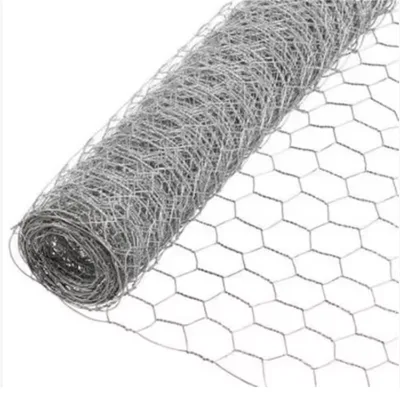
Packaging and delivery terms also vary significantly across suppliers, with some offering tray packing and others providing rolls wrapped in plastic film. Delivery times are typically cited as 15-21 days, but this can depend on the customization level and order volume. The presence of models like B-H-18, B-H-48, and B-H-49 suggests a broad inventory, but buyers must confirm that these specific models correspond to hexagonal hole gabion boxes. Relying solely on model numbers without verifying the hole shape and weave technique can lead to receiving incompatible materials. Therefore, cross-referencing model numbers with detailed technical attributes is a necessary step in the sourcing process.
Technical Specifications to Verify
Wire gauge and aperture size are the most critical technical specifications for hexagon hole gabion boxes. Common wire gauges observed include 3.05mm, but customized options are available to meet specific load-bearing requirements. The aperture size, often listed as 80x100mm for certain models, must be verified to ensure it aligns with the size of the rock fill being used. Buyers should also check the selvedge wire thickness, which can range from 3-5mm, as this affects the durability of the box edges. Confirming these dimensions prevents issues with stone retention and ensures the gabion boxes maintain their shape under pressure.
Surface treatment and material composition are equally important for longevity and performance. Galvanized iron wire is a standard material, providing corrosion resistance for outdoor applications. However, some listings mention low carbon steel wire or other metal types, which may require additional protective coatings. The weave technique, typically double-twist for hexagonal mesh, ensures that if a wire breaks, the surrounding mesh does not unravel. Buyers must verify that the product uses the correct weave method and surface treatment to withstand environmental conditions, such as moisture and temperature fluctuations, without degrading prematurely.
Compliance and Safety Documentation
While specific standards like EN 10218-2 and EN 10244-2 are mentioned in background contexts, buyers should not assume these apply to all listed products without verification. It is essential to request documentation that confirms the product meets relevant international or local standards for wire mesh and gabion construction. Suppliers should provide test reports or certificates of conformity that detail the tensile strength, corrosion resistance, and dimensional accuracy of the gabion boxes. Without this documentation, buyers risk procuring materials that may not perform as expected in critical infrastructure projects.
Safety and quality claims, such as "great quality" or "durable," are subjective and must be backed by objective data. Buyers should inquire about the manufacturing process and quality control measures implemented by the supplier. This includes information on how the wire is drawn, coated, and woven to ensure consistency. Additionally, verifying the origin of the materials, such as whether the steel is sourced from reputable mills, can provide insight into the overall reliability of the product. Ensuring that the supplier can provide comprehensive compliance documentation is a key step in mitigating risk and ensuring project success.
Cost Drivers and Commercial Terms
The cost of hexagon hole gabion boxes is influenced by several factors, including wire gauge, surface treatment, and order volume. Higher wire gauges and specialized surface treatments, such as PVC coating or heavy galvanization, will increase the unit price. Minimum order quantities also play a significant role, with larger orders often benefiting from economies of scale. Buyers should request detailed quotations that break down the costs associated with materials, labor, and packaging to understand the true cost drivers. This transparency helps in budgeting accurately and comparing offers from different suppliers on a like-for-like basis.
Commercial terms, including payment methods, delivery times, and return policies, should be clearly defined in the contract. While typical delivery times are 15-21 days, delays can occur due to customization requests or supply chain disruptions. Buyers should negotiate terms that protect their interests, such as penalties for late delivery or provisions for quality disputes. Additionally, understanding the packaging requirements is crucial, as improper packaging can lead to damage during transit. Ensuring that the supplier uses appropriate packaging, such as trays or wrapped rolls, helps maintain the integrity of the gabion boxes until they reach the construction site.
Supplier Qualification and Quality Control
Evaluating supplier qualifications is essential to ensure the reliability of the gabion box supply chain. Buyers should verify the supplier's manufacturing capabilities, including their production capacity and quality control processes. This involves assessing whether the supplier has the necessary equipment to produce hexagonal double-twist mesh with consistent aperture sizes and wire gauges. Additionally, checking the supplier's experience in the industry and their track record with similar projects can provide confidence in their ability to deliver high-quality products. Suppliers with a proven history of meeting technical specifications are more likely to deliver satisfactory results.
Quality control measures should be implemented throughout the production process, from raw material inspection to final packaging. Buyers should request samples for testing before placing large orders to verify the product's quality. This includes checking the weave pattern, wire strength, and surface treatment for defects. Establishing a clear quality assurance protocol with the supplier, including agreed-upon inspection criteria and acceptance standards, helps prevent disputes and ensures that the delivered products meet the project requirements. Regular communication and site visits, if possible, can further enhance the quality control process.
Long-Term Procurement Checks
Long-term procurement success depends on establishing a robust relationship with suppliers and continuously monitoring performance. Buyers should conduct regular audits of the supplier's quality control processes and production facilities to ensure ongoing compliance with agreed-upon standards. This includes verifying that the supplier maintains consistent quality across multiple orders and addresses any issues promptly. Building a partnership based on transparency and mutual trust can lead to better pricing, priority production, and improved service levels over time.
Additionally, buyers should stay informed about market trends and technological advancements in gabion box manufacturing. This includes monitoring changes in material costs, regulatory requirements, and industry best practices. By staying proactive, buyers can adapt their procurement strategies to optimize costs and ensure the availability of high-quality products. Regularly reviewing supplier performance metrics, such as on-time delivery rates and defect percentages, helps identify areas for improvement and ensures that the supply chain remains resilient and efficient.
FAQs
What is the standard wire gauge for hexagon hole gabion boxes?
The standard wire gauge for these gabion meshes is 3.05mm. This specification ensures sufficient tensile strength for civil engineering applications. The material is typically galvanized iron wire, providing durability against corrosion. Custom wire gauges are also available to meet specific project requirements for road building or construction.
Can hexagon gabion mesh be customized for specific projects?
Yes, customization is available for various product attributes. Buyers can request custom-made lengths, colors, and standard specifications. The aperture size is typically 80x100mm, but other dimensions may be accommodated. This flexibility allows the mesh to be tailored for unique construction wire mesh applications or specific fence mesh requirements.
What is the typical lead time for gabion mesh delivery?
The typical delivery time for gabion mesh is 15-21 days. This lead time applies to standard orders placed with suppliers. Buyers should account for this duration when planning civil engineering or road building projects. Expedited options may vary, so confirming the exact schedule with the manufacturer is recommended before finalizing procurement plans.
What is the minimum order quantity for hexagon gabion boxes?
The minimum order quantity is generally 100 square meters for standard mesh rolls. Some suppliers may accept orders starting from 100 rolls depending on the product model. This MOQ ensures efficient production and shipping. Buyers with larger civil engineering needs can often negotiate volume discounts based on these baseline quantity requirements.
How is hexagon gabion mesh typically packed for shipping?
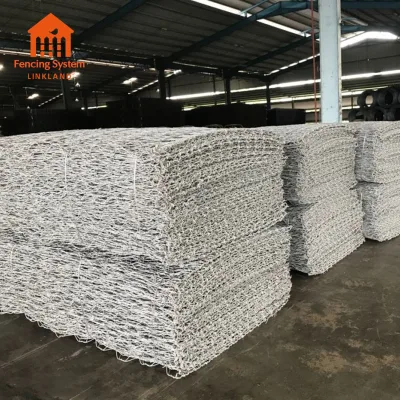
Hexagon gabion mesh is typically packed in trays or wrapped in plastic film. This packaging protects the galvanized surface treatment during transit. The trays ensure stability for heavy metal rolls. Proper packing prevents damage to the wire gauge and maintains the integrity of the hexagonal hole shape until installation at the construction site.
What surface treatment is used for hexagon gabion wire?
The surface treatment is galvanized to enhance corrosion resistance. This process involves coating the low carbon steel or galvanized iron wire with zinc. The galvanized finish protects the mesh in outdoor environments like road building. It ensures the gabion box remains durable and rot-proof over its service life in civil engineering projects.