Source Hypoallergenic Breathable Fever Cooling Patch for Headache, Toothache, Fever
Find 30 listings for the Hypoallergenic Breathable Fever Cooling Patch suitable for headache, toothache, and fever relief. Buyers can compare specifications, certifications, and pricing from verified manufacturers in China.
Key considerations
Products List
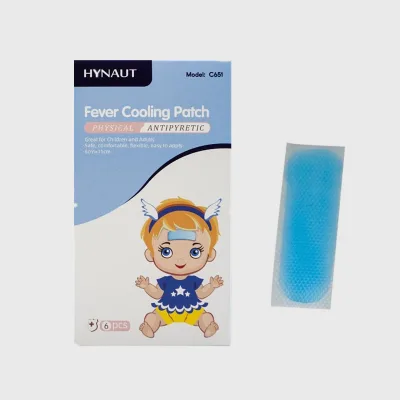
Family Care Non-woven Disposable Fever Relief Patch 8 Hours Cooling Patch
$0.40 - $0.70
MOQ: 20000 boxes


Colorful Cool Pad Fever Patch Cooling Gel Patch for Kids, Cool Baby Fever Patch
$0.10 - $0.30
MOQ: 5000 Pieces


Custom Gel Cooling Patch for Baby Fever Cooling Patch, Cooling Gel Patch for Fever
$0.10 - $0.20
MOQ: 5000 Pieces




Comprehensive Sourcing Guide
Strategic Sourcing Guide for Hypoallergenic Breathable Fever Cooling Patches
Understanding Product Composition and Technical Specifications
When sourcing hypoallergenic breathable fever cooling patches, the primary objective is to identify products that effectively manage body temperature while maintaining skin safety. The core material composition is a critical determinant of both performance and safety. Based on available market data, these patches typically utilize a non-woven fabric combined with a cooling gel. This combination is essential for breathability, allowing air circulation to prevent skin maceration during prolonged use, while the gel provides the necessary thermal exchange for fever relief.
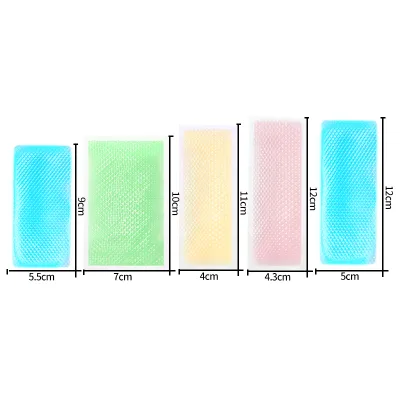
The physical dimensions of the patch are equally vital for application efficacy. Standard specifications observed in the market include sizes such as 12cm by 5cm or 11cm by 4cm. These dimensions are engineered to fit specific anatomical areas, such as the forehead or temples, where fever reduction is most effective. Some suppliers offer variable sizing, including 4x11cm and 5x12cm options, to accommodate different user groups, particularly infants and young children. The packaging standard often involves individual bagging, with bulk cartons containing 200 boxes, each holding 26 bags. This granular packaging ensures hygiene and ease of use in clinical or home settings.
The functional application extends beyond simple fever reduction. These cooling patches are designed for a broad spectrum of cold and hot dressing applications, including headaches, toothaches, muscle strains, sprains, arthritis, rheumatism, dysmenorrhea, cervical spondylitis, sciatica, and psoatic strain. The versatility of the product requires a robust manufacturing process that ensures the gel remains stable and effective across these varied conditions. The product is generally classified as a Class I medical instrument, indicating a lower risk profile, yet it still demands rigorous quality control to ensure the hypoallergenic claims are substantiated.
Compliance, Certification, and Regulatory Standards
Navigating the regulatory landscape is a fundamental step in the procurement of medical-grade cooling patches. Buyers must verify that suppliers possess valid certifications that align with the target market's requirements. Common certifications observed in the sector include CE (Conformité Européenne) and FDA (Food and Drug Administration) registration. These certifications indicate that the product meets specific safety and efficacy standards for medical devices in Europe and the United States, respectively.
Beyond the primary device certifications, the manufacturing facility's quality management systems are crucial. Certifications such as ISO (International Organization for Standardization) and BSCI (Business Social Compliance Initiative) are often cited, suggesting adherence to international quality management and ethical labor practices. Additionally, some suppliers may hold WCA (Women's Chamber of Commerce) or other regional accreditations. It is imperative for buyers to request current, verifiable copies of these documents rather than relying on marketing claims.
Sterilization methods are another critical compliance factor. The market data indicates variations in sterilization approaches, ranging from "Without Ethylene Oxide Sterilization" to the use of Cobalt 60 irradiation. Ethylene oxide is a common sterilant but raises concerns regarding residual toxicity, making Cobalt 60 or alternative methods preferable for hypoallergenic products. Buyers must explicitly confirm the sterilization method used, as this directly impacts the product's safety profile and regulatory acceptance in different jurisdictions. The product's shelf life is typically three years, a standard duration that must be maintained through proper storage and packaging integrity.
Cost Drivers and Pricing Dynamics
The pricing structure for fever cooling patches is influenced by several interconnected factors, including material costs, order volume, and customization requirements. The observed price range in the market spans from $0.04 to $2.05 per unit, reflecting a significant variance based on the specific product configuration and supplier tier. This wide range underscores the importance of defining precise specifications before requesting quotes.
The Minimum Order Quantity (MOQ) is a primary driver of unit cost. Suppliers often enforce MOQs ranging from 10 units to 100,000 units, with specific thresholds such as 20,000 pieces or 5,000 boxes being common benchmarks. Higher order volumes typically result in lower per-unit costs due to economies of scale in material procurement and production line efficiency. However, buyers must balance the need for cost reduction against inventory holding costs and cash flow constraints.
Customization represents another significant cost variable. While many suppliers offer OEM (Original Equipment Manufacturer) and ODM (Original Design Manufacturer) services, including logo printing and custom colors, these services incur additional expenses. The decision to include logo printing or to specify custom colors like blue, white, or other bespoke shades will impact the final price. Furthermore, the choice of materials, such as selecting between PU (Polyurethane) and PE (Polyethylene) layers, can alter the cost structure. Buyers should request detailed breakdowns of costs to understand the premium associated with specific features like hypoallergenic treatments or specialized packaging.
Typical Applications and Target Demographics
The versatility of fever cooling patches allows them to serve a diverse range of applications across different demographics. The primary use case is fever relief, particularly for infants and young children, a group that is highly sensitive to temperature fluctuations and requires gentle, non-irritating products. The hypoallergenic nature of the non-woven and gel materials is specifically designed to prevent skin reactions in these vulnerable populations.
Beyond pediatric care, these patches are widely utilized in adult healthcare settings for managing headaches, toothaches, and various musculoskeletal conditions. The application of cold therapy is effective for reducing inflammation and pain associated with muscle strains, sprains, and arthritis. In clinical environments, such as hospitals, the patches are used for their ability to provide immediate, non-invasive relief. The product's classification as a Class I instrument supports its use in both professional medical facilities and home care scenarios.
The "Cold Hot Dressing Application" feature highlights the product's adaptability. While primarily marketed for cooling, the underlying technology often supports hot dressing applications as well, providing a dual-purpose solution for pain management. This flexibility makes the product suitable for a wide array of medical conditions, including cervical spondylitis, sciatica, and dysmenorrhea. Procurement strategies should account for these diverse applications, ensuring that the selected product specifications align with the intended use cases of the end-user.
Supplier Evaluation and Operational Capabilities
Evaluating potential suppliers requires a comprehensive assessment of their operational capabilities, production capacity, and logistical reliability. The place of origin for many of these products is Shandong, China, a region known for its manufacturing infrastructure. Buyers should verify the supplier's ability to meet specific delivery timelines, which typically range from 15 to 35 days depending on order volume and customization needs.
A critical aspect of supplier evaluation is their stock availability and production flexibility. Suppliers that maintain a "Yes" stock status can offer faster turnaround times for immediate needs, while those with custom production capabilities are better suited for large-scale, branded orders. The ability to accept OEM/ODM requests is a key indicator of a supplier's adaptability. Buyers should inquire about the supplier's experience with international standards and their track record in fulfilling orders for the specific target markets they intend to serve.
Logistical considerations also include the packaging and shipping details. The single gross weight of 0.500 KG and the single package size of 26x20x15 cm are essential data points for calculating shipping costs and optimizing container utilization. Suppliers who offer individual packing in bags, with bulk packaging in boxes and cartons, demonstrate a mature supply chain capable of handling complex distribution requirements. Buyers should request samples to verify the physical quality of the packaging and the integrity of the product during transit.
Quality Control and Long-Term Procurement Strategy
Implementing a robust quality control (QC) protocol is essential for maintaining product consistency and safety. Given the medical nature of fever cooling patches, QC measures must cover material integrity, sterilization efficacy, and packaging seal strength. Buyers should establish clear acceptance criteria for the hypoallergenic properties of the non-woven fabric and the gel composition. Regular third-party testing may be necessary to validate claims regarding skin compatibility and thermal performance.
Long-term procurement strategies should focus on building sustainable relationships with suppliers who demonstrate reliability and transparency. This includes negotiating favorable terms for lead times, which can vary from 15 to 30 days for standard orders and up to 35 days for customized batches. Buyers should also consider the warranty period, which is typically 24 months or 2 years, as an indicator of the supplier's confidence in their product quality.
Sustainability and ethical sourcing are increasingly important factors in the procurement landscape. Certifications like BSCI and ISO provide a framework for evaluating a supplier's commitment to ethical labor practices and environmental responsibility. By prioritizing suppliers with strong compliance records, buyers can mitigate risks associated with supply chain disruptions and reputational damage. Ultimately, a strategic approach to sourcing hypoallergenic breathable fever cooling patches involves a balance of technical verification, regulatory compliance, cost efficiency, and supplier reliability.
| Feature | Standard Observation | Procurement Verification Point |
|---|---|---|
| Material | Non-woven / Gel | Verify hypoallergenic certification and skin safety data. |
| Dimensions | 12x5cm, 11x4cm, 4x11cm | Confirm size availability for target demographic (e.g., infants). |
| Certifications | CE, FDA, ISO, BSCI | Request valid, current certificates for target markets. |
| Sterilization | Cobalt 60 or None (EtO) | Confirm method to ensure no toxic residues. |
| MOQ | 10 - 100,000 units | Negotiate based on volume and inventory strategy. |
| Lead Time | 15 - 35 Days | Align with production schedule and demand forecasts. |
| Packaging | Individual Bag, Box, Carton | Verify seal integrity and shipping durability. |
| Shelf Life | 3 Years | Check expiration date management protocols. |
In conclusion, sourcing hypoallergenic breathable fever cooling patches requires a meticulous approach that balances technical specifications with regulatory and operational realities. By adhering to the guidelines outlined above, buyers can secure high-quality products that meet the diverse needs of their customers while maintaining compliance and operational efficiency.
FAQs
What certifications do hypoallergenic breathable fever cooling patches have?
These patches typically hold CE and FDA certifications, along with ISO and BSCI standards. Some suppliers also list WCA accreditation, ensuring compliance with international safety and ethical labor practices for medical devices.
How are hypoallergenic breathable fever cooling patches sterilized?
Sterilization methods vary, with some products using Cobalt 60 irradiation while others are produced without Ethylene Oxide. Buyers must verify the specific method to ensure no toxic residues remain on the hypoallergenic surface.
Which sizes are available for hypoallergenic breathable fever cooling patches?
Standard dimensions include 12x5cm, 11x4cm, 4x11cm, and 5x12cm options. These sizes are designed to fit specific anatomical areas like the forehead or temples for effective fever relief in infants and adults.
Can buyers customize the logo and color of these patches?
Yes, OEM and ODM services are accepted, allowing for custom logo printing and colors like blue or white. Customization options are available, though they may impact the final unit price and minimum order requirements.
What is the typical lead time for hypoallergenic breathable fever cooling patches?
Delivery times generally range from 15 to 35 days depending on order volume and customization needs. Standard orders may ship within 15-30 days, while larger or customized batches can take up to 35 days.
How much is the minimum order quantity for these cooling patches?
MOQs vary significantly, ranging from 10 units to 100,000 units, with common thresholds like 20,000 pieces or 5,000 boxes. Higher volumes typically reduce the per-unit cost through economies of scale in production.
Where are hypoallergenic breathable fever cooling patches manufactured?
The primary place of origin for these products is Shandong, China. This region is known for its manufacturing infrastructure, and buyers should verify the specific factory location to ensure logistical reliability and quality control.