Source Hexagonal Drum with Baffle for Hoisting, Winding, and Sand Casting
Explore 30 listings for the Hexagonal Drum with Baffle designed for hoisting machinery, cable winding, and sand casting applications. Buyers can compare specifications such as voltage, power, and material to find suitable industrial solutions.
Key considerations
Products List
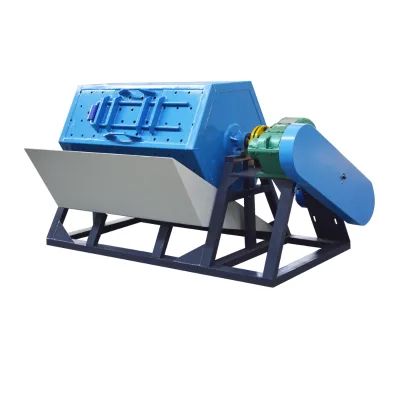

Great Rigidity Drum Winch Drum with Rolled Plate and Seamless Tube Material
$500.00 - $3000.00
MOQ: 1 Pieces


3-High Strength, Light Weight and Great Rigidity Forged Tube Crane Drum
$500.00 - $3000.00
MOQ: 1 Pieces


Durable Stainless Steel Storage Drum with Horizontal and Vertical Setup Options
$2100.00 - $2199.00
MOQ: 1 Pieces

Premium Square Stainless Steel Storage Drum with Horizontal and Vertical Options
$2109.00 - $2169.00
MOQ: 1 Pieces


Versatile Stainless Steel Storage Drum with High Quality and CE Certification
$1939.00 - $1999.00
MOQ: 1 Pieces


High-Quality Square Stainless Steel Storage Drum for Horizontal and Vertical Use
$2209.00 - $2239.00
MOQ: 1 Pieces

High-Quality Drums with Good-Production and Secure Packaging Methods
$40000.00 - $180000.00
MOQ: 1 Sets


Versatile Variable-Speed Drum for Efficient Material Handling Solutions
$5.00 - $10.00
MOQ: 100 Pieces


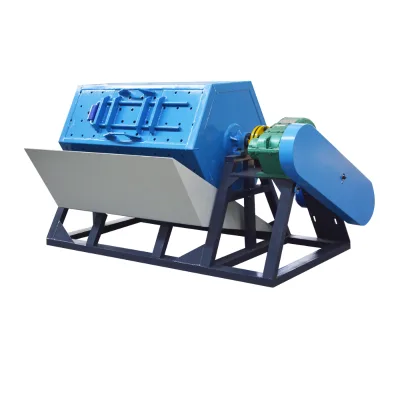
Comprehensive Sourcing Guide
Strategic Sourcing Guide for Hexagonal Drum with Baffle Procurement
Understanding Technical Specifications and Core Components
When sourcing a Hexagonal Drum with Baffle, the primary objective is to identify equipment that aligns with specific operational demands, particularly in hoisting and winding applications. The technical architecture of these drums is defined by a combination of material integrity, mechanical dimensions, and control systems. Based on available market data, the core components of such machinery frequently include a high-performance motor, which is essential for driving the rotational mechanics required in heavy-duty environments. The voltage requirements for these industrial units often operate at 380V, a standard configuration for industrial machinery in many regions, ensuring compatibility with established power grids.
The physical construction of the drum is critical for durability and performance. The material composition is typically cast iron, selected for its high strength and rigidity, which are vital for withstanding the stresses of continuous operation. However, buyers must remain aware that material specifications can vary; some listings indicate that material options are available "as demand," suggesting that customization is a viable pathway for specific project needs. The manufacturing process often involves sand casting, a technique that allows for complex geometries, including the hexagonal shape and integrated baffles that enhance structural stability and mixing efficiency.
Dimensional specifications are equally variable and must be verified against project requirements. The standard production range for drum diameters and lengths can be customizable, with specific examples in the market showing perforation sizes of φ20, φ30, or φ40 mm. The drum speed is another critical parameter, with observed operational ranges falling between 6 and 12 RPM. This speed range is suitable for applications requiring controlled rotation, such as winding or hoisting, where precision is paramount. The single package dimensions for these units can be substantial, with observed sizes reaching up to 198x126x123 cm, necessitating careful logistical planning for shipping and on-site installation.
Compliance, Certification, and Quality Assurance
Navigating the compliance landscape is a non-negotiable aspect of B2B procurement for industrial machinery. Buyers must verify that suppliers provide valid documentation regarding safety and quality standards. The market data indicates that certifications such as CE are commonly associated with these products, serving as a baseline for European safety compliance. Furthermore, some listings reference a broader suite of certifications, including ISO, ISO GS, and RoHS, which address environmental standards and quality management systems. It is imperative for buyers to request and validate these certificates directly, as the presence of a certification mark does not guarantee that every unit in a batch meets the specific standard without verification.
Quality assurance extends beyond paper certifications to include tangible testing reports. High-confidence data suggests that machinery test reports are provided for these units, offering evidence of performance under controlled conditions. Specific testing protocols mentioned in the supply chain include 100% Ultrasonic Testing (UT) and Magnetic Testing (MT) for welding integrity. These non-destructive testing methods are crucial for ensuring that the welds on the drum structure, particularly around the baffles and the hexagonal seams, are free from defects that could lead to catastrophic failure. The surface treatment of the drum is also a key quality indicator; descriptions such as "polished smooth welding" and "burr-free" suggest a focus on finish quality that reduces friction and wear during operation.
Buyers should also scrutinize the warranty terms provided by the supplier. A standard warranty period of one year is observed in the current market, which serves as a baseline for post-purchase support. However, the scope of this warranty, including coverage for parts versus labor and the process for claiming repairs, must be clearly defined in the contract. The condition of the product is typically listed as "New," but buyers should verify the manufacturing date and storage conditions to ensure the equipment has not degraded while in transit or warehousing.
Cost Drivers and Pricing Dynamics
The pricing structure for hexagonal drums with baffles is influenced by a complex array of factors, resulting in a wide observed range from $0.10 to $180,000 USD. This vast disparity underscores the importance of understanding the specific configuration required. The primary cost driver is the customization level; standard models with fixed dimensions and materials will naturally be priced lower than bespoke units designed with specific power ratings, unique perforation sizes, or specialized surface treatments. The power rating of the motor is another significant factor, with observed specifications reaching 10 kW, which directly impacts the cost of the drive system and the overall energy efficiency of the unit.
The weight of the unit also plays a role in logistics costs. With single gross weights observed at 490 kg, shipping expenses can be substantial, particularly for international orders. Buyers must factor in the cost of specialized packaging, such as export-grade boxes or pallets, which are designed to protect the drum during transit. The "Selling Units" are typically listed as single items, meaning that the quoted price usually includes the entire assembly rather than modular components.
Minimum Order Quantity (MOQ) is another variable that affects the total cost of ownership. The observed MOQ range spans from 1 to 100 units, offering flexibility for small-scale projects or large industrial deployments. Suppliers that accept small orders may charge a premium per unit to cover setup costs, whereas bulk purchases often benefit from economies of scale. Buyers should negotiate based on their specific volume needs, keeping in mind that "Small Orders" are accepted by many suppliers, which can be advantageous for testing the market or fulfilling pilot projects without a massive capital outlay.
Typical Applications and Operational Context
Hexagonal drums with baffles are primarily engineered for specialized industrial applications where material handling and mechanical stability are critical. The most prominent application identified in the market is for hoisting machinery, where the drum's geometry and baffle design facilitate the secure winding and unwinding of cables or ropes. The baffle structure helps prevent cable slippage and ensures even distribution of tension, which is essential for the safety and longevity of hoisting operations. Additionally, the usage category of "winding" points to applications in cable manufacturing or processing, where the drum serves as a spool for organizing wire or fiber.
The versatility of these drums is further highlighted by their potential use in fiber splicing and cable bobbin applications. The "Fiber Splicer" designation suggests that these units may be integrated into systems that join optical fibers or other conductive materials, requiring precise control over the drum's rotation and tension. The "Moistureproof" feature mentioned in product attributes indicates that these drums are designed to operate in environments where humidity could compromise the integrity of the wound material or the mechanical components. This makes them suitable for outdoor installations or industrial facilities with varying environmental conditions.
The control systems integrated into these drums, such as PLC (Programmable Logic Controller) or OLC (likely a specific control logic system), allow for automated operation. This automation is crucial for maintaining consistent speeds, typically in the 6-12 RPM range, and for synchronizing the drum's movement with other machinery in a production line. The ability to customize the color and material "as demand" allows manufacturers to integrate these drums into existing facility aesthetics or specific material handling protocols without compromising functionality.
Supplier Evaluation and Geographic Considerations
Evaluating suppliers for hexagonal drums requires a focus on their geographic origin and production capabilities. The primary production hubs identified are in Fujian and Jiangsu, China, regions known for their robust manufacturing ecosystems and expertise in heavy machinery. The "Place of Origin" and "Origin" fields consistently point to China, indicating that the global supply chain for these components is heavily centralized in this region. Buyers should verify the specific factory location, as different provinces may have varying levels of regulatory oversight and logistical infrastructure.
When assessing a supplier, buyers should look for evidence of their production capacity and customization capabilities. The availability of "Customization" and "Customized" options suggests that many suppliers are willing to tailor the drum's dimensions, such as the standard range of 250mm to 2500mm, to meet specific project requirements. The "Model Number" variations, such as Brake drum-#1681 or #6789, and the "prod_model" codes like L32, indicate a diverse product line that can cater to different market segments.
It is crucial to avoid relying solely on brand names, as the market data shows multiple brand identifiers, including "DELYNN" and "zndmotor." This suggests that the same manufacturer may produce goods under different trade names, or that the supply chain involves multiple distributors. Buyers should focus on the technical specifications and the supplier's ability to provide the necessary documentation, such as the machinery test report and welding test results, rather than the brand name alone. The acceptance of small orders by many suppliers also indicates a flexible approach to customer engagement, which can be beneficial for buyers looking to establish a long-term relationship without immediate high-volume commitments.
Long-Term Procurement and Maintenance Strategy
Sourcing a hexagonal drum with a baffle is not merely a transactional event but the beginning of a long-term operational relationship. Buyers must consider the maintenance requirements and the availability of spare parts. The "1 Year" warranty provides a baseline for support, but the long-term viability of the equipment depends on the supplier's ability to provide ongoing technical assistance and replacement components. The "Automatic Grade" of the machinery suggests that the system is designed for continuous operation, which necessitates a proactive maintenance schedule to prevent downtime.
The structural integrity of the drum, ensured by features like "High Strength, Light Weight and Great Rigidity," is a key factor in its lifespan. However, even with robust construction, regular inspection of the welding points and surface treatment is necessary to detect early signs of wear or corrosion. The "Double Layer" structure mentioned in some specifications may offer additional protection or redundancy, but it also requires specific maintenance protocols to ensure both layers function correctly.
Buyers should also plan for the logistical aspects of the product's lifecycle. The "Single package size" and "Single gross weight" indicate that the drum is a large, heavy item that may require specialized handling equipment for installation and maintenance. The "Export Package" ensures that the product arrives in good condition, but the buyer must have the infrastructure in place to unpack and install the unit safely. By understanding these long-term considerations, buyers can make informed decisions that align with their operational goals and ensure the reliable performance of the Hexagonal Drum with Baffle in their specific industrial context.
FAQs
What certifications do hexagonal drums with baffles typically have?
These drums commonly carry CE certification, with some listings also showing ISO and RoHS compliance. Buyers should verify specific certificates directly, as the presence of a mark does not guarantee every unit meets the standard without validation.
Can I customize the material and dimensions of the drum?
Yes, customization is available for material and dimensions, with options listed as 'as demand'. Standard production ranges for drum diameters can be customized, allowing buyers to specify unique requirements for their specific industrial projects.
What is the typical warranty period for this machinery?
A standard warranty period of one year is observed in the current market for these units. Buyers must clearly define the scope of this warranty in the contract, including coverage for parts versus labor and the repair claim process.
How is the welding quality verified for these drums?
Quality assurance includes 100% Ultrasonic Testing and Magnetic Testing for welding integrity. These non-destructive tests ensure that welds on the drum structure are free from defects, supported by provided machinery test reports.
What is the operating speed range for these drums?
The observed operational speed range for these drums falls between 6 and 12 RPM. This speed is suitable for applications requiring controlled rotation, such as winding or hoisting, where precision is paramount for safety and longevity.
Which locations are the primary manufacturing hubs for these drums?
Primary production hubs are located in Fujian and Jiangsu, China. Buyers should verify the specific factory location, as different provinces may have varying levels of regulatory oversight and logistical infrastructure affecting the supply chain.