Source Hexagonal Car Polishing Led Lighting for Workshops
Source Hexagonal Car Polishing Led Lighting from 30 verified suppliers. Compare specifications including 546W power options, 3500K warm white output, and IP20 ratings for car washes, workshops, and warehouses; compare the available evidence and request quotations based on your requirements.
Key considerations
Products List
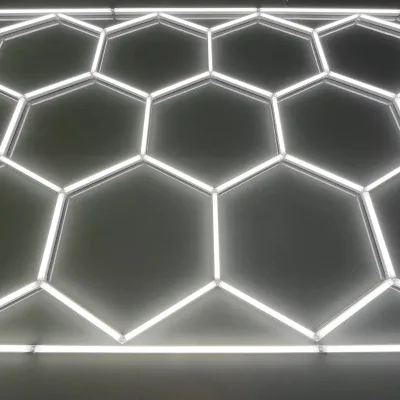
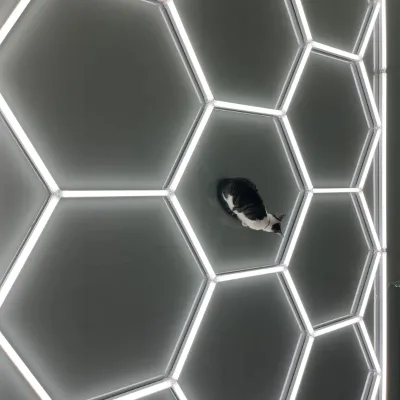
Factory Hot Sell High Performance Led Hexagon Led Ceiling Detailing Light
$85.00 - $95.00
MOQ: 2 pieces
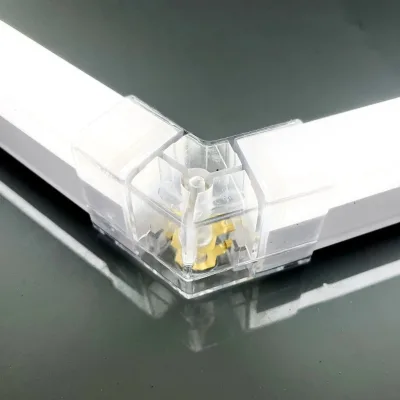
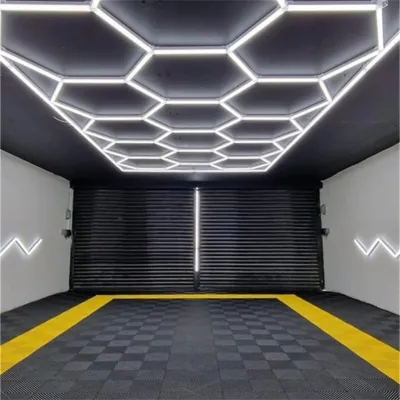


2023 New Design Hexagonal LED Light Car Detailing Lights Car Showroom Lamp
$68.00 - $129.20
MOQ: 3 Pieces


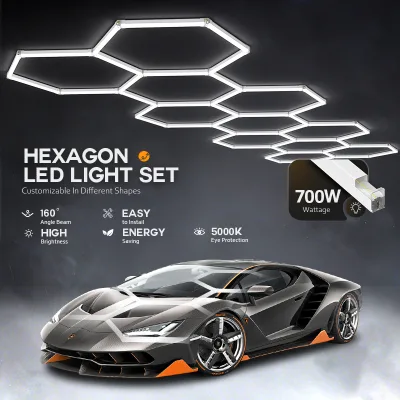
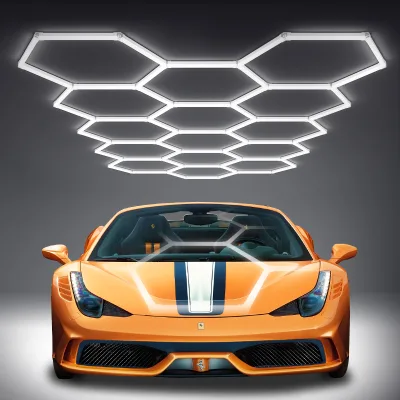
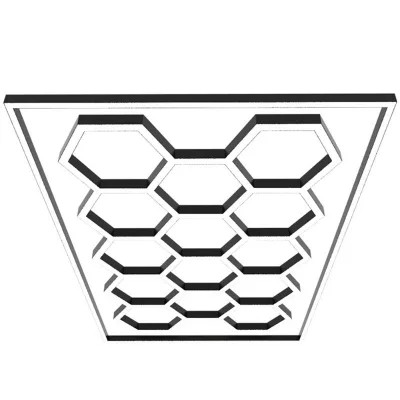


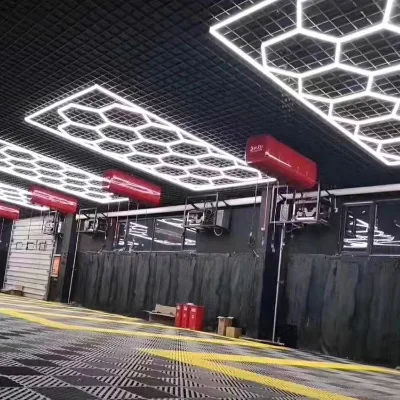


Factory Direct Modern Honeycomb Hexagon LED Light for Auto Detailing Garage
$80.00 - $90.00
MOQ: 10 Pieces
Comprehensive Sourcing Guide
Hexagonal Car Polishing Led Lighting Sourcing Guide
Procuring Hexagonal Car Polishing Led Lighting requires distinguishing between specialized automotive detailing units and general industrial fixtures that share similar form factors. The observed market data indicates a product range designed for high-visibility environments like car washes and 4S service centers, where specific beam angles and color temperatures are critical for accurate paint assessment. Buyers must carefully evaluate whether a listed unit is engineered specifically for the hexagonal aesthetic required in detailing bays or if it is a generic bar light adapted for such use.
The supply chain for these fixtures often originates from manufacturing hubs in Guangdong, China, where aluminum alloy and plastic shell constructions are standard. Sourcing decisions should prioritize suppliers who can demonstrate the ability to customize dimensions, as observed listings show sizes ranging from standard bar lengths to fully customizable configurations. Understanding the distinction between a standard workshop light and a purpose-built hexagonal detailing solution is the first step in securing equipment that meets the rigorous visual demands of professional automotive care.
Product Scope and Observed Listing Signals
The product scope for hexagonal car polishing lighting encompasses a variety of power ratings, with observed listings featuring units ranging from 36W to 546W. These variations suggest a market segment that serves both small, localized detailing stations and large-scale commercial car wash facilities. Buyers should verify the specific power output required for their space, as higher wattage units like the 546W models are likely intended for expansive areas requiring intense, uniform illumination to reveal surface imperfections during the polishing process.
Listing signals also reveal diverse emitting colors, including cold white, warm white, and RGB options, which cater to different visual preferences and operational needs. While some units are fixed at 3500K or 6500K, others offer changeable color capabilities, allowing facilities to adjust lighting conditions for specific detailing tasks. Procurement teams must confirm that the selected emitting color aligns with the color rendering index (Ra) requirements, as a high Ra value is essential for accurately distinguishing paint defects and ensuring the quality of the final polish.
Technical Specifications to Verify
Technical verification must begin with the LED source and chip quality, as the longevity and consistency of light output depend heavily on these components. The market data points to the use of 7035 LED chips, which are known for their efficiency and brightness, but buyers should confirm the specific binning and quality control measures in place to ensure uniform performance across the entire fixture. Additionally, the beam angle of 120 degrees is a critical specification for wide-area coverage, ensuring that the hexagonal layout provides even illumination without creating dark spots that could hide polishing errors.
Electrical compatibility and environmental resilience are equally vital for long-term operational stability in demanding automotive environments. Buyers need to verify input voltage ranges, which vary from AC 85-265V to specific 220V or 110V configurations, to ensure seamless integration with local power grids. Furthermore, the IP rating, observed as either IP20 or IP33, dictates the fixture's resistance to dust and moisture, a crucial factor for car wash applications where water exposure is frequent. Confirming the working temperature range of -20°C to 60°C ensures the lights will function reliably in both heated bays and unheated outdoor areas.
Compliance and Safety Documentation
Compliance documentation is a non-negotiable aspect of sourcing industrial lighting, particularly for equipment used in commercial settings where safety regulations are strictly enforced. The observed product attributes list certifications such as CE, ROHS, SAA, C-TICK, FCC, and UL, which indicate adherence to various international safety and environmental standards. Procurement teams must request valid test reports and certificates for each specific model to verify that the claimed certifications are current and applicable to the batch being purchased, rather than relying on generic marketing claims.
Safety standards also extend to the electrical design and material composition of the fixtures. The use of aluminum alloy and plastic shells must be verified against fire safety and flammability standards relevant to the buyer's region. Additionally, the warranty period of three years suggests a manufacturer's confidence in product durability, but this should be backed by clear terms regarding coverage for LED degradation and driver failure. Ensuring that all safety documentation is complete and transferable is essential for maintaining liability protection and operational continuity in professional automotive facilities.
Cost Drivers and Commercial Terms
Cost drivers for hexagonal car polishing lighting are significantly influenced by the complexity of the optical design and the quality of the LED components. Units with customizable dimensions and advanced features like dimming support or RGB color changing typically command higher prices due to the increased manufacturing precision and component costs involved. Buyers should analyze the price range of 1.65 to 1270 USD to understand the correlation between power output, feature set, and unit cost, ensuring they do not overpay for unnecessary specifications or underinvest in critical performance attributes.
Commercial terms, including Minimum Order Quantity (MOQ) and packaging logistics, play a substantial role in the total cost of ownership. Observed MOQs range from 1 to 100 units, offering flexibility for small detailing shops while potentially requiring bulk commitments for larger chains. The single package size of 122x26x20 cm and a gross weight of 10 kg per unit must be factored into shipping calculations, as these dimensions can impact freight costs and storage requirements. Negotiating favorable terms on packaging and shipping can significantly reduce the overall expenditure, especially for international procurement.
Supplier Qualification and Quality Control
Supplier qualification should focus on the manufacturer's ability to provide comprehensive lighting solutions services, such as AGi32 layout, Auto Cad Layout, and Dialux Evo Layout. These services indicate a supplier's capacity to assist buyers in planning the optimal placement and circuitry design for their specific facility, ensuring that the hexagonal lighting arrangement delivers the intended visual results. A supplier offering onsite metering and project installation support demonstrates a higher level of commitment to the end-user's success, reducing the risk of installation errors and performance gaps.
Quality control processes must be rigorously evaluated to ensure consistent product performance across large orders. Buyers should inquire about the supplier's testing protocols for LED lifespan, which is claimed to be 50,000 hours, and verify the methods used to maintain color consistency over time. The presence of a three-year warranty is a positive indicator, but it is essential to understand the specific conditions under which this warranty is valid and the process for handling claims. Establishing a clear quality assurance framework with the supplier is crucial for maintaining the high standards required in professional automotive detailing environments.
Long-Term Procurement Checks
Long-term procurement checks should prioritize the availability of replacement parts and the stability of the supply chain for critical components like LED drivers and chips. Given the specialized nature of hexagonal car polishing lights, ensuring that the supplier can provide compatible spare parts for the 7035 LED chips and specific power supplies is vital for minimizing downtime. Buyers should also assess the supplier's track record for maintaining consistent product specifications over time, as changes in component sourcing can affect the color temperature and luminous efficiency of the fixtures.
Regular performance audits and feedback loops with the supplier are necessary to maintain the quality of the lighting installation. Buyers should establish a schedule for reviewing the operational status of the lights, checking for any signs of flickering, color shift, or reduced brightness that might indicate early failure. Maintaining open communication with the supplier regarding any issues allows for proactive maintenance and ensures that the lighting system continues to meet the demanding visual requirements of professional car polishing and detailing operations.
FAQs
What certifications do the Hexagonal Car Polishing Led Lighting units have?
The units carry CE, ROHS, SAA, C-TICK, FCC, and UL certifications. These standards ensure safety and compliance for international markets. Buyers can verify these documents before placing orders to meet local regulatory requirements for automotive workshops.
How long is the warranty period for this Hexagonal Car Polishing Led Lighting?
The product comes with a three-year warranty period. This coverage protects against manufacturing defects during normal operation. Buyers should retain proof of purchase to validate claims if any issues arise within the specified timeframe.
Which color temperatures are available for the Hexagonal Car Polishing Led Lighting?
Available options include 3500K warm white, 6500K cold white, and customizable RGB colors. The specific temperature depends on the selected model configuration. Buyers can choose based on their preferred lighting atmosphere for car detailing or workshop environments.
Can the Hexagonal Car Polishing Led Lighting be customized for specific sizes?
Yes, the size can be customized to fit specific project requirements. Standard dimensions are approximately 2.41 by 4.78 meters. Buyers needing non-standard sizes should contact suppliers directly to discuss custom manufacturing options and associated lead times.
What is the typical power consumption for the Hexagonal Car Polishing Led Lighting?
Power options range from 24W to 546W depending on the specific model selected. Lower wattage units suit smaller areas while higher wattage models cover large workshops. Buyers should calculate total requirements based on their space dimensions before ordering.
Where are the Hexagonal Car Polishing Led Lighting units manufactured?
These units are manufactured in Guangdong, China. The production facility ensures consistent quality control for export orders. Buyers can expect reliable supply chains originating from this major manufacturing hub in the region.
How does the Hexagonal Car Polishing Led Lighting support dimming functions?
Some models support dimming functions while others do not. Buyers must check specific product attributes before purchase as support varies by model. Confirming dimmer compatibility is essential for projects requiring adjustable light intensity levels.