Source Hidden Drawer Acrylic Door Handle for cabinets, drawers, wardrobes
Find 30 Hidden Drawer Acrylic Door Handle options from verified suppliers. Compare specifications, prices, and customization features for cabinet, drawer, and wardrobe applications.
Key considerations
Products List



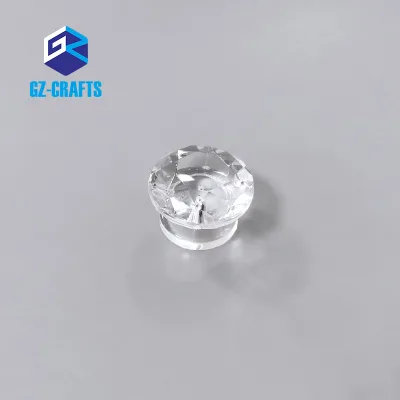
Clear Acrylic Diamond Pull Handle Small Diamond Acrylic Drawer Handle 19x19mm
$0.10 - $0.62
MOQ: 100 Minimum
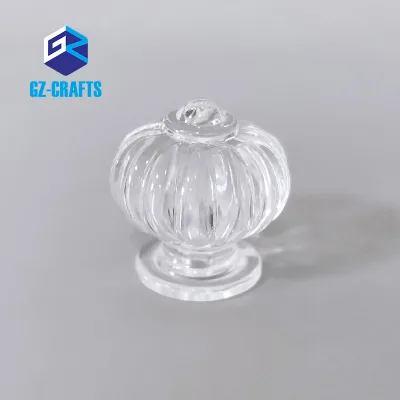
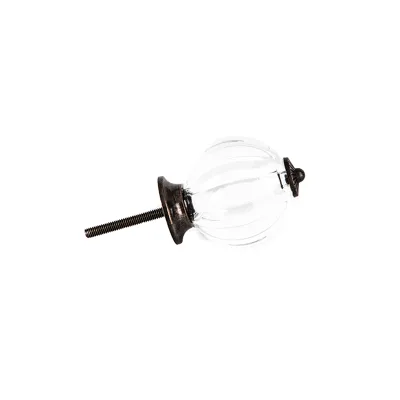


Modern Minimalist Hidden Door Handle Silent Magnetic Door Handle Bathroom Wooden Door Handle
$4.50 - $5.00
MOQ: 500 Pieces


Bathroom Door Lock Door Handle with Hidden Key Lever Handle Lock White Satin Black Colors
$4.50 - $5.00
MOQ: 500 Pieces
Comprehensive Sourcing Guide
Hidden Drawer Acrylic Door Handle Sourcing Guide
Sourcing hidden drawer acrylic door handles requires a nuanced understanding of both aesthetic integration and mechanical functionality. These components are designed to blend seamlessly into cabinetry, offering a minimalist aesthetic that appeals to modern interior design trends. Buyers must distinguish between purely decorative acrylic pulls and functional hardware that supports the weight and frequency of use associated with drawers and wardrobe doors. The market offers a variety of materials, including clear acrylic, plastic composites, and brass fittings, each presenting different durability and visual profiles. Understanding these material distinctions is the first step in defining procurement requirements that align with the final product’s intended use and market positioning.
The procurement process involves evaluating suppliers who can provide customization options, as off-the-shelf solutions may not fit specific cabinet dimensions or design languages. Many manufacturers offer OEM services, allowing buyers to tailor the size, color, and packaging to their brand identity. This flexibility is crucial for brands seeking unique selling points in a competitive furniture market. However, customization introduces complexity in quality control and lead time management. Buyers need to establish clear specifications early in the engagement to avoid discrepancies between the sample and the bulk order, ensuring that the final hardware meets both aesthetic and functional expectations.
Product Scope and Observed Listing Signals
The current market landscape for hidden drawer acrylic handles includes a diverse range of products, from simple clear acrylic pulls to more complex designs featuring diamond patterns or hollow cases. Listings indicate a price range that reflects variations in material quality, such as solid brass versus plastic-acrylic composites, and the level of surface treatment applied. Observed listings show that products are often marketed with specific dimensions, such as 50mm or 30mm widths, and specialized shapes like small diamond handles with a 19mm diameter. These variations suggest that buyers should not assume a one-size-fits-all approach but rather select components based on the specific drawer or cabinet dimensions they are designing for.
Signal analysis of product listings reveals that many suppliers emphasize customization capabilities, including design, packaging, and color adjustments. This indicates a mature supply chain capable of supporting bespoke orders, which is particularly relevant for high-end furniture manufacturers. Additionally, the presence of specific model numbers, such as DG025676 or GZ-2769, suggests that suppliers maintain structured product catalogs rather than offering purely generic items. Buyers should leverage these model identifiers to track specific product iterations and ensure consistency across reorders. The emphasis on "modern" styles and "solid" standards further narrows the scope to contemporary hardware solutions that prioritize clean lines and robust construction.
Technical Specifications to Verify
Verifying technical specifications is critical to ensuring that the acrylic handles meet the mechanical demands of daily use. Key attributes to confirm include the material composition, which may range from pure acrylic to plastic blends, and the surface treatment, such as polished finishes that enhance durability and aesthetic appeal. Buyers should also verify the screw specifications, as some suppliers default to 1-inch screws while offering 1.5-inch options for thicker cabinet panels. The height of the handle, often listed as 32mm or 35mm, must be compatible with the drawer’s profile to ensure proper clearance and operation. These dimensional details are not merely aesthetic choices but functional requirements that impact the user experience.
Another crucial aspect is the rotary and mounting mechanism, which should be fixed and secure to prevent wobbling or detachment over time. Suppliers may offer multi-layer electroplating processes for metal components, which provide anti-oxidation benefits and extend the lifespan of the hardware. Buyers should request detailed technical drawings or samples to verify the fit and finish of these components. Additionally, the packaging specifications, such as clean poly bags, special white boxes, or export cartons, should be aligned with the buyer’s logistics requirements to prevent damage during transit. Confirming these technical details early in the sourcing process helps avoid costly modifications or returns later in the supply chain.
Compliance and Safety Documentation
Compliance with international standards is essential for hardware products that will be sold in regulated markets. Buyers should verify that suppliers hold relevant certifications, such as CE and RoHS, which indicate adherence to European safety and environmental regulations. These certifications are particularly important for products containing plastics or metals, as they ensure that harmful substances are minimized and that the product is safe for consumer use. While some listings mention certifications, buyers must request valid certificates from accredited bodies to confirm their authenticity and current status. This due diligence protects the buyer from potential legal liabilities and reputational damage associated with non-compliant products.
Safety and ease of use are also key considerations, especially for handles that will be frequently touched by children or elderly users. The design should avoid sharp edges and ensure a smooth finish, which can be verified through physical samples or detailed product images. Buyers should also inquire about the recyclability of the materials, as sustainability is becoming an increasingly important factor in consumer purchasing decisions. Some suppliers highlight features such as recyclable acrylic or practical, functional designs, which can be leveraged in marketing materials. However, these claims should be substantiated with material safety data sheets or environmental impact assessments to ensure they are accurate and credible.
Cost Drivers and Commercial Terms
Understanding the cost drivers for hidden drawer acrylic handles involves analyzing the materials, manufacturing processes, and customization levels. Brass components and multi-layer electroplating processes typically increase costs due to the complexity of production and the value of the raw materials. In contrast, plastic-acrylic composites may offer a more budget-friendly option without compromising significantly on aesthetics. Buyers should also consider the impact of customization on pricing, as design changes, custom packaging, and specific color requirements can add to the overall cost. Establishing a clear understanding of these variables helps in negotiating favorable terms and budgeting accurately for the procurement project.
Commercial terms, including minimum order quantities (MOQ) and lead times, play a significant role in the sourcing strategy. Observed listings indicate MOQs ranging from 1 to 5000 units, providing flexibility for both small-scale trials and large-volume orders. Lead times typically range from 15 to 30 days, depending on the complexity of the order and the supplier’s production capacity. Buyers should factor in these timelines when planning their inventory and production schedules to avoid stockouts or delays. Additionally, payment terms and shipping arrangements should be clearly defined in the contract to mitigate financial risks and ensure smooth logistics operations.
Supplier Qualification and Quality Control
Supplier qualification is a critical step in ensuring the reliability and consistency of the hardware supply. Buyers should assess suppliers based on their production capabilities, quality control processes, and track record in the industry. Visiting the supplier’s facility, if possible, or requesting detailed audits can provide insights into their manufacturing standards and operational efficiency. Suppliers located in regions like Jiangmen, Guangdong, or Zhejiang, China, often have established supply chains and expertise in hardware manufacturing. However, buyers should verify the supplier’s ability to maintain consistent quality across batches, especially when dealing with customized orders.
Quality control measures should include rigorous testing of the handles for durability, finish quality, and mechanical integrity. Buyers should request samples for evaluation before placing bulk orders, using these samples to establish quality benchmarks. Inspections can be conducted during production or before shipment to ensure that the products meet the agreed-upon specifications. Suppliers who offer OEM services and customization should also demonstrate their ability to replicate designs accurately and maintain consistency in color and finish. Establishing a strong quality control framework helps minimize defects and ensures that the final products meet the buyer’s standards and customer expectations.
Long-Term Procurement Checks
Long-term procurement success depends on continuous monitoring of supplier performance and market trends. Buyers should regularly review supplier metrics, such as on-time delivery rates, defect rates, and responsiveness to issues, to identify potential risks and areas for improvement. Building a strong relationship with suppliers can lead to better pricing, priority production, and collaborative innovation in product design. Additionally, staying informed about emerging trends in hardware design, such as new materials or finishes, can help buyers stay competitive in the market. Regularly updating procurement strategies based on these insights ensures that the supply chain remains agile and responsive to changing demands.
Sustainability and ethical sourcing are becoming increasingly important in long-term procurement strategies. Buyers should evaluate suppliers’ environmental practices, such as waste management and energy efficiency, to align with corporate sustainability goals. Engaging with suppliers who prioritize ethical labor practices and transparent supply chains can enhance brand reputation and customer loyalty. By integrating these considerations into the procurement process, buyers can build a resilient and responsible supply chain that supports long-term business growth and success. Continuous improvement and adaptation are key to maintaining a competitive edge in the dynamic hardware market.
FAQs
Can I customize the design and packaging for these handles?
Yes, customization is available for design, packaging, color, and size. The product supports OEM services and allows buyers to request specific modifications to meet their unique requirements for cabinet or drawer applications.
What materials are used to make these cabinet handles?
The handles are primarily made from brass and acrylic plastic materials. Brass versions feature a solid standard with multi-layer electroplating for anti-oxidation, while acrylic options offer a clear, recyclable, and practical design for decoration.
What is the lead time for orders of these handles?
The standard lead time for production is between 15 to 30 days. This duration applies to orders requiring standard or customized specifications, ensuring timely delivery for cabinet, drawer, and wardrobe projects.
Which certifications do these products hold for safety?
The products hold CE and RoHS certifications to ensure safety and compliance. These standards confirm that the handles are safe and easy to use for doors, cabinets, and wardrobes in various international markets.
How are the handles packaged for export shipping?
Packaging options include clean poly bags, special white boxes, and export cartons. Some items use color boxes or 5-ply kraft cartons, and packaging can be based on specific customer requirements for protection during transit.
What sizes are available for the acrylic drawer handles?
Available sizes include 50mm, 30mm, and 19mm diameter options depending on the model. Specific dimensions like 50x10mm or 30x9mm are offered for different styles, allowing flexibility for various cabinet and drawer applications.
Can I order samples before placing a bulk order?
Yes, sample orders are accepted to verify quality and design before bulk purchasing. This allows buyers to test the product features, such as the polished surface treatment and anti-oxidation properties, prior to committing to larger quantities.