Source Hidden Camera Detector for Home, Car, and Special Equipment
Compare 30 Hidden Camera Detector models from verified suppliers. Options include handheld sensors, probe detectors, and infrared camera detectors with varying detection ranges and battery capacities for home, car, and special equipment use.
Key considerations
Products List


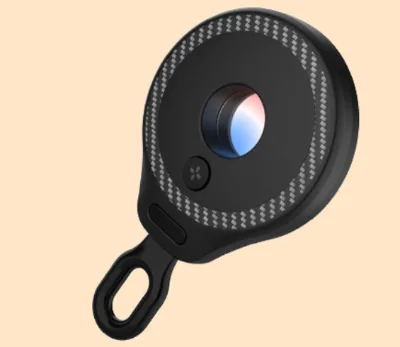


RF Signal Anti Spy Mini Camera Detector Hidden Bug Scanner Tracker Finder
$22.60 - $25.10
MOQ: 1 Pieces


Comprehensive Sourcing Guide
Strategic Sourcing Guide for Hidden Camera Detectors
The global demand for privacy protection has elevated the Hidden Camera Detector to a critical category within the security and surveillance procurement landscape. For B2B buyers, sourcing these devices requires a nuanced understanding of technical variances, regulatory compliance, and supply chain reliability. The market presents a diverse array of products, ranging from simple handheld sensors to complex multi-band detection systems. This guide provides a structured approach to evaluating suppliers and selecting equipment that aligns with specific operational needs, ensuring that procurement decisions are grounded in verified facts rather than marketing assertions.
Technical Specifications and Detection Capabilities
When evaluating hidden camera detectors, the primary focus must be on the underlying technology and the specific detection parameters. Products in this category generally fall into two distinct functional groups: lens detection probes and radio frequency (RF) signal detectors. Understanding the distinction is vital for matching the device to the threat environment.
Lens detection probes operate by emitting infrared light to reveal camera lenses through reflection. The effectiveness of these devices is often defined by their infrared distance capabilities. For instance, specific models in the current market offer an infrared detection range spanning from 10cm to 10m. This range allows for the identification of lenses hidden in various objects, from smoke detectors to power outlets. The physical form factor is also a critical specification; many units are designed as handheld probes, which facilitates maneuvering in tight spaces. The material composition, such as ABS plastic, contributes to the device's durability and weight, with some units weighing as little as 120g, making them portable for extended inspections.
Conversely, RF detectors scan for wireless signals emitted by transmitting cameras. These devices are essential for detecting wireless spy cameras that stream video to a remote location. The performance of an RF detector is heavily dependent on its frequency range. High-performance units are capable of scanning a broad spectrum, such as 1MHz to 8000MHz, ensuring coverage of common transmission bands including 2.4GHz and 3G mobile phone frequencies. Detection ranges for these units vary based on the power of the signal; for example, a standard 10MW signal might be detected within a 10-square-meter radius on the 2.4G band, while 1.2g signals might extend to 15 square meters. Buyers must verify the specific frequency coverage of any unit they consider, as a device limited to a narrow band may miss modern, low-power transmitters.
Compliance and Certification Standards
In the B2B sector, compliance is not merely a formality but a prerequisite for liability management and operational safety. When sourcing hidden camera detectors, buyers must rigorously verify that products meet international safety and environmental standards. The supply chain data indicates that reputable manufacturers often adhere to ISO9001 for quality management and ISO14001 for environmental management. These standards suggest a systematic approach to production consistency and environmental responsibility, which is crucial for bulk procurement.
Electromagnetic compatibility and safety certifications are equally important. Many devices in this category carry CE certification, indicating compliance with European health, safety, and environmental protection standards. Additionally, RoHS (Restriction of Hazardous Substances) compliance is a common requirement, ensuring that the electronic components do not contain lead, mercury, or other hazardous materials. Some suppliers also list ISO9001/ISO14001 as dual certifications, which reinforces their commitment to both quality and sustainability.
Buyers should not assume that all listed products possess these certifications. Instead, the procurement process must include a request for valid certification documents for each specific model. For instance, while some models are explicitly noted to have CE, ISO, and RoHS certifications, others may only list a CE certificate. The absence of a specific certification in the product listing does not necessarily mean the product is non-compliant, but it requires direct verification with the supplier before finalizing an order.
Cost Drivers and Pricing Structures
The pricing of hidden camera detectors is influenced by a complex interplay of factors, including technological complexity, material costs, and customization requirements. The observed market data reveals a significant price variance, with unit costs ranging from approximately $2.54 to $23,000. This wide spectrum reflects the difference between basic, single-function lens detectors and advanced, multi-spectrum RF scanning systems with sophisticated signal processing capabilities.
Several key drivers influence where a specific product falls within this price range. First, the detection technology dictates the base cost. A simple infrared probe made of ABS plastic with a limited detection range will naturally be priced lower than a multi-band RF detector with a long battery life and high-sensitivity antenna. Second, the battery specifications play a role; units utilizing 3.7V/250mAh batteries with a working time of 2-3 hours may have different cost structures compared to those with larger, rechargeable battery packs.
Packaging and customization also impact the final price. Products shipped in neutral packing are generally more cost-effective than those requiring custom branding or specialized wooden cases. The availability of customized logos and specific color options, such as white or black, can add to the manufacturing complexity and cost. Furthermore, the Minimum Order Quantity (MOQ) affects the unit price. While some suppliers offer an MOQ of just 1 piece, allowing for small-scale testing, larger orders often benefit from economies of scale. Buyers must balance the need for immediate deployment against the potential for cost savings through bulk purchasing.
Typical Applications and Use Cases
The application of hidden camera detectors varies significantly across different industries and environments. Understanding these use cases helps in selecting the right tool for the job. The primary applications identified in the market include home security, automotive security, and special equipment inspection.
In the residential sector, these devices are used to detect unauthorized surveillance in rental properties, hotels, or private residences. The handheld installation mode makes them ideal for quick sweeps of bedrooms, bathrooms, and living areas. For the automotive sector, the detectors are employed to ensure privacy in car and motorcycle rentals or to protect high-value assets from internal monitoring. The versatility of these devices allows them to be used in special equipment scenarios, such as inspecting sensitive government or corporate facilities where data leakage is a high risk.
Additionally, the "Anti-theft" usage attribute highlights a secondary application where these detectors are used to locate hidden tracking devices or surveillance cameras placed on vehicles or in commercial spaces to monitor inventory or employee activities. The ability to detect both wired and wireless threats makes these tools indispensable for security professionals conducting physical site assessments.
Supplier Evaluation and Quality Control
Selecting a reliable supplier is the cornerstone of a successful procurement strategy. The origin of the product is a significant indicator of supply chain maturity. Data shows that products originate from major manufacturing hubs such as Beijing and Guangdong, China. These regions have established ecosystems for electronics manufacturing, but buyers must still conduct due diligence to ensure the specific supplier maintains high standards.
Quality control should be verified through the supplier's adherence to production standards. A supplier claiming ISO9001 certification should be able to provide audit reports that confirm their quality management systems are active and effective. Buyers should also evaluate the supplier's ability to handle customization requests. The availability of customized logos and specific packaging options indicates a flexible manufacturing process, which is essential for B2B clients who need to brand their security equipment.
When evaluating suppliers, buyers should look for transparency regarding the product's single package size and gross weight. For example, a webcam cover style detector might have a single package size of 10x8x10 cm and a gross weight of 0.1 kg, whereas a more complex RF detector might be 140x60x30 mm with a weight of 280g. These physical specifications are critical for logistics planning and inventory management. Furthermore, the selling units should be clearly defined; some suppliers offer single items, while others may require bulk purchases.
Long-Term Procurement Considerations
Sourcing hidden camera detectors is not a one-time transaction but part of a long-term security strategy. Buyers must consider the longevity of the equipment and the availability of support. The working time of the device, typically around 2-3 hours for battery-operated models, is a key factor in operational efficiency. Devices with longer battery life reduce the frequency of recharging or battery replacement, which is crucial for extended security sweeps.
The style and convenience of the device also impact long-term usability. A "convenient" style with a handheld mode ensures that security personnel can use the device comfortably for extended periods without fatigue. Additionally, the feature set, such as the inclusion of an infrared camera detector function, determines the device's relevance over time as surveillance technology evolves.
Buyers should also consider the potential for future customization. As security threats evolve, the ability to update firmware or modify detection algorithms may become necessary. Suppliers that offer customization services, such as accepting customized logos or specific color requests, are often better positioned to support long-term partnerships. Finally, the lead time and MOQ flexibility should be factored into the procurement plan. While some suppliers allow for an MOQ of 1 piece, enabling agile procurement, others may have longer lead times for custom orders. Balancing these factors ensures that the procurement strategy remains robust and adaptable to changing security requirements.
Comparative Analysis of Product Attributes
To facilitate a clearer understanding of the differences between available products, the following table summarizes key attributes observed in the market. This comparison highlights the diversity in specifications, certifications, and origins.
| Attribute | Product A (Model JA-555) | Product B (Model GW-S88) | Product C (Model CKJ-K96) | Product D (Model 661) |
|---|---|---|---|---|
| Type | Sensor | Probe | Sensor | Webcam Cover |
| Origin | Beijing | China | Guangdong, China | China |
| Standard | 1 | 1 | ISO9001/ISO14001 | N/A |
| Certification | CE, ISO, RoHS | N/A | CE Certificate | N/A |
| Detection Range | N/A | 10cm-10m (IR) | 10-15 sqm (RF) | N/A |
| Battery | N/A | 3.7V/250mAh | N/A | N/A |
| Weight | N/A | 120g | 280g | 0.1 kg |
| Customization | Available | N/A | N/A | Logo Acceptable |
| Packing | 1 | Wooden Case | N/A | Neutral Packing |
This table illustrates that while some products focus on sensor technology with broad certification suites, others prioritize specific detection ranges or portability. Buyers must align these attributes with their specific operational requirements rather than assuming a single product type fits all scenarios. The variation in origin and standard also underscores the need for rigorous supplier verification to ensure that the final product meets the intended quality and safety benchmarks.
FAQs
What detection ranges do hidden camera detectors offer?
Detectors offer infrared ranges from 10cm to 10m and RF ranges up to 15 square meters depending on signal power. Some models detect 2.4G and 3G mobile bands within specific square meter limits while others focus on lens reflection.
Which certifications are available for these devices?
Many models carry CE, ISO, and RoHS certifications to ensure safety and environmental compliance. Some suppliers also provide ISO9001 and ISO14001 standards for quality and environmental management systems in their production processes.
Can I customize the logo and packaging?
Yes, customization is available for logos and specific packaging types like wooden cases or neutral packing. Buyers can request branded items with specific colors such as white or black to match their corporate identity.
How long does the battery last during operation?
Battery-operated units typically provide about 2 to 3 hours of working time on a single charge. Devices often use 3.7V 250mAh batteries to ensure sufficient runtime for standard security sweeps and inspections.
What are the minimum order quantities for purchase?
Minimum order quantities can be as low as 1 piece for testing or small-scale deployment. Some suppliers offer flexible MOQs starting from single items while others may have different thresholds for bulk custom orders.
Where are these detectors manufactured?
Products originate from major manufacturing hubs in Beijing and Guangdong, China. These regions provide established supply chains for electronics with verified production standards and quality control measures.
What materials are used for the device body?
Most detectors are constructed from durable ABS plastic to ensure longevity and portability. This material choice keeps the gross weight low, often around 120g or 280g, making them easy to carry during inspections.