Source higer bus oil-water separator for Repair, Maintenance, and Fleet Upgrades
Compare 30 listings for the higer bus oil-water separator to find parts for repair, maintenance, and fleet upgrades. Buyers can review specifications like OE numbers, material types, and separation modes to select the right component for their needs.
Key considerations
Products List
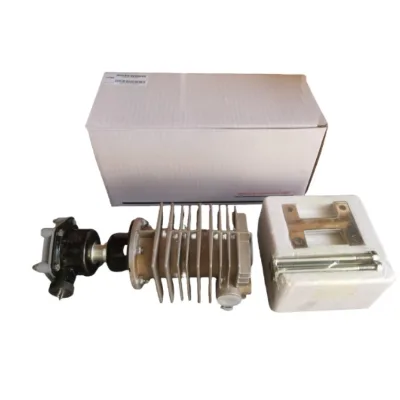
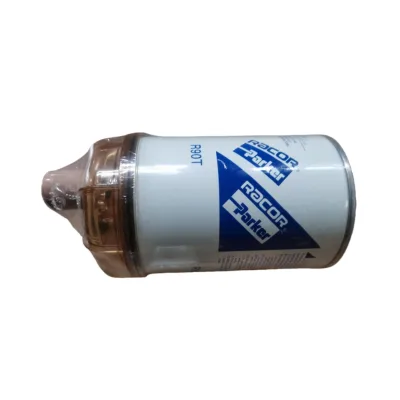
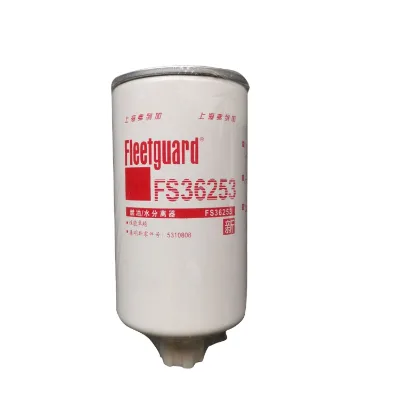
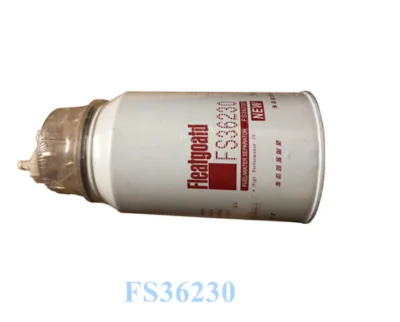


Belt Type High Quality Custom Size Oil-Water Separator for Oil Equipment
$150.00 - $200.00
MOQ: 1 Pieces


Durable Oil Separator for Commercial Bus Engine Maintenance with High Performance
$65.00 - $85.00
MOQ: 5 Pieces


Comprehensive Sourcing Guide
Strategic Sourcing Guide for Higer Bus Oil-Water Separators
Understanding the Core Component and Technical Specifications
When sourcing replacement parts for commercial fleet vehicles, specifically targeting the Higer bus ecosystem, the oil-water separator assembly is a critical component for maintaining engine longevity and environmental compliance. The market offers a variety of units, but the specific requirements for Higer buses often dictate precise fitment and performance characteristics. Based on available product data, the primary technical identifier for these components often includes the OE number 35MA1-50030 or 11BLX-05510, alongside the model number R90T or FS36230. These identifiers are essential for buyers to ensure compatibility with specific bus models such as the KLQ6129Q.
The physical and operational specifications of these separators vary significantly between standard filtration units and advanced centrifuge systems. Standard units are often described as having a "STANDARD SIZE" and are designed for "Horizontal" installation. The material composition is frequently listed as a "mix," which typically implies a combination of metals and polymers suitable for high-vibration environments. The product condition is universally noted as "New," and the selling unit is typically a "Single item," allowing for flexible procurement without mandatory bulk orders for initial replacements.
For buyers evaluating high-performance or industrial-grade separation units, the technical profile shifts toward centrifuge technology. These units are characterized as "Horizontal Spiral Centrifuge" types operating under "Low Pressure" conditions. The separation mode is defined as "Sedimentation Type," utilizing a "Continuous Type" operating mechanism. Advanced features in these models may include a "PLC Control Box" for automated management and a discharge method that combines "Gravity and Centripetal Pump" action. The noise level for such industrial-grade units is often specified at ≤90 dB(a), and the bearing quality is a critical differentiator, with some listings explicitly mentioning SKF Brand bearings to ensure durability under continuous operation.
Compliance, Certification, and Quality Verification
In the B2B procurement of automotive and industrial parts, verifying compliance and certification is paramount to avoiding liability and ensuring operational safety. The supply chain for Higer bus components often originates from Guangdong, China, with some industrial-grade centrifuge units sourcing from Jiangsu, China. Buyers must rigorously verify the certification status of the supplier. The available data indicates that products may carry ISO/CE/Eac certifications. It is crucial for the procurement team to request valid, current certificates for each batch, as these standards are not automatically guaranteed for all listed items.
Quality assurance is further complicated by the branding variations observed in the market. Listings may describe the product as "Genuine," "Original," or simply "Replacement." The term "For Higer Bus" suggests a direct fitment, while "original or replacement" indicates a broader compatibility range. Buyers must distinguish between these labels, as "Genuine" implies an OEM connection, whereas "replacement" suggests a third-party manufacturer. The warranty period is a tangible metric for quality confidence, with some suppliers offering a 6M (six-month) warranty. This short-term guarantee highlights the need for immediate functional testing upon receipt.
Furthermore, the "Customization" attribute is available for certain products, allowing for tailored solutions such as "Customized Logo Available." However, customization introduces variability in the supply chain. Buyers should verify that customizations do not compromise the structural integrity or the separation efficiency of the unit. The "prod_standard" is noted as "depend on model," meaning there is no single universal standard for all listed products. Consequently, procurement teams must define their own acceptance criteria based on the specific model number and application requirements before placing an order.
Cost Drivers and Pricing Dynamics
The pricing landscape for Higer bus oil-water separators is highly volatile, reflecting the wide range of product types available. The observed listed price range spans from 1 USD to 50,000 USD. This massive disparity is not indicative of inflation but rather reflects the fundamental difference between a simple filter assembly and a complex industrial centrifuge system. A basic replacement unit with a standard size and simple sedimentation mode will likely fall at the lower end of this spectrum. Conversely, a horizontal spiral centrifuge equipped with a PLC control box, SKF bearings, and automatic discharging capabilities will command a price at the higher end.
Several factors drive these costs. The "Material" composition, described as a "mix," influences the base cost, particularly if high-grade alloys or specialized polymers are used. The "Single gross weight" and "Single volume" are listed as 0.0 kg and 0 cm³ in some data points, which suggests these may be placeholder values or specific to digital listings rather than physical reality. Buyers should request actual weight and volume data to calculate accurate shipping costs, as the "Package" type varies between "Carton" and "Wooden Case." Wooden cases, typically used for heavy centrifuge units, add significant logistical expenses compared to standard cartons.
The "MOQ" (Minimum Order Quantity) is another critical cost driver. While many standard parts have an MOQ of 1 Pc, allowing for single-unit repairs, industrial centrifuge units often require an MOQ of 10. This bulk requirement can impact the total cost of ownership, especially for smaller fleet operators who may not have the storage capacity or immediate need for ten units. Additionally, the "Payment" terms, typically T/T (Telegraphic Transfer), affect cash flow and financial risk. Buyers should negotiate payment schedules that align with delivery milestones to mitigate the risk of non-performance.
Typical Applications and Operational Context
The application of oil-water separators extends beyond simple engine maintenance; they are vital for environmental compliance and operational efficiency in various sectors. For Higer buses, the primary purpose is "for replace/repair," ensuring that the vehicle's fuel system remains free of water and particulate contaminants that could cause engine failure. The "Product Name" varies between "Cold suspect separator assembly," "Bus oil water separator," and "fuel water separator," all serving the same fundamental function of protecting the fuel injection system.
In industrial contexts, the application shifts to "Sludge Dewatering" and "Solid Liquid Separation." These units are designed to handle complex mixtures where water and oil must be separated efficiently. The "Liquid Discharge" mechanism, utilizing both gravity and a centripetal pump, ensures that the separated fluids are removed automatically, reducing manual intervention and maintenance downtime. The "Operating Type" being "Continuous" makes these units suitable for high-throughput environments where the separator must run 24/7 without interruption.
The "Installation" method is specified as "Horizontal," which is a standard configuration for most bus undercarriage applications. However, buyers must verify the physical dimensions against the specific bus model, such as the KLQ6129Q, to ensure the unit fits within the designated space. The "Separation Mode" of "Sedimentation Type" relies on density differences to separate oil from water, a process that is effective for lighter contaminants but may require pre-filtration for heavier sludge. Understanding these application nuances helps buyers select the right product for their specific operational needs, whether it is a simple fleet maintenance task or a complex industrial waste management solution.
Supplier Evaluation and Risk Mitigation
Evaluating suppliers for Higer bus components requires a disciplined approach to risk mitigation. The "Place of Origin" is a primary indicator, with Guangdong, China and Jiangsu, China being the two main hubs. While both regions have robust manufacturing capabilities, buyers should verify the specific factory location to ensure it aligns with their quality expectations. The "Brand Name" varies from "original or replacement" to "For Higer Bus" and "replacement," indicating a fragmented market with varying levels of brand authenticity.
Buyers should prioritize suppliers who provide clear documentation regarding the "OE NO." and "Model Number." The presence of multiple model numbers, such as R90T, 11BLX-05510, and FS36230, suggests that a single supplier may offer a range of compatible parts. However, this also increases the risk of receiving the wrong component if the order is not meticulously detailed. The "Customization" option, while attractive, adds a layer of complexity. Buyers must ensure that the supplier has the technical capability to execute customizations without compromising the "Quality" or "Genuine" status of the product.
The "Warranty" period of 6M is a standard benchmark, but buyers should look for suppliers who offer extended warranties or clear return policies. The "Payment" term of T/T is common but carries risk if the supplier is unverified. To mitigate this, buyers should consider using escrow services or requesting partial payments upon delivery. The "Single package size" and "prod_packing" details are also critical for logistics planning. A "Wooden Case" implies a heavy, durable package, while a "Carton" suggests a lighter, less protective option. Verifying these details ensures that the product arrives in the expected condition.
Long-Term Procurement and Inventory Management
Sourcing oil-water separators for Higer buses is not a one-time transaction but part of a long-term maintenance strategy. The "MOQ" of 1 Pc for standard parts allows for just-in-time inventory management, reducing storage costs and the risk of obsolescence. However, for industrial centrifuge units with an MOQ of 10, buyers must plan their inventory carefully to avoid overstocking. The "Single gross weight" and "Single volume" data, often listed as zero, necessitate direct communication with the supplier to obtain accurate shipping dimensions for logistics planning.
Long-term procurement also involves monitoring the "prod_standard," which is noted as "depend on model." This variability means that buyers cannot rely on a single specification for all future orders. Instead, they should maintain a dynamic inventory list that tracks the specific model numbers and OE numbers required for their fleet. The "Logo" customization option can be leveraged for branding purposes, but it should be balanced against the cost and lead time implications.
Finally, the "Condition" of the product is always "New," but buyers should implement a rigorous quality control process upon receipt. This includes checking for physical damage, verifying the "Bearing" type (e.g., SKF Brand), and testing the "Separation Mode" functionality. By maintaining a proactive approach to inventory management and quality control, buyers can ensure the reliability of their Higer bus fleet and minimize downtime. The "Purpose" of the product remains "for replace/repair," but the strategic value lies in selecting the right components to extend the operational life of the vehicle and maintain environmental compliance.
FAQs
What is the minimum order quantity for a single Higer bus oil-water separator?
The minimum order quantity is typically 1 piece for standard replacement units, allowing flexible procurement for immediate repairs. However, industrial centrifuge models may require a minimum order of 10 pieces, so buyers must verify the specific model requirements before placing an order.
Which certifications are available for Higer bus oil-water separator products?
Products may carry ISO, CE, and Eac certifications to ensure compliance and safety standards. Buyers must request valid, current certificates for each batch as these standards are not automatically guaranteed for all listed items and depend on the specific supplier and model.
Can I find Higer bus oil-water separators with specific OE numbers like 35MA1-50030?
Yes, products are available with specific OE numbers such as 35MA1-50030, 11BLX-05510, and FS36230 to ensure exact fitment. These identifiers are essential for matching the component to specific bus models like the KLQ6129Q to prevent installation errors.
How does the price range vary for different Higer bus oil-water separator types?
The listed price range spans from 1 USD to 50,000 USD depending on the complexity of the unit. Basic filter assemblies fall at the lower end, while advanced horizontal spiral centrifuges with PLC control boxes command prices at the higher end of the spectrum.
What warranty period is typically offered for these separator assemblies?
Some suppliers offer a six-month warranty period to provide confidence in the product's immediate functionality. This short-term guarantee highlights the need for immediate functional testing upon receipt to ensure the unit meets operational standards before the warranty expires.
Which installation type is standard for Higer bus oil-water separators?
The standard installation type is horizontal, which fits most bus undercarriage applications. Buyers must verify the physical dimensions against the specific bus model to ensure the unit fits within the designated space before purchasing.
Can suppliers provide customized logos for Higer bus oil-water separators?
Customization is available for certain products, allowing for tailored solutions such as customized logos. However, buyers should verify that these customizations do not compromise the structural integrity or the separation efficiency of the unit during the manufacturing process.