Source High Accuracy Manual Soybean Seeder for Corn, Beans, and Peanuts
Find 30 High Accuracy Manual Soybean Seeder options for corn, beans, and peanuts. Compare models like Am-F7 and MS-123, featuring dual seeding, fertilization, and manual power sources for efficient agricultural planting; compare the available evidence and request quotations based on your requirements.
Updated
Key considerations
Products List


Multi Function Fertilizer Seeding Machine Three Rows Corn Soybean Seeder Adjustable Seeder
$58.00 - $102.00
MOQ: 1 Pieces


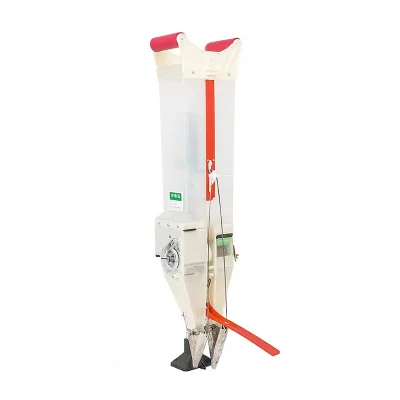
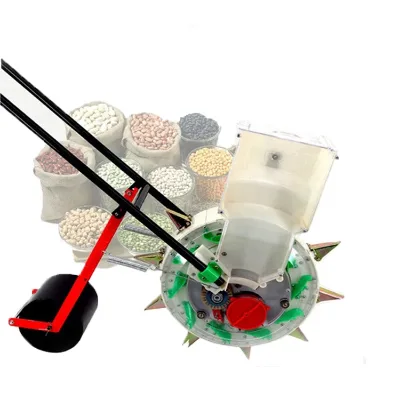


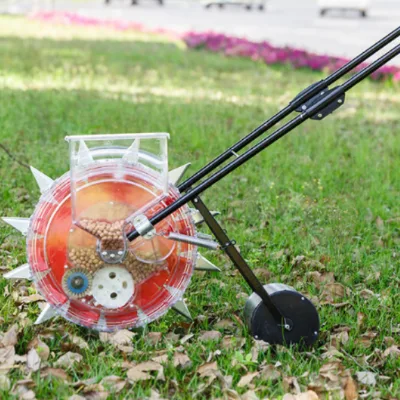
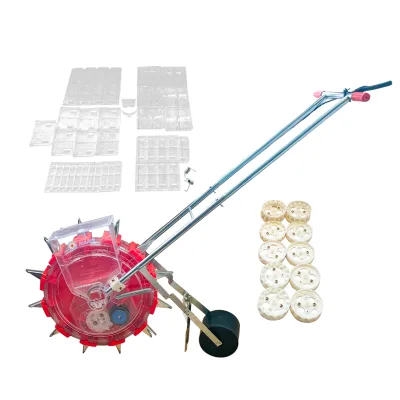
Manual Corn Soybean Seeder/Seed Planter
$60.00 - $300.00
MOQ: 1 PCS
Shandong Liying Agricultural Technology Development Co., Ltd.


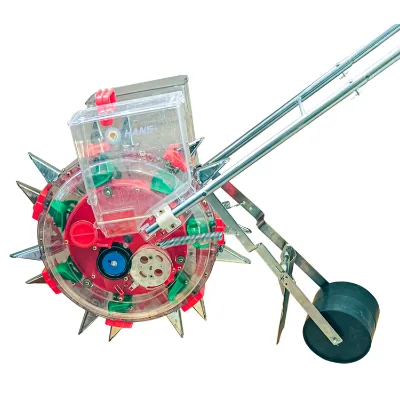
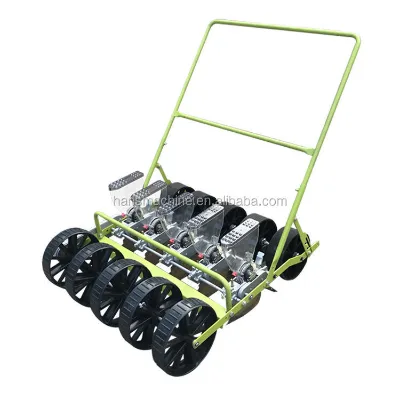
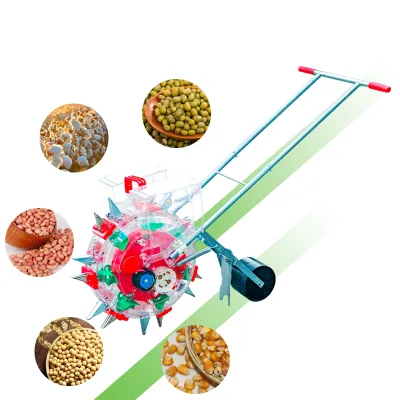


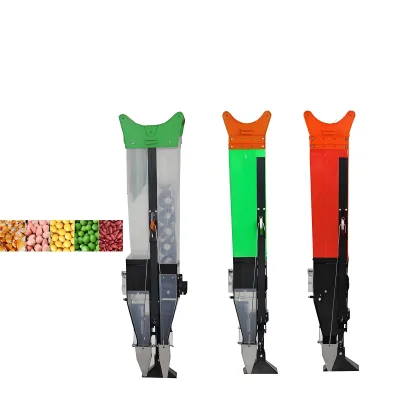


Comprehensive Sourcing Guide
High Accuracy Manual Soybean Seeder Sourcing Guide
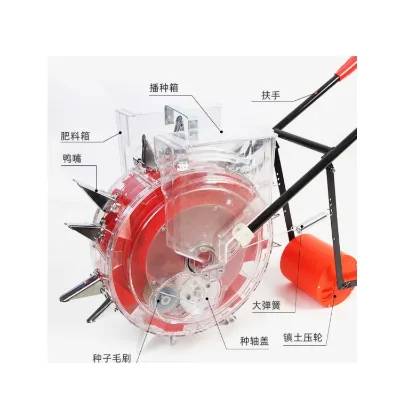
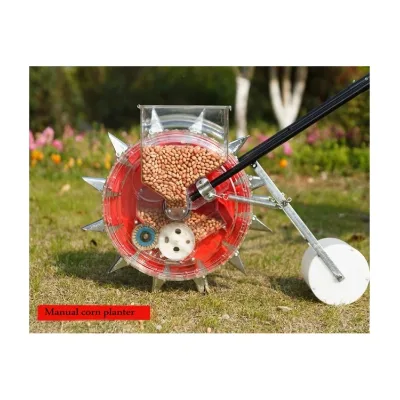
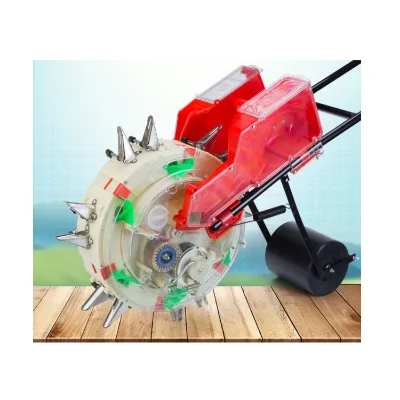
Procuring high accuracy manual soybean seeders requires a careful balance between ergonomic design and mechanical precision. Buyers must prioritize machines that offer dual seeding and fertilization capabilities to streamline field operations. The observed market features simple planting machines powered by manual labor, which are ideal for small to medium-scale agricultural applications. These units typically support crops like corn, beans, and peanuts, ensuring versatility for diverse farming needs.
The selection process should focus on verifying the mechanization level, ranging from simple to semi-automatic models. Buyers need to assess whether the machine supports continuous or selective ditching modes based on their specific soil conditions. Additionally, the customization availability allows for tailored solutions, ensuring the equipment meets unique operational requirements. Understanding these foundational attributes helps in selecting a seeder that enhances planting efficiency without requiring complex power sources.
Product Scope and Observed Listing Signals
The current market listings indicate a price range of $8 to $300 USD, reflecting variations in build quality and feature sets. Minimum order quantities (MOQ) typically span from 1 to 50 units, offering flexibility for both individual farmers and small cooperatives. These commercial signals suggest a competitive landscape where buyers can negotiate terms based on volume. The wide price variance necessitates a thorough evaluation of included components, such as fertilizer tank capacity and seed hopper size, to determine true value.
Observed product attributes highlight specific technical configurations, such as the Am-F7 model with a 3.4kg seed capacity and 5.7kg fertilizer capacity. Other models, like the MS-123, offer different standard dimensions and row configurations, including 1, 2, or 3-row options. Buyers should note that while some listings claim ISO9001 certification, others may list additional standards like CE or UL. Verifying these specific listing details against actual product capabilities is crucial to avoid mismatches between advertised features and delivered equipment.
Technical Specifications to Verify
Key technical parameters include seeding depth, plant distance, and row spacing, which directly impact crop yield and uniformity. For instance, certain models specify a seeding depth of 5-7cm and a plant distance of 23cm, while others offer adjustable ranges from 13-45cm for plant space. Buyers must verify these specifications against their agronomic requirements to ensure optimal germination rates. The fertilizer rate, often listed between 2-7g, and fertilizing depth, such as 7.5cm or 35-37mm, also require precise alignment with soil nutrient profiles.
Weight and portability are critical for manual seeders, with some units weighing around 12kg for ease of handling. The mechanization type, whether simple, semi-automatic, or automatic, influences the operator’s physical effort and planting speed. Additionally, the spike count, such as a 7-spike configuration, affects soil penetration and seed placement accuracy. Buyers should request detailed dimensional data, such as package sizes of 800200130mm or 603060mm, to plan logistics and storage effectively.
Compliance and Safety Documentation
Certification status is a primary indicator of manufacturing quality and regulatory compliance. Listings frequently mention ISO9001, with some suppliers also providing CE, GMP, QS, or UL certifications. Buyers must request valid certification documents to verify that the manufacturer adheres to recognized quality management systems. These certifications ensure that the production processes meet international standards for safety and reliability, reducing the risk of mechanical failures in the field.
Safety documentation should include user manuals and maintenance guides that detail proper operation procedures. Buyers should verify that the equipment meets local agricultural machinery safety standards, particularly regarding moving parts and ergonomic design. While specific test results are not always provided, requesting third-party inspection reports can offer additional assurance. Ensuring that all safety protocols are documented helps in training operators and minimizing workplace injuries during extended planting seasons.
Cost Drivers and Commercial Terms
Several factors influence the final cost of manual soybean seeders, including material quality, mechanization level, and customization options. Semi-automatic and automatic models generally command higher prices due to their complex internal mechanisms and enhanced precision. Buyers should also consider the cost of additional accessories, such as spare spikes or fertilizer tanks, which may be sold separately. Understanding these cost drivers helps in budgeting for both initial procurement and long-term maintenance expenses.
Commercial terms, including MOQ and lead times, vary significantly among suppliers. While some suppliers offer an MOQ of just 1 unit, others may require 10 or more for specific models. Buyers should negotiate clear payment terms and delivery schedules to avoid disruptions in their planting timeline. Additionally, packaging standards, such as carton packaging, affect shipping costs and product protection during transit. Clarifying these terms early in the sourcing process ensures a smooth transaction and prevents unexpected financial burdens.
Supplier Qualification and Quality Control
Supplier qualification begins with verifying their manufacturing capabilities and quality control processes. Buyers should prioritize suppliers who provide detailed product specifications and transparent certification records. Engaging with suppliers who offer customization services can also indicate a higher level of operational flexibility and customer focus. It is essential to assess the supplier’s responsiveness and ability to provide technical support, as this impacts long-term operational success.
Quality control measures should include pre-shipment inspections to verify that the delivered units match the agreed specifications. Buyers should request sample units for testing before committing to larger orders, especially for semi-automatic or automatic models. Checking the consistency of key attributes, such as seed capacity and fertilizer rate, ensures that the equipment performs reliably in field conditions. Establishing a clear quality assurance protocol helps in maintaining high standards and reducing the risk of receiving defective machinery.
Long-Term Procurement Checks
Long-term procurement success depends on the availability of spare parts and after-sales support. Buyers should verify that suppliers offer a steady supply of critical components, such as spikes, gears, and fertilizer tanks. This ensures that the seeders can be maintained and repaired without significant downtime during the planting season. Additionally, checking the supplier’s reputation for customer service and technical assistance is crucial for resolving any operational issues that may arise.
Regular performance reviews of the purchased seeders help in identifying any recurring issues or areas for improvement. Buyers should track metrics such as planting accuracy, durability, and ease of use to assess the equipment’s value over time. Providing feedback to suppliers can also drive product improvements and foster a collaborative relationship. By maintaining a proactive approach to procurement and maintenance, buyers can maximize the lifespan and efficiency of their manual soybean seeders.
FAQs
What is the seeding depth for this manual soybean seeder?
The seeding depth is adjustable between 5 and 7 cm for optimal soil coverage. This range ensures proper seed placement for crops like corn, soybeans, and peanuts. The design supports precision sowing, which is critical for uniform germination rates in agricultural fields. Users can adjust the mechanism to suit specific soil conditions and crop requirements effectively.
Can this machine handle both seeds and fertilizer simultaneously?
Yes, the machine features dual seeding and fertilization functions for efficient field operations. It includes a fertilizer tank with a capacity of 2.7 kg to 5.7 kg depending on the model. The fertilizer rate is adjustable between 2 and 7 grams per plant. This combined action reduces labor time and ensures nutrients are applied directly alongside the seeds.
What certifications are available for these planting machines?
Available certifications include ISO9001, CE, GMP, QS, and UL for various models. These standards verify quality management and safety compliance for international trade. Buyers can select machines based on specific regional regulatory requirements. The certifications ensure that the manufacturing processes meet recognized industrial benchmarks for reliability and performance in agricultural equipment.
What is the minimum order quantity for these seeders?
The minimum order quantity ranges from 1 to 50 units depending on the supplier. Some models require a minimum of 10 units for standard orders. This flexibility allows buyers to test small batches or place larger commercial orders. The MOQ varies by manufacturer and specific product configuration, so checking individual listings is recommended for precise procurement planning.
How much does the manual soybean seeder weigh?
The weight of the seeder is approximately 12 kg for portable models. This lightweight design facilitates easy handling by manual laborers in the field. The compact structure allows for simple operation without heavy machinery support. Buyers seeking ergonomic solutions for small to medium farms will find this weight manageable for extended periods of continuous use.
Which crops can this seeder plant effectively?
This seeder is suitable for corn, soybeans, peanuts, green beans, rice, wheat, and tubers. The adjustable plant distance ranges from 13 to 45 cm to accommodate different crop spacing needs. It supports precision sowing for various agricultural applications. The versatile design allows farmers to switch between different seed types without significant machine adjustments or downtime.