Source High Bloom Animal Bone Glue for Chemical, Printing, and Architecture
Compare 30 listings for High Bloom Animal Bone Glue, a granular adhesive with strong bonding and weatherability. Ideal for chemical engineering, printing, and architectural applications, these odorless, eco-friendly options offer flexible, high-temperature resistant solutions for industrial needs; compare the available evidence and request quotations based on your requirements.
Key considerations
Products List


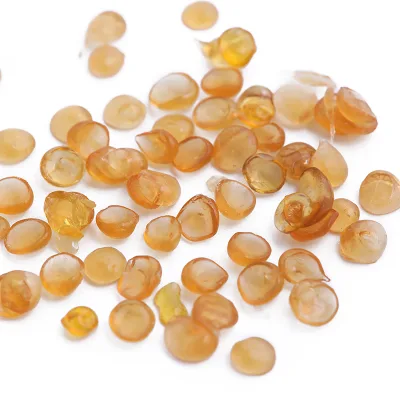
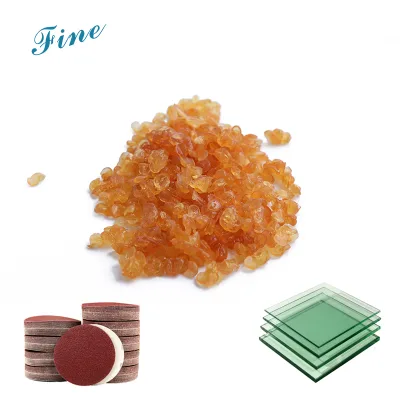


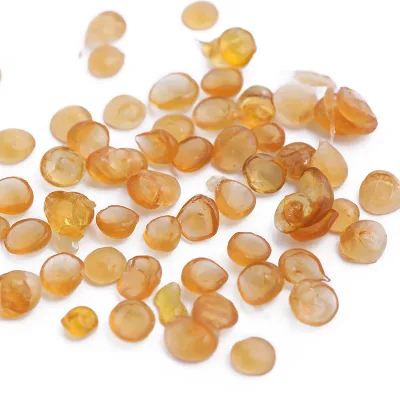
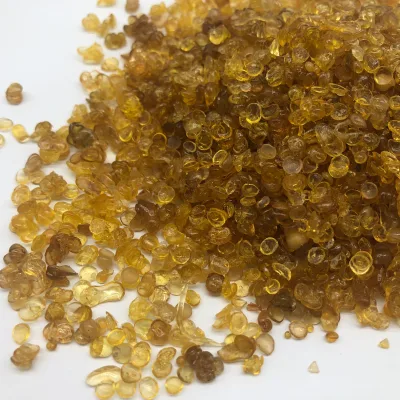
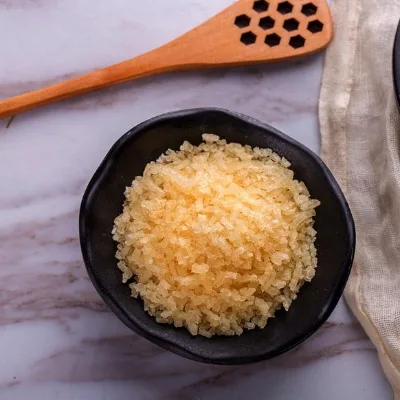
Industrial Grade Hot Melt Animal Glue Bovine Skin Gelatin For Making Paper Box
$2.10 - $5.50
MOQ: 1 kilograms
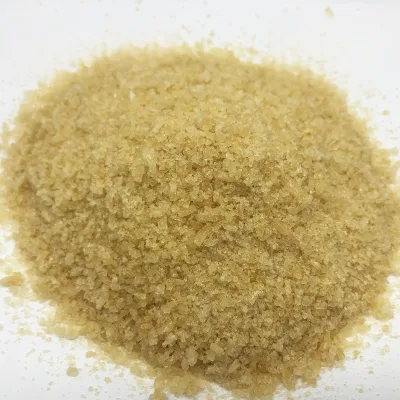
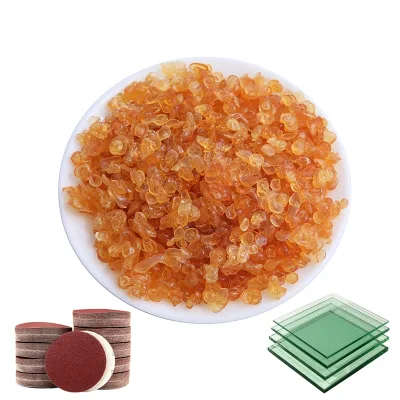
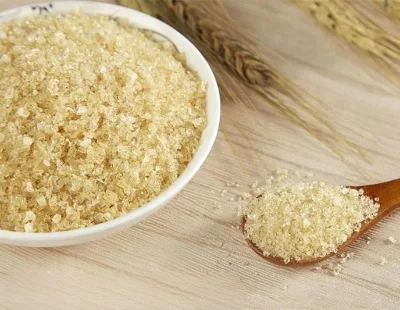
High Bloom Factory Direct Supply Bone Glue Animal Hide Glue Cow Bone Glue for Smelting and Refining
$430.00 - $570.00
MOQ: 500 kilograms


Comprehensive Sourcing Guide
High Bloom Animal Bone Glue Sourcing Guide
Procuring High Bloom Animal Bone Glue requires careful attention to the specific granular characteristics and thermal properties that define its performance in industrial settings. Buyers must verify that the product exhibits the observed granular appearance and odorless profile, which are critical for maintaining product purity in sensitive applications like chemical engineering and printing. The material's classification as a biodegradable agent with strong adhesion capabilities makes it suitable for environments where eco-friendly nature and weatherability are non-negotiable requirements for the final assembly.
Sourcing decisions should prioritize suppliers who can consistently deliver the specific bloom range of 120-300, as this metric directly influences the viscosity and bonding strength of the adhesive. The observed availability of customization options allows buyers to tailor the mesh size, typically ranging from 8 to 60 mesh, to fit specific processing equipment. Understanding that the main raw material is derived from animal hide or fresh animal bone ensures that the final product retains the necessary thermoplastic behavior and flexibility required for durable bonding in architecture and dyeing processes.
Product Scope and Observed Listing Signals
The market listings for this adhesive category reveal a distinct range of physical forms, primarily granules or particles, which facilitate easy handling and dissolution in various solvents. Buyers should note the observed color variations, which typically span from yellow to yellowish or brown, indicating the natural state of the processed animal glue without artificial coloring. These visual signals serve as immediate indicators of the product's grade, helping procurement teams distinguish between industrial hide glue and lower-quality alternatives that may lack the necessary bonding function for high-temperature applications.
Commercial listings often highlight the product's utility as a technical gelatin with specific applications in electrolysing or wooden structures, reflecting its versatile nature across multiple sectors. The packaging details, such as 25kg woven bags inside kraft bags, suggest a standardization in logistics that supports bulk procurement while protecting the material from moisture. Buyers must recognize that the selling units are often single items, which implies that the minimum order quantity can be flexible, allowing for smaller trial batches before committing to larger industrial volumes.
Technical Specifications to Verify
Verification of the chemical composition is paramount, with the CAS number 9000-70-8 serving as a definitive identifier for the specific animal glue variant. Buyers must ensure that the molecular formula and EINECS numbers align with the expected purity levels, as deviations can indicate contamination or the presence of non-biodegradable fillers. The observed mesh size specifications, ranging from 8 to 40 mesh or 8 to 60 mesh, must be confirmed against the buyer's dissolution equipment to prevent clogging or inconsistent mixing during the manufacturing process.
Thermal and mechanical properties require rigorous testing to confirm the high-temperature resistant adhesive function and the strong adhesion capabilities observed in the product data. The bloom value, a critical measure of gel strength, should be validated within the 120-300 range to ensure the glue meets the specific demands of the intended application, whether it is for printing, dyeing, or architectural bonding. Additionally, the flexibility and eco-friendly nature of the material must be confirmed through performance testing to guarantee that the adhesive will not become brittle or toxic under operational stress.
Compliance and Safety Documentation
Safety documentation must explicitly confirm the non-toxic and eco-friendly effects of the product, aligning with the observed characteristics of the biodegradable agent. Buyers should request safety data sheets that detail the handling procedures for animal-based adhesives, ensuring that the material does not pose health risks during the molding or application phases. The absence of a strong smell, as noted in the product attributes, should be corroborated by laboratory reports to verify that the odorless nature is consistent across different production batches.
Regulatory compliance involves verifying the EINECS numbers and other chemical identifiers to ensure the product meets international safety standards for industrial use. The classification as an other adhesive or technical gelatin necessitates that the supplier provides evidence of adherence to relevant environmental protection protocols. Buyers must ensure that the documentation covers the entire supply chain, from the origin in China to the final dispatch, to confirm that the product has not been compromised by unauthorized additives or non-compliant processing methods.
Cost Drivers and Commercial Terms
The cost of High Bloom Animal Bone Glue is significantly influenced by the supply ability of the manufacturer, with observed capacities reaching up to 3600 metric tons per year. Buyers should analyze how this production volume impacts pricing stability and the ability to meet large-scale demand without compromising quality. The raw material source, whether fresh animal bone or industrial hide glue, also plays a crucial role in determining the final price, as the availability and processing costs of these biological materials fluctuate with market conditions.
Commercial terms such as the minimum order quantity, which can range from 1kg to 1000 units, offer flexibility for buyers to manage their inventory and cash flow effectively. The sample lead time of within 5 days allows for rapid evaluation of the product's performance before committing to a full order, reducing the risk of procurement errors. Buyers must also consider the port of dispatch, typically FOB Xiamen, China, as this affects shipping costs and delivery timelines, which are critical factors in the total cost of ownership for international procurement.
Supplier Qualification and Quality Control
Supplier qualification should focus on the consistency of the product's physical attributes, such as the granular shape and the specific color range of yellow or yellowish. Buyers must verify that the supplier has a robust quality control system in place to maintain the bloom range and mesh size specifications across all production batches. The brand name Hyfine and the model numbers like A+ or HY-BG serve as identifiers, but the underlying quality control processes are what ensure the product meets the rigorous demands of industrial applications.
Quality control checks should include regular testing of the adhesive's bonding function and its ability to withstand high temperatures without degradation. Buyers should request third-party test results that confirm the strong adhesion and flexibility properties, ensuring that the product performs as expected in real-world scenarios. The supply chain transparency, including the place of origin in Fujian or Hebei, China, should be verified to ensure that the raw materials are sourced ethically and processed according to the stated environmental protection standards.
Long-Term Procurement Checks
Establishing a long-term procurement strategy requires continuous monitoring of the product's performance in the buyer's specific applications, such as chemical engineering or printing. Buyers should implement a feedback loop to track any changes in the adhesive's behavior, such as variations in the bloom value or the emergence of an odor, which could indicate a shift in the raw material quality. Regular audits of the supplier's production processes will help maintain the consistency of the eco-friendly nature and weatherability that are essential for the product's longevity.
Strategic partnerships with suppliers should be built on mutual trust and a shared commitment to quality, ensuring that the supply of High Bloom Animal Bone Glue remains uninterrupted. Buyers must stay informed about changes in the market, such as fluctuations in the supply ability or shifts in the raw material availability, to proactively adjust their procurement plans. By maintaining a close relationship with the supplier, buyers can ensure that the product continues to meet the evolving demands of their industry while adhering to the strict safety and environmental standards required for modern manufacturing.
FAQs
What is the primary raw material for High Bloom Animal Bone Glue?
The primary raw material is animal glue, specifically derived from fresh animal bones or industrial hide glue. This composition ensures the product maintains its characteristic high adhesion strength and flexibility. The manufacturing process utilizes these natural sources to create a reliable bonding agent suitable for various industrial applications.
What is the typical bloom value range for this product?
The typical bloom value ranges from 120 to 300. This measurement indicates the gel strength and quality of the adhesive. A higher bloom value generally correlates with stronger bonding capabilities, making it suitable for demanding applications in chemical engineering and printing industries where reliable adhesion is critical.
How is the product packaged for shipment?
The product is packaged in woven bags inside and kraft bags outside, with a net weight of 25 kilograms per bag. Larger shipments may utilize one-ton bags. This packaging ensures the granular adhesive remains protected during transit while maintaining its quality and preventing contamination before use in manufacturing processes.
What are the main industrial applications for this adhesive?
Main applications include chemical engineering, printing and dyeing, and architecture. It serves as a strong adhesive for various materials, leveraging its high-temperature resistance and weatherability. The eco-friendly and non-toxic nature makes it suitable for sensitive environments, ensuring safety while providing effective bonding solutions across multiple sectors.
What is the minimum order quantity for samples?
The minimum order quantity is 1 kilogram. Samples can be dispatched within five days, allowing for quick evaluation of the product's properties. This low MOQ facilitates testing for potential buyers who need to verify the adhesive's performance, such as its strong adhesion and flexibility, before committing to larger bulk orders.
Is the product environmentally friendly and non-toxic?
Yes, the product is eco-friendly and non-toxic. It is designed to meet environmental protection standards while providing effective bonding. The odorless nature and safe composition make it suitable for various applications, ensuring that users can work with the adhesive without exposure to harmful substances, aligning with modern safety regulations.