Source High Borosilicate Glass Teapot for Restaurant, Hotel, Home
Find 30 High Borosilicate Glass Teapot options from China. Compare models like TP107 and SSKettle-015 with capacities from 400ml to 1500ml. View specs, certifications, and MOQs for B2B sourcing; compare the available evidence and request quotations based on your requirements.
Key considerations
Products List


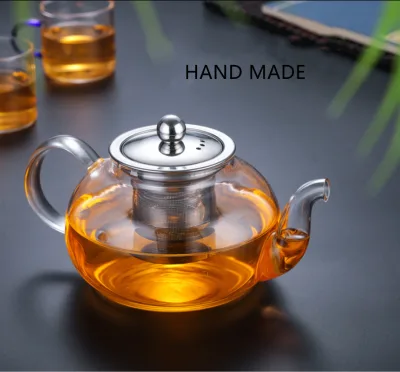
Wholesale Borosilicate Glass Tea Pot Heat Resistant Glass Teapot with Infuser
$2.79 - $4.49
MOQ: 500 Pieces


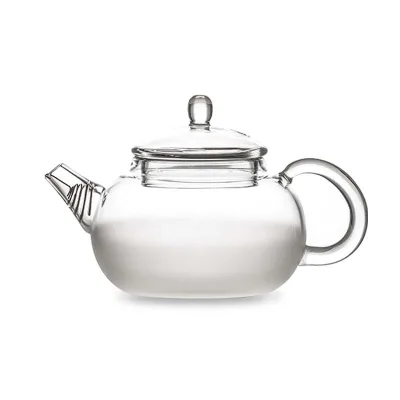
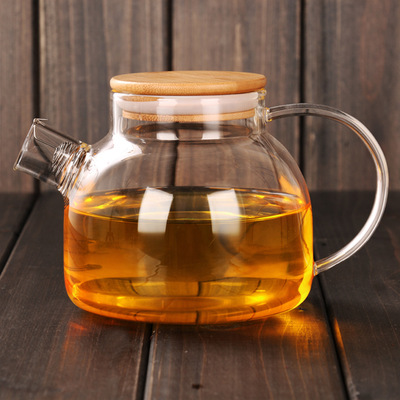
Wholesale High Borosilicate Glass High Temperature Resistance Glass Teapot
$3.86 - $4.28
MOQ: 1000 Pieces







Comprehensive Sourcing Guide
High Borosilicate Glass Teapot Sourcing Guide
Product Scope and Observed Listing Signals
The market for high borosilicate glass teapots presents a diverse array of options tailored for both commercial and residential use, with observed listings indicating a price range of $0.9 to $7.8 USD. This variance often reflects differences in volume capacity, packaging complexity, and the inclusion of additional features such as covers or specialized logos. Buyers should note that while the material is consistently identified as glass, the specific thermal resistance and clarity can vary, necessitating careful review of individual product specifications rather than relying solely on general category descriptions.
Observed minimum order quantities (MOQs) span from a single unit to as high as 10,000 pieces, highlighting the flexibility available to different buyer profiles. Some suppliers offer customization options, including water transfer logo printing and color box packaging, which are critical for branding purposes in the hospitality sector. Conversely, other listings focus on standard white box or brown box packing with bubble bags, catering to cost-sensitive bulk purchases. Understanding these listing signals helps buyers align their procurement strategy with their specific volume needs and branding requirements.
Technical Specifications to Verify
When evaluating technical specifications, buyers must prioritize thermal stability and volume capacity to ensure the teapot meets operational demands. The observed temperature resistance range of -15°C to 150°C is a critical parameter for high borosilicate glass, indicating its ability to withstand sudden thermal shocks without cracking. Additionally, standard capacities observed include 500ml, 650ml, 750ml, 950ml, and larger sizes up to 1500ml, allowing for selection based on serving size preferences. Verifying these exact volume standards against your inventory needs prevents mismatches in product performance and customer satisfaction.
Model numbers such as TP107, TP129, TP09, TP70, TP148, and SSKettle-015 serve as unique identifiers for distinct designs and capacities. It is essential to cross-reference these model codes with their corresponding standard volumes, such as 400ml to 1000ml for TP70 or 1250ml for TP148, to ensure accurate ordering. Furthermore, the presence of covers and specific heating methods, like chassis heating for certain electric variants, adds functional layers to the product. Buyers should confirm whether the teapot is designed for stovetop use, microwave compatibility, or electric kettle integration to avoid functional incompatibilities in the end-user environment.
Compliance and Safety Documentation
Compliance with international food safety standards is non-negotiable for glassware entering global markets. The observed certifications include LFGB, FDA, and CE/EU marks, which signify adherence to strict regulatory requirements for materials in contact with food. LFGB certification is particularly rigorous, often required for the European market, while FDA approval is essential for sales in the United States. Buyers must request valid, up-to-date certificates for each specific model or batch, as certification status can vary between different product lines even within the same supplier’s catalog.
Additional documentation such as SGS reports provides further assurance of material purity and safety. These third-party test results verify that the glass does not leach harmful substances under normal or extreme usage conditions. It is crucial to ensure that the certifications listed on the product page match the actual goods supplied, as discrepancies can lead to customs delays or legal liabilities. Buyers should also inquire about the testing protocols used to achieve these certifications, ensuring they align with the destination market’s specific regulatory frameworks.
Cost Drivers and Commercial Terms
Several factors influence the final cost of high borosilicate glass teapots, including packaging, customization, and logistics. The use of color boxes with bubble bags or white boxes with bubble bags adds to the unit cost compared to simple brown box packing. Customization services, such as water transfer logo printing, incur additional fees and may affect the minimum order quantity, which can range from 3000 to 5000 pieces for customized orders. Buyers should evaluate whether the branding benefits justify the increased per-unit cost and higher MOQs.
Lead times and loading ports also play a significant role in total procurement costs. Observed delivery times of 45-60 days indicate a longer production cycle, which may require earlier planning and potentially higher inventory holding costs. Loading ports such as Guangzhou or Chaozhou in Guangdong province are common, but buyers should verify if freight forwarders can offer better rates from these locations. Understanding these commercial terms helps in calculating the landed cost accurately and negotiating favorable payment terms that align with cash flow requirements.
Supplier Qualification and Quality Control
Supplier qualification begins with verifying the origin and manufacturing capabilities of the provider. Most observed products originate from Hebei or Guangdong provinces in China, regions known for their glassware manufacturing expertise. Buyers should assess the supplier’s production capacity and quality control processes to ensure consistency across large orders. The availability of OEM services and acceptance of custom designs indicate a supplier’s flexibility and willingness to collaborate on specific product requirements.
Quality control measures should include pre-shipment inspections to check for defects such as cracks, bubbles, or uneven sealing. Given the fragility of glass products, proper packaging is a critical quality indicator. The use of bubble bags within color or white boxes suggests an effort to protect the items during transit. Buyers should request sample units to evaluate build quality, thermal resistance, and packaging integrity before committing to bulk orders. Establishing a clear communication channel for addressing quality issues is also essential for maintaining long-term supplier relationships.
Long-Term Procurement Checks
Long-term procurement success depends on continuous monitoring of supplier performance and market trends. Buyers should regularly review supplier certifications to ensure they remain valid and compliant with evolving international standards. Tracking changes in material costs and labor rates can help anticipate price fluctuations and negotiate better long-term contracts. Additionally, staying informed about new design trends and functional improvements in high borosilicate glass teapots allows buyers to offer innovative products to their customers.
Building a diversified supplier base can mitigate risks associated with single-source dependencies. Engaging with multiple suppliers from different regions, such as Hebei and Guangdong, provides flexibility in sourcing and pricing. Regularly updating the product portfolio with new models and capacities ensures that the offering remains competitive. Finally, maintaining open lines of communication with suppliers regarding feedback and future requirements fosters a collaborative partnership that can lead to improved product quality and service levels over time.
FAQs
What certifications are available for high borosilicate glass teapots?
High borosilicate glass teapots typically hold LFGB, FDA, and CE/EU certifications. These documents verify food safety and material quality. Some models also include SGS certification. Buyers should request specific certificates to ensure compliance with local import regulations and safety standards for kitchenware products.
Can high borosilicate glass teapots withstand extreme temperature changes?
Yes, these teapots are designed to handle temperatures ranging from -15°C to 150°C. This thermal shock resistance allows safe use with boiling water and cold environments. The material prevents cracking during rapid heating or cooling, making them durable for daily use in homes, hotels, and restaurants.
What volume options exist for high borosilicate glass teapots?
Standard volumes include 400ml, 500ml, 600ml, 650ml, 750ml, 800ml, 950ml, 1000ml, and 1250ml. Many manufacturers offer customized sizes to meet specific requirements. Buyers can select from single-piece units or bulk orders based on their retail or hospitality needs, ensuring the right capacity for their market.
How is customization handled for high borosilicate glass teapots?
Customization is available for logos, colors, and packaging. Suppliers offer water transfer logo OEM services and accept custom branding requests. Packaging options include color boxes with bubble bags, white boxes, or brown boxes. Buyers can specify unique design elements to align with their brand identity and retail presentation strategies.
What are the typical lead times for high borosilicate glass teapots?
Production lead times generally range from 45 to 60 days. This duration accounts for manufacturing, quality control, and packaging processes. Buyers should plan orders well in advance to accommodate these timelines. Expedited options may be available depending on factory capacity and order volume, so early communication is recommended for timely delivery.
Where are high borosilicate glass teapots typically manufactured?
These products are primarily manufactured in China, with key production hubs in Hebei and Chaozhou, Guangdong. Guangzhou often serves as the loading port for exports. Buyers can source directly from these regions to benefit from established supply chains and competitive pricing structures for glass kitchenware and related accessories.