Source High Capacity LPG Reciprocating Compressor for LNG, Chemical, and Gas Processing
Find 16 High Capacity LPG Reciprocating Compressor options with varying flow rates and pressure capabilities. Compare specifications like cooling methods, drive modes, and customization features to select the right unit for industrial gas applications.
Key considerations
Products List


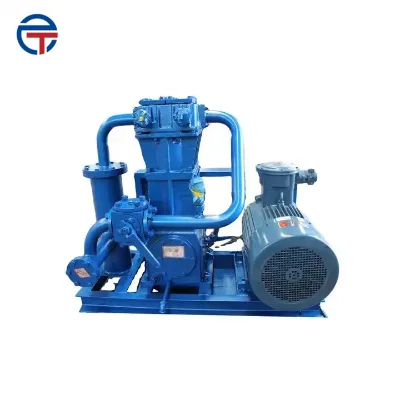


Associated Natural Gas Compressor 400bar Exhaust Pressure Reciprocating Piston Air Compressor
$12000.00 - $29000.00
MOQ: 1 Pieces

Factory Directry OEM Customized High Quality LPG Gas Compressors for Loading Truck
$1999.00 - $3600.00
MOQ: 1 Pieces


Reciprocating LPG Ammonia Gas Loading and Unloading Compressor for Sale
$7800.00 - $21000.00
MOQ: 1 set


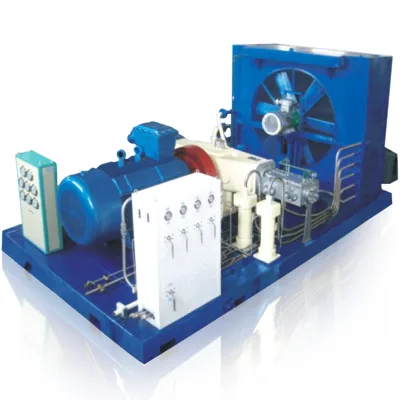
Comprehensive Sourcing Guide
Strategic Sourcing Guide for High Capacity LPG Reciprocating Compressors
Procuring high-capacity LPG reciprocating compressors requires a rigorous approach that balances technical performance with supply chain reliability. The market for these specialized units is characterized by diverse configurations, ranging from oil-free designs to heavy-duty balanced opposed arrangements. Buyers must navigate a landscape where specifications vary significantly between models, necessitating a detailed verification process to ensure the selected equipment meets the specific operational demands of liquefied petroleum gas (LPG) handling. This guide outlines the critical factors for sourcing, analyzing the observed product attributes, and establishing a framework for vendor evaluation without relying on unverified claims.
Technical Configuration and Performance Parameters
The technical foundation of a high-capacity LPG reciprocating compressor lies in its cylinder arrangement and drive mechanism. Market observations indicate that robust units often utilize a Balanced Opposed Arrangement, which is critical for minimizing vibration and ensuring stability during high-pressure operations. This structural type is frequently paired with an Open Type configuration, allowing for easier maintenance access to critical components. The drive mode is predominantly a Direct Connection, which offers efficiency by eliminating the energy losses associated with belt drives, although some portable or smaller units may utilize belt-driven methods.
Flow rate and pressure capabilities are the primary differentiators in this category. Data from available listings reveals a spectrum of performance metrics. Some units are engineered for a flow rate of 1.25 M3/Min with an inlet pressure range of 3.2-14.4 MPa and an outlet pressure reaching 5-18 MPa. In contrast, other configurations target higher pressure applications, featuring a flow rate of 2.5 m3/Min with a significantly higher discharge pressure capability of 25.0 MPa. For lower capacity needs, models exist with a flow rate of 0.5 m3/min and a working pressure of 10 Bar. The inlet pressure for these high-pressure variants can be as low as 0.2-0.4 MPa, highlighting the need for precise matching between the compressor's suction capabilities and the upstream supply system.
Power requirements are equally variable. Units are observed with electrical power specifications of 380V/50Hz, while others support a broader voltage range including 220V/380V/415V, often customizable to the local grid. The equipped power can range from 7.5 KW for smaller units to higher capacities for industrial applications. The compressor speed is another critical variable, with observed shaft speeds ranging from 500-730 r/min to 980 R/Min. These variations directly impact the throughput and the mechanical stress on the engine and motor components.
Design Variations and Operational Characteristics
Beyond raw performance numbers, the design philosophy of the compressor dictates its suitability for specific LPG applications. A significant distinction in the market is the lubrication style. While many industrial compressors rely on oil-lubricated systems, there is a distinct segment of Oil-Free compressors, particularly those designated as ZW type or Cylinder Oil-free. This feature is paramount for LPG applications where oil contamination could compromise the purity of the gas or cause safety hazards. These oil-free units often incorporate a Water Cooled or Water Cooling system to manage the heat generated during compression, ensuring the discharge temperature remains within safe limits, typically observed at <=110℃.
The physical configuration of the unit also varies based on the intended deployment. While many high-capacity units are designed for Fixed and with Foundation installation to handle the substantial forces generated, there are Portable configurations available. These portable units, often weighing around 50 KG, are designed for flexibility but may have lower flow rates. The noise level is a critical operational consideration; some units are specified with a noise level of <=85dB(A) measured at a 1-meter distance, while others are explicitly marked as No for mute features, indicating a need for acoustic enclosure or isolation in sensitive environments.
Dimensional constraints are another key factor. Units vary from compact dimensions of 3708901120mm to larger, custom-sized models. The Overall Dimensions are frequently listed as Customized, suggesting that buyers must provide specific spatial constraints to the supplier. The Cover is also available in Customized options, allowing for integration into existing plant infrastructure or specific safety enclosures. The core components driving these systems are consistently identified as the Engine and Motor, which are the primary points of failure and maintenance focus.
Compliance, Certification, and Safety Verification
When sourcing high-capacity LPG compressors, verifying compliance with safety standards is non-negotiable. The industry often references standards such as ISO 13631, though buyers must treat this as a background reference rather than a guaranteed attribute of every listed product. It is essential to verify that the specific unit being purchased holds valid certifications for pressure vessel safety and gas handling. The warranty period is a standard metric for supplier confidence, with a common offering of 1 Year, but this should be viewed as a baseline that can be negotiated.
Buyers must also scrutinize the Electrical Brand, which is listed as Selectable in many catalogs. The choice of electrical components directly influences the reliability and longevity of the compressor. Similarly, the OEM status is confirmed as Yes for many suppliers, indicating a capacity for customization, but this requires clear communication regarding the specific modifications needed. The Technical Guidance is typically Provided, which is a crucial service for ensuring correct installation and operation, particularly for complex systems involving high pressures like 25.0 MPa.
Safety features extend to the gas type compatibility. While many units are designed for Air, specific models must be verified for LPG compatibility. The Suction Pressure and Discharge pressure ratings must align with the specific LPG process requirements. For instance, a unit with a Discharge pressure of 16bar may be insufficient for high-pressure LPG transfer, whereas a unit rated for 25.0 MPa is more suitable for such applications. The Cooling Method must also be verified; while Water Cooled is common, the availability of alternative cooling methods should be confirmed if water is not available at the site.
Cost Drivers and Pricing Structure
The pricing of high-capacity LPG reciprocating compressors is influenced by a complex array of factors, including the flow rate, pressure rating, and level of customization. The observed price range in the market spans from 1000 to 150,000 USD, reflecting the vast difference between small portable units and large industrial installations. Several key drivers contribute to this variance. First, the Flow Rate is a primary cost determinant; units with higher capacities like 2.5 m3/Min command a premium over those with 0.5 m3/min. Second, the Outlet Pressure capability significantly impacts the cost, as higher pressure ratings require more robust cylinder designs and higher-grade materials.
Customization is another major cost driver. The Customization attribute is listed as Available, and options such as Customized covers, Customized overall dimensions, and Selectable electrical brands add to the base price. The Power Equipped specification also plays a role; higher power units, such as those with 7.5 KW or greater, generally cost more due to the larger motors and engines required. Additionally, the Lubrication Style affects pricing; Oil-Free compressors often carry a higher price tag due to the specialized materials and engineering required to prevent oil contamination.
The Packing method is another consideration. Units are shipped in Foreign Trade Packaging or Wooden crates, which adds to the logistics cost but ensures protection during transit. The Selling Units are typically listed as Single item, meaning the price quoted is for the complete unit rather than a bulk package. Buyers should also consider the MOQ (Minimum Order Quantity), which is observed to be 1-1, allowing for the procurement of single units without the need for large volume commitments. However, the Lead Time and Location of the supplier, often China or Taizhou, can influence the final landed cost due to shipping and import duties.
Supplier Evaluation and Quality Assurance
Evaluating suppliers for high-capacity LPG compressors requires a focus on their technical capabilities and quality assurance processes. The prod_origin is frequently listed as China or Taizhou, indicating a concentration of manufacturing in these regions. Buyers should verify the supplier's ability to provide Technical Guidance and their track record with OEM projects. The Core Components such as the Engine and Motor should be sourced from reputable manufacturers to ensure reliability.
Quality control is paramount in this sector. Buyers should request detailed Test Results and performance data for the specific model they are considering. The Warranty period is a key indicator of the supplier's confidence in their product, with 1 Year being a common standard. However, buyers should also inquire about the availability of spare parts and the After-Sales Service network. The Installation Method, typically Fixed and with Foundation, requires professional installation, and the supplier should provide clear guidelines and support for this process.
The Configuration of the unit, whether Portable or Fixed, should be matched to the site requirements. Suppliers offering Customized solutions demonstrate a higher level of flexibility and technical expertise. Buyers should also verify the Noise levels and Discharge Temperature specifications to ensure compliance with local safety regulations. The Type of compressor, such as Piston or ZW type, should be clearly defined in the contract to avoid any ambiguity.
Long-Term Procurement and Operational Strategy
Sourcing a high-capacity LPG reciprocating compressor is a long-term investment that requires careful planning for maintenance and operational efficiency. The Cooling System, typically Water Cooling, requires a reliable water supply and regular maintenance to prevent scaling and corrosion. The Shaft Speed and Compressor Speed must be monitored to ensure the unit operates within its optimal range, preventing premature wear on the Engine and Motor.
Buyers should establish a maintenance schedule that includes regular checks of the Lubrication Style (even in oil-free units, seals and bearings require attention) and the Discharge Temperature. The Weight of the unit, which can range from 50 KG for portable models to several tons for industrial units, must be factored into the site preparation and foundation design. The Overall Dimensions and Size specifications must be verified against the available space to ensure proper installation and ventilation.
The Voltage requirements, which can be 220V/380V/415V, must be compatible with the site's electrical infrastructure. If the site voltage differs, the Selectable electrical brand option allows for customization, but this must be coordinated with the supplier. The Flow Rate and Pressure capabilities should be regularly reviewed to ensure the compressor continues to meet the facility's needs as demand fluctuates. Finally, the prod_packing method, whether Foreign Trade Packaging or Wooden, should be considered for storage and future relocation if necessary.
Comparative Analysis of Key Specifications
To facilitate decision-making, the following table summarizes the key technical variations observed in the market. This comparison highlights the diversity of options available and underscores the importance of selecting the right unit for specific application requirements.
| Feature | High-Pressure Variant | Standard Industrial Variant | Portable/Low-Flow Variant |
|---|---|---|---|
| Flow Rate | 2.5 m3/Min | 1.25 M3/Min | 0.5 m3/min |
| Outlet Pressure | 25.0 MPa | 5-18 MPa | 10 Bar / 16 bar |
| Inlet Pressure | 0.2-0.4 MPa | 3.2-14.4 MPa | 10 bar (Suction) |
| Lubrication | Oil-Free | Oil-Free | Oil-Free |
| Cooling | Water Cooled | Water Cooling | Water Cooled |
| Drive Mode | Direct Connection | Direct Connection | Belt Driven |
| Configuration | Fixed | Fixed | Portable |
| Power | Variable (High) | 380V/50Hz | 7.5 KW |
| Noise | Variable | <=85dB(A) | <=85dB(A) |
| Weight | Heavy | Heavy | 50 KG |
| Model Example | VF-2.5/(2-4)-250 | CWM-1.2/30YQ | HG-ZW-0.5-2/10-16 |
This table illustrates that while the core technology remains consistent, the specific configuration must be tailored to the application. The High-Pressure Variant is ideal for applications requiring maximum compression, while the Portable/Low-Flow Variant is suitable for smaller, mobile operations. The Standard Industrial Variant offers a balance of performance and versatility for general LPG handling.
Conclusion
Sourcing high-capacity LPG reciprocating compressors demands a meticulous approach that prioritizes technical compatibility, safety compliance, and long-term operational reliability. The market offers a wide range of options, from Balanced Opposed Arrangement units with Direct Connection drives to Portable models with Belt Driven mechanisms. Buyers must carefully evaluate the Flow Rate, Outlet Pressure, and Lubrication Style to ensure the selected unit meets their specific needs. By focusing on verified specifications, understanding the cost drivers, and engaging with suppliers who offer robust Technical Guidance and OEM capabilities, buyers can secure high-quality compressors that deliver safe and efficient LPG handling. The diversity of models, including those with Customized dimensions and Selectable electrical brands, provides the flexibility needed to adapt to various industrial requirements. Ultimately, a thorough due diligence process, grounded in the observed product attributes and industry best practices, is essential for successful procurement in this specialized sector.
FAQs
What cylinder arrangement is common for high capacity LPG compressors?
Balanced Opposed Arrangement is the common configuration for these units. This design minimizes vibration and ensures stability during high-pressure operations, which is critical for reliable LPG handling.
Can these compressors operate with oil-free lubrication?
Yes, oil-free lubrication styles are available for specific models. This feature prevents oil contamination, which is essential for maintaining gas purity and safety in LPG applications.
What is the typical flow rate range for these units?
Flow rates vary from 0.5 m3/min to 2.5 m3/min depending on the model. Higher capacity units like the VF-2.5/(2-4)-250 offer 2.5 m3/min for larger industrial needs.
How is the cooling system configured for these compressors?
Water cooling is the standard method used to manage heat during compression. This ensures discharge temperatures remain within safe limits, typically observed at or below 110 degrees Celsius.
What is the warranty period for these industrial compressors?
A standard warranty period of 1 year is commonly offered by suppliers. This baseline coverage applies to core components like the engine and motor to ensure operational reliability.
Are these compressors available for portable or fixed installation?
Both portable and fixed installation options are available based on requirements. Portable units often weigh around 50 KG, while larger units require a fixed foundation for stability.