Source High Capacity Mining Excavator for Construction, Mining, and Marine Use
Compare 30 High Capacity Mining Excavator models with hydraulic transmission and single-cylinder engines. Buyers can evaluate digging depths, bucket capacities, and customization options for mining, marine, and special applications.
Key considerations
Products List


Mining Excavators Can Be Used for Construction Work in Narrow Underground Spaces
$1300.00 - $1500.00
MOQ: 1 Pieces


Low Noise High Efficiency Excavator for Urban Engineering Solutions
$32000.00 - $48000.00
MOQ: 1 Pieces

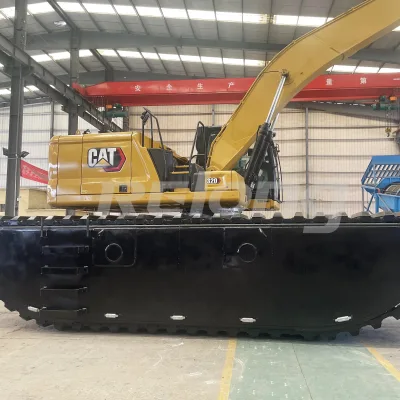


Low Noise Low Vibration Environmentally Friendly Operation Excavator
$3500.00 - $5080.00
MOQ: 1 Pieces


Comprehensive Sourcing Guide
Strategic Sourcing Guide for High Capacity Mining Excavators
Understanding the Technical Landscape of Mining Excavators
When sourcing high-capacity mining excavators, buyers must first navigate a complex array of technical specifications that define operational suitability. The market presents a diverse range of configurations, from small-scale units designed for specialized tasks to larger machines intended for heavy-duty extraction. A critical observation in the current supply landscape is the variation in engine power and displacement. Some available units feature single-cylinder, four-stroke, air-cooled vertical engines with a displacement of approximately 0.499 liters, delivering a rated power of 7.6 kW at 3000 RPM and a horsepower output of 10.3 HP. In contrast, other models in the same category may utilize more robust powertrains, such as the Bailitongxr13.5 or Kipor192f engines, with rated power reaching up to 9.8 kW at 3000 RPM.
The transmission system is another fundamental technical differentiator. The prevailing technology observed in these units is hydraulic transmission, which offers superior control and torque management essential for mining environments. The drive type is consistently identified as internal combustion, relying on diesel fuel as the primary energy source. Fuel efficiency is a key metric for long-term operational costs, with specific models reporting a fuel consumption rate of 275 g/kWh. Buyers should also scrutinize the fuel tank capacity, which varies between 5.5 liters and 6.6 liters depending on the specific model configuration, directly impacting the machine's operational range between refueling stops.
The physical dimensions and digging capabilities are paramount for matching the excavator to the mine site's constraints. Observed overall dimensions for certain models measure 2430 mm in length, 720 mm in width, and 1390 mm in height, while others may present a standard size of 2000x920x2200 mm. The track system is designed for stability on uneven terrain, with a track ground contact length of 1140 mm and a track width of 150 mm. The maximum digging depth is a critical performance indicator, with observed ranges spanning from 1250 mm to 1300 mm for smaller units, while larger specialized models may boast maximum digging depths of up to 7390 mm and maximum digging radii of 10920 mm. The maximum dumping height also varies significantly, ranging from 1100 mm to 1600 mm, and the maximum vertical wall digging depth can reach 4421 mm in specific configurations.
Compliance and Certification Verification Protocols
In the realm of heavy machinery procurement, verifying compliance and certification is not merely a bureaucratic step but a fundamental risk mitigation strategy. The supply data indicates that many available units carry CE and ISO9001 certifications, often associated with a condition of "New." These certifications suggest that the manufacturing processes adhere to specific European safety standards and international quality management systems. However, buyers must exercise due diligence. The presence of a certification label on a product page does not automatically guarantee that every unit in a specific batch meets the current regulatory requirements of the buyer's destination country.
Buyers should explicitly request valid, up-to-date certification documents from the supplier before finalizing any purchase. It is essential to verify that the ISO 9001 certification is active and covers the specific manufacturing facility producing the excavator. Similarly, the CE marking must be supported by a Declaration of Conformity that details the specific directives the machine meets. Relying solely on the "High-confidence facts" listed in product descriptions without independent verification can lead to compliance failures at customs or during safety inspections. The standard "2430×720×1390 mm" or "2000x920x2200" mentioned in product standards often refers to packaging or dimensional standards rather than safety compliance standards, so buyers must distinguish between physical dimensions and regulatory standards.
Furthermore, the "Gradeability" of 30° is a specific performance attribute that buyers should verify through on-site testing or third-party validation reports. While the data suggests this capability, actual performance can vary based on track condition, soil composition, and operator skill. Ensuring that the machine's safety features align with local mining regulations is crucial. Buyers should also check if the "Customization" option mentioned in the product attributes allows for the integration of region-specific safety equipment or emission control systems required by local laws.
Cost Drivers and Financial Considerations
The financial landscape of sourcing mining excavators is influenced by a wide range of variables, with the observed listed price range in the market spanning from 1000 to 110,400 USD. This significant variance indicates a broad spectrum of product tiers, from compact, single-cylinder units to large-scale, high-capacity mining excavators. The lower end of this range likely corresponds to smaller, specialized machines with lower horsepower and limited digging depth, while the upper end reflects heavy-duty models with advanced hydraulic systems, larger bucket capacities, and extended operational lifespans.
When evaluating cost, buyers must look beyond the initial purchase price. The fuel consumption rate of 275 g/kWh is a critical factor in the total cost of ownership. Machines with higher fuel efficiency will yield lower operational costs over time, which is particularly important in mining applications where the machine may run for extended periods. Additionally, the bucket capacity, which ranges from 0.5 to 1.0 cubic meters for some models to over 1.5 cubic meters for others, directly impacts the productivity and revenue generation potential of the equipment. A larger bucket capacity generally justifies a higher initial investment if the mining operation requires high-volume material movement.
The "MOQ range" of 1-1 suggests that suppliers are often willing to sell single units, which can be advantageous for buyers testing the market or those with smaller operational needs. However, buyers should be aware that pricing for single units may not reflect the economies of scale available for bulk orders. The "prod_packing" method, described as a Wooden Crate or Iron Frame, also contributes to the overall cost, as specialized packaging is required for safe international shipping of heavy machinery. Buyers should factor in logistics costs, including freight, insurance, and customs duties, which can significantly affect the final landed cost of the excavator.
Typical Applications and Operational Versatility
The versatility of mining excavators is evident in the diverse usage categories listed in the product data. These machines are designed for a wide array of applications, including GM Excavator tasks, Mining Excavator operations, Marine Excavator duties, and Special Excavator functions. The "Type" is consistently identified as a Crawler Excavator, which provides the stability and traction necessary for the rough, uneven terrain typical of mining sites. The "Drive Type" being Internal Combustion Drive ensures that these machines can operate independently of external power sources, a critical feature for remote mining locations.
The "Bucket" type varies, with options including Shovel, Grab Shovel, and Backhoe configurations. This variation allows buyers to select a machine that best suits the specific material being excavated. For instance, a Grab Shovel might be more suitable for loose, granular materials, while a Shovel configuration might be preferred for harder, compacted earth. The "Size" attribute is listed as both Small-Scale and Large-Scale, indicating that the market offers solutions for both limited-space operations and large-scale open-pit mining. The "Fuel Type" being Diesel is standard for this industry, offering high energy density and reliability.
The "Service" attribute highlighting "Customization" is particularly valuable for mining operations with unique requirements. Buyers can often request modifications to the machine's dimensions, bucket capacity, or engine specifications to better fit their specific mining environment. This flexibility allows for the optimization of the excavator's performance, ensuring that the machine can handle the specific challenges of the mine site, whether it involves steep gradients, deep excavation, or specialized material handling.
Supplier Evaluation and Selection Criteria
Selecting the right supplier is a critical step in the procurement process, requiring a thorough evaluation of their capabilities and reliability. The "prod_origin" is listed as Jining, Shandong Province, or Shan Dong Ji Ning, indicating a concentration of manufacturing in this region. While this provides a geographical context, buyers should not assume that all suppliers from this location offer the same level of quality. It is essential to verify the supplier's manufacturing capacity, quality control processes, and after-sales support network.
Buyers should request detailed information about the supplier's experience in producing mining excavators, including references from previous clients and case studies of successful deployments. The "Condition: New" status is a standard expectation, but buyers should confirm the manufacturing date and ensure that the machine has not been stored for extended periods, which could lead to component degradation. The "Customization" availability is a strong indicator of a supplier's flexibility and engineering capabilities, but buyers should also assess the lead time and cost implications of custom orders.
Furthermore, the "Standard" listed as "Small Loader" or specific dimensional standards like "2430×720×1390 mm" should be cross-referenced with the supplier's actual product catalog to ensure accuracy. Buyers should also evaluate the supplier's response time to inquiries and their willingness to provide technical documentation, such as operation manuals and maintenance guides. A reliable supplier will be transparent about their production processes and willing to accommodate third-party inspections.
Quality Control and Long-Term Procurement Considerations
Ensuring the quality of the excavator is paramount for long-term operational success. Buyers should implement a robust quality control plan that includes pre-shipment inspections and post-delivery testing. The "Track Width" of 150 mm and "Track Ground Contact Length" of 1140 mm are specific dimensions that should be verified against the actual machine to ensure they meet the design specifications. Any deviation could indicate manufacturing defects or quality issues.
Long-term procurement considerations extend beyond the initial purchase. Buyers should evaluate the availability of spare parts and the supplier's commitment to providing technical support. The "Fuel Tank Capacity" and "Fuel Consumption" rates are critical for planning maintenance schedules and fuel logistics. A machine with a 5.5-liter tank may require more frequent refueling than one with a 6.6-liter tank, impacting operational efficiency. Additionally, the "Max. Digging Depth" and "Max. Dumping Height" should be regularly monitored to ensure the machine continues to perform within its specified limits.
The "Color" options of Black and Yellow are standard for visibility and safety, but buyers should also consider the durability of the paint and the resistance of the machine to corrosion and wear. The "prod_packing" method of Wooden Crate/Iron Frame is designed to protect the machine during transit, but buyers should inspect the packaging upon delivery to ensure the machine has not sustained any damage. Finally, the "Service" of Customization should be leveraged to ensure the machine is tailored to the specific needs of the mining operation, maximizing its utility and lifespan. By adhering to these rigorous quality control and long-term planning strategies, buyers can secure a reliable and efficient mining excavator that meets their operational demands.
FAQs
What engine specifications are available for these excavators?
Available engines include single-cylinder, four-stroke, air-cooled vertical units with 0.499L displacement and 7.6kW power. Other models may feature Kipor192f or Bailitongxr13.5 engines with up to 9.8kW rated power.
Can buyers request customization for specific mining tasks?
Yes, customization is available for these excavators to meet specific operational needs. Buyers can request modifications to dimensions, bucket capacity, or engine specifications to better fit their unique mining environment.
Which certifications are typically associated with these machines?
Many units carry CE and ISO9001 certifications indicating compliance with safety and quality standards. Buyers should verify that these certifications are active and cover the specific manufacturing facility before purchase.
How does the bucket capacity vary across different models?
Bucket capacities range from 0.5 to 1.0 cubic meters for smaller units to over 1.5 cubic meters for larger specialized models. The type varies between shovel, grab shovel, and backhoe configurations.
What is the typical fuel consumption rate for these excavators?
Specific models report a fuel consumption rate of 275 grams per kilowatt-hour. This metric is critical for calculating long-term operational costs in mining applications where machines run for extended periods.
Where are these mining excavators typically manufactured?
The products originate from Jining, Shandong Province, or Shan Dong Ji Ning. Buyers should verify the specific manufacturing facility and its quality control processes when sourcing from this region.