Source High Carriage Grain Cart for Farm, Storage, and Transport
Explore 30 listings for the High Carriage Grain Cart designed for farm, storage, and transport applications. Buyers can compare specifications including load capacity, wheel types, and frame materials from verified suppliers in China.
Key considerations
Products List
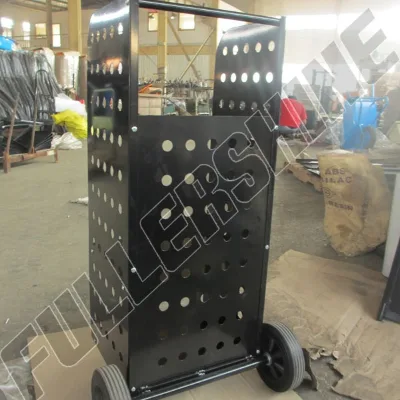


Tractor Towed Folding Boom Grain Cart with High Spout for Farm Grain Transport
$17169.00 - $28169.00
MOQ: 1 Pieces


Heavy-Duty Grain Cart for Smooth, Fast, and Safe Grain Transportation
$7200.00 - $27180.00
MOQ: 1 Pieces

Universal Tractor Matched Towed Grain Cart High Capacity Farm Grain Transport Wagon
$7000.00 - $26200.00
MOQ: 1 Pieces

Heavy Duty Towed Grain Transport Cart Large Capacity Farm Grain Wagon
$7000.00 - $26200.00
MOQ: 1 Pieces


Comprehensive Sourcing Guide
Strategic Sourcing Guide for High Carriage Grain Carts
Understanding Technical Specifications and Structural Design
When sourcing a High Carriage Grain Cart, the primary objective is to identify equipment capable of efficient material handling in agricultural and industrial environments. The technical architecture of these units varies significantly based on the intended load capacity and operational terrain. A critical observation in the current market involves the structural composition of the frame. High-quality units often utilize stainless steel mesh or robust steel alloys to ensure durability against corrosive agricultural materials. The frame dimensions are a pivotal specification; for instance, specific models feature a frame size of 900*600mm, which dictates the footprint and stability of the cart during transport.
The wheel configuration is another fundamental technical parameter. Effective grain carts typically employ four wheels to distribute weight evenly. The wheel type can range from solid wheels to pneumatic tires, with specific dimensions such as 10"x2.5" being observed in certain hand truck variants. For larger, high-carriage applications, the tire specifications become more complex, with some heavy-duty units requiring tires of size 23.1-26 to handle substantial loads over uneven ground. The load capacity is a defining metric; while some general-purpose models support capacities exceeding 200kg, heavy-duty grain carts are engineered for significantly higher loads, with observed capacities reaching up to 500kg or even 8 tons for specialized industrial variants.
The structural design also influences the mobility and utility of the cart. Some units are designed as roll containers, offering a rigid structure for bulk storage, while others feature an unfolding style to optimize storage space when not in use. The surface treatment process is equally vital for longevity. Buyers should verify if the metal components undergo powder coating, hot-dip galvanization, or zinc galvanization to resist rust and corrosion. Additionally, the presence of a motor power of 0 indicates a manual operation model, whereas other configurations may integrate matched power systems ranging from 60 to 80 HP for self-propelled or tractor-mounted variants.
Compliance, Certification, and Safety Standards
Navigating the regulatory landscape is essential for procurement professionals to ensure that the sourced equipment meets international safety and quality benchmarks. Certification acts as a proxy for manufacturing quality and adherence to safety protocols. In the observed market data, specific products carry certifications such as GS/TUV and ISO, which indicate compliance with rigorous testing standards. For heavy machinery, the presence of CE certification is often a prerequisite for market entry in many regions, ensuring that the design and construction meet European safety directives.
The axle number and overall structural integrity are frequently tied to these certifications. A certified product will typically have documented axle configurations that align with load-bearing requirements. When evaluating a supplier, buyers must request proof of these certifications rather than relying on marketing claims alone. The standard of the product, often referenced as ISO in the context of manufacturing processes, ensures that the production line adheres to consistent quality management systems.
Furthermore, the warranty period serves as a tangible indicator of the manufacturer's confidence in their product. A standard warranty of one year is common in the industry, providing a baseline for after-sales support. However, for high-carriage grain carts intended for heavy industrial use, buyers should scrutinize the warranty terms to understand what specific components are covered and under what conditions. The absence of specific test data in public listings means that buyers must verify test results directly with the supplier to confirm that the cart can withstand the stress of repeated loading and unloading cycles without structural failure.
Cost Drivers and Pricing Dynamics
The pricing of high carriage grain carts is influenced by a complex interplay of material costs, manufacturing complexity, and logistical factors. The observed price range in the market is extensive, spanning from approximately 10 USD to 230,000 USD. This vast disparity reflects the difference between small, manual hand trucks and large, motorized industrial transport systems. For a specific model with dimensions of 27"x48", a unit price of around 120 USD FOB Qingdao was observed, illustrating the cost baseline for smaller, manual units.
Material selection is a primary cost driver. Stainless steel and galvanized steel are more expensive than standard carbon steel but offer superior resistance to corrosion, which is critical for agricultural applications involving grain and fertilizers. The surface treatment process also adds to the cost; hot-dip galvanization and chrome plating are more resource-intensive than simple powder coating. Additionally, the weight of the unit, which can range from 28kg for compact models to 2400kg for heavy industrial carts, directly impacts shipping costs and handling requirements.
Logistics and origin play a significant role in the final landed cost. Products originating from regions like Shandong, China, or Qingdao often benefit from established supply chains and competitive manufacturing costs. However, the shipping method, whether by sea or air, and the Incoterms (such as FOB or CIF) will significantly alter the total expenditure. Buyers must also consider the MOQ (Minimum Order Quantity), which ranges from 1 to 1000 units. Higher MOQs often result in better per-unit pricing, but they require a larger upfront capital investment and storage capacity. Customization options, such as OEM, ODM, or OBM support, will also introduce additional costs that must be factored into the budget.
Typical Applications and Operational Use Cases
High carriage grain carts are versatile tools designed for a wide array of applications, ranging from small-scale gardening to large-scale industrial logistics. The primary usage category is agricultural, where these carts facilitate the transport of harvested grain, feed, and fertilizers. In a garden setting, a cart with a green or black finish and a capacity of 500kg can be used for moving soil, compost, or tools. The "garden" usage specification highlights the adaptability of these units to lighter, non-industrial environments.
In industrial and commercial settings, the application shifts towards heavy material handling. The product types observed include general purpose hand trucks, convertible hand trucks, and specialized carts for cylinders, drums, and buckets. These units are essential for moving raw materials in manufacturing plants, storage facilities, and warehouses. The "Tools, Shopping, Industrial, Storage" usage tags indicate that these carts serve as multi-functional assets capable of supporting diverse operational needs. For instance, a tilt truck or a cube truck might be preferred for specific material types that require tilting or stacking capabilities.
The specific design features, such as the 480035004500mm working size for larger models, suggest that these carts are intended for high-volume transport in large facilities. The unload rate of an auger, noted as 25 minutes in some contexts, points to integration with automated systems for efficient grain unloading. Whether used for general purpose transport or specialized tasks like moving appliances and large equipment, the versatility of the High Carriage Grain Cart makes it a critical asset in supply chain operations.
Supplier Evaluation and Sourcing Strategy
Evaluating suppliers requires a methodical approach to ensure reliability and product quality. The place of origin is a key factor; suppliers from Shandong, China, and Qingdao are prominent in the market, offering a concentration of manufacturing expertise. However, the location of the factory should be verified to ensure it aligns with the buyer's logistical preferences and risk tolerance. Buyers should also assess the supplier's capability for customization, as many manufacturers offer OEM, ODM, and OBM services to tailor products to specific requirements.
The brand name, such as FULLERSHINE, can be an indicator of market presence, but it should not be the sole criterion for selection. Instead, buyers should focus on the supplier's track record, production capacity, and ability to meet delivery timelines. The single package size of 65X65X68 cm provides insight into the packaging efficiency and potential shipping constraints. Suppliers who can provide detailed packing information, such as Box/CTN specifications, demonstrate a higher level of operational maturity.
When comparing suppliers, buyers should create a matrix based on technical specifications, certification status, and pricing. A comparison table can be highly effective in this process, allowing for a side-by-side evaluation of features like load capacity, wheel type, and surface treatment. For example, one supplier might offer a 500kg capacity with hot-dip galvanization, while another offers a 200kg capacity with powder coating. The decision should be based on the specific operational needs of the buyer rather than a single metric.
Quality Control and Long-Term Procurement Considerations
Implementing a robust quality control (QC) protocol is essential to mitigate risks associated with procurement. Buyers should verify the condition of the product, ensuring it is new and free from defects. The weight of the unit, whether 28kg or 2400kg, should be accurately measured to confirm it matches the specifications provided. Discrepancies in weight can indicate the use of substandard materials or incomplete assembly.
Long-term procurement considerations involve assessing the durability and maintenance requirements of the equipment. The warranty period, typically one year, is a starting point, but buyers should inquire about the availability of spare parts and the lead time for replacements. The surface treatment, such as chrome plating or galvanization, should be inspected for uniformity and thickness to ensure long-term corrosion resistance.
Furthermore, the loading weight and transport size are critical for logistics planning. A loading weight of 10 tons or a transport size of 517030253200mm requires specific handling equipment and storage space. Buyers must ensure that their infrastructure can accommodate these dimensions. Finally, the condition of the product upon arrival should be verified against the agreed-upon standards to ensure that the equipment is ready for immediate deployment. By focusing on these quality and logistical factors, buyers can secure a reliable supply of high carriage grain carts that meet their operational demands.
Comparative Analysis of Key Product Attributes
To facilitate a clearer decision-making process, the following table summarizes the key attributes observed in the market for high carriage grain carts. This comparison highlights the diversity in specifications and helps buyers identify the most suitable options for their specific needs.
| Attribute | Specification A (Manual/Compact) | Specification B (Industrial/Heavy) | Specification C (Specialized) |
|---|---|---|---|
| Frame Material | Stainless Steel Mesh | Steel / Metal Steel | Metal |
| Load Capacity | >200 kg | 500 kg | 8 Tons |
| Wheel Type | Solid Wheel | 10"x2.5" | 23.1-26 Tyre |
| Surface Treatment | Powder Coating | Hot-Dip Galvanized | Chrome Plated |
| Certification | ISO | GS/TUV | CE, ISO |
| Motor Power | 0 HP | 0 HP | 60-80 HP |
| Weight | 28 kg | 2400 kg | 2400 kg |
| Origin | Shandong, China | Qingdao | China |
| Warranty | 1 Year | 1 Year | 1 Year |
| Usage | Garden, Tools | Industrial, Storage | Agricultural, Transport |
This table illustrates that while the core function remains the same, the execution varies widely. Buyers must align their selection with the specific load requirements, environmental conditions, and operational scale of their intended use. By carefully analyzing these attributes, procurement professionals can make informed decisions that balance cost, performance, and longevity.
FAQs
What certifications do high carriage grain carts typically hold?
High carriage grain carts typically hold GS/TUV, ISO, and CE certifications. These marks indicate compliance with international safety and quality standards, ensuring the equipment meets rigorous testing protocols for structural integrity and operational safety in agricultural and industrial environments.
Which materials are used for the frame of these carts?
Frames are commonly constructed from stainless steel mesh or robust steel alloys. These materials provide necessary durability and resistance against corrosion from agricultural materials like grain and fertilizers, ensuring long-term performance in harsh outdoor conditions.
Can these carts be customized for specific industrial needs?
Yes, customization is available through OEM, ODM, and OBM support. Manufacturers can tailor dimensions, surface treatments like powder coating or hot-dip galvanization, and structural features to meet specific operational requirements for tools, shopping, or heavy industrial storage applications.
How much load capacity do these carts support?
Load capacities vary significantly, ranging from over 200kg for general models to 500kg for standard units and up to 8 tons for specialized industrial variants. The specific capacity depends on the structural design and intended usage, such as garden transport or heavy material handling.
What surface treatments protect the metal components?
Metal components undergo treatments such as powder coating, hot-dip galvanization, zinc galvanization, or chrome plating. These processes are essential for resisting rust and corrosion, extending the lifespan of the cart when used in environments exposed to moisture or agricultural chemicals.
Where are these carts primarily manufactured?
These carts are primarily manufactured in Shandong, China, and Qingdao. These regions offer established supply chains and competitive manufacturing costs, providing buyers with access to a wide range of models from manual hand trucks to heavy-duty motorized transport systems.