Source High Chromium Blow Bar for Crushing, Mining, and Impact Crushers
Compare 30 High Chromium Blow Bar options from verified Chinese manufacturers. Buyers can evaluate materials like Cr26 and alloy steel, surface treatments, and certifications for impact crusher wear parts in mining and crushing plants; compare the available evidence and request quotations based on your requirements.
Updated
Key considerations
Products List






Comprehensive Sourcing Guide
High Chromium Blow Bar Sourcing Guide
Procuring high chromium blow bars requires a disciplined approach to material verification and supplier qualification, as these components are critical for the efficiency of impact crushers in mining and aggregate processing. The core value proposition of these wear parts lies in their ability to withstand severe abrasion and impact, making the selection of the correct alloy composition and manufacturing process paramount for operational continuity. Buyers must navigate a market where product attributes vary significantly, ensuring that the specific requirements of their crushing plant are met without compromising on durability or safety standards.
This guide provides a structured framework for evaluating suppliers and products based on observed market signals and technical realities. By focusing on verifiable specifications, compliance documentation, and commercial terms, procurement teams can mitigate the risks associated with premature wear or supply chain disruptions. The following sections detail the essential steps for identifying reliable sources, validating technical claims, and establishing long-term partnerships that support consistent production output and cost-effective maintenance schedules for heavy-duty crushing equipment.
Product Scope and Observed Listing Signals
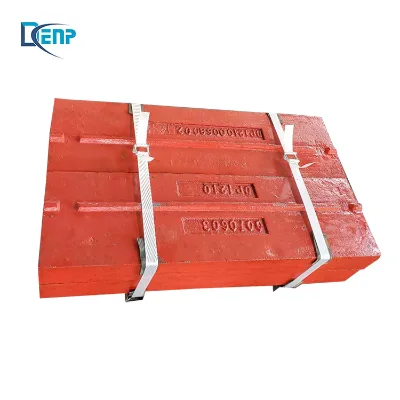
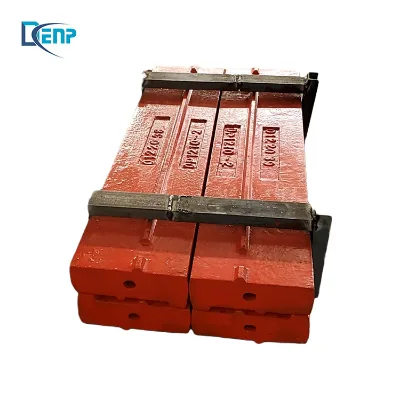
The market for high chromium blow bars presents a diverse range of options, with observed price points spanning from one to six hundred US dollars and minimum order quantities typically ranging from one to one thousand units. These variations reflect differences in material grades, such as Cr20, Cr26, and high manganese steel, as well as the complexity of the casting process and surface treatments like spray painting or polishing. Buyers should recognize that the "Full Types" model availability and customizable color options, including red, orange, grey, white, and blue, indicate a flexible supply chain capable of meeting specific visual or operational identification needs for different crushing lines.
Origin locations for these components are primarily concentrated in industrial hubs such as Jinhua, Zhejiang; Shanghai; and Kunshan, Jiangsu, all within China. This geographic concentration suggests a mature supply ecosystem with established logistics networks, yet it also necessitates careful verification of the specific manufacturing site to ensure consistency in quality control. The availability of OEM logo services and original drawing customization further highlights the competitive nature of this sector, where suppliers compete on their ability to replicate exact specifications or adapt to unique customer requests for impact crusher wear parts.
Technical Specifications to Verify
Verifying the material composition is the most critical technical step, as high chromium blow bars are often manufactured from alloy steel, cast steel, or cast iron, with specific chromium content levels like Cr26 defining their wear resistance. Buyers must confirm that the stated material matches the intended application, whether for general ore mining or specialized crushing plants, and ensure that the manufacturing process is indeed casting, which influences the internal grain structure and overall durability of the part. The presence of standards such as GB, ASTM, DIN, and others indicates that suppliers may adhere to various international or national benchmarks, but the specific standard applicable to the ordered part must be explicitly confirmed to avoid mismatches in performance expectations.
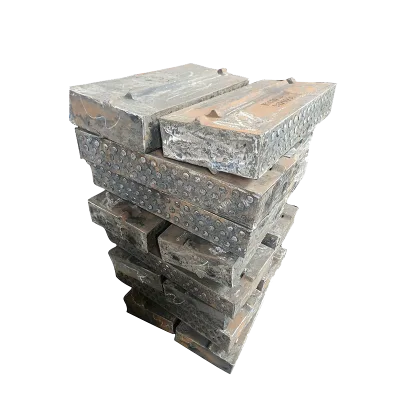
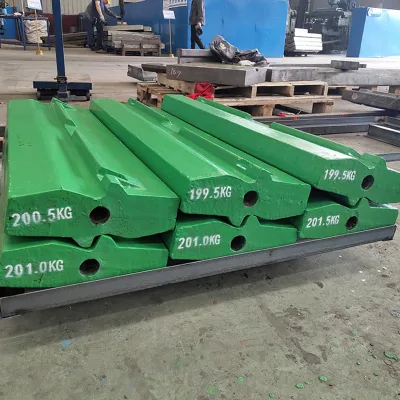
Surface treatment and finishing options, including polishing and spray painting, play a significant role in the longevity and maintenance of the blow bars, protecting against corrosion and facilitating easier cleaning during routine inspections. Additionally, the model numbers and part numbers, such as C160, CJ512, or PF1214, serve as essential identifiers for compatibility with existing crusher frames, ensuring that the new parts fit seamlessly without requiring extensive modifications to the machinery. Buyers should request detailed technical drawings or original specifications to validate that the physical dimensions and weight of the supplied blow bars align precisely with their equipment’s requirements, preventing operational inefficiencies or mechanical failures.
Compliance and Safety Documentation
Certification verification is a foundational element of the procurement process, with ISO 9001 being a commonly cited manufacturing quality standard among suppliers. This certification indicates that the supplier has implemented a quality management system that meets international requirements for consistent production processes, which is crucial for maintaining the structural integrity of high-stress components like blow bars. Buyers should request valid certification documents and verify their authenticity, ensuring that the quality management system covers the entire manufacturing lifecycle from raw material sourcing to final inspection and packaging, thereby reducing the risk of defective parts entering the supply chain.
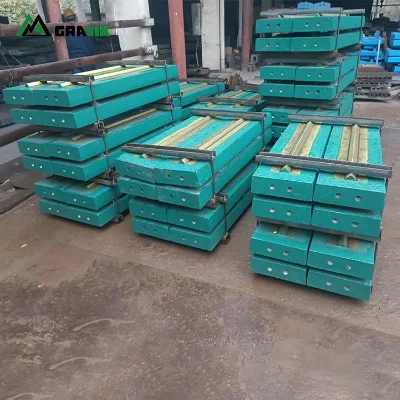
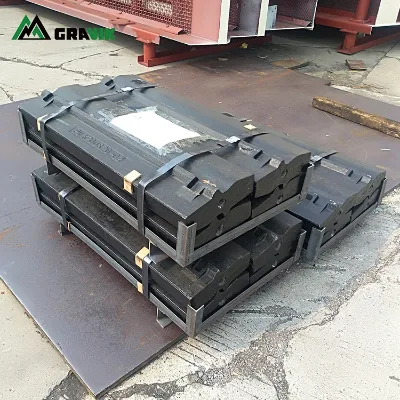
In addition to quality certifications, compliance with environmental and safety regulations, such as RoHS and CE marks, may be relevant depending on the end-use industry and regional import requirements. These certifications demonstrate that the materials used in the blow bars, including any coatings or surface treatments, do not contain hazardous substances that could pose risks during handling, installation, or disposal. Buyers should also inquire about the standard packaging methods, which often involve steel, wooden pallets, or iron frames, to ensure that the parts are protected against damage during transit and that the packaging materials themselves comply with any relevant international shipping regulations.
Cost Drivers and Commercial Terms
The pricing of high chromium blow bars is influenced by several key factors, including the grade of chromium alloy used, the complexity of the casting mold, and the volume of the order. Minimum order quantities can start as low as ten pieces, offering flexibility for smaller maintenance needs, while larger orders may benefit from economies of scale in production and logistics. Buyers should analyze the total cost of ownership, considering not just the unit price but also the expected lifespan of the blow bars, as higher-quality materials may offer better wear resistance and reduce the frequency of replacements, ultimately lowering operational costs over time.
Commercial terms such as payment methods, delivery lead times, and after-sales service support are equally important in the procurement decision. Suppliers offering 24-hour online service and anytime spare parts supply indicate a commitment to customer support, which can be invaluable in minimizing downtime during unexpected equipment failures. Buyers should negotiate clear terms regarding warranty periods, return policies for defective items, and the availability of technical assistance for installation and troubleshooting, ensuring that the supplier is a reliable partner capable of supporting long-term operational needs.
Supplier Qualification and Quality Control
Evaluating a supplier’s manufacturing capabilities is essential to ensuring that the blow bars meet the required technical specifications and quality standards. Buyers should assess the supplier’s production facilities, including their casting equipment, heat treatment processes, and quality control laboratories, to verify that they have the necessary infrastructure to produce high-chromium alloys consistently. Requesting samples for testing and inspection before placing large orders can provide valuable insights into the material’s hardness, toughness, and wear resistance, allowing buyers to make informed decisions based on empirical data rather than marketing claims alone.
Quality control procedures should be clearly defined and documented, with suppliers providing detailed inspection reports for each batch of produced blow bars. These reports should include results from hardness tests, chemical composition analysis, and dimensional checks to ensure that the parts conform to the agreed-upon specifications. Buyers should also inquire about the supplier’s traceability systems, which allow for the tracking of each component from raw material to finished product, ensuring that any issues can be quickly identified and addressed. Establishing a strong quality control framework with the supplier helps to minimize the risk of receiving substandard parts and ensures consistent performance in the crushing plant.
Long-Term Procurement Checks
Building a sustainable supply chain for high chromium blow bars requires ongoing monitoring and evaluation of supplier performance. Buyers should establish key performance indicators, such as delivery reliability, product quality consistency, and responsiveness to technical queries, to regularly assess the supplier’s ability to meet their needs. Regular communication and feedback loops can help to identify potential issues early and foster a collaborative relationship that benefits both parties, ensuring that the supplier remains aligned with the buyer’s evolving operational requirements and quality expectations.
Additionally, buyers should stay informed about advancements in materials science and manufacturing technologies that may offer improvements in blow bar performance and durability. Engaging with suppliers who are committed to innovation and continuous improvement can provide access to new products and solutions that enhance the efficiency of the crushing process. By maintaining a proactive approach to supplier management and staying abreast of industry developments, buyers can ensure that their procurement strategy remains competitive and effective in supporting long-term operational success.
FAQs
What materials are used for high chromium blow bars?
High chromium blow bars are primarily manufactured from Cr20 and Cr26 alloy steels, as well as high manganese steel. These materials are selected for their superior wear resistance in crushing applications. The manufacturing process typically involves casting to ensure structural integrity. This composition allows the parts to withstand the high-impact forces encountered in ore mining and impact crusher operations effectively.
Can high chromium blow bars be customized for specific crushers?
Yes, customization is available for high chromium blow bars to fit specific machinery requirements. Buyers can request original drawings or specify parts numbers to ensure compatibility. The standard is often set as per the customer's request or specific impact crusher models like PF1214. This flexibility ensures that the wear parts integrate seamlessly into existing crushing plants without modification.
What certifications do High Chromium Blow Bar manufacturers hold?
Manufacturers of high chromium blow bars typically hold ISO 9001 certification for their manufacturing processes. Some suppliers also provide RoHS and CE certifications to meet international standards. These certifications verify that the casting and surface treatment processes adhere to quality management systems. This ensures consistent product quality and reliability for global buyers sourcing wear parts for industrial crushing equipment.
How are high chromium blow bars packaged for shipping?
High chromium blow bars are packaged securely to prevent damage during transit. Common packaging methods include steel pallets, wooden pallets, or iron frames. Some suppliers use standard packing or wood packaging depending on the order size. This robust packaging ensures that the heavy cast steel or cast iron components arrive at the destination in optimal condition, ready for immediate installation in crushers.
What is the typical MOQ for ordering high chromium blow bars?
The typical minimum order quantity for high chromium blow bars is 10 pieces. However, MOQs can range up to 1000 units depending on the supplier and specific product requirements. This low entry point allows buyers to test quality before committing to larger volumes. Suppliers often provide 24-hour online service to assist with order inquiries and clarify any specific MOQ constraints for custom requests.
Which standards apply to High Chromium Blow Bar production?
High chromium blow bars are produced according to various international standards including ASTM, DIN, GB, JIS, and ANSI. The specific standard often depends on the customer's request or the parts number. For instance, Cr26 variants may follow specific alloy standards. Adhering to these recognized standards ensures that the blow bars meet the mechanical and chemical requirements necessary for effective performance in heavy-duty impact crushers.