Source High Efficiency Excavator Monitor for Doosan Komatsu Hitachi
Find 30 High Efficiency Excavator Monitor options compatible with Doosan, Komatsu, and Hitachi excavators. Buyers can compare part numbers, delivery times, and warranty terms across verified listings to identify the best fit for their machinery needs.
Key considerations
Products List
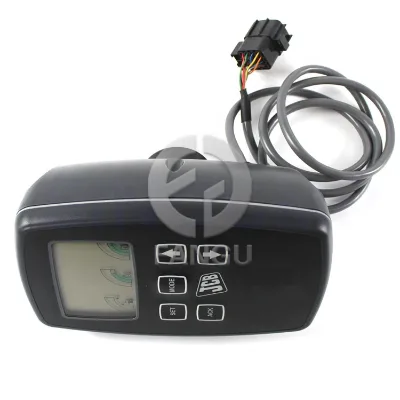
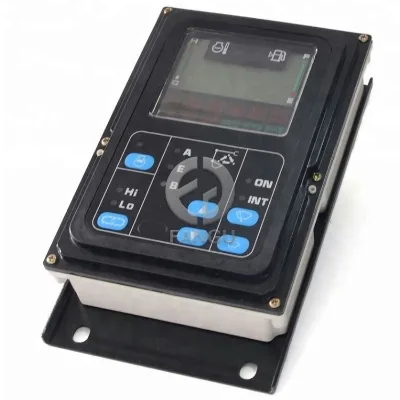
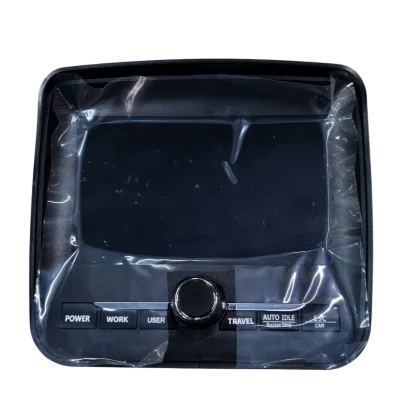
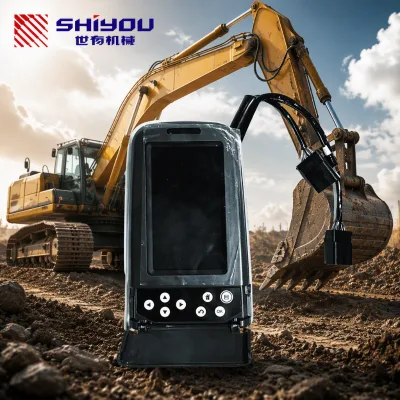
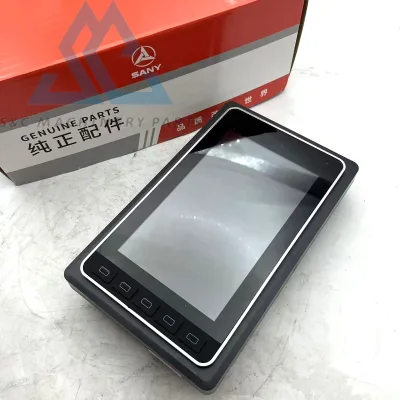
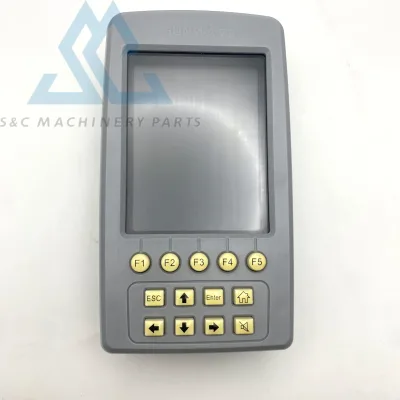
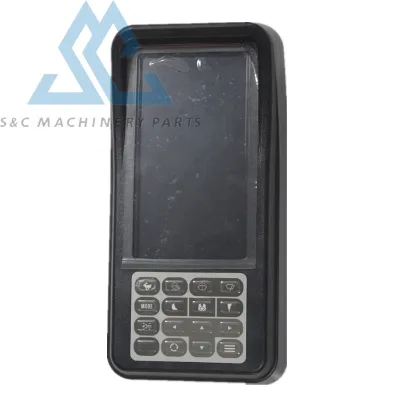
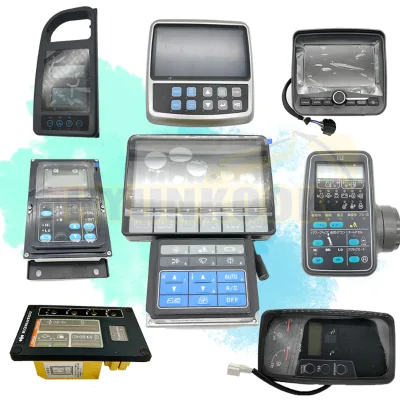
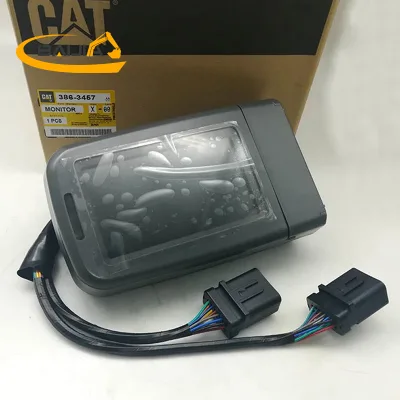
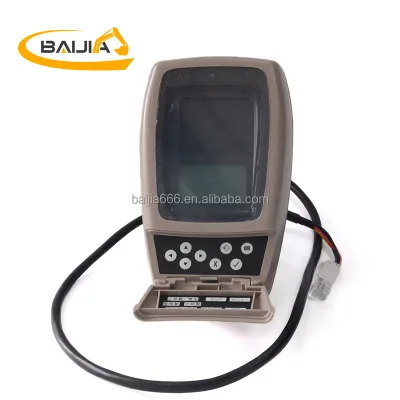
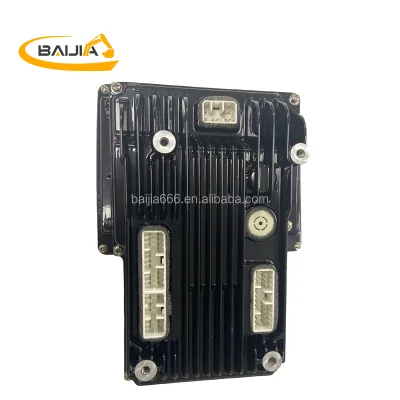
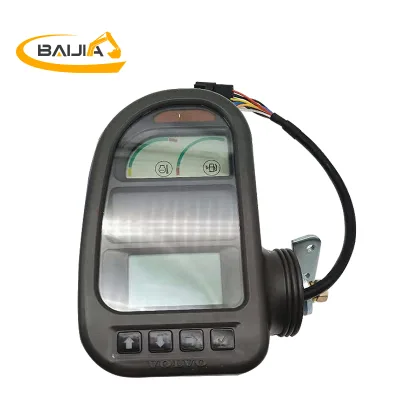
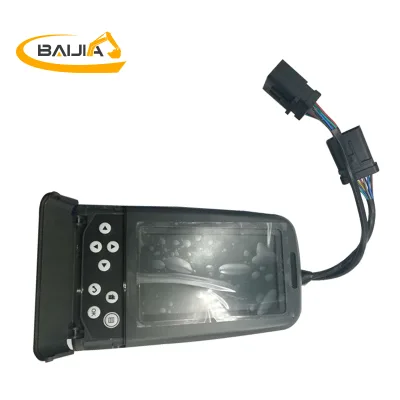


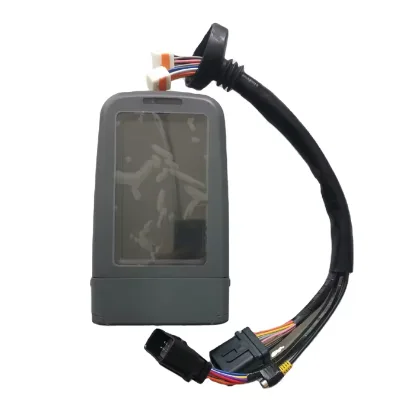


Excavator Electric Parts Monitor for PC200-7/PC220-7/PC300-7 7835-12-3006
$200.00 - $2000.00
MOQ: 10 Pieces


Excavator Monitor LCD106-0172, LCD151-9385 for Cat320b, E325b, E330b E320b
$100.00 - $1000.00
MOQ: 1 Pieces

Comprehensive Sourcing Guide
Strategic Sourcing Guide for High Efficiency Excavator Monitors
Understanding Technical Specifications and Compatibility
When sourcing high-efficiency excavator monitors, the primary objective is to ensure seamless integration with existing machinery while maintaining operational reliability. The market presents a diverse array of options, ranging from OEM-standard replacements to specialized aftermarket units designed for specific model lines. Buyers must first recognize that "high efficiency" in this context often refers to the monitor's ability to provide accurate, real-time data with minimal latency, rather than a specific energy consumption metric.
The technical landscape is defined by a complex matrix of model numbers and part identifiers. For instance, specific units are engineered to fit Doosan excavator series, including the JS180LC, JS200, and JS220 models. These units often carry part numbers such as 7835-10-2005, 7835-10-2004, 7835-10-2003, and 7835-10-2201. Simultaneously, a significant portion of the market serves the Komatsu ecosystem, covering models like the PC130-7, PC160-7, PC220-7, PC350-7, and PC300-7. The part numbers associated with these Komatsu-compatible units frequently include 7835-10-2005, 7835-10-2004, 7835-10-2003, 7835-10-2201, and 7834-72-4000.
Furthermore, the Caterpillar segment requires precise matching of part numbers such as 366-8694, 349-5408, and 309-5711. Some suppliers offer a broader compatibility range that includes Hitachi, Kobelco, Volvo, JCB, and Manitou, often utilizing part numbers like 21Q6-33601 or 140806000019A. The physical dimensions of these units are equally critical for installation. Standard packaging sizes vary, with some units arriving in boxes measuring 45x25x15 cm, while others are compacted into 20x15x10 cm packages. The gross weight of individual units typically ranges from 3.0 kg to 5.0 kg, though some listings may report 0.0 kg due to data entry variations or specific packaging configurations.
Buyers must verify that the "Single Package Size" and "OEM Standard Size" claims align with the physical constraints of their excavator's instrument panel. The "Model Number" field is often the most reliable identifier, listing specific combinations like 332/k4244, 704/50207, or specific excavator series codes. Without matching these exact identifiers, the risk of electrical incompatibility or physical misalignment increases significantly.
Compliance, Certification, and Quality Verification
In the B2B procurement of heavy machinery components, verifying the quality and compliance status of the product is paramount. Unlike consumer electronics, excavator monitors operate in harsh environments with high vibration and temperature fluctuations. Therefore, the "Condition" of the product is a critical attribute. Most reputable listings specify the condition as "100% Brand-new" or "100%," ensuring that the buyer receives a fresh unit rather than a refurbished or used part.
Quality assurance is often communicated through specific attributes such as "High-Quality" or "100% Tested Great Performance." These phrases indicate that the manufacturer has subjected the unit to functional testing before shipment. However, buyers should be aware that "Quality" is a subjective descriptor unless backed by specific test data. The absence of a "Video outgoing-inspection" feature in some listings suggests that the supplier may not provide visual proof of the unit's functionality prior to dispatch. Conversely, some suppliers offer "Video outgoing-inspection: Provided," which adds a layer of transparency and trust to the transaction.
Regarding certifications, the provided data does not explicitly list third-party certifications such as ISO 9001 or specific industry standards. Buyers must therefore treat the "Quality" attribute as an observation of the supplier's internal standards rather than a guaranteed compliance with an external regulatory framework. The "Warranty" terms vary significantly across the market, ranging from "Unavailable" to "3 Months" and "1 Year." A one-year warranty, as seen with certain Caterpillar-compatible units, suggests a higher confidence in product longevity compared to those with no warranty or shorter terms.
The "Brand Name" is another factor in compliance and trust. Brands like "Fangu" and "SHIYOU" appear in the market data. While these names indicate the manufacturer or distributor, they do not inherently guarantee compliance with international safety standards unless explicitly stated. Buyers should request documentation proving that the electrical components meet the voltage and current requirements of the specific excavator model they intend to install. The "OEM: Support" attribute indicates that the supplier is willing to provide parts that meet original equipment manufacturer specifications, which is a positive indicator for compatibility.
Cost Drivers and Pricing Structures
The pricing of high-efficiency excavator monitors is influenced by several factors, including brand reputation, compatibility complexity, and the level of testing performed. The observed price range in the market spans from $1 to $2,000 USD. This wide variance reflects the difference between basic display units and advanced, fully integrated instrument panels with diagnostic capabilities.
Several cost drivers contribute to this range. First, the specific model compatibility plays a major role. Monitors designed for high-end or less common excavator models, such as the PC400-7 or specific Doosan variants, may command higher prices due to lower production volumes and specialized engineering. Second, the inclusion of additional features, such as "100% Tested Great Performance" verification or extended warranty periods, adds to the cost. Units with a "1 Year" warranty are likely priced higher than those with "3 Months" or no warranty, as the supplier assumes more risk.
The "MOQ" (Minimum Order Quantity) is another significant factor in the total cost of ownership. The observed MOQ range is 1 to 20 pieces. Many suppliers offer an MOQ of "1 Piece" or "1 Pc," which is ideal for buyers needing a single replacement unit. This low threshold reduces the initial capital outlay and allows for smaller, more frequent orders. However, for fleet operators requiring multiple units, negotiating a lower unit price based on a higher volume order (e.g., 20 pieces) could be a viable strategy.
Packaging and logistics also impact the final cost. The "Single gross weight" and "Single package size" determine shipping fees. Units weighing 5.0 kg and measuring 45x25x15 cm will incur higher freight costs compared to lighter, more compact units. Additionally, the "Packing" method, whether "Neutral Packing" or "Standard Exported Packaging," can influence the price. Standard exported packaging often includes more robust materials to prevent damage during transit, which may be reflected in the unit price.
Buyers should also consider the "Delivery time" as a cost driver. While some suppliers offer a "Delivery time" of 1-3 days, others may require 3-5 days or 1-5 days. Faster delivery often comes with a premium, especially if expedited shipping is required. The "Payment" terms, such as "T/T" (Telegraphic Transfer), are standard but may affect cash flow planning. Understanding these variables allows buyers to calculate the true cost of acquisition, including shipping, taxes, and potential downtime costs.
Typical Applications and Operational Context
High-efficiency excavator monitors are designed for a wide range of applications, primarily within the construction, mining, and heavy equipment sectors. The core application is listed as "Excavator" or "Excavator Parts," indicating their use as a critical component in the machine's control system. These monitors serve as the primary interface between the operator and the machine, displaying vital information such as engine speed, fuel levels, hydraulic pressure, and diagnostic codes.
The compatibility data reveals that these monitors are used across various excavator brands, including Doosan, Komatsu, Caterpillar, Hitachi, Kobelco, Volvo, JCB, and Manitou. This broad applicability suggests that the monitors are essential for maintaining the operational efficiency of diverse fleets. For example, a construction company operating a mixed fleet of Komatsu PC130-7 and PC220-7 machines would need specific monitors to ensure that each machine functions correctly. Similarly, a mining operation utilizing Doosan JS180LC or JS220 units would require compatible monitors to maintain productivity.
The "Application" attribute also hints at the specific role of the monitor. In some cases, the monitor is described as an "Excavator Instrument Panel," suggesting it may include additional controls or a more comprehensive display than a simple screen. The "Keyword" "Excavator detector for cater-pillar Excavator" implies that some units may have diagnostic capabilities, allowing operators to detect faults early and prevent costly breakdowns.
Operational context is crucial when selecting a monitor. The harsh environment of an excavator site, characterized by dust, moisture, and vibration, requires monitors that are durable and reliable. The "Condition" of "100% Brand-new" ensures that the unit is free from previous wear and tear, which is essential for long-term performance. The "Quality" attribute, often described as "High-Quality," further reinforces the need for robust construction.
Buyers should also consider the "Part name" and "Part number" when evaluating applications. For instance, part numbers like 7835-10-2005 or 366-8694 are specific to certain excavator models and applications. Using the wrong part number can lead to installation issues or system failures. Therefore, understanding the specific application of the excavator is the first step in selecting the correct monitor.
Supplier Evaluation and Selection Criteria
Selecting the right supplier is a critical step in the procurement process. The market data indicates a variety of suppliers, each with different attributes regarding quality, delivery, and support. When evaluating suppliers, buyers should look for specific indicators of reliability and professionalism.
One key factor is the "Video outgoing-inspection" feature. Suppliers who provide this service demonstrate a commitment to transparency and quality control. By offering a video inspection, they allow the buyer to verify the condition and functionality of the unit before it is shipped. This is particularly valuable for high-value items or when the buyer cannot physically inspect the product before purchase. In contrast, suppliers who do not offer this feature may still be reliable, but the buyer must rely on other indicators of quality, such as warranty terms and customer reviews.
The "Warranty" offered by the supplier is another important criterion. A "1 Year" warranty is generally preferable to a "3 Months" warranty or no warranty at all. A longer warranty period suggests that the supplier has confidence in the durability and performance of their product. It also provides the buyer with protection against defects and ensures that any issues can be resolved without additional cost.
The "Delivery time" is also a significant factor in supplier evaluation. Suppliers offering a "Delivery time" of 1-3 days or 1-5 days are likely to have efficient logistics and inventory management. This is crucial for buyers who need to minimize downtime and keep their operations running smoothly. However, buyers should also consider the reliability of the delivery timeline. A supplier who consistently meets their delivery promises is more valuable than one who occasionally offers fast delivery but frequently delays shipments.
The "MOQ" and "Payment" terms are also important considerations. Suppliers with a low MOQ of "1 Piece" are more flexible and accessible to buyers with small orders. The "T/T" payment term is standard, but buyers should ensure that the payment process is secure and transparent. Additionally, the "Brand Name" and "Quality" attributes can provide insights into the supplier's reputation. Brands like "Fangu" and "SHIYOU" may have established reputations in the market, but buyers should verify these claims through independent research or customer feedback.
Finally, the "Packing" method and "Single gross weight" can indicate the supplier's attention to detail. Suppliers who use "Standard Exported Packaging" and provide accurate weight and size information are likely to be more professional and reliable. These details reflect the supplier's commitment to ensuring that the product arrives in good condition and that the buyer has accurate information for planning and logistics.
Long-Term Procurement Considerations and Risk Management
Procuring high-efficiency excavator monitors is not just a one-time transaction; it is a long-term investment that requires careful planning and risk management. Buyers should consider the total cost of ownership, including the initial purchase price, shipping costs, installation expenses, and potential downtime costs.
One of the primary risks in this market is the variability in product quality and compatibility. While the "Condition" is often listed as "100% Brand-new," the actual quality can vary between suppliers. Buyers should mitigate this risk by requesting detailed specifications, test reports, and warranty terms before making a purchase. The "Quality" attribute, such as "100% Tested Great Performance," is a positive sign, but buyers should verify this through independent testing or third-party validation if possible.
Another risk is the potential for supply chain disruptions. The "Delivery time" can vary, and delays can impact operations. Buyers should maintain a buffer stock of critical components, such as monitors, to ensure that they can quickly replace faulty units without interrupting their work. The "MOQ" of 1 Piece allows for this flexibility, enabling buyers to order small quantities as needed.
The "Warranty" term is also a key factor in long-term risk management. A longer warranty period reduces the financial risk associated with product failures. Buyers should prioritize suppliers who offer extended warranties, as this indicates a higher level of confidence in their product. Additionally, buyers should establish a clear process for handling warranty claims, including documentation requirements and response times.
Finally, buyers should consider the long-term availability of the product. Excavator models can remain in service for many years, and the availability of replacement parts is crucial. Buyers should verify that the supplier can provide ongoing support and that the part numbers, such as 7835-10-2005 or 366-8694, will remain available in the future. This ensures that the excavator can continue to operate efficiently without the need for costly modifications or replacements.
Comparative Analysis of Key Product Attributes
To facilitate decision-making, the following table summarizes the key attributes observed in the market data, highlighting the variations in specifications, warranties, and compatibility.
| Attribute | Range/Observation | Key Variations |
|---|---|---|
| Compatible Brands | Doosan, Komatsu, Caterpillar, Hitachi, Volvo, JCB, etc. | Specific models vary (e.g., JS180LC vs. PC130-7) |
| Part Numbers | 7835-10-2005, 366-8694, 21Q6-33601, etc. | High specificity required for correct fit |
| Condition | 100% Brand-new, 100% | Standard for new units; verify for used/refurbished |
| Warranty | Unavailable, 3 Months, 1 Year | Longer warranty indicates higher confidence |
| MOQ | 1 Piece, 1 Pc, 1 Piece/Pieces | Low MOQ allows for flexible ordering |
| Delivery Time | 1-3 Days, 3-5 Days, 1-5 Days | Faster delivery reduces downtime risk |
| Video Inspection | Not Available, Provided | Provides transparency and quality assurance |
| Packaging | Neutral, Standard Exported | Affects shipping costs and product safety |
| Weight | 0.0 kg to 5.0 kg | Impacts freight charges and handling |
| Price Range | $1 - $2,000 USD | Reflects complexity and brand differences |
This comparative analysis underscores the importance of detailed verification when sourcing excavator monitors. Buyers must align their specific needs with the available options, ensuring that the selected product meets all technical, operational, and financial requirements. By carefully evaluating these attributes, buyers can make informed decisions that enhance the efficiency and reliability of their excavator fleets.
FAQs
What is the minimum order quantity for excavator monitors?
The minimum order quantity is 1 piece for most listings. Some suppliers may require up to 20 pieces, but many allow single item purchases to reduce initial capital outlay for buyers needing just one replacement unit.
Which excavator brands are compatible with these monitors?
These monitors are compatible with Doosan, Komatsu, Caterpillar, Hitachi, Volvo, JCB, and Manitou. Specific part numbers like 7835-10-2005 match Doosan and Komatsu models, while 366-8694 fits Caterpillar units.
How long does delivery typically take for these parts?
Delivery times range from 1 to 5 days depending on the supplier. Some vendors offer fast shipping within 1-3 days, while others may require 3-5 days to process and dispatch the order.
What warranty options are available for excavator monitors?
Warranty terms vary from unavailable to 1 year. Some listings offer a 3-month warranty, while others provide a full year coverage, indicating higher confidence in product longevity for specific models.
Can I get a video inspection before the product ships?
Some suppliers provide video outgoing-inspection to verify unit functionality before dispatch. However, other listings do not offer this feature, requiring buyers to rely on quality claims or warranty terms instead.
What is the typical gross weight of a single package?
The single gross weight typically ranges from 3.0 kg to 5.0 kg. Some data entries may show 0.0 kg due to variations in packaging configurations or data entry errors regarding the specific unit.
Which part numbers correspond to Komatsu excavator models?
Part numbers 7835-10-2005, 7835-10-2004, and 7835-10-2201 correspond to Komatsu models like PC130-7 and PC220-7. These identifiers ensure physical and electrical compatibility with the specific machine series.