Source High Efficiency Feed Grinder for Poultry, Cattle, and Pig Farms
Explore 30 verified listings for a High Efficiency Feed Grinder designed for poultry, cattle, and pig farming operations. Buyers can compare specifications such as expansion methods, pellet mill types, and output capacities to find the right machinery for their production needs.
Key considerations
Products List

Powerful Self-Priming Animal Feed Grinder for High Volume Production
$420.00 - $2030.00
MOQ: 10 Pieces

Reliable Self-Priming Animal Feed Grinder for High-Efficiency Processing
$420.00 - $2030.00
MOQ: 10 Pieces


Innovative Self-Priming Animal Feed Grinder for Versatile Grain Processing
$420.00 - $2030.00
MOQ: 10 Pieces


High-Speed Livestock Feed Grinder Easy Maintenance Low Power Grinding Hammer Mill
$20000.00 - $30000.00
MOQ: 1 Pieces


Belt Driven Feed Grinder, Animal Feed Grinder, Animal Feed Grinder Machine
$280.00 - $550.00
MOQ: 1 Pieces

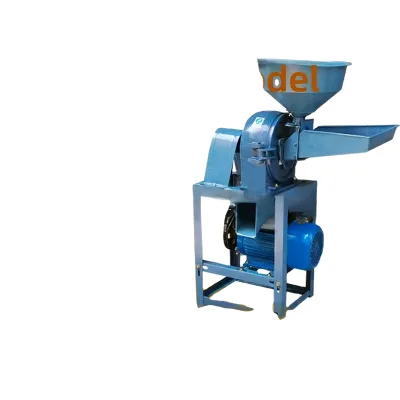
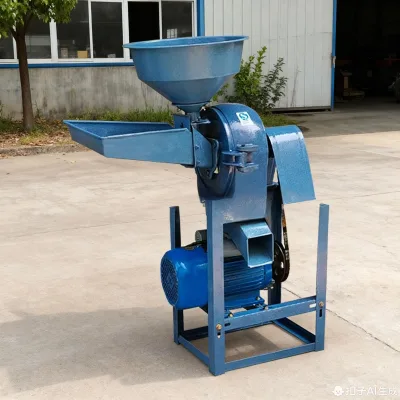


Electric Feed Grinder Crushing Machine Feed Crusher Grinding Hammer Mill Machine
$530.00 - $560.00
MOQ: 1 Pieces


Energy Efficient Double Rotor Grinding Machine for Cost-Effective Solutions
$9826.00 - $39794.00
MOQ: 1 Sets
Comprehensive Sourcing Guide
Strategic Sourcing Guide for High Efficiency Feed Grinders
Understanding Technical Specifications and Processing Capabilities
When sourcing a High Efficiency Feed Grinder, buyers must first distinguish between the specific processing objectives of their operation. The market offers distinct configurations based on the desired output format and the initial state of the raw material. A critical technical distinction lies in the expanding method employed by the machinery. Some units utilize wet expansion, which is often preferred for specific feed formulations requiring higher density and digestibility, while others rely on dry expansion methods suitable for different moisture content profiles. The choice between these methods directly impacts the energy consumption and the final texture of the feed product.
The core grinding mechanism varies significantly across available models. Buyers may encounter feed hammer mills designed for high-volume crushing, or specialized units like self-priming crushers with model designations such as the 230/300/400/500 series. These models often feature a vertical machine design, which can optimize space utilization in smaller facilities. The processing technics are equally vital; systems utilizing a crushing-before-mixing approach ensure that raw materials are uniformly reduced before any blending occurs, which is essential for consistent nutritional distribution.
Capacity is a primary driver of efficiency. Observed operational ranges for these machines span from 100 kg/h to 1500 kg/h, allowing buyers to select equipment that matches their production scale. For smaller operations, such as family farms, standard models may be available with compact dimensions, whereas industrial setups require higher throughput. The raw material diameter is a strict constraint; most high-efficiency grinders are engineered to process materials with a diameter below 5cm. This specification ensures that the internal mechanisms, such as the sieves and knives, are not subjected to excessive stress that could lead to premature failure.
The output granularity is controlled by the screen mesh and sieve size. Standard configurations allow for sieve sizes ranging from 2.8mm to 12mm, enabling the production of feed pellets with diameters between 2mm and 8mm. This range accommodates various animal feed requirements, from poultry to livestock. The pellet mill type is another critical specification, with options including flat die pelletizers and screw granulators. The choice between a single screw bulking machine and a twin screw bulking machine further refines the conditioning process, affecting the binding quality of the final granular product.
Compliance, Certification, and Safety Standards
In the global B2B market, verifying compliance with international standards is non-negotiable for high-efficiency machinery. Buyers should prioritize suppliers who can demonstrate adherence to recognized quality and safety frameworks. The most frequently observed certifications for feed processing equipment include ISO and CE marks. These certifications indicate that the manufacturing processes and the final product meet specific international requirements for quality management and safety, respectively. However, the presence of these marks should be verified against the specific model and batch, as certification status can vary by production run.
Electrical safety is a paramount concern, particularly when sourcing equipment with varying voltage requirements. The standard voltage for many industrial feed grinders is 380V, which is typical for three-phase industrial power systems. Buyers must ensure that their facility's power infrastructure is compatible with this specification to avoid the need for costly transformers or electrical modifications. Furthermore, the machine design should incorporate safety features that align with the operational environment, particularly in facilities handling granular materials where dust accumulation can pose risks.
Documentation regarding the machine's origin is also a compliance factor. Many high-efficiency units originate from specific manufacturing hubs, such as Shandong, China. While this geographic origin is common, buyers should verify the specific place of origin listed on the product documentation to ensure it matches the supplier's claims. This verification helps in assessing the supply chain transparency and the potential for logistical delays or trade restrictions.
Warranty and after-sales support are integral components of compliance in a commercial context. A standard warranty period of 1 year is commonly observed, covering defects in materials and workmanship. Buyers should scrutinize the terms of this warranty, specifically what constitutes a covered failure versus normal wear and tear. Additionally, the availability of video outgoing-inspection services provided by the supplier serves as a verification tool, allowing buyers to assess the machine's condition and functionality before shipment. This proactive measure reduces the risk of receiving non-compliant or damaged equipment.
Cost Drivers and Pricing Dynamics
The pricing of high-efficiency feed grinders is influenced by a complex interplay of factors, including capacity, automation level, and customization options. The observed price range in the market is extensive, spanning from approximately 46 USD to 39,794 USD. This wide disparity reflects the difference between small-scale, manual or semi-automatic units and large, fully automated industrial systems. Buyers must align their budget with their specific production needs, as over-investing in a high-capacity unit for a small operation can lead to unnecessary capital expenditure, while under-investing may result in frequent downtime and reduced efficiency.
Automation grade is a significant cost driver. Units classified as automatic offer higher efficiency and lower labor costs but come at a premium compared to manual or semi-automatic alternatives. The inclusion of advanced features, such as video inspection capabilities or remote technical support, also adds to the overall cost. Customization is another variable; while customization is available for many models, the specific requirements—such as unique dimensions, specialized materials, or custom branding—will influence the final price. Buyers should request detailed quotes that break down the cost of standard features versus custom modifications to understand the true value proposition.
The packaging and shipping costs are often overlooked but can significantly impact the total landed cost. Products are typically packed in wooden boxes, plywood boxes, or a combination of film, wooden boxes, and iron frames to ensure protection during transit. The dimensions of the standard models, such as 9062105cm or larger industrial configurations, determine the shipping volume and weight, which directly affects freight charges. Buyers should consider the total cost of ownership, including installation, maintenance, and energy consumption, rather than focusing solely on the initial purchase price.
Energy efficiency is a long-term cost factor. Machines labeled as energy-saving are designed to optimize power usage, which can lead to significant savings over the operational lifespan of the equipment. The power rating, often measured in kilowatts (Kw), is a key indicator of energy consumption. For instance, a unit with a 15 Kw power rating will have different operational costs compared to a higher or lower rated model. Buyers should evaluate the energy efficiency relative to the output capacity to determine the most cost-effective solution for their specific application.
Typical Applications and Material Compatibility
High-efficiency feed grinders are versatile tools designed to process a wide array of raw materials, making them suitable for diverse agricultural and industrial applications. The primary processing object is often animal-derived feed, which requires precise grinding to ensure optimal nutrition and digestibility. The machines are capable of handling various grains and grasses, including rice, corn, sorghum, and other similar materials. The shape of the applicable materials is typically granular, which allows for efficient processing through the hammer mill or crusher mechanisms.
The versatility of these machines extends to their ability to produce different feed forms. Whether the goal is to create a fine powder for mixing or to produce pellets for direct feeding, the equipment can be configured to meet these needs. The screen mesh and sieve size play a crucial role in determining the final particle size, allowing for customization based on the specific dietary requirements of the target animals. For example, smaller sieve sizes are suitable for poultry feed, while larger sizes may be appropriate for livestock.
In addition to feed production, these grinders can be utilized in other processing scenarios where material reduction is required. The crushing-before-mixing process ensures that all ingredients are uniformly sized before blending, which is critical for maintaining the consistency of the final product. This is particularly important in large-scale operations where batch-to-batch variation can lead to quality issues. The ability to handle raw materials with a diameter below 5cm ensures that the machines can process a wide range of input materials without the need for pre-grinding or additional preparation steps.
The specific application also dictates the choice of equipment. For family farms or small-scale operations, compact models with standard dimensions may be sufficient. In contrast, industrial facilities may require larger units with higher capacity and more robust construction. The choice between a single screw and twin screw bulking machine depends on the specific feed formulation and the desired texture of the final product. Understanding these application nuances is essential for selecting the right equipment to maximize efficiency and minimize operational costs.
Supplier Evaluation and Quality Assurance
Evaluating suppliers for high-efficiency feed grinders requires a rigorous approach to ensure reliability and product quality. Buyers should prioritize suppliers who offer comprehensive after-warranty services, including video teaching, user manuals, and technical support. These services are crucial for troubleshooting issues and ensuring that the equipment is operated correctly, which can extend the lifespan of the machinery. The availability of spare parts, such as sieves and knives, is another key factor, as these components are subject to wear and tear and will need replacement over time.
Quality control measures should be a central part of the supplier evaluation process. Buyers should verify that the supplier has a robust quality assurance system in place, including inspections before shipment and adherence to international standards. The provision of video outgoing-inspection services is a strong indicator of a supplier's commitment to transparency and quality. This allows buyers to visually inspect the machine and verify its condition before it leaves the factory, reducing the risk of receiving defective or substandard equipment.
The reputation and track record of the supplier are also important considerations. While specific supplier names should not be recommended, buyers should look for evidence of a supplier's experience in the industry, such as the number of units sold, the diversity of their product range, and their ability to handle custom orders. The presence of certifications like ISO and CE is a positive sign, but buyers should verify these certifications independently to ensure they are valid and applicable to the specific model being purchased.
Communication and responsiveness are critical aspects of supplier evaluation. Buyers should assess the supplier's ability to provide timely and accurate information regarding product specifications, pricing, and lead times. A supplier that is responsive and transparent is more likely to provide a smooth procurement experience and reliable after-sales support. Additionally, buyers should consider the supplier's location and logistics capabilities, as these factors can impact the delivery time and the overall cost of the equipment.
Long-Term Procurement and Maintenance Considerations
Sourcing a high-efficiency feed grinder is not just a one-time transaction but the beginning of a long-term partnership with the supplier. Buyers should consider the long-term implications of their procurement decision, including maintenance requirements, spare parts availability, and the potential for future upgrades. The warranty period, typically 1 year, provides a baseline for support, but buyers should evaluate the cost and availability of spare parts beyond this period. Components like sieves and knives are essential for maintaining the efficiency of the machine and should be readily available from the supplier.
Energy consumption is a significant long-term cost factor. Buyers should select machines that are designed for energy efficiency to minimize operational expenses over the lifespan of the equipment. The power rating and the specific design of the machine, such as the expanding method and the type of pellet mill, will influence energy usage. Investing in a more energy-efficient model may result in higher upfront costs but can lead to substantial savings in the long run.
Customization options should be considered with a long-term perspective. While customization is available, buyers should ensure that the custom features are durable and compatible with future production needs. The ability to upgrade or modify the machine as production requirements change is a valuable asset. Additionally, the availability of technical support and training is crucial for ensuring that the equipment is operated efficiently and maintained properly over time.
Finally, buyers should plan for the eventual replacement or upgrade of the equipment. The lifespan of a feed grinder depends on various factors, including the intensity of use, the type of materials processed, and the quality of maintenance. By selecting a reputable supplier with a strong track record and comprehensive support services, buyers can ensure that their investment in high-efficiency feed grinders delivers value over the long term.
FAQs
How is the expanding method determined for this equipment?
The expanding method is either wet expansion or dry expansion depending on the specific model configuration. Buyers must verify the selected unit's processing technics to ensure it matches their feed formulation requirements for density and digestibility.
What certifications do these high efficiency feed grinders hold?
Most units carry ISO and CE certifications to meet international quality and safety standards. Buyers should verify that the specific model batch includes these marks before finalizing the purchase to ensure compliance with global regulations.
Which raw material dimensions can the machine process effectively?
The machine is engineered to process raw materials with a diameter below 5cm. This constraint ensures the internal sieves and knives operate without excessive stress, preventing premature failure during the crushing-before-mixing process.
Can buyers request customization for the machine specifications?
Yes, customization is available for various models to meet specific operational needs. Buyers can request unique dimensions or features, though this will influence the final price and may require a longer lead time for production.
What is the typical warranty period for these feed grinders?
A standard warranty period of 1 year is commonly provided for defects in materials and workmanship. Buyers should review the terms to understand coverage for wear and tear and the availability of video teaching support.
How does the capacity range vary across different models?
Operational capacities range from 100 kg/h to 1500 kg/h depending on the machine size. Smaller family models offer lower throughput, while industrial units provide higher output to match large-scale production demands.
What voltage requirements must the facility meet for operation?
The standard voltage for these industrial machines is 380V for three-phase power systems. Facilities must ensure their electrical infrastructure is compatible to avoid costly modifications or the need for additional transformers.