Source High Efficiency Sisal Decorticator for Pineapple, Banana, and Jute
Find and compare 30 High Efficiency Sisal Decorticator units from verified manufacturers. Buyers can evaluate specifications like capacity, power, and material composition for processing pineapple, banana stems, and jute fibers.
Key considerations
Products List


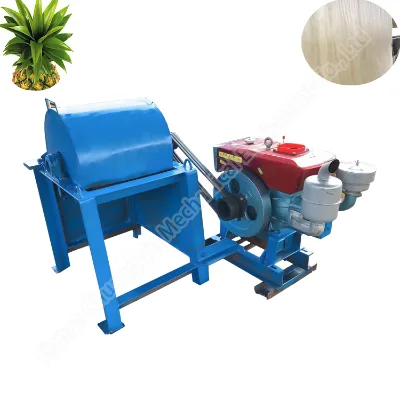
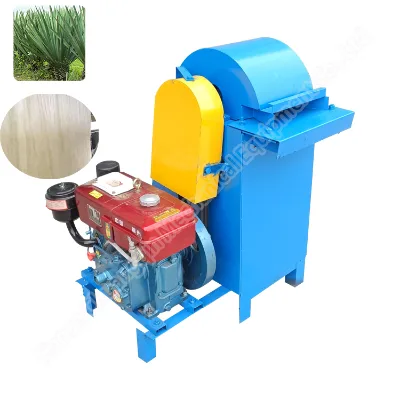

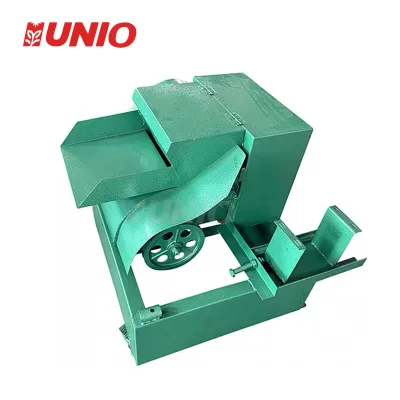
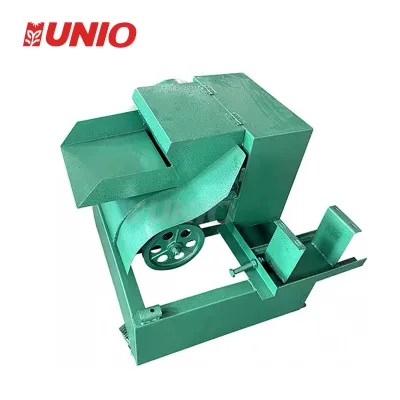
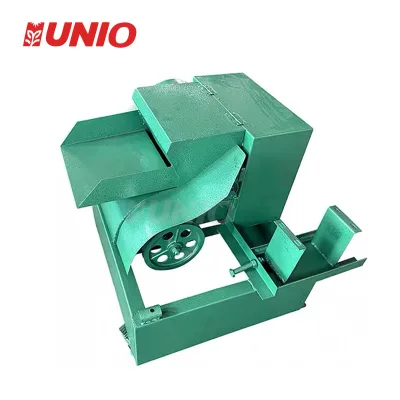
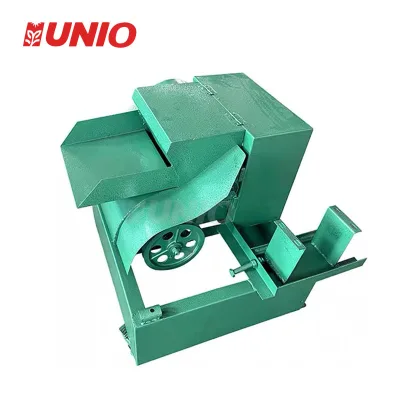


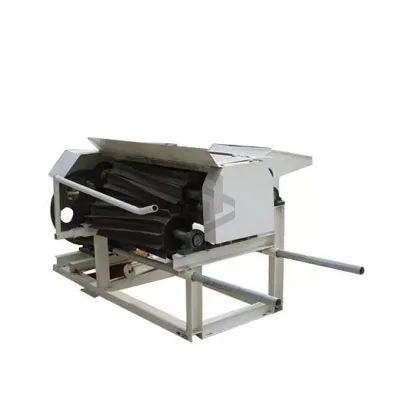
Leaf Fiber and Stem Separator Machine Hemp Processing Machine Sisal Decorticator
$1500.00 - $2200.00
MOQ: 1 Sets

Bf Sisal H Decorticator Fiber Extracting Machine Fiber Processing Machine
$1500.00 - $2200.00
MOQ: 1 Sets

Bf Banana Fiber Sisal Fiber Decorticat Pineapple Leaf Fiber Extracting Machine
$1500.00 - $2200.00
MOQ: 1 Sets

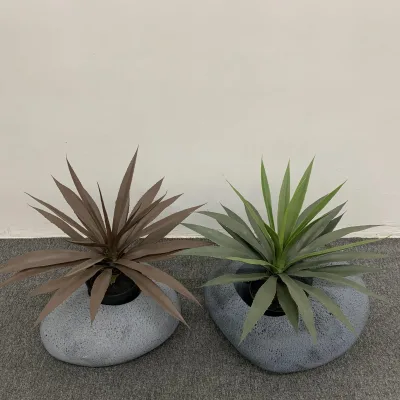
Artificial Sisal Large Plants for Outdoor Indoor Decor Artificial Plant of Sisal
$9.40 - $27.00
MOQ: 40 Pieces

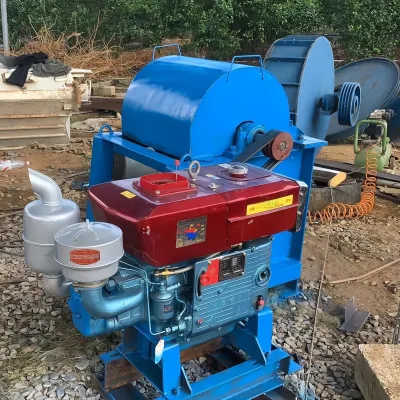
Multifunctional Sisal Decorticator Machine Banana Fiber Extractor for Wholesales
$2556.72 - $2720.35
MOQ: 1 sets

Heavy-Duty Spiral Decanter for Efficient Grain Processing Solutions
$15000.00 - $90000.00
MOQ: 1 Pieces


Charming Natural Moss Reindeer Sleigh Planter for Christmas Garden Decor
$2.00 - $8.00
MOQ: 500 Pieces



Comprehensive Sourcing Guide
High Efficiency Sisal Decorticator Sourcing Guide
Sourcing a high-efficiency sisal decorticator requires a clear understanding of the mechanical distinctions between small-scale agricultural units and industrial-grade processing lines. The market presents a wide spectrum of machinery, ranging from compact, horizontally structured units designed for on-farm use to heavy-duty systems capable of processing tons of raw material per hour. Buyers must first define their operational scale, as the choice between a 200kg/hour unit and a 2-ton/hour system dictates not only the capital expenditure but also the infrastructure requirements, including power supply stability and floor space allocation. The term "high efficiency" in this context often refers to the mechanical design of the decorticating drums and the power-to-output ratio, which varies significantly across different model series such as the CQ-250 or the ZGM-4401 series.
Furthermore, the raw material input is a critical variable that influences machine selection. While sisal is the primary target, many modern decorticators are engineered to handle a variety of fibrous crops, including pineapple leaves, banana stems, and jute. This versatility is a key selling point for buyers who process multiple crop types or wish to diversify their fiber production. However, the structural integrity of the machine, often constructed from carbon steel or stainless steel, must be matched to the abrasiveness and moisture content of the specific plant fiber. Understanding these material interactions ensures that the selected equipment maintains its cutting efficiency and structural longevity over time, reducing downtime and maintenance costs associated with premature wear.
Product Scope and Observed Listing Signals
The current market landscape for sisal decorticators reveals a diverse array of product listings, with observed prices ranging from approximately $0.50 to $90,000 USD, reflecting the vast difference between simple components and complete industrial plants. The minimum order quantity (MOQ) typically spans from 1 to 1000 units, indicating that suppliers cater to both individual farm operators and large-scale industrial contractors. Buyers should note that the "high efficiency" claim is often associated with specific power configurations, such as 2.2kW to 11kW electric motors or 10HP diesel engines, which drive the rotational speed of the decorticating mechanism. These power ratings are not uniform across all listings; some units operate at 1050rpm, while others may have different rotational speeds optimized for specific fiber lengths or thicknesses.
Observations of product attributes show that customization is widely available, allowing buyers to tailor machines to specific operational needs. For instance, the color of the machinery, often blue, is a cosmetic detail, but the structural design, such as horizontal versus vertical orientation, has functional implications for maintenance access and fiber flow. The production capacity listed in various sources varies from 200-500kg/hour to 300kg-2 tons/hour, highlighting the need for buyers to verify the actual throughput under real-world conditions rather than relying solely on nominal specifications. Additionally, the origin of these machines is predominantly China, with specific manufacturing hubs in Henan and Zhanjiang, Guangdong, which may influence logistics planning and supply chain resilience.
Technical Specifications to Verify
When evaluating technical specifications, the power source is a primary decision point. Machines are available with electric motors (220V/380V) or diesel engines, each offering distinct advantages depending on the availability of grid electricity at the processing site. Electric models, such as those with 2.2kW or 7.5kW/11kW motors, offer quieter operation and lower maintenance requirements, while diesel-powered units provide mobility and independence from electrical infrastructure. Buyers must verify the core components, which typically include the engine, motor, gearbox, and bearings, as these are the most critical parts for long-term reliability. The weight of the machine, ranging from 150kg for smaller units to 1000kg for larger industrial models, also impacts installation requirements and the need for specialized handling equipment.
Dimensional constraints and structural design are equally important for facility planning. The external diameter of the decorticating drum, often around 250mm for certain models, determines the capacity and the type of fiber that can be processed effectively. The overall dimensions of the machine, such as 310012501310mm for larger units or 960830760mm for compact models, must be compared against the available floor space in the processing facility. Buyers should also inquire about the raw material construction, with carbon steel and stainless steel being common choices for durability and corrosion resistance. Verifying the voltage compatibility and the specific model number, such as CQ-250 or ZGM-4401/4402/4403, ensures that the machine meets the precise technical requirements of the intended application.
Compliance and Safety Documentation
Safety is a paramount concern in the operation of high-efficiency sisal decorticators, given the high-speed rotating parts and the potential for fiber entanglement. Buyers should prioritize machines that advertise a high safety level, which may include protective guards, emergency stop mechanisms, and enclosed transmission systems. The certification status of the machinery, such as CE certification, is a critical indicator of compliance with European safety and health standards, which often serve as a benchmark for global quality. However, buyers must verify the validity of these certifications and ensure that the specific unit being purchased meets the current regulatory requirements of the destination country, as standards can vary significantly between regions.
Documentation related to machinery testing and quality assurance is another essential aspect of compliance. While some suppliers provide video outgoing-inspections to demonstrate the machine's functionality before shipment, the availability of formal machinery test reports varies. Buyers should request detailed documentation on the performance of core components, such as the motor and gearbox, to ensure they meet the specified power and durability standards. Additionally, the warranty terms, typically offering one year of coverage, should be clearly understood, including what components are covered and the process for claiming repairs or replacements. Understanding these compliance and safety aspects helps mitigate operational risks and ensures that the machinery can be legally and safely deployed in the buyer's jurisdiction.
Cost Drivers and Commercial Terms
The cost of a sisal decorticator is influenced by several factors, including the power rating, material construction, and production capacity. Higher capacity machines, capable of processing up to 2 tons per hour, naturally command a higher price due to the increased use of raw materials and more complex engineering. The choice between electric and diesel power also affects the initial cost, with diesel engines often adding to the price but offering operational flexibility. Buyers should consider the total cost of ownership, which includes energy consumption, maintenance, and potential downtime, rather than just the upfront purchase price. The packaging method, whether wooden case or naked/plywood box, can also impact shipping costs and the risk of damage during transit.
Commercial terms such as MOQ and lead times are critical for supply chain planning. While some suppliers offer single-item purchases, others may require larger orders to achieve economies of scale. Buyers should negotiate clear terms regarding payment methods, shipping responsibilities, and after-sales support. The supplier type, whether a manufactory or a trading company, can also influence pricing and communication efficiency. Direct manufacturers may offer more competitive pricing and better technical support, while trading companies might provide a wider range of options and flexible ordering terms. Understanding these commercial dynamics allows buyers to structure deals that align with their budget and operational timeline, ensuring a smooth procurement process.
Supplier Qualification and Quality Control
Qualifying a supplier for sisal decorticators involves assessing their manufacturing capabilities and quality control processes. Buyers should verify the supplier's type, with manufactory suppliers often providing more direct access to engineering and production teams. The availability of video outgoing-inspections is a positive indicator of transparency, allowing buyers to visually confirm the machine's condition and functionality before shipment. However, buyers should also request detailed information on the core components' sourcing and quality, as the reliability of the motor, gearbox, and bearings is crucial for long-term performance. Suppliers who provide comprehensive documentation and are willing to answer technical questions are generally more reliable partners.
Quality control extends beyond the initial inspection to include the warranty and after-sales support. A one-year warranty is standard, but buyers should clarify the scope of coverage and the process for obtaining spare parts. Suppliers who offer training or technical guidance on machine operation and maintenance can add significant value, reducing the risk of operational errors and extending the machine's lifespan. Buyers should also consider the supplier's reputation and history in the industry, looking for evidence of consistent quality and customer satisfaction. Establishing a strong relationship with a qualified supplier ensures that any issues that arise during the machine's operation can be resolved quickly and efficiently, minimizing disruption to production.
Long-Term Procurement Checks
Long-term procurement success depends on the ability to monitor and evaluate the performance of the sisal decorticator over time. Buyers should establish key performance indicators (KPIs) such as fiber yield, energy consumption per ton of processed material, and maintenance frequency. Regularly tracking these metrics allows buyers to identify potential issues early and make data-driven decisions about machine upgrades or replacements. The availability of spare parts, particularly for core components like bearings and gears, is essential for maintaining continuous operation. Buyers should ensure that their supplier has a robust inventory of spare parts or a reliable supply chain for replacements.
Continuous improvement and adaptation to changing market conditions are also important for long-term procurement. As fiber demand and raw material characteristics evolve, buyers may need to adjust their machinery settings or upgrade components to maintain efficiency. Engaging with the supplier for periodic maintenance checks and technical updates can help optimize machine performance and extend its useful life. Additionally, staying informed about industry trends and new technologies can provide opportunities for further efficiency gains. By maintaining a proactive approach to procurement and machine management, buyers can ensure that their sisal decorticator investment continues to deliver value over the long term.
FAQs
What is the production capacity of the High Efficiency Sisal Decorticator?
The machine offers a capacity ranging from 200 to 500 kilograms per hour, with some models reaching up to 2 tons per hour. This variation depends on the specific model selected, such as the CQ-250 or ZGM series, which are designed for different processing volumes.
Which raw materials can this machine process effectively?
This equipment is suitable for processing sisal, banana stems, pineapple leaves, and jute. It is specifically designed to peel fiber from these agricultural plants, ensuring efficient extraction of usable fiber for various industrial applications.
What certifications does the High Efficiency Sisal Decorticator hold?
The machinery is certified with CE standards to ensure compliance with safety and quality regulations. This certification indicates that the product meets essential health, safety, and environmental protection requirements for operation within relevant markets.
Can the machine be customized for specific production needs?
Yes, customization is available and supported for this agricultural machinery. Buyers can request specific adjustments to the machine structure or components to better fit their unique operational requirements or facility constraints.
What is the warranty period for the High Efficiency Sisal Decorticator?
The product comes with a standard one-year warranty covering core components and general functionality. This warranty provides buyers with assurance regarding the machine's reliability and manufacturer support during the initial period of operation.
How is the High Efficiency Sisal Decorticator packaged for shipping?
The machine is typically packed in a wooden case or a naked/plywood box configuration. This robust packaging method ensures the equipment remains protected during transit and minimizes the risk of damage before reaching the buyer's location.
What is the power consumption of the High Efficiency Sisal Decorticator?
Power requirements vary by model, with options including 2.2kw, 7.5kw, or 11kw electric motors. Some units also feature a 10HP diesel engine, allowing for flexible power source selection based on site availability and operational needs.