Source CE Certified Electric Vegetable Slicer for Restaurants, Hotels, and Processing Plants
Find and compare 30 CE Certified Electric Vegetable Slicer options from Chinese manufacturers. Evaluate models with varying capacities, cutting sizes, and power ratings to find the right machine for your commercial kitchen or food processing needs.
Key considerations
Products List


Multifunctional Vegetable Slicer
$50.00 - $55.00
MOQ: 10 Pieces
Hunan Dongfanghong Electromechanical Manufacturing Co., Ltd.

Multifunctional Vegetable Slicer
$50.00 - $55.00
MOQ: 10 Pieces
Hunan Dongfanghong Electromechanical Manufacturing Co., Ltd.


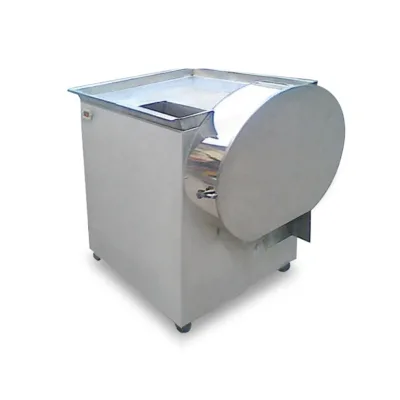

Electric Vegetable Slicer for Slicing Fruits and Potatoes Effortlessly
$290.00 - $310.00
MOQ: 1 Pieces


Comprehensive Sourcing Guide
CE Certified Electric Vegetable Slicer Sourcing Guide
Sourcing industrial-grade electric vegetable slicers requires a disciplined approach to balancing throughput capacity with precise cutting specifications. Buyers must navigate a market where machinery ranges from compact, countertop units suitable for small restaurants to high-capacity floor models designed for large-scale food processing plants. The core keyword, "CE Certified Electric Vegetable Slicer," signals a specific regulatory and functional expectation: the equipment must comply with European safety directives and utilize electric motors to automate the slicing, dicing, or shredding of produce. This guide provides evidence-based procurement strategies to help buyers evaluate listings, verify technical claims, and mitigate supply chain risks when acquiring these essential kitchen and processing tools.
The procurement landscape for these machines is characterized by significant variability in power consumption, voltage requirements, and physical footprint. Listings often display a wide price range, reflecting differences in motor power, material quality, and customization options. Buyers should recognize that a "CE certified" label is a critical baseline for safety but does not guarantee uniform performance across all suppliers. Understanding the distinction between standard export models and fully customized industrial solutions is vital for aligning procurement decisions with specific operational needs, whether for a hotel kitchen or a centralized food manufacturing facility.
Product Scope and Observed Listing Signals
The observed product scope for electric vegetable slicers encompasses a diverse array of models, each tailored to specific processing volumes and cut geometries. Listings indicate that these machines are primarily constructed from SUS304 stainless steel, a material choice that ensures durability, corrosion resistance, and compliance with food safety hygiene standards. The observed models range from smaller units with dimensions around 22x26x41 cm and weights near 5.8 kg to larger industrial units weighing up to 130 kg with dimensions exceeding 1.2 meters in length. This variance suggests that buyers must clearly define their space constraints and weight-bearing capabilities before evaluating specific listings, as the physical footprint of the equipment can significantly impact kitchen layout or factory floor planning.
Listing signals reveal that customization is a prevalent feature in this category, with many suppliers offering tailored solutions for branding, voltage, and cutting specifications. The observed data shows that power ratings can vary, with some units operating at 0.75 KW while others may require higher power inputs, and voltage options include both 220V and 380V configurations. Buyers should pay close attention to these electrical specifications to ensure compatibility with their local infrastructure. Additionally, the presence of "Customization Supported" attributes indicates that suppliers are willing to adapt the machine’s logo, packaging, and potentially internal components, allowing for a more personalized procurement experience that aligns with brand identity and operational requirements.
Technical Specifications to Verify
Verifying the technical specifications of an electric vegetable slicer is paramount to ensuring it meets the desired processing output. Buyers must scrutinize the cutting size options, which can range from thin slices of 2-5 mm to thicker dices of up to 25 mm or even shredding thicknesses of 2-6 mm. The observed data highlights specific models capable of producing diced sizes of 6, 8, 12, 15, 20, and 25 mm, indicating a high degree of versatility. It is essential to confirm that the selected model can achieve the exact cut dimensions required for the final product, as incorrect specifications can lead to significant waste or product inconsistency. Buyers should request detailed technical sheets that specify the range of adjustable cutting parameters to ensure flexibility in production.
Capacity and throughput are critical technical metrics that directly impact operational efficiency. The observed listings indicate capacity ranges from 300-1000 Kg/H for certain models to 800-1500 kg/H for others, suggesting that higher-end models are designed for intensive commercial use. Buyers must align these capacity figures with their peak production demands to avoid bottlenecks. Furthermore, the overall dimensions and weight of the machine, such as the observed 980x810x1480 mm footprint for a 130 kg unit, must be verified against the available installation space. Ensuring that the machine’s physical and performance specifications match the intended application scenario, whether it be a restaurant, hotel, or food processing plant, is a non-negotiable step in the verification process.
Compliance and Safety Documentation
Compliance with safety standards is a fundamental requirement for any electric vegetable slicer, particularly when targeting markets that enforce strict regulatory frameworks. The "CE" certification is a key indicator that the manufacturer claims adherence to European health, safety, and environmental protection standards. Buyers must verify that the CE marking is accompanied by a valid Declaration of Conformity and that the machinery meets relevant directives, such as the Machinery Directive and Low Voltage Directive. While the observed data lists "CE/ISO" as a certificate, buyers should treat this as a claim to be verified rather than a guaranteed fact, requesting official documentation from the supplier to confirm the validity and scope of these certifications.
Beyond regulatory compliance, safety features integrated into the design are crucial for protecting operators in high-volume environments. Buyers should inquire about specific safety mechanisms, such as emergency stop buttons, protective guards, and interlock systems that prevent operation when covers are open. The use of SUS304 stainless steel not only aids in hygiene but also contributes to the structural integrity of the machine, reducing the risk of material failure under stress. Additionally, verifying the electrical safety standards, including proper grounding and insulation, is essential to prevent electrical hazards. Buyers should ensure that the supplier provides comprehensive user manuals and safety guidelines in the local language to facilitate proper training and operation.
Cost Drivers and Commercial Terms
The cost of an electric vegetable slicer is influenced by several key drivers, including motor power, material quality, and the level of customization required. Higher capacity models with robust stainless steel construction and advanced cutting mechanisms typically command higher prices. The observed price range of 1.72 to 6450 USD reflects this variability, with lower-end prices likely corresponding to smaller, less powerful units or basic accessories, while higher prices align with industrial-grade machines. Buyers should analyze the cost structure in relation to the expected throughput and durability, recognizing that a higher initial investment may yield lower operational costs and longer service life in high-volume settings.
Commercial terms, such as Minimum Order Quantity (MOQ) and packaging specifications, also play a significant role in the total cost of ownership. The observed MOQ range of 1 to 3000 units suggests flexibility for both single-unit purchases and bulk procurement. Buyers should negotiate terms that align with their inventory management strategies, considering factors like storage capacity and cash flow. Packaging is another critical aspect, with options ranging from wooden cases and crates to carton packaging. For international shipments, robust packaging like wooden crates is essential to protect the machine from damage, but it may incur additional freight costs. Buyers should clarify who bears the responsibility for packaging and shipping costs to avoid unexpected expenses.
Supplier Qualification and Quality Control
Evaluating supplier qualification is a critical step in mitigating procurement risks. Buyers should prioritize suppliers who demonstrate a commitment to quality control through processes such as inspection and testing support. The observed data indicates that some suppliers offer "Support Inspection and Testing," which is a valuable service for verifying product quality before shipment. Buyers should leverage this option by conducting pre-shipment inspections or hiring third-party inspection agencies to ensure that the machines meet the agreed-upon specifications and quality standards. This proactive approach helps identify potential defects or discrepancies early in the process, reducing the likelihood of receiving non-conforming goods.
Geographic origin and manufacturing capabilities are also important factors in supplier evaluation. The observed listings indicate that many suppliers are located in Shandong, China, a region known for its industrial manufacturing base. Buyers should assess the supplier’s production capacity, quality management systems, and track record in the industry. Requesting references or case studies from previous clients can provide insights into the supplier’s reliability and after-sales support. Additionally, verifying the supplier’s ability to provide customization services, such as logo printing and tailored packaging, can enhance the value proposition. A thorough due diligence process ensures that the selected supplier is capable of delivering high-quality products consistently.
Long-Term Procurement Checks
Long-term procurement success depends on establishing robust relationships with suppliers and implementing continuous improvement strategies. Buyers should focus on suppliers who offer comprehensive after-sales support, including spare parts availability, technical assistance, and maintenance services. The complexity of electric vegetable slicers means that regular maintenance is essential to ensure optimal performance and longevity. Buyers should negotiate service level agreements that define response times and support protocols, ensuring minimal downtime in case of equipment failure. This long-term perspective helps protect the investment and maintains operational efficiency over time.
Regular performance audits and feedback loops are also vital for optimizing procurement outcomes. Buyers should monitor the performance of the electric vegetable slicers in their operations, tracking metrics such as throughput, energy consumption, and maintenance frequency. This data can inform future purchasing decisions, allowing buyers to refine their specifications and select models that best meet their evolving needs. Additionally, staying informed about industry trends and technological advancements can help buyers identify opportunities for upgrading their equipment. By maintaining a proactive and data-driven approach to procurement, buyers can ensure that their electric vegetable slicer investments continue to deliver value and support their business objectives.
FAQs
What certifications do the electric vegetable slicers have?
The machines carry CE and ISO certifications as documented in the product facts. This ensures compliance with international safety and quality standards for industrial food processing equipment.
Can I customize the logo on the vegetable cutter machine?
Yes, logo customization is supported for these electric vegetable slicers. Buyers can request specific branding on the equipment to match their corporate identity or marketing needs.
What is the voltage requirement for the kitchen slicer?
The available models operate on 220V or 380V voltage systems. Users must verify the specific power requirements of their facility before selecting a unit to ensure proper electrical compatibility.
Which raw materials are used to construct the cutter?
The machines are constructed using SUS304 stainless steel or general stainless steel materials. This ensures durability, corrosion resistance, and hygiene suitable for food processing environments.
How is the product packed for transportation?
Packaging options include wooden cases, wooden crates, or carton packaging depending on the model. Standard export wooden boxes are also used to protect the equipment during shipping.
What is the processing capacity of the vegetable slicer?
Capacity ranges from 300 to 1500 kilograms per hour across different models. This allows facilities to select a unit that matches their specific production volume requirements.