Source High Elastic Nylon Arm Bracer for Sports, Rehabilitation, and Support
Compare 19 High Elastic Nylon Arm Bracer options from verified suppliers in China and Taiwan. These products offer professional protection and rehabilitation support for sports, waist, shoulder, neck, vertebra, and chest applications with customizable features; compare the available evidence and request quotations based on your requirements.
Updated
Key considerations
Products List




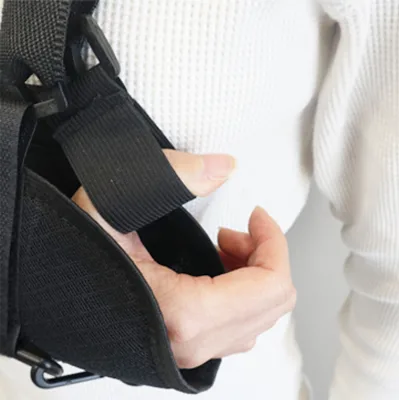
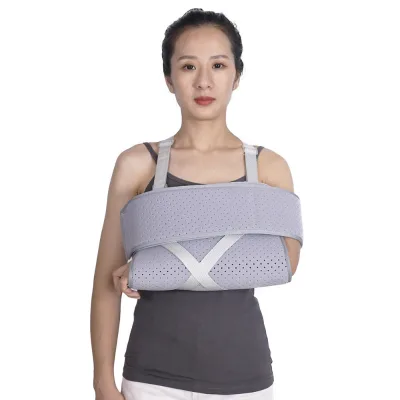
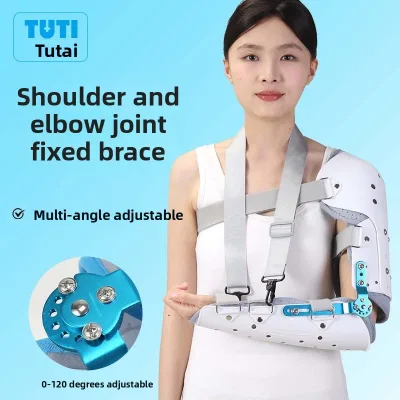
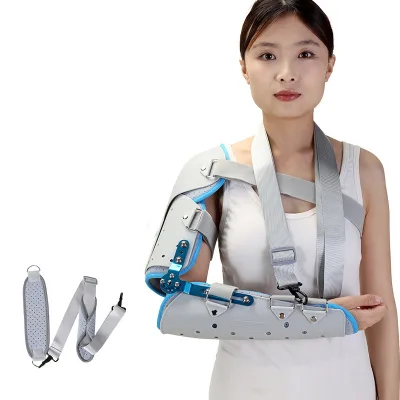
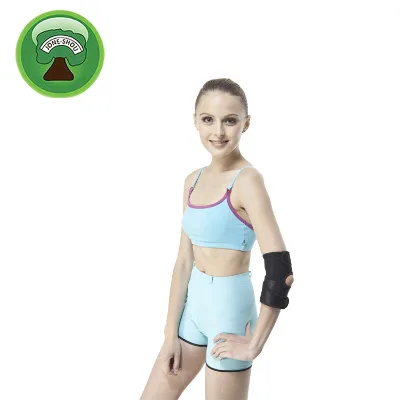
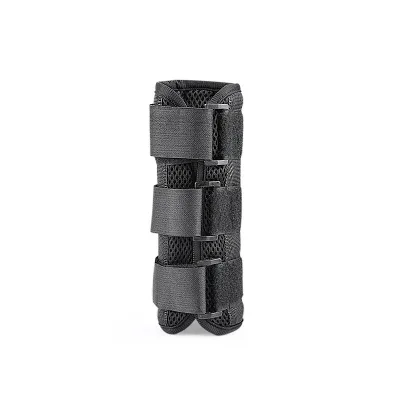
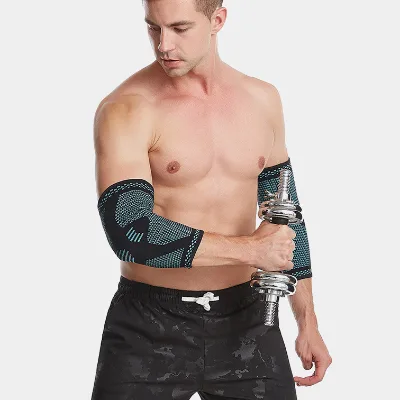

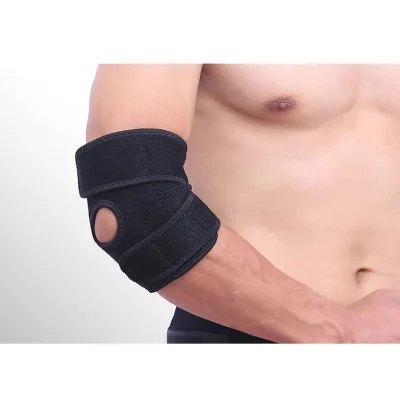


Comprehensive Sourcing Guide
High Elastic Nylon Arm Bracer Sourcing Guide
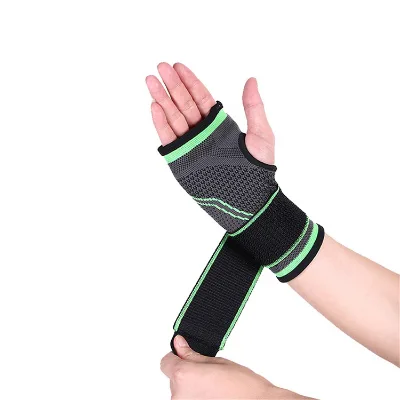
Procuring high elastic nylon arm bracers requires a disciplined approach to material verification and functional alignment. Buyers must distinguish between general support braces and medical-grade external fixators, as the latter involve stricter regulatory oversight. The core keyword suggests a focus on elasticity and durability, which directly impacts the bracer’s ability to provide consistent compression and support during physical activity or rehabilitation. Understanding the specific use case is the first step in defining technical requirements.
Sourcing decisions should be grounded in observed market signals rather than generic assumptions. Current listings indicate a wide range of product types, from simple stabilizers to complex fracture fixation devices. This diversity means that a single specification sheet rarely applies to all potential suppliers. Buyers need to establish clear criteria for what constitutes a "high elastic" product, ensuring that the material composition and construction methods meet the intended performance standards for their specific application.
Product Scope and Observed Listing Signals
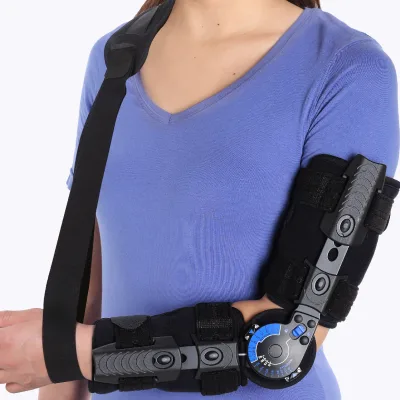
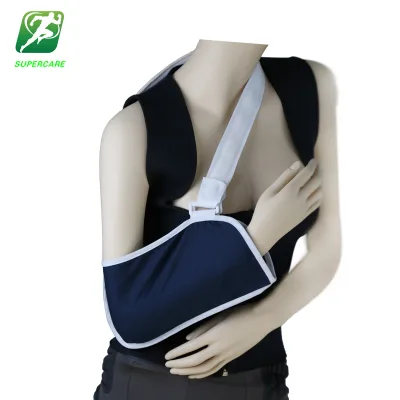
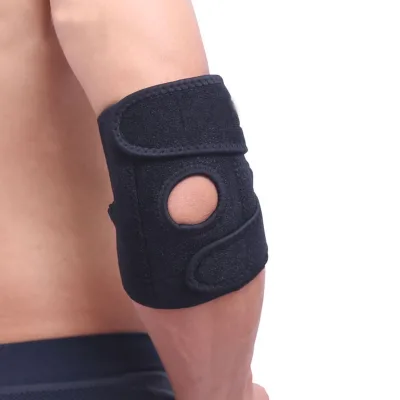
The observed market for arm bracers reveals a significant variation in product classification and intended use. Some listings identify products as professional protection gear for sports, while others classify them as medical stabilizers for fracture fixation or deformity correction. This distinction is critical because it dictates the level of scrutiny required during the sourcing process. Buyers must carefully review product descriptions to determine if the item is intended for athletic support or clinical rehabilitation, as the manufacturing standards for each category differ substantially.
Material composition is another key signal that varies across suppliers. While many products utilize nylon for its elasticity and durability, others combine nylon with polyester, PU foam, and alloy aluminum for enhanced structural support. The presence of rigid components like aluminum suggests a higher level of mechanical intervention, suitable for serious injuries or post-surgical care. Buyers should verify the exact material blend to ensure it aligns with the desired balance of flexibility and stability, avoiding products that may be too rigid for light support or too flimsy for medical needs.
Technical Specifications to Verify
Verifying technical specifications is essential to ensure the bracer meets functional requirements. Key attributes to confirm include the size range, with many products offering a one-size-fits-most design, while others provide specific sizing standards like S, M, and L. Buyers should also check the thickness and weight of the product, as these factors influence comfort and support level. For instance, thicker bracers may offer better protection but could restrict movement, while lighter options might be more suitable for daily wear.
Additional technical details such as waterproof capabilities and customization options should also be evaluated. Most observed products are non-waterproof, which may limit their suitability for certain environments or activities. Customization availability, including logo printing and packaging options, can be important for brand differentiation. Buyers must also assess the single package dimensions and gross weight to calculate accurate shipping costs and storage requirements, ensuring that logistical planning aligns with the physical characteristics of the product.
Compliance and Safety Documentation
Compliance with relevant standards is a non-negotiable aspect of sourcing medical or professional protection equipment. Buyers should request documentation for certifications such as CE and ISO, which indicate adherence to European safety and quality management standards. Specifically, ISO 13485 certification is crucial for medical devices, ensuring that the manufacturer follows rigorous quality control processes. Without these certifications, the product may not be legally sellable in many international markets, exposing buyers to significant regulatory risks.
Beyond certifications, buyers must verify the specific claims made by suppliers regarding product safety and performance. While some listings mention ISO 21420:2020, this standard typically applies to personal protective equipment for the eyes, not arm bracers. Buyers should be cautious of mismatched standard references and instead focus on verifying that the product meets the appropriate standards for its intended use, whether that be sports protection or medical stabilization. Clear documentation helps mitigate liability and ensures product reliability.
Cost Drivers and Commercial Terms
Cost structures for arm bracers are influenced by material quality, manufacturing complexity, and order volume. Prices observed in the market range significantly, reflecting differences in product features and supplier capabilities. Buyers should analyze the cost per unit in relation to the specified minimum order quantity (MOQ), which can vary from small batches to large industrial orders. Understanding the MOQ requirements helps in planning inventory levels and cash flow, ensuring that the purchase aligns with business capacity and demand forecasts.
Commercial terms such as supply ability and lead times are also critical factors in the sourcing decision. Suppliers with higher monthly production capacities may offer better pricing for large orders but might have longer lead times. Buyers should negotiate clear terms regarding payment methods, shipping responsibilities, and return policies. Additionally, considering the customization costs for logos or packaging can impact the overall budget. Transparent communication about these commercial terms helps avoid unexpected expenses and ensures a smooth procurement process.
Supplier Qualification and Quality Control
Qualifying suppliers involves assessing their manufacturing capabilities and quality assurance processes. Buyers should prioritize suppliers who demonstrate a clear understanding of their product specifications and can provide detailed information about their production lines. Verifying the place of origin, such as Jiangsu or Zhejiang in China, can provide insights into the local manufacturing ecosystem and potential logistical advantages. However, origin alone is not a guarantee of quality, so additional due diligence is necessary.
Quality control measures should be explicitly defined in the procurement agreement. Buyers should request samples to evaluate the product’s elasticity, durability, and fit before placing large orders. Establishing clear acceptance criteria for defects and inconsistencies helps maintain product quality standards. Additionally, suppliers offering OEM and ODM services may provide greater flexibility in product design, but this requires careful oversight to ensure that customizations do not compromise the bracer’s structural integrity or safety performance.
Long-Term Procurement Checks
Long-term procurement success depends on continuous monitoring of supplier performance and product quality. Buyers should establish regular review cycles to assess supplier reliability, including on-time delivery rates and consistency in product specifications. Maintaining open communication channels allows for timely resolution of any issues that arise during the supply chain. This proactive approach helps build a resilient partnership that can adapt to changing market conditions and customer needs.
Furthermore, buyers should stay informed about updates to relevant standards and regulations that may affect product compliance. As the market for medical and sports equipment evolves, new requirements may emerge that impact sourcing decisions. Regularly updating qualification criteria and conducting periodic audits of suppliers ensures that the procurement strategy remains aligned with current best practices. This ongoing diligence helps mitigate risks and supports the long-term viability of the sourcing relationship.
FAQs
What materials are used in the High Elastic Nylon Arm Bracer?
The High Elastic Nylon Arm Bracer is constructed from a blend of nylon, polyester, PU foam, and alloy aluminum. This combination ensures durability and comfort during use. The materials are selected to provide robust support while maintaining flexibility, making the product suitable for various physical activities and rehabilitation needs.
Can the High Elastic Nylon Arm Bracer be customized?
Yes, customization is available for the High Elastic Nylon Arm Bracer. Buyers can request custom logos and specific packaging options. The product supports OEM and ODM services, allowing for tailored branding and design adjustments to meet specific business requirements or market preferences effectively.
What certifications does the High Elastic Nylon Arm Bracer hold?
The High Elastic Nylon Arm Bracer holds CE and ISO certifications, including ISO13485. These certifications indicate compliance with international quality and safety standards. Buyers can rely on these documented credentials to ensure the product meets regulatory requirements for medical and sports applications in various global markets.
What is the MOQ for the High Elastic Nylon Arm Bracer?
The minimum order quantity for the High Elastic Nylon Arm Bracer is 500 pieces. This MOQ applies to standard orders and allows for manageable inventory levels for buyers. Suppliers may offer flexibility for larger volumes, but the baseline requirement ensures efficient production and supply chain management for all parties involved.
Where is the High Elastic Nylon Arm Bracer manufactured?
The High Elastic Nylon Arm Bracer is manufactured in China, with origins noted in Jiangsu, Zhejiang, and Taiwan regions. These locations are known for their robust manufacturing capabilities. Buyers can expect consistent quality and efficient logistics from these established industrial hubs, ensuring reliable supply chain performance for international orders.
What is the supply ability for the High Elastic Nylon Arm Bracer?
The supply ability for the High Elastic Nylon Arm Bracer is 3000 pieces per month. This capacity supports steady demand from various buyers without significant delays. Suppliers maintain this production rate to ensure timely delivery and consistent availability, making it suitable for both small and medium-sized procurement needs.