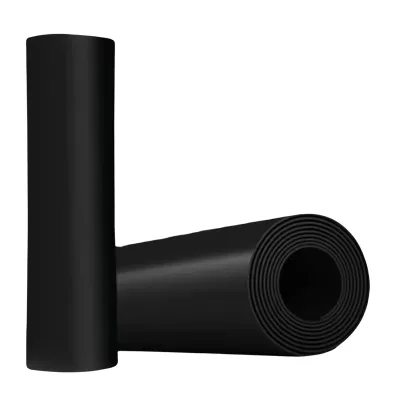
Source High Elasticity Black Neoprene Sheet for Industrial, Flooring, Printing
Find 30 listings for High Elasticity Black Neoprene Sheet with features like corrosion resistance and heat stability. Buyers can compare specifications including hardness, tensile strength, and thickness to select the right material for industrial, flooring, and printing applications.
Key considerations
Products List



Comprehensive Sourcing Guide
Strategic Sourcing Guide for High Elasticity Black Neoprene Sheet
Procuring high elasticity black neoprene sheets requires a disciplined approach that balances material science with rigorous supplier verification. In the B2B industrial market, "neoprene" refers to polychloroprene, a synthetic rubber known for its durability and resistance to environmental stressors. When sourcing this specific material, buyers must navigate a landscape where product attributes vary significantly between listings. The following guide outlines the critical factors for evaluating high elasticity black neoprene sheets, ensuring that procurement decisions are grounded in verified data and industry best practices rather than unverified marketing claims.
Understanding Material Composition and Physical Properties
The foundation of any successful procurement strategy lies in a precise understanding of the material's physical and chemical properties. For high elasticity black neoprene sheets, the core material is identified as neoprene, a synthetic rubber derived from synthetic rubber and pad components. This composition is distinct from natural rubber or organic silicone, which offer different performance profiles. The black coloration is a standard attribute for this product category, often resulting from the addition of carbon black, which enhances UV resistance and structural integrity.
When evaluating the physical specifications, buyers must look for specific numerical ranges that define "high elasticity." While general listings may cite hardness values, the specific range of 30 to 90 Shore A is observed in the broader market for rubber sheets, with high elasticity typically correlating to the lower end of this spectrum. However, specific listings have noted hardness values such as 65A, which serves as a benchmark for medium-to-high elasticity applications. The tensile strength is another critical metric; observed data indicates values around 3MPa, which is essential for applications requiring the sheet to withstand significant stretching without permanent deformation.
Elongation is perhaps the most direct indicator of elasticity. A high elasticity sheet should demonstrate an elongation capability of approximately 280%, allowing it to stretch significantly and return to its original shape. Density is another factor to consider, with observed values around 1.5 g/cm³, influencing the weight and handling characteristics of the final product. The thickness range is equally vital, with standard offerings spanning from 1mm to 50mm, and some specialized suppliers accommodating thicknesses from 0.3mm up to 100mm. Buyers must verify that the specific sheet they select falls within the required thickness tolerance for their application, as this directly impacts the sealing or cushioning performance.
Technical Specifications and Performance Standards
Technical specifications for high elasticity black neoprene sheets extend beyond basic dimensions to include performance characteristics that dictate suitability for specific environments. The product is frequently described as a "Metal Frame Layer Rubber Sheet" or "Pure Gum Rubber Sheet and Fabric," indicating variations in construction that affect performance. The medium used in these sheets often includes a combination of rubber and fabric layers, which can enhance tensile strength and dimensional stability.
Performance claims in the market are diverse, ranging from "Insulating Rubber Slab" to "Acid and Alkaline Resistant Rubber Slab" and "Oil-Resistant Rubber Slab." For high elasticity black neoprene, the most relevant performance attributes are its resistance to corrosion, wear, heat, cold, and impact. These features make the material suitable for industrial flooring, printing applications, and heavy-duty machinery. The insulating capability is particularly important for electrical applications, where the sheet must prevent current flow while maintaining mechanical flexibility.
Standard specifications vary by manufacturer. Some suppliers adhere to a standard thickness range of 1-50mm, while others offer customized thicknesses from 0.1mm to 50mm. Widths typically range from 0.5m to 2m, with lengths extending up to 50m. It is crucial for buyers to confirm that the supplier's standard dimensions align with their project requirements, as custom cutting often incurs additional costs and lead times. The product model codes, such as "SD6216862" or "CR," serve as internal identifiers but do not guarantee specific performance metrics without cross-referencing the detailed technical data sheet provided by the supplier.
Compliance, Certification, and Regulatory Verification
In the global supply chain, compliance with international standards is non-negotiable. For high elasticity black neoprene sheets, buyers should verify that the supplier possesses relevant certifications such as RoHS, REACH, FDA, and ISO. These certifications indicate that the material meets specific safety and environmental standards. RoHS compliance ensures the absence of hazardous substances, while REACH compliance addresses chemical safety within the European Union. FDA approval is critical if the sheet is intended for applications involving food contact or medical devices, although neoprene is primarily an industrial material.
It is important to note that while some listings mention certifications like ASTM D2000, this should be treated as a background reference rather than a guaranteed standard for every product. Buyers must request specific test reports or certificates of analysis to confirm that the product meets the claimed standards. The origin of the product also plays a role in compliance; many high-quality neoprene sheets originate from China, with specific manufacturing hubs in Fujian and Anhui provinces. Suppliers based in these regions often have established export channels, but buyers must verify that the specific facility holds the necessary certifications for their target market.
Cost Drivers and Pricing Dynamics
The pricing of high elasticity black neoprene sheets is influenced by a complex interplay of factors, including material costs, manufacturing complexity, and order volume. The observed price range in the market is substantial, spanning from $0.19 to $264.72 per unit. This wide variance is primarily driven by the thickness, size, and specific performance requirements of the sheet. Thicker sheets with higher hardness ratings or specialized coatings will naturally command a higher price.
Minimum Order Quantity (MOQ) is another significant cost driver. The observed MOQ range is between 10 and 1000 units. Suppliers with lower MOQs may charge a premium per unit to cover setup and handling costs, while larger orders benefit from economies of scale. Buyers should negotiate based on their total volume requirements, considering that custom sizes or specific color requests (though black is standard) may increase the cost. Additionally, the packaging method, whether pallets, woven bags, or wooden cases, can impact the final landed cost, especially for international shipments where freight charges are calculated by volume and weight.
Typical Applications and Functional Requirements
High elasticity black neoprene sheets are versatile materials used across a wide array of industries. The primary applications include industrial rubber slabs, rubber floor coverings, and flooring solutions for heavy machinery. The material's ability to resist oil, acid, and alkaline substances makes it ideal for environments where chemical spills are a risk. In the printing industry, these sheets serve as protective layers or dampening components.
Beyond industrial uses, the material finds application in sealing and gasketing. The functional capabilities include fixed sealing, hole sealing, rotary sealing, and shaft sealing. Specific applications listed include auxiliary seals, junction surface seals, equipment seals, flange seals, hydroseals, and pump seals. The high elasticity ensures that the sheet can conform to irregular surfaces, providing a tight seal that prevents dust, leaks, and contamination. In agricultural and medical contexts, the material's durability and resistance to wear make it suitable for protective covers and equipment components.
Supplier Evaluation and Quality Control Protocols
Evaluating a supplier for high elasticity black neoprene sheets requires a multi-faceted approach. Buyers should assess the supplier's production capabilities, specifically their ability to customize dimensions and hardness levels. The availability of customization is a key attribute, allowing buyers to tailor the sheet to their exact specifications. However, buyers must verify that the customization process does not compromise the material's integrity or performance characteristics.
Quality control protocols are essential to ensure consistency. Buyers should request samples to test tensile strength, elongation, and hardness before placing a large order. The observed tensile strength of 3MPa and elongation of 280% should be verified through independent testing if the application is critical. Additionally, the supplier's origin, such as Anhui Satuo New Material Technology Co., Ltd or facilities in Fujian, should be cross-referenced with their reputation and track record. Packaging standards, ranging from plastic bags and cartons to wooden cases, should be evaluated to ensure the product arrives without damage.
Long-Term Procurement and Supply Chain Resilience
Long-term procurement of high elasticity black neoprene sheets requires a focus on supply chain resilience and relationship management. Buyers should consider the lead times and production capacity of their suppliers to ensure timely delivery. While specific lead times are not universally standardized, buyers must confirm these details during the negotiation phase. The ability of the supplier to accommodate custom requests and maintain consistent quality over time is crucial for long-term projects.
Sustainability and environmental compliance are increasingly important factors in procurement. Buyers should prioritize suppliers who adhere to strict environmental standards and offer materials that are recyclable or have a lower environmental impact. The use of synthetic rubber and pad components should be evaluated for their lifecycle impact. By building a strong relationship with a reliable supplier, buyers can secure a steady supply of high-quality neoprene sheets, reducing the risk of production delays and ensuring the longevity of their end products.
Comparison of Key Product Attributes
To assist in decision-making, the following table summarizes the key attributes observed in the market for high elasticity black neoprene sheets. This comparison highlights the variability in specifications and helps buyers identify the most suitable options for their needs.
| Attribute | Observed Range/Value | Relevance to Procurement |
|---|---|---|
| Material | Neoprene, Synthetic Rubber, Pad | Defines chemical resistance and durability. |
| Color | Black (Standard), Others Available | Aesthetic and UV protection requirements. |
| Hardness | 30~90 Shore A (Specific: 65A) | Determines flexibility and load-bearing capacity. |
| Tensile Strength | ~3MPa | Critical for structural integrity under stress. |
| Elongation | ~280% | Indicator of high elasticity and recovery. |
| Thickness | 1 | Impacts sealing capability and cushioning. |
| Density | ~1.5 g/cm³ | Affects weight and handling logistics. |
| Certifications | RoHS, REACH, FDA, ISO | Ensures compliance with safety and environmental laws. |
| Origin | China (Fujian, Anhui) | Influences shipping costs and lead times. |
| MOQ | 10~1000 Units | Determines minimum investment and inventory strategy. |
By adhering to these guidelines and verifying the specific attributes of each product listing, buyers can make informed decisions that align with their technical requirements and budget constraints. The High Elasticity Black Neoprene Sheet remains a versatile and essential component in modern industrial applications, provided that the sourcing process is conducted with diligence and attention to detail.
FAQs
What material is used for high elasticity black neoprene sheets?
The core material is neoprene, a synthetic rubber derived from synthetic rubber and pad components. This composition provides distinct durability compared to natural rubber or organic silicone options found in the market.
What are the typical hardness and tensile strength values?
Observed hardness values range from 30 to 90 Shore A, with specific listings noting 65A as a benchmark. Tensile strength is typically around 3MPa, ensuring the sheet withstands significant stretching without permanent deformation.
Can these sheets be customized for specific thickness requirements?
Yes, customization is available for thickness ranges from 1 to 50mm, with some suppliers accommodating sizes from 0.3mm up to 100mm. Buyers must verify that the specific sheet falls within the required tolerance for their application.
Which certifications ensure safety and environmental compliance?
Relevant certifications include RoHS, REACH, FDA, and ISO to verify safety and environmental standards. RoHS ensures the absence of hazardous substances, while FDA approval is critical for food contact or medical device applications.
What are the primary industrial applications for these sheets?
Primary applications include industrial rubber slabs, floor coverings, and sealing solutions like flange or pump seals. The material resists oil, acid, and alkaline substances, making it ideal for heavy machinery and chemical environments.
How does the price range vary for these rubber sheets?
The observed price range spans from 0.19 to 264.72 USD per unit, driven by thickness and size. Thicker sheets with higher hardness ratings or specialized coatings command higher prices, while order volume affects the final cost.
What packaging methods are used for shipping these products?
Packaging options include pallets, woven bags, film packaging, plastic bags, cartons, and wooden cases. The chosen method impacts the final landed cost, especially for international shipments where freight is calculated by volume and weight.