Source High Efficiency Yam Peeling Machine for Yam Carrot Beet
Find 30 high efficiency yam peeling machines suitable for processing yams, carrots, and beets. Compare models with SUS304 construction, PLC control, and capacities up to 2000 pieces per hour from suppliers in China.
Key considerations
Products List

High Efficiency Vegetable Processing Machine Yam Peeling Machine Eggplant Peeler
$3990.00 - $7500.00
MOQ: 1 Sets


Hot Selling Peach Steaming Machine Yam Steam Peeling Machine Tomato Peeler
$86800.00 - $98200.00
MOQ: 1 Sets

High Speed Yam Knife Peeler Peeling Machine for Vegetable Carrot Cucumber White Radish Eggplant
$4050.00 - $7500.00
MOQ: 1 Sets


Lettuce Blade Peeling Machine Yam Peeling Machine Cucumber Peeling Machine
$3800.00 - $6500.00
MOQ: 1 Pieces


Asparagus Lettuce Peeler Machine / Carrot Peeling Machine / Yam Peeling Machine
$3800.00 - $6500.00
MOQ: 1 Pieces

Versatile Carrot and Yam Peeling Machine with High Performance Feature
$3280.00 - $3300.00
MOQ: 1 Pieces

Efficient Carrot Peeling Machine with Multiple Knives for Yam Peeling
$3280.00 - $3300.00
MOQ: 1 Pieces

Carrot Peeling Machine with High Performance for Efficient Carrot and Yam Peeling
$3280.00 - $3300.00
MOQ: 1 Pieces

Professional Carrot and Yam Peeling Machine with High Standard for Easy Use
$3280.00 - $3300.00
MOQ: 1 Pieces

Quality Carrot Peeling Machine with Water Spray for Easy Yam Peeling
$3280.00 - $3300.00
MOQ: 1 Pieces

Efficient Carrot Peeling Machine with 8-10 Knives for Yam and Carrot
$3280.00 - $3300.00
MOQ: 1 Pieces


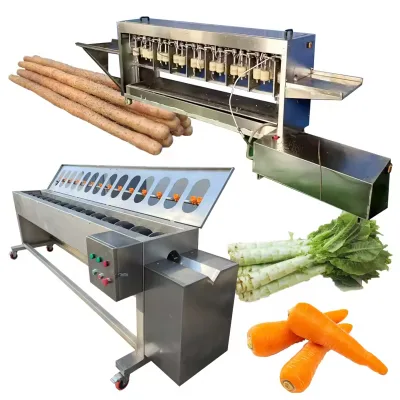
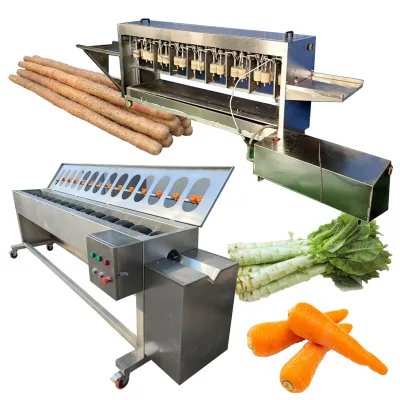


Comprehensive Sourcing Guide
Strategic Sourcing Guide for High Efficiency Yam Peeling Machines
Understanding the Technical Landscape of Yam Peeling Equipment
When sourcing a high-efficiency yam peeling machine, buyers must first navigate a diverse array of technical configurations that define operational capability. The core keyword "high efficiency" in this context often refers to machines designed for continuous processing or high-volume batch operations capable of handling root vegetables like yams, carrots, and potatoes. Based on observed market data, these machines frequently utilize a dry-type peeling mechanism, which is distinct from wet peeling systems that rely heavily on water immersion. This dry-type approach is particularly relevant for yams, as it helps maintain the structural integrity of the tuber while removing the skin effectively.
The physical construction of these units is critical for longevity and food safety. The predominant material observed in high-performance models is SUS304 stainless steel, a grade chosen for its corrosion resistance and compliance with food-grade standards. Some listings also reference raw materials simply as "stainless steel," but the specific SUS304 designation provides a higher confidence level regarding durability in wet or abrasive environments. The machine's dimensions vary significantly depending on the model and intended capacity. For instance, specific model configurations have been observed with standard dimensions such as 1860x800x1160mm, while others may be more compact at 210x110x150mm or designed for longer conveyor systems with lengths up to 3200mm.
Power consumption is another vital technical specification. Buyers should expect a range of power ratings, with common configurations including 1.5KW and 0.75KW motors. The voltage requirements also vary by region and model, with observed specifications including 380V for industrial three-phase applications and 220V for single-phase setups. The control system is a key differentiator in efficiency; modern high-efficiency units often feature PLC automatic control, allowing for precise management of the peeling process, speed, and downtime. Furthermore, the peeling mechanism itself may involve a specific number of blades or knives. Observations indicate models equipped with 8-10 sets of knives or units with a blade quantity of 32 PCS, which directly influences the uniformity of the peel and the speed of operation.
Compliance, Certification, and Safety Standards
In the B2B procurement of food processing machinery, compliance is not merely a formality but a prerequisite for market access and operational safety. The most frequently cited certifications for these machines include CE and ISO. The CE marking indicates conformity with health, safety, and environmental protection standards for products sold within the European Economic Area, while ISO certification suggests adherence to international quality management standards. However, buyers must verify that these certifications are current and applicable to the specific model being purchased, as certification status can vary between different production batches or factory lines.
Safety standards are further reinforced by the design of the machine's casing and operational features. Many units are designed with removable components for easy cleaning, a feature that is essential for maintaining hygiene standards and preventing cross-contamination between different vegetable batches. The packaging for these machines is typically robust, often utilizing wooden cases or plywood cases to protect the equipment during international shipping. This packaging requirement is a logistical consideration that buyers must factor into their total cost of ownership, as the weight and dimensions of the wooden crate will impact freight charges.
When evaluating compliance, buyers should also look for evidence of the machine's origin. A significant portion of the observed market data points to manufacturers located in Shandong and Henan provinces in China. While these regions are known for their manufacturing capabilities, the specific origin of the machine should be verified against the purchase order to ensure that the product meets the buyer's regional import regulations. Additionally, the delivery period for these machines typically ranges from 7 to 45 days, depending on the customization level and current production schedules. This lead time variability underscores the importance of early engagement with suppliers to secure delivery windows that align with production planning.
Cost Drivers and Pricing Dynamics
The pricing of high-efficiency yam peeling machines is influenced by a complex interplay of factors, resulting in a wide observed range from $1,200 to $98,200. This broad spectrum reflects differences in capacity, automation levels, material quality, and the extent of customization. Entry-level models, often characterized by lower power ratings like 0.75KW and simpler control systems, tend to fall at the lower end of this price range. These units may be suitable for small-scale operations or pilot testing. Conversely, high-end models featuring PLC automatic control, higher power ratings of 1.5KW, and advanced blade configurations command prices closer to the upper limit.
Capacity is a primary driver of cost. Machines designed to handle high volumes, such as those with a capacity of 1800-2000 pieces per hour or 1800 pieces per hour, require more robust motors, larger frames, and more sophisticated engineering. The inclusion of water spray systems, which assist in cleaning the peeled product and the machine interior, also adds to the cost. Additionally, the number of spare parts included, such as blades, can affect the initial purchase price. Some models come with a comprehensive set of spare parts, while others may require separate procurement, impacting the total cost of operation.
Customization is another significant cost factor. While many suppliers offer "Customized Available" options, some models are listed as "Non-Customized." Customization often involves modifying the machine dimensions, voltage, or control logic to fit specific facility requirements. This flexibility comes at a premium and can extend the lead time. Buyers should be aware that the Minimum Order Quantity (MOQ) for these machines is typically low, often ranging from 1 to 1 unit, which allows for flexibility in procurement but may limit bulk discount opportunities. The packaging method, whether a standard wooden case or a specialized plywood case, also contributes to the final price, as specialized packaging requires additional labor and materials.
Typical Applications and Operational Versatility
High-efficiency yam peeling machines are designed with versatility in mind, capable of processing a wide variety of root vegetables and tubers. The primary application is the peeling of yams, but the observed data indicates suitability for a broad range of produce including potatoes, carrots, beets, radishes, celtuce, asparagus, lettuce, cucumbers, and eggplants. This versatility makes these machines attractive for facilities that process multiple types of vegetables, allowing for a single piece of equipment to serve various production lines.
The operation mode of these machines can be either batch type or continuous type, offering flexibility based on the buyer's production flow. Batch type operations are ideal for facilities that process smaller quantities or require frequent changeovers between different vegetable types. Continuous type operations, on the other hand, are better suited for high-volume, steady-state production environments where efficiency and throughput are paramount. The choice between these modes depends on the specific workflow and the volume of produce to be processed.
The application of these machines extends beyond simple peeling. Many units are equipped with water spray systems, which serve a dual purpose: they assist in the peeling process by reducing friction and heat, and they help clean the peeled product immediately after processing. This feature is particularly beneficial for yams and other root vegetables that may have rough or uneven skins. The ability to handle different types of produce with a single machine reduces the need for multiple specialized units, thereby optimizing floor space and reducing capital expenditure.
Supplier Evaluation and Geographic Considerations
Evaluating suppliers for high-efficiency yam peeling machines requires a careful assessment of their geographic location, production capabilities, and service offerings. The majority of the observed market data points to manufacturers located in China, specifically in the provinces of Shandong and Henan. These regions are known for their robust manufacturing infrastructure and experience in producing food processing equipment. However, buyers should verify the specific origin of the machine to ensure it aligns with their supply chain requirements and import regulations.
Service support is a critical factor in supplier evaluation. Many suppliers offer support for inspection and testing, which allows buyers to verify the quality and performance of the machine before final acceptance. This service can be particularly valuable for high-value equipment, as it provides an opportunity to identify any potential issues before the machine is installed and put into operation. Buyers should also inquire about the availability of spare parts, such as blades, and the lead time for their delivery. A supplier with a robust spare parts inventory and a quick response time can significantly reduce downtime and maintenance costs.
When evaluating suppliers, buyers should also consider the level of customization offered. While some models are non-customized, many suppliers provide options for customization to meet specific operational needs. This flexibility can be a deciding factor for buyers with unique requirements. However, customization can also introduce complexity into the procurement process, requiring careful communication and clear specifications to ensure the final product meets expectations. Buyers should also verify the supplier's track record in delivering machines that meet the stated specifications, such as power ratings, voltage requirements, and capacity.
Quality Control and Long-Term Procurement Considerations
Quality control is essential when procuring high-efficiency yam peeling machines to ensure long-term reliability and performance. Buyers should verify that the machine is constructed from high-quality materials, such as SUS304 stainless steel, which offers excellent corrosion resistance and durability. The construction of the machine should also include features that facilitate easy cleaning, such as removable components, to maintain hygiene standards and prevent contamination.
Long-term procurement considerations include the availability of technical support, spare parts, and maintenance services. Buyers should establish a relationship with a supplier that can provide ongoing support, including troubleshooting, repair, and replacement of worn parts. The lead time for spare parts should be short to minimize downtime, and the supplier should have a clear policy for handling warranty claims. Additionally, buyers should consider the energy efficiency of the machine, as this can impact operational costs over the life of the equipment.
The packaging of the machine is also a quality control consideration. Wooden case packaging or plywood case packaging provides protection during shipping, but buyers should verify that the packaging is secure and meets the requirements for international transport. The dimensions and weight of the packaged machine should be clearly stated to facilitate logistics planning. Finally, buyers should ensure that the machine meets all relevant safety and compliance standards, including CE and ISO certifications, to avoid regulatory issues and ensure safe operation.
Comparative Analysis of Key Specifications
To assist buyers in making informed decisions, the following table summarizes key specifications observed in the market for high-efficiency yam peeling machines. This comparison highlights the variability in dimensions, power, capacity, and material, which are critical factors in selecting the right machine for specific needs.
| Specification Category | Observed Range / Options | Typical Application Context |
|---|---|---|
| Material | SUS304 Stainless Steel, Raw Stainless Steel | Food safety, corrosion resistance |
| Power Rating | 0.75KW, 1.5KW | Small batch vs. high-volume continuous |
| Voltage | 220V, 380V | Single-phase vs. three-phase industrial |
| Dimensions | 210x110x150mm to 3200mm length | Compact vs. large conveyor systems |
| Capacity | 1800-2000 PCS/Hour | High-throughput processing |
| Blade Quantity | 8-10 sets, 32 PCS | Peeling uniformity and speed |
| Operation Mode | Batch Type, Continuous Type | Flexible vs. steady-state production |
| Control System | PLC Automatic Control | Precision and automation |
| Packaging | Wooden Case, Plywood Case | Shipping protection |
| Origin | Shandong, China; Henan, China | Manufacturing hub verification |
This table serves as a reference for buyers to compare different models and identify the specifications that best align with their operational requirements. By carefully evaluating these factors, buyers can select a high-efficiency yam peeling machine that delivers optimal performance and value.
FAQs
What material is used for high efficiency yam peeling machines?
These machines are primarily constructed from SUS304 stainless steel to ensure corrosion resistance and food safety. Some listings also reference raw stainless steel, but the specific SUS304 grade provides higher durability for wet or abrasive environments.
Can the machine handle different types of vegetables besides yams?
Yes, the equipment is suitable for processing potatoes, carrots, beets, radishes, celtuce, asparagus, lettuce, cucumbers, and eggplants. This versatility allows facilities to use a single unit for various root vegetables and tubers.
What is the typical delivery period for these machines?
The delivery period typically ranges from 7 to 45 days depending on the customization level and production schedule. Buyers should engage suppliers early to secure delivery windows that align with their specific production planning needs.
How is the machine powered and what voltage does it require?
Power ratings vary, with common configurations including 1.5KW and 0.75KW motors. Voltage requirements depend on the model, with observed specifications including 380V for industrial three-phase applications and 220V for single-phase setups.
What certifications do these machines typically hold?
The most frequently cited certifications for these machines include CE and ISO. These markings indicate conformity with health, safety, and environmental protection standards, though buyers must verify that certifications are current for the specific model.
Is customization available for the peeling machine specifications?
Customization is available for many models, allowing modifications to dimensions, voltage, or control logic. However, some units are listed as non-customized, and customization often involves a premium cost and can extend the lead time.