Source High Fence Skate Panel for Ice Rinks, Training, and Sports
Compare 30 High Fence Skate Panel options from verified Chinese manufacturers. These panels feature smooth surfaces, waterproof materials, and customizable dimensions for ice skating, hockey, and agility training applications.
Key considerations
Products List

High Impact Polyethylene Ice Rink Fence UV Resistant Hockey Dasher Board
$93.00 - $100.00
MOQ: 10 Pieces


HDPE Hockey Dasher Boards Arena Rink Systems Wear-Resistant Polyethylene Ice Skate Fence
$68.00 - $126.00
MOQ: 300 Square Meters

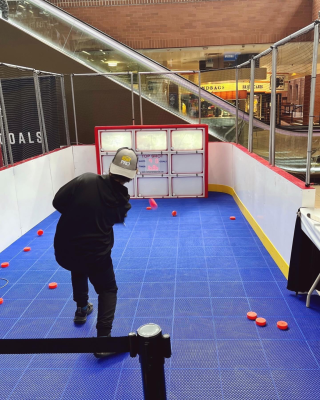
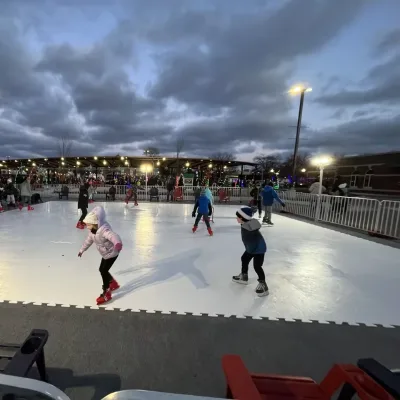

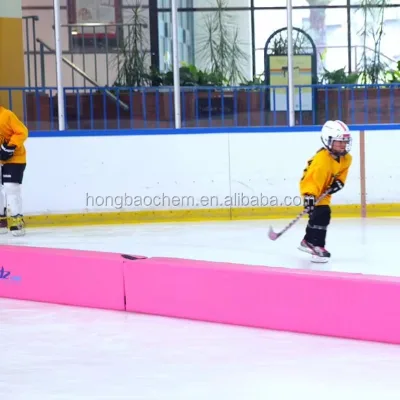
The Guardrails and Fences of the Chinese Made Artificial Ice Skating Rink Are Firm and Sturdy
$2.84 - $3.29
MOQ: 500 kilograms

Comprehensive Sourcing Guide
High Fence Skate Panel Sourcing Guide
Procuring high fence skate panels, often categorized under dasher board systems or synthetic ice rink fencing, requires a nuanced understanding of material science and structural engineering. These components serve as the critical boundary for ice rinks, floorball courts, and hockey facilities, providing both safety for athletes and durability for facility operators. The core keyword "High Fence Skate Panel" typically refers to the vertical barrier systems that enclose the playing surface, designed to withstand high-impact collisions from players and pucks while maintaining a smooth, low-friction surface for puck glide. Buyers must distinguish between traditional wood-based barriers and modern engineering plastic solutions, as the latter have become the industry standard for new installations due to their superior longevity and reduced maintenance requirements.
The procurement process for these specialized panels involves evaluating multiple variables, including material composition, thickness, mounting hardware, and surface finish. Unlike standard construction fencing, these panels are engineered for specific sports applications, requiring precise tolerances to ensure seamless integration with the ice surface or synthetic flooring. The market offers a variety of configurations, from modular systems that allow for quick assembly to permanent installations requiring welding or bolting. Understanding these distinctions is essential for selecting the right product that aligns with the specific operational needs of the facility, whether it is a professional arena, a community center, or a private training facility.
Product Scope and Observed Listing Signals
The observed product landscape for high fence skate panels reveals a diverse range of offerings, primarily centered around UHMWPE (Ultra-High Molecular Weight Polyethylene) and HDPE (High-Density Polyethylene) materials. Listings frequently highlight features such as self-lubricating properties, waterproof construction, and high wear resistance, which are critical for withstanding the abrasive nature of ice skates and hockey pucks. The typical thickness range observed in the market spans from 8mm to 30mm, with common specifications including 15mm and 20mm options. These variations allow buyers to select panels based on the expected intensity of use, with thicker panels generally offering greater impact resistance and structural rigidity for high-traffic professional venues.
In addition to material thickness, the surface finish and structural support systems are key differentiators among suppliers. Many products are described as having a smooth dasher board system surface, which is essential for maintaining consistent puck speed and player safety. The panels are often supported by steel structures, creating a composite system that combines the impact absorption of plastic with the stability of metal. Buyers should also note the availability of customization options, including any size, color, and thickness, which allows for tailored solutions to fit specific rink dimensions and aesthetic preferences. The presence of accessories such as bolts or welding kits further indicates the modular nature of these systems, facilitating easier installation and future maintenance.
Technical Specifications to Verify
When evaluating technical specifications, buyers must prioritize the mechanical properties of the panel material, particularly tensile strength and water absorption rates. High-quality UHMWPE panels typically exhibit tensile strengths ranging from 81 to 130 MPa, ensuring they can withstand significant impact without cracking or deforming. Additionally, water absorption should be minimal, ideally less than 0.01%, to prevent moisture-related degradation and maintain dimensional stability in cold, humid environments. The contraction percentage is another critical metric, with values below 0.4% indicating high dimensional stability, which is vital for ensuring that panels fit together seamlessly without gaps that could pose safety hazards.
Surface treatment and UV resistance are also paramount for outdoor installations or facilities with significant natural light exposure. Buyers should verify that the panels possess UV resistance to prevent yellowing, brittleness, and loss of mechanical properties over time. The surface finish should be consistently smooth to facilitate easy cleaning and optimal puck glide, while also being non-abrasive to protect player skin during falls. Furthermore, the weight of the panels, typically ranging from 10 to 50 kg per unit, impacts handling and installation logistics. Understanding these technical parameters allows buyers to assess the long-term performance and durability of the panels, ensuring they meet the rigorous demands of competitive sports environments.
Compliance and Safety Documentation
Safety compliance is a non-negotiable aspect of sourcing high fence skate panels, particularly for facilities that host public or professional sporting events. Buyers should request documentation that verifies the material's compliance with relevant international safety standards, such as ISO 9001 for quality management systems. While specific sports safety standards may vary by region, certifications from recognized bodies like TUV provide additional assurance of product quality and safety. It is crucial to ensure that the panels do not contain harmful substances and that their surface properties meet the friction and impact requirements specified by governing sports bodies.
In addition to material certifications, buyers must verify the structural integrity of the support systems. The steel support structures should be designed to absorb and dissipate impact energy effectively, reducing the risk of injury to players who may collide with the boards. Documentation should include details on the mounting methods, whether through bolts or welding, and the load-bearing capacity of the entire system. For outdoor installations, additional documentation regarding weather resistance and UV stability is essential to ensure the panels remain safe and functional over time. Buyers should also inquire about any third-party testing results that validate the impact resistance and durability claims made by suppliers.
Cost Drivers and Commercial Terms
The cost of high fence skate panels is influenced by several factors, including material grade, thickness, and customization requirements. Top-grade UHMWPE and HDPE materials command higher prices due to their superior mechanical properties and longevity. Thicker panels, such as those at 20mm or 30mm, will also be more expensive than thinner alternatives, reflecting the increased material usage and manufacturing complexity. Customization options, such as specific colors, sizes, or surface finishes, can further impact the final price, as they often require additional production steps and tooling. Buyers should request detailed quotes that break down these costs to understand the value proposition of each option.
Commercial terms, including minimum order quantities (MOQ) and packaging methods, also play a significant role in the total cost of ownership. MOQs can range from 1 to 1000 units, depending on the supplier and the level of customization required. Packaging is typically done in cartons or wooden cases, with palletized shipping for larger orders, which affects logistics costs and handling requirements. Buyers should consider the lead times associated with custom orders, as these can vary significantly based on production schedules and material availability. Negotiating favorable payment terms and shipping arrangements can help mitigate these costs and ensure a smoother procurement process.
Supplier Qualification and Quality Control
Selecting a reliable supplier is critical for ensuring the quality and consistency of high fence skate panels. Buyers should prioritize suppliers with a proven track record in the sports facility industry, particularly those with experience in manufacturing dasher board systems and synthetic ice rinks. Verification of the supplier's manufacturing capabilities, including their production facilities in regions like Hebei, China, can provide insight into their capacity and quality control processes. It is advisable to request samples for testing before placing large orders, allowing buyers to evaluate the material properties, surface finish, and overall build quality firsthand.
Quality control measures should be clearly defined and documented by the supplier. This includes regular inspections during production, final quality checks before shipment, and adherence to standardized testing protocols. Buyers should inquire about the supplier's process for handling defects or non-conforming products, as well as their warranty policies. Establishing a clear communication channel with the supplier's technical team can also facilitate troubleshooting and ensure that any issues are resolved promptly. Building a strong relationship with a qualified supplier can lead to better pricing, priority production, and ongoing support for future projects.
Long-Term Procurement Checks
Long-term procurement success depends on establishing a robust framework for ongoing supplier evaluation and product performance monitoring. Buyers should implement a system for tracking the performance of installed panels, including metrics such as wear rates, impact resistance over time, and maintenance requirements. Regular audits of the supplier's quality control processes and adherence to agreed-upon standards can help maintain product consistency and identify potential issues early. This proactive approach ensures that the supplier remains accountable for the quality of their products and encourages continuous improvement.
Additionally, buyers should stay informed about advancements in materials and manufacturing technologies that could offer improved performance or cost savings. Engaging with industry networks and attending trade shows can provide valuable insights into new product developments and best practices. By maintaining a strategic approach to procurement, buyers can ensure that their facilities remain equipped with high-quality, durable, and safe high fence skate panels that meet the evolving needs of athletes and facility operators. This long-term perspective helps maximize the return on investment and supports the overall success of the sports facility.
FAQs
What material is used for high fence skate panels?
High fence skate panels are typically made from UHMWPE or PE engineering plastic sheets. These materials offer high wear resistance and self-lubricating properties. The panels are designed for durability in both indoor and outdoor ice rink applications. They provide a smooth surface for skating and sports training.
Can high fence skate panels be customized?
Yes, customization is available for high fence skate panels. Buyers can select specific sizes, colors, and thicknesses to meet their requirements. The standard thickness ranges from 8mm to 30mm, with common options like 15mm or 20mm. Customized dimensions ensure the panels fit specific rink layouts and design preferences.
What certifications do high fence skate panels have?
High fence skate panels often carry ISO9001:2008 and TUV certifications. These certifications indicate adherence to quality management standards. The products are manufactured in Hebei, China, ensuring consistent quality control. Buyers can verify these credentials to ensure the panels meet international safety and quality benchmarks.
How are high fence skate panels packaged for shipping?
High fence skate panels are packaged in carton cases or wooden pallets. This packaging protects the panels during transit and storage. The packing method ensures the panels remain undamaged and ready for installation. Buyers should confirm packaging details with suppliers to ensure safe delivery to their location.
What is the typical weight of high fence skate panels?
The weight of high fence skate panels typically ranges from 10 to 50 kilograms. This weight depends on the size and thickness of the panel. Heavier panels offer greater stability for ice rink fencing. Buyers should consider the weight when planning logistics and installation requirements for their facility.
Are high fence skate panels suitable for outdoor use?
Yes, high fence skate panels are suitable for both indoor and outdoor use. They feature waterproof properties and UV resistance, making them durable in various weather conditions. The smooth surface ensures consistent performance for skating and sports activities. These panels are ideal for creating permanent or temporary ice rinks in any environment.