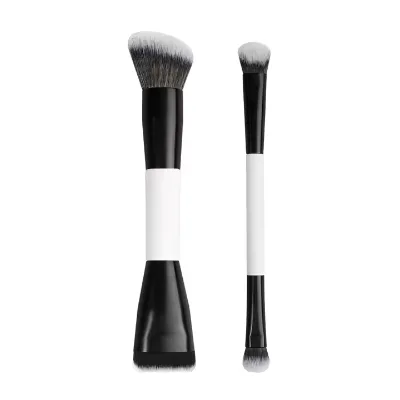
Source Vegan Dual Ended Makeup Brushes for Eye, Face, and Cheek
Find and compare 30 Vegan Dual Ended Makeup Brushes designed for eye, face, and cheek application. Options feature synthetic hair, plastic or wood handles, and aluminum ferrules, with customization and OEM services available for professional and daily beauty care tools.
Key considerations
Products List


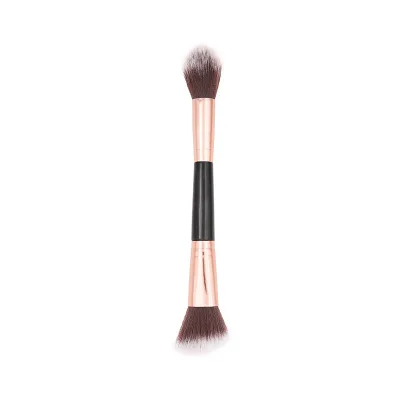
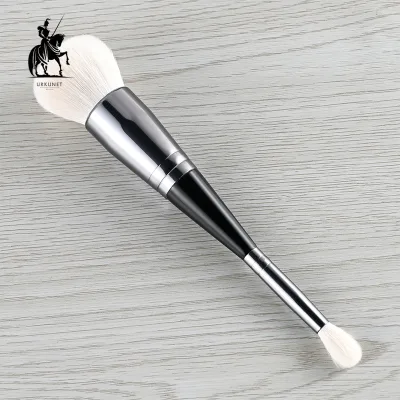


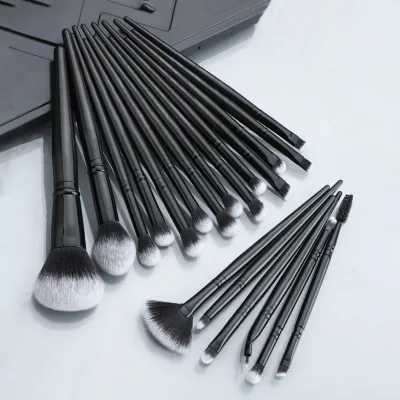
Portable Vegan Make up Brush Set Powder Foundation Kit with Bag Makeup Brush
$1.50 - $3.50
MOQ: 1000 Pieces
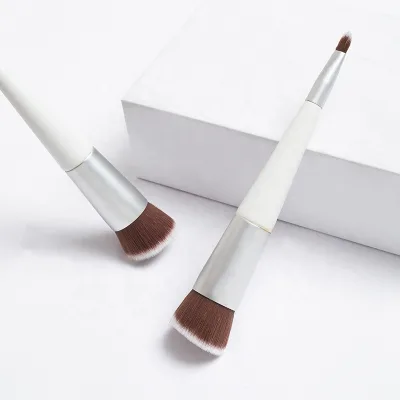
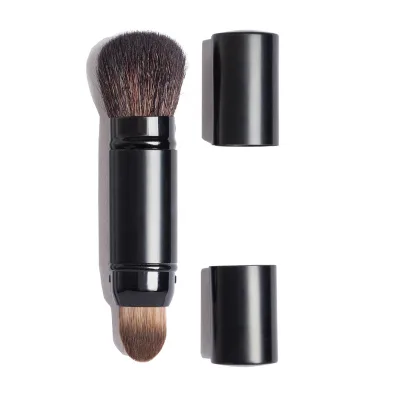







Comprehensive Sourcing Guide
Vegan Dual Ended Makeup Brushes Sourcing Guide
Sourcing vegan dual-ended makeup brushes requires a strategic balance between material integrity, functional design, and commercial flexibility. These tools are defined by their synthetic bristle composition, which replaces animal-derived hair with high-performance alternatives like nylon or synthetic fibers, ensuring a cruelty-free profile that aligns with modern ethical consumer demands. The dual-ended configuration offers significant logistical and marketing advantages, allowing brands to bundle complementary functions—such as powder application and precise contouring—into a single, portable unit. This design reduces packaging volume and shipping costs while providing customers with a versatile toolset that simplifies daily makeup routines. Buyers must navigate a market where "vegan" is a key selling point, necessitating rigorous verification of bristle materials to ensure no animal products are present in the ferrule, handle, or adhesive components.
The procurement landscape for these brushes is characterized by a wide variance in specifications, from handle materials ranging from plastic to wood, to specific model numbers that dictate packing standards and unit configurations. Suppliers often welcome OEM and private label services, allowing brands to customize logos, colors, and packaging to fit their identity. However, this customization comes with varying minimum order quantities (MOQs) and lead times that can impact inventory planning. Understanding the observed listing signals, such as the presence of OPP bag packaging or specific set counts, is crucial for accurate cost modeling. Buyers must distinguish between generic wholesale offerings and premium, professionally graded tools, as the latter often command higher price points but offer better durability and user experience, which directly influences brand reputation and customer retention.
Product Scope and Observed Listing Signals
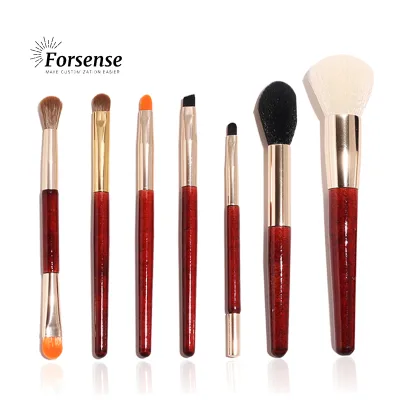
The current market for vegan dual-ended brushes exhibits a broad spectrum of product attributes, primarily driven by the bristle material and handle construction. Observed listings frequently specify nylon or synthetic hair as the primary bristle material, confirming the vegan nature of the product. These synthetic fibers are engineered to be soft, portable, and effective for various applications, including powder blush, foundation, and eyeshadow. The handle materials vary significantly, with plastic and wood being the most common options observed. Plastic handles often provide a lightweight, durable, and cost-effective solution, while wooden handles offer a more premium, aesthetic appeal that resonates with luxury branding. The ferrule material is typically thickened aluminum, ensuring a secure bond between the bristles and the handle, which is critical for preventing shedding and maintaining the brush's structural integrity over time.
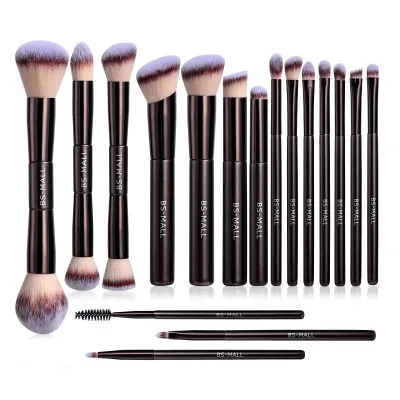
Listing signals also reveal diverse packaging and customization options that buyers should evaluate based on their target market. Many suppliers offer private logo services and OEM capabilities, allowing for extensive brand customization. Packaging standards vary, with some products packed individually in OPP bags, while others are sold in sets ranging from one piece to fifteen pieces per set. For instance, specific models are noted to have standards such as "1 PCS ONE SET" or "15 PCS ONE SET," which directly impacts the unit price and perceived value. Additionally, attributes like color options (white, black, gray) and key words such as "luxury," "professional," and "high quality" indicate the positioning of the product. Buyers must carefully review these signals to ensure the product aligns with their brand's aesthetic and functional requirements, avoiding assumptions about quality based solely on marketing terms.
Technical Specifications to Verify
Verifying technical specifications is paramount to ensuring the product meets quality and functional expectations. Buyers should prioritize the verification of bristle material composition, ensuring that "synthetic hair" or "nylon" is explicitly stated and free from animal-derived components. The handle material must be confirmed as either plastic or wood, depending on the desired product tier, and the ferrule should be checked for thickness and material, typically aluminum, to ensure durability. Specific model numbers, such as F239B, ST7721A, or 0793, serve as unique identifiers for these specifications and should be cross-referenced with supplier catalogs to avoid discrepancies. Additionally, the single package size and gross weight, such as 20x5x5 cm and 0.070 kg respectively, are critical for calculating shipping costs and storage requirements, particularly for dual-ended designs that may have irregular shapes.
The application and use cases of the brushes must also be technically verified to ensure they match the intended marketing claims. Dual-ended brushes are often designed for specific functions, such as angular blush application or dual-sided powder and eyeshadow use. Buyers should confirm the brush head shape and density, as these factors directly impact performance. For example, an angular blush brush requires a specific cut and bristle arrangement to effectively contour the cheeks. Furthermore, the "used with" attributes, such as blusher and foundation, should be validated through sample testing to ensure the bristles are suitable for the intended cosmetic products. The "quality" attribute, often stated as "100% Checked," should be backed by a clear quality control process, including inspection of bristle shedding, handle finish, and ferrule stability, to prevent defects in the final product.
Compliance and Safety Documentation
Compliance and safety documentation are essential for importing and selling makeup brushes, particularly those marketed as vegan and professional-grade. Buyers must ensure that suppliers provide relevant safety data sheets and material safety declarations to confirm that the synthetic bristles, adhesives, and handle materials are free from harmful substances such as heavy metals, phthalates, or allergens. While specific certifications like FSC may be mentioned in background contexts, buyers should not assume compliance without direct verification from the supplier. It is crucial to request documentation that confirms the vegan status of the product, ensuring that no animal testing was conducted and that no animal-derived ingredients are used in the manufacturing process. This documentation is vital for maintaining brand integrity and meeting regulatory requirements in target markets, such as the EU or North America.
In addition to material safety, buyers should verify that the product meets general cosmetic tool safety standards, which may vary by region. This includes checking for compliance with local regulations regarding consumer product safety, labeling, and packaging. The "quality" claim of "100% Checked" should be supported by a documented quality assurance protocol, including random sampling and defect rate monitoring. Buyers should also inquire about the supplier's adherence to environmental standards, particularly if the product packaging is made from recyclable materials. While specific standards are not always listed, buyers should proactively ask for evidence of compliance with relevant industry norms, such as ISO standards for manufacturing processes or specific cosmetic tool safety guidelines. This due diligence helps mitigate risks associated with product recalls, legal liabilities, and brand damage.
Cost Drivers and Commercial Terms
Cost drivers for vegan dual-ended makeup brushes are influenced by material selection, customization levels, and order volume. The choice between plastic and wooden handles, as well as the type of synthetic bristles used, significantly impacts the unit cost. Customization options, such as private logos, specific colors, and unique packaging designs, add to the production complexity and cost. Suppliers often offer tiered pricing based on MOQs, which can range from as low as 100 pieces to 3000 pieces or more. Buyers must carefully analyze these MOQs in relation to their inventory needs and cash flow, as higher volumes typically result in lower unit prices but require greater upfront investment. The observed price range of $0.02 to $13 USD reflects this variability, with lower prices corresponding to basic, high-volume orders and higher prices for premium, customized, or smaller batch orders.
Commercial terms, including payment methods, lead times, and shipping arrangements, are critical components of the procurement strategy. Buyers should negotiate clear terms regarding payment milestones, such as deposits and balance payments upon shipment, to manage financial risk. Lead times can vary based on the complexity of customization and the supplier's production capacity, so it is essential to establish realistic timelines for order fulfillment. Shipping costs, influenced by the single package size and gross weight, should be factored into the total landed cost. Additionally, buyers should clarify responsibilities for import duties, taxes, and insurance, particularly when sourcing from international suppliers in regions like Guangdong or Hebei, China. Understanding these commercial terms helps in creating a accurate budget and avoiding unexpected expenses that can erode profit margins.
Supplier Qualification and Quality Control
Supplier qualification is a critical step in ensuring a reliable supply chain for vegan dual-ended makeup brushes. Buyers should conduct thorough due diligence on potential suppliers, verifying their business licenses, manufacturing capabilities, and export experience. Suppliers that welcome OEM and private logo services often have established processes for customization, but buyers must assess their ability to maintain consistency and quality across large orders. It is advisable to request samples from multiple suppliers to evaluate the product's physical attributes, including bristle softness, handle durability, and overall finish. Suppliers with a track record of producing high-quality, professional-grade brushes are more likely to meet stringent buyer requirements and deliver consistent performance.
Quality control measures should be clearly defined and agreed upon before placing orders. Buyers should inquire about the supplier's internal quality control processes, including inspection stages for raw materials, production, and finished goods. The "100% Checked" claim should be backed by a detailed QC plan that outlines defect thresholds and rejection criteria. Buyers may also consider hiring third-party inspection services to conduct pre-shipment inspections, ensuring that the products meet the agreed-upon specifications and quality standards. This proactive approach helps identify and rectify issues before the goods are shipped, reducing the risk of receiving defective products. Establishing a strong relationship with a qualified supplier and implementing robust quality control measures is essential for maintaining product integrity and customer satisfaction.
Long-Term Procurement Checks
Long-term procurement checks involve continuous monitoring of supplier performance, product quality, and market trends. Buyers should establish key performance indicators (KPIs) to evaluate suppliers based on metrics such as on-time delivery, defect rates, and responsiveness to issues. Regular communication with suppliers is essential to address any emerging challenges and to explore opportunities for product improvement or cost optimization. As consumer preferences evolve, buyers must stay informed about trends in vegan beauty products, including new materials, designs, and packaging innovations. This market intelligence can help buyers anticipate changes in demand and adjust their procurement strategies accordingly.
Additionally, buyers should periodically review their supplier base to ensure it remains competitive and aligned with their brand values. This may involve onboarding new suppliers with innovative capabilities or renegotiating terms with existing partners to secure better pricing or service levels. It is also important to monitor regulatory changes in target markets, such as updates to cosmetic safety standards or labeling requirements, to ensure ongoing compliance. By maintaining a proactive and strategic approach to procurement, buyers can mitigate risks, optimize costs, and sustain a competitive advantage in the vegan makeup brush market. This long-term perspective ensures that the supply chain remains resilient and capable of supporting the brand's growth and success.
FAQs
What materials are used for the brush heads?
The brush heads are made from nylon or synthetic hair. These materials provide a soft application suitable for eye, face, and cheek makeup. The specific material depends on the model selected, such as F239B or ST7721A.
Can I customize the logo on these brushes?
Yes, private logo customization is available for these products. OEM services are welcomed, allowing buyers to brand the brushes with their own designs. This option supports professional and daily makeup applications with a personalized touch.
What is the minimum order quantity for these brushes?
The minimum order quantity varies by product, ranging from 1 to 3000 units. Some specific models require a minimum of 100 pieces. Buyers should check the specific model details to confirm the exact MOQ before placing an order.
How are the makeup brushes packaged for shipping?
Each set is typically packed in one OPP bag. Some models come in larger sets, such as 15 pieces or 9 pieces per set. The single package size varies, with dimensions like 20x5x5 cm or 23x9x8 cm depending on the specific model.
Which models are available for dual-ended brushes?
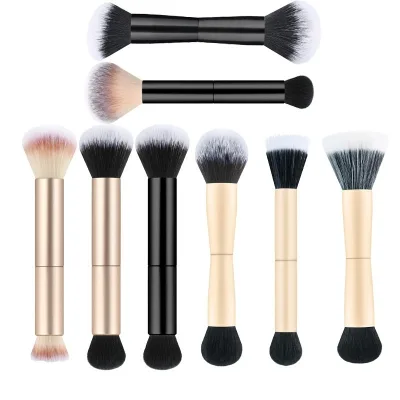
Available models include F239B, ST7721A, F239A, ST7249A, ST7928, and ST7765. These models feature different configurations, such as 1 piece per set or larger sets. They are designed for various applications like powder blush and foundation.
Where are these vegan makeup brushes manufactured?
These brushes originate from China, specifically from Guangdong and Hebei provinces. The manufacturing locations ensure consistent quality for professional and daily makeup tools. Buyers can expect products to meet standard specifications for beauty care make tools.
What is the handle material for these brushes?
The handle materials include plastic or wood. Some models feature a thickened aluminum ferrule connecting the handle to the brush head. This combination ensures durability and a comfortable grip during application for face and eye makeup.